Coral Casino Restaurant
Coral Casino Restaurant belongs to Montecito’s clubby coastal dining tradition, where the room, the waterline, and the social rhythm matter as much as the plate. With no public tasting-menu framework or chef-led narrative to lean on, the useful read is contextual: this is a Montecito restaurant to understand through setting, occasion, and the area’s polished seaside culture.

Pearl is the En Primeur Club membership app — saves, bookings, and concierge access live there. Same editors, same standards.
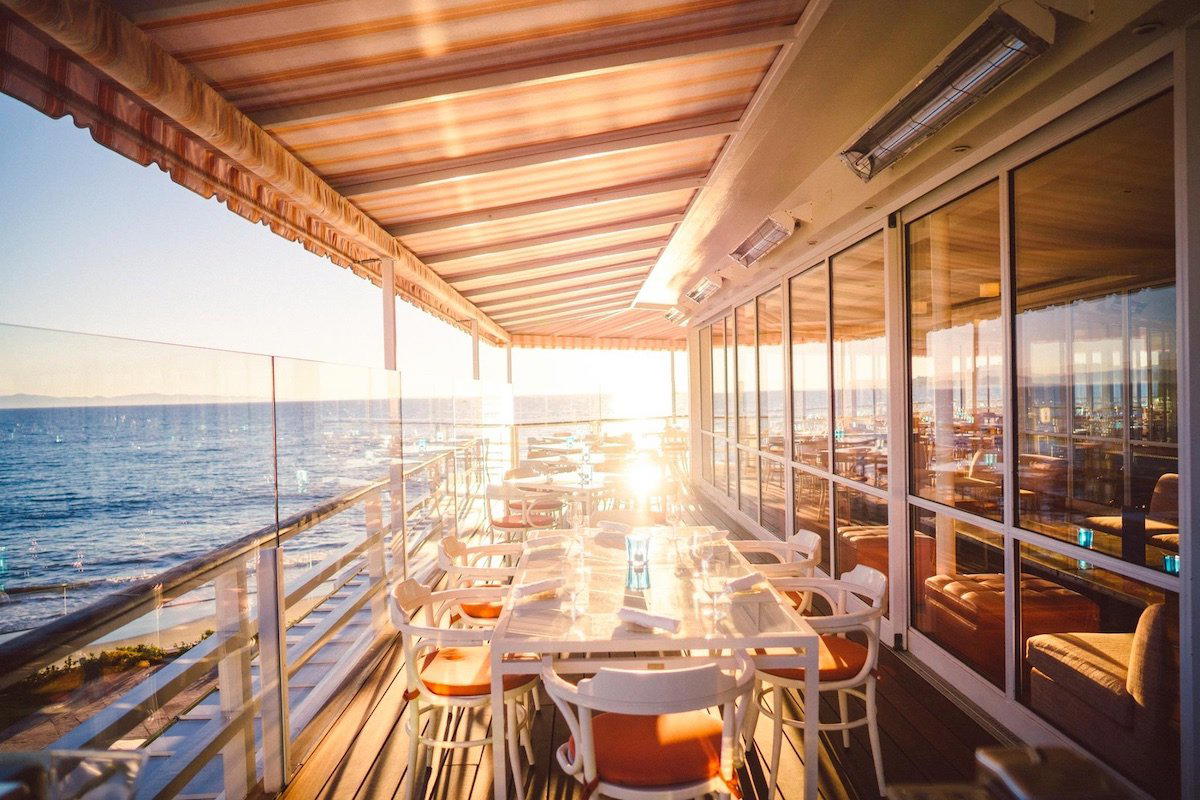
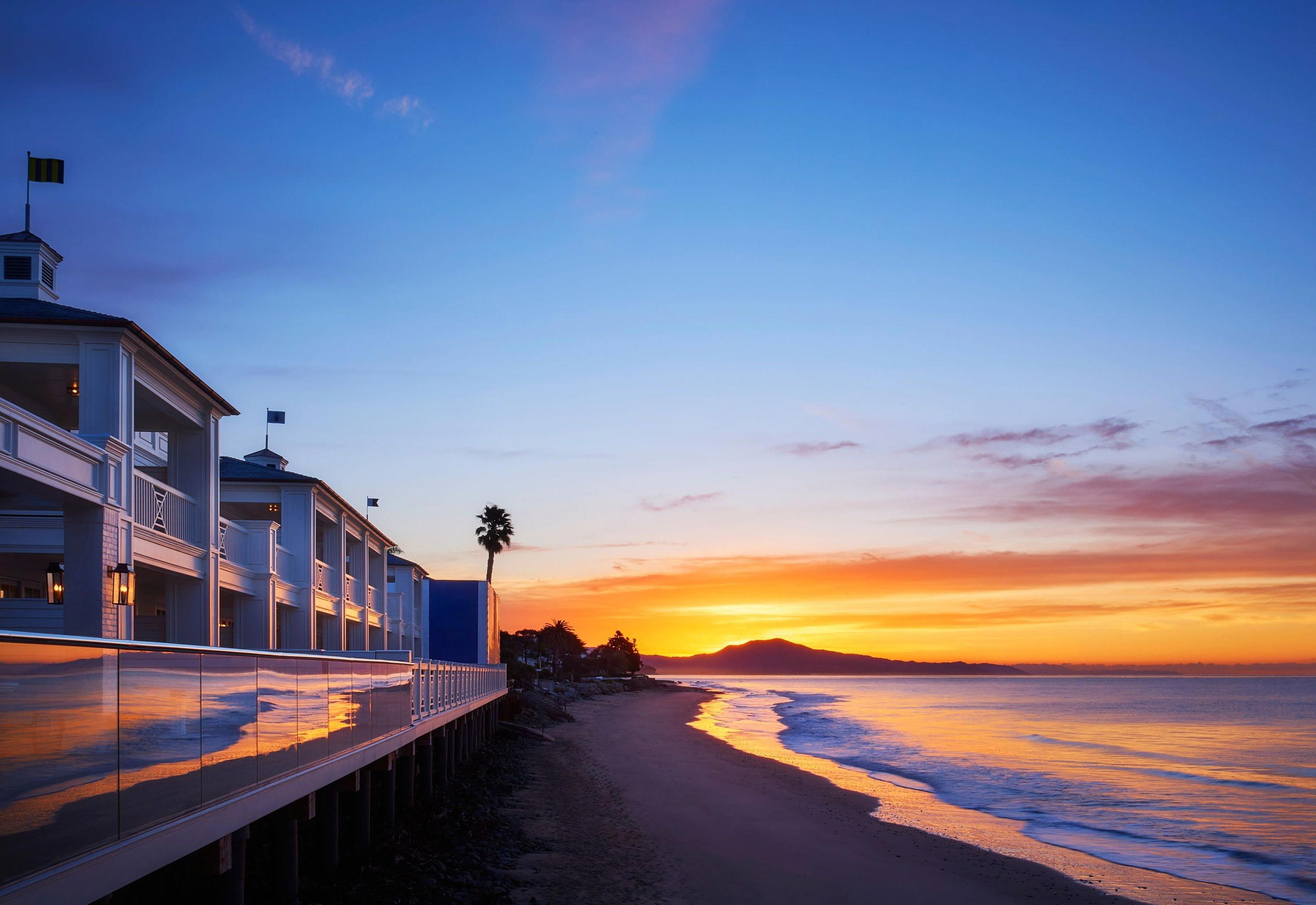
The approach to a Montecito coastal dining room changes the terms of the meal before a menu appears. Light, salt air, and the slow choreography of resort-town hospitality create a different expectation from the dining rooms of downtown Santa Barbara or Los Angeles. Coral Casino Restaurant sits inside that tradition: not the counter-culture energy of a chef’s room, not the quick-turn informality of a beach café, but the older California idea of dining near the water with a sense of occasion built into the setting.
Montecito has always treated restaurants as part of a larger social map. Lunch can blur into poolside hours, dinner can read as a neighborhood ritual, and hotel-adjacent dining often carries the manners of private-club California. That context matters here because Coral Casino Restaurant is better understood as part of the town’s coastal leisure culture than as a cuisine-first destination with a tightly publicized chef thesis. The draw is the environment and the way the meal fits into Montecito’s slower, more residential rhythm.
Coastal Montecito dining is about pace, polish, and proximity to the water
In many California beach towns, coastal dining has split into two clear lanes: casual seafood counters built for turnover, and polished rooms where the shoreline supplies the occasion. Montecito leans heavily toward the second category. The town’s dining identity is less about loud novelty than control: calm rooms, composed service, and menus that usually sit comfortably within Californian resort expectations.
That makes Coral Casino Restaurant a useful marker for the area’s hospitality culture. The restaurant’s public profile does not center on awards, a named chef, or a published signature dish, so the smarter reading is experiential rather than forensic. It belongs to the kind of Montecito address where the meal is judged by fit: Does the room match the setting, does the service carry the evening without fuss, and does the food support the coastal frame rather than compete with it?
For readers mapping the area, the broader restaurant circuit gives the comparison points without forcing false equivalence. AMA Sushi (Sushi) speaks to the town’s appetite for precision formats; Caruso's (Californian) and Bella Vista sit closer to the hotel-dining conversation; Bogavante (seafood and grilled meats) points toward a more ingredient-led coastal register. The restaurant belongs in the same local grammar of sea air, ceremony, and restrained luxury, even when its own public details remain spare.
The cultural root is old California club dining, not trend dining
California coastal restaurants often get flattened into a single idea: seafood, sunsets, and white wine. Montecito is more specific. Its dining culture carries the codes of private estates, legacy hotels, and social clubs, where discretion can be more valuable than spectacle. In that frame, a restaurant does not need to announce itself through a manifesto. It can function as a room for regulars, house guests, and visitors who understand that the point is the full setting, not a viral plate.
This is where the restaurant makes editorial sense. It is not competing in the same category as a tasting-menu counter or a chef-driven Los Angeles opening. It is part of a coastal institution style: a place where the architecture of the day matters, where timing and company shape the experience, and where the room’s relationship to Montecito’s shoreline gives the meal its social charge. That is a culturally specific form of dining, especially in a town where hospitality often favors privacy over public theater.
Travelers building a longer Santa Barbara County stay should treat the restaurant as one piece of a wider Montecito itinerary rather than a stand-alone culinary pilgrimage. The town rewards that approach. The strongest days here often combine a polished meal, time near the water, and a hotel or residential setting that keeps the pace unhurried. For broader planning, see Our full Montecito restaurants guide, Our full Montecito hotels guide, Our full Montecito bars guide, Our full Montecito wineries guide, and Our full Montecito experiences guide.
How to place it within a California coastal itinerary
The right expectation is not a public trophy restaurant with a fixed narrative of cuisine, chef, and accolades. It is a coastal Montecito dining room where atmosphere leads and the meal follows the manners of the setting. That distinction helps avoid a common mistake in evaluating resort-adjacent restaurants: judging them only by the metrics of urban destination dining. In Montecito, the room, the arrival, and the social tempo carry more weight.
That does not mean the food is secondary. It means the cuisine has to be read through the culture of place. Coastal Californian dining tends to favor produce, seafood, grilled proteins, and relatively clean preparations, but specific dishes should not be assumed without a current menu in hand. For travelers who want more format-driven dining elsewhere in California and the wider West Coast orbit, the contrast is instructive: Jōdo Saké Bar in Los Angeles frames Japanese drinking culture through a city lens, Onigiri Time in Pasadena narrows attention to a casual Japanese staple, and -Grilled beef Sukiyaki- KAMAKURA TANUKIAN 鎌倉 たぬき庵 in Kamakura shows how a single traditional format can define a meal.
Other regional references help clarify the point. ¿Por Qué No? in Portland, 'Ai Love Nalo in Waimanalo Beach, 'āina in San Francisco, 'Ama 'Ama in Kapolei, and ¡Salud! in Los Angeles each show how place, community, and format can shape a meal as much as cuisine type. In Montecito, the restaurant should be read through that same lens: a dining experience anchored by coastal culture, clubby restraint, and the town’s particular preference for polish without public noise. For a more garden-led local format, Chef's Garden Experience offers a different expression of the same region’s relationship between setting and plate.
Comparable venues nearby, for context on price, style, and recognition.
| Venue | Cuisine | Price | Notes |
|---|---|---|---|
| Coral Casino RestaurantThis venue — the venue you are viewing | Modern Continental by Thomas Keller | $$$$ | Not listed |
| Little Mountain | Californian Wood-Fired Coastal | $$$ | Montecito |
| Pane e Vino | Authentic Italian Trattoria | $$$ | Montecito Upper Village |
| Bogavante | Northern Mexican meets Santa Barbara seafood | $$$ | Montecito |
| Bella Vista | California-Mediterranean with Organic Italian Influences | $$$$ | Montecito |
| Lucky’s Steakhouse | Classic American Steakhouse | $$$$ | Montecito |
Continue exploring
More in Montecito
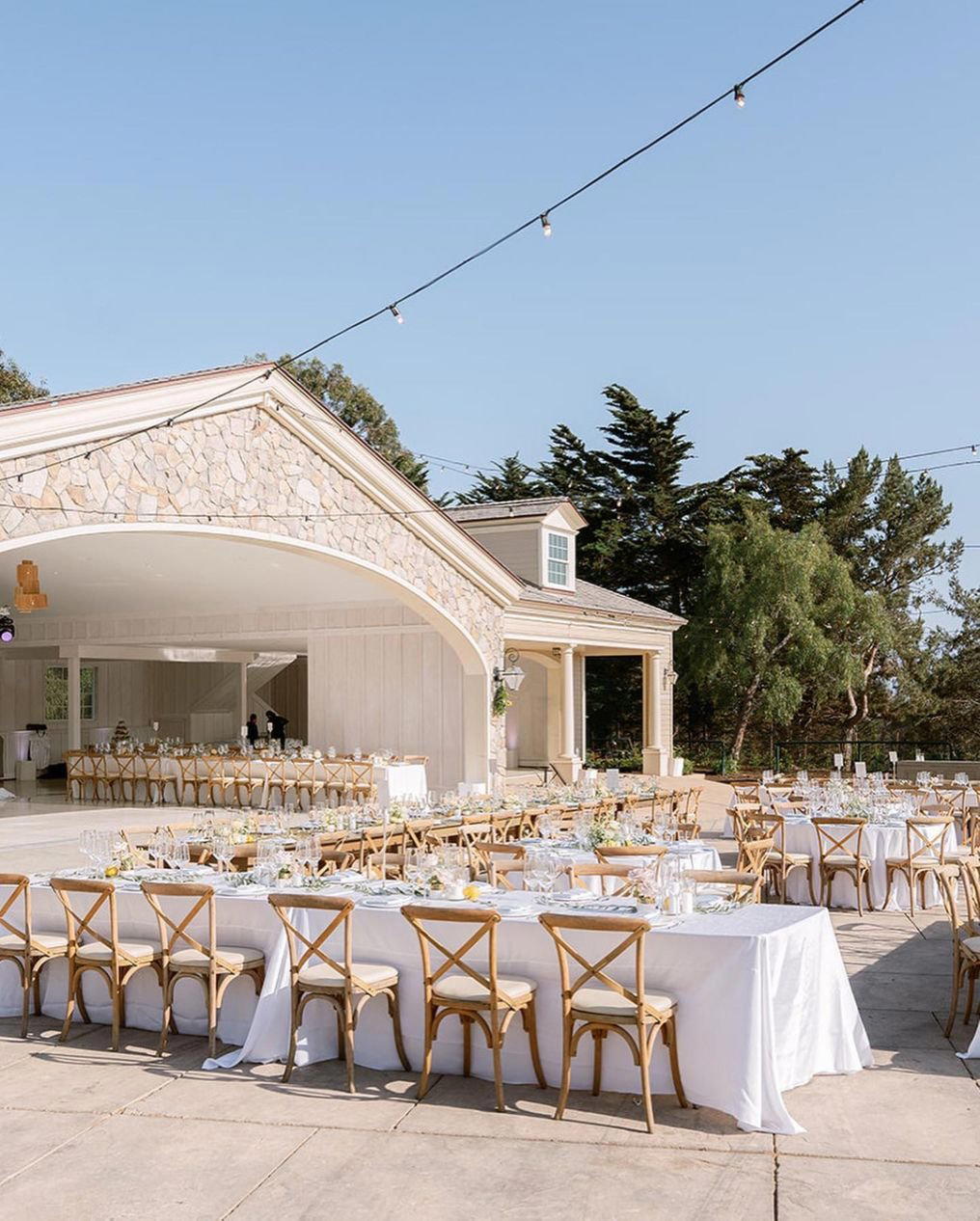
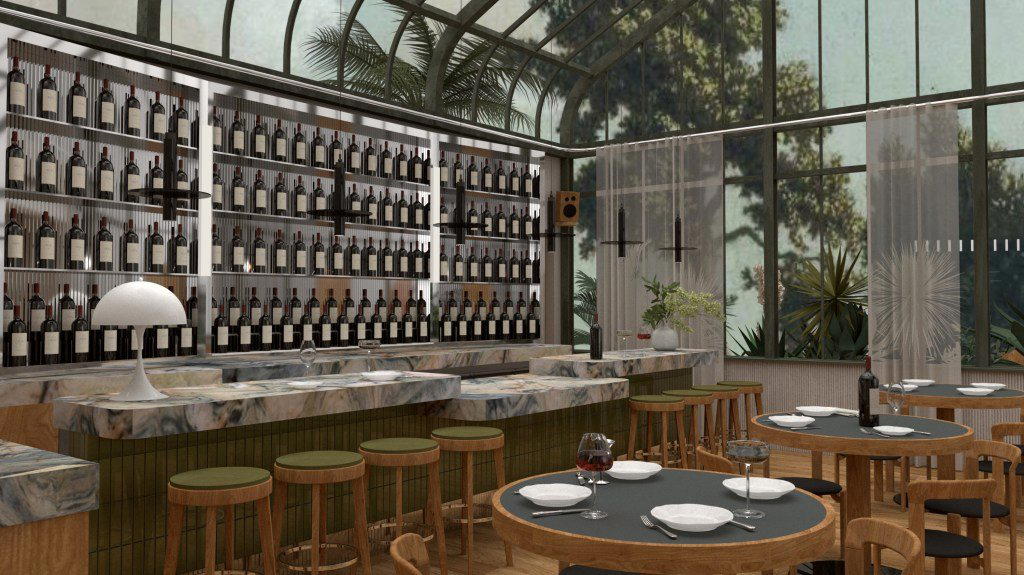
Restaurants in Montecito
Browse all →
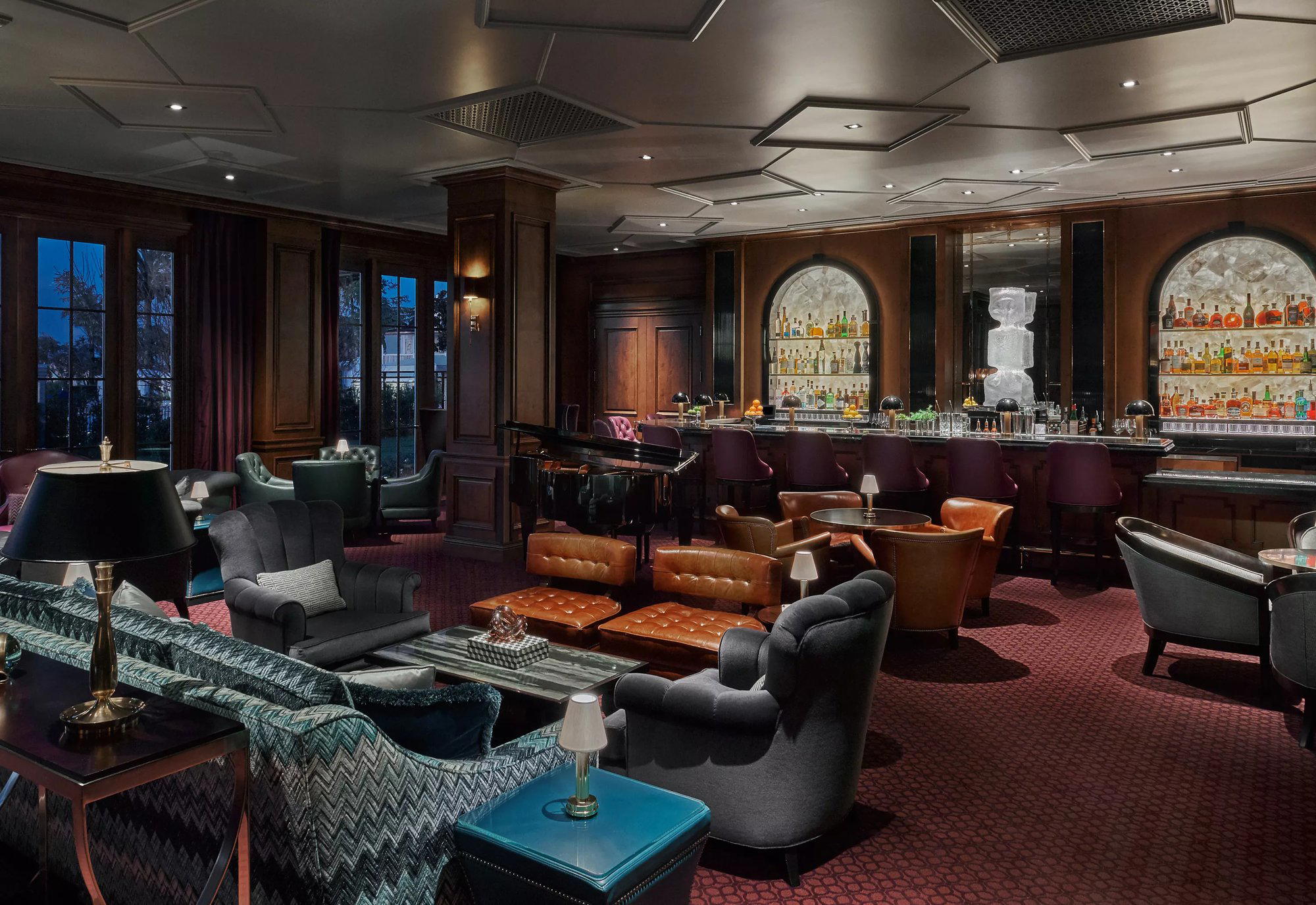
Bars in Montecito
Browse all →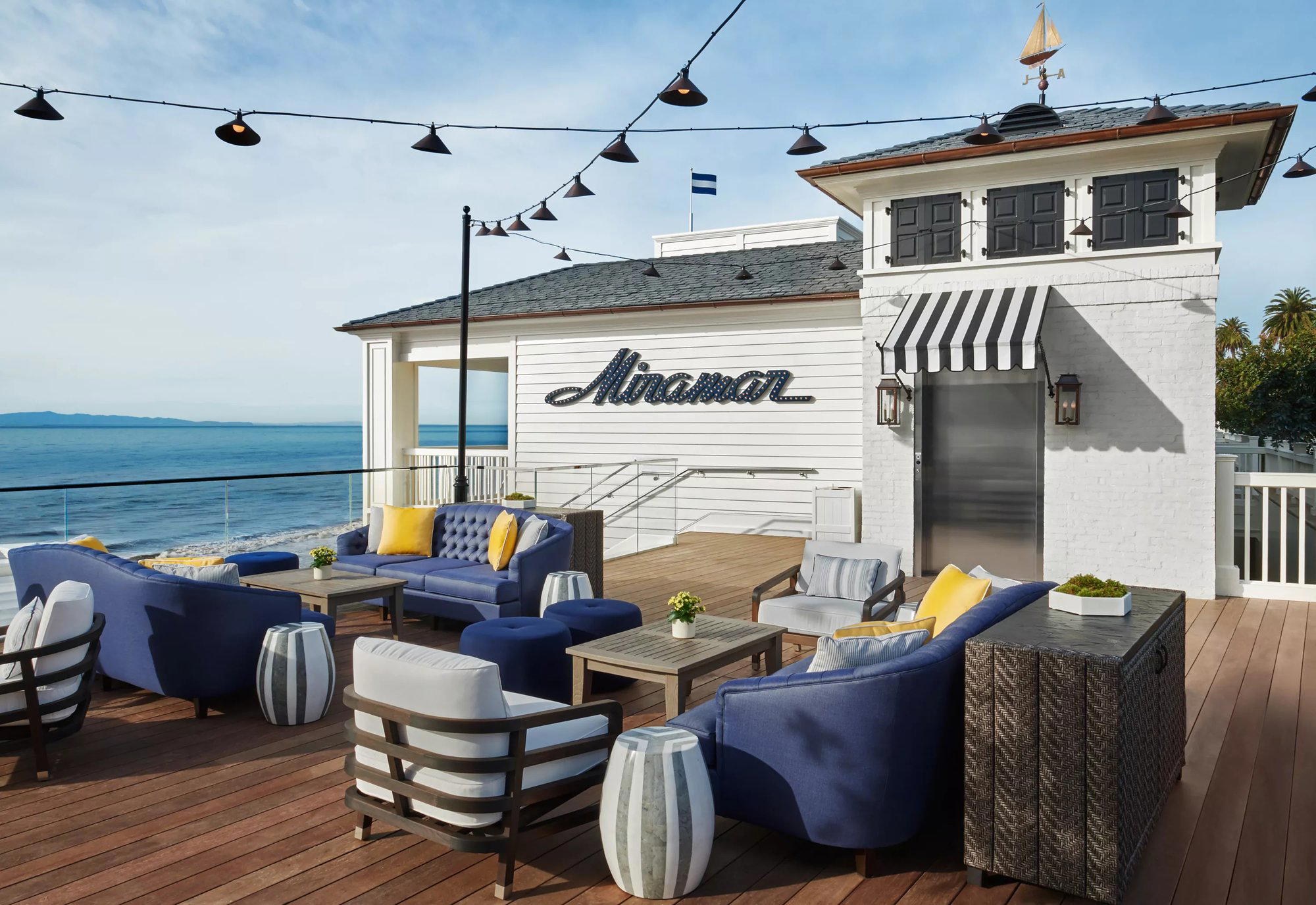
At a Glance
- Scenic
- Elegant
- Well Known
- Sophisticated
- Date Night
- Business Dinner
- Group Dining
- Celebration
- Special Occasion
- Private Event
- Waterfront
- Historic Building
- Design Destination
- Hotel Restaurant
- Terrace
- Panoramic View
- Extensive Wine List
- Craft Cocktails
- Waterfront
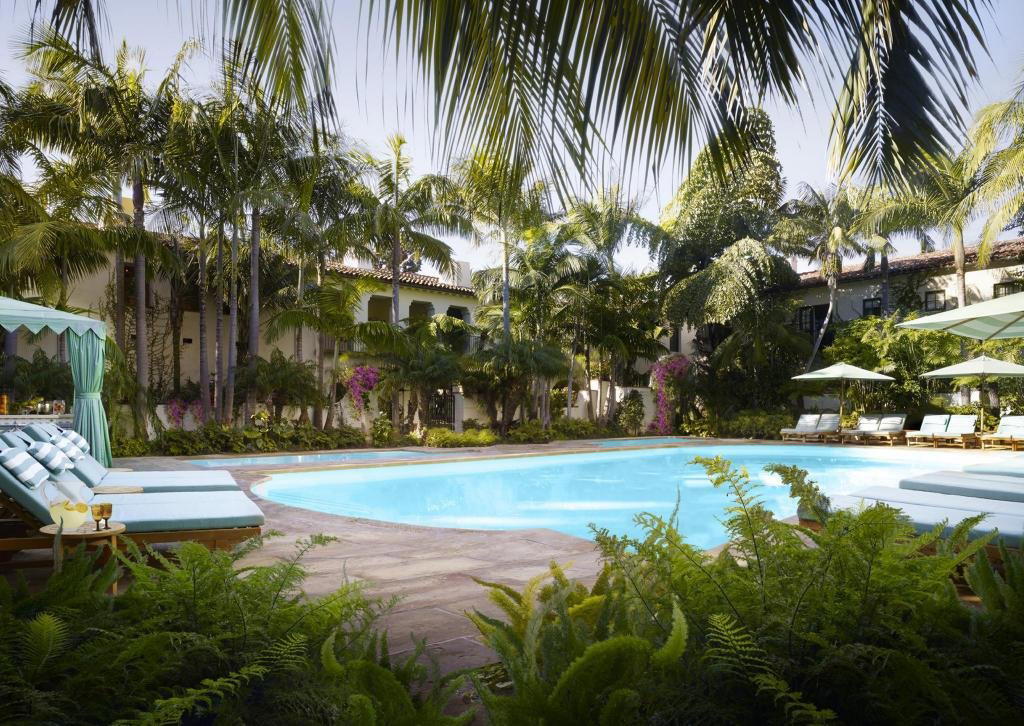
Upscale yet relaxed beach-club atmosphere that blends the Coral Casino’s historic, members-club elegance with a modern coastal feel, featuring refined service and oceanfront dining just above Butterfly Beach.