Copper Club
Located in the heart of Chicago's Loop at 70 W Madison St, Copper Club occupies a space where the city's financial district meets its dining scene.
Pearl is the En Primeur Club membership app — saves, bookings, and concierge access live there. Same editors, same standards.
- Address
- 70 W Madison St, Chicago, IL 60602
- Phone
- +13122651867
- Website
- copperclubchicago.com
- Directions
- Get directions
 Saves & bookings on Pearl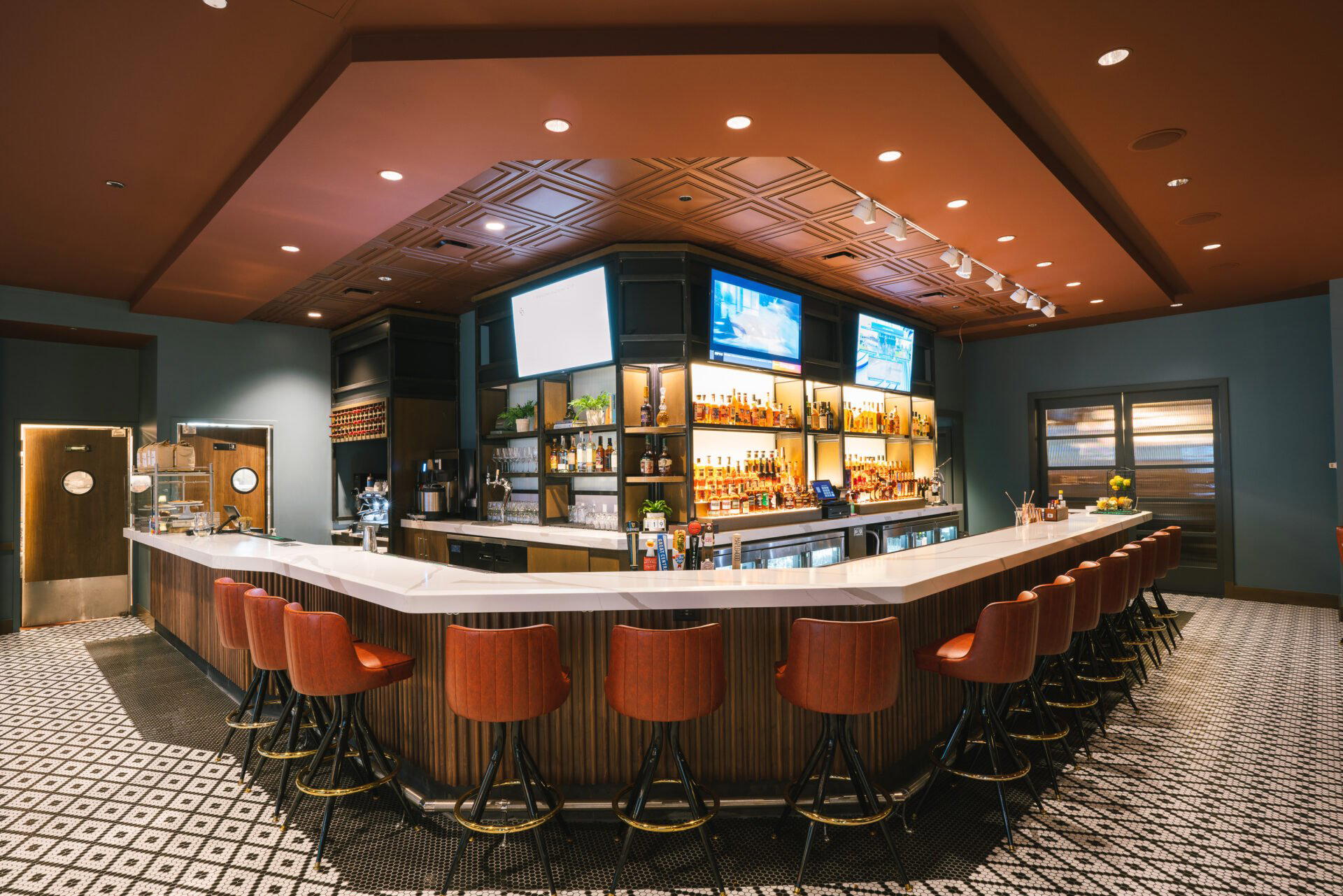
The Loop After Dark: Where Chicago's Financial District Tests Its Ambitions
The section of Madison Street running through Chicago's Loop has changed considerably over the past two decades. What was once a district that emptied at 6 p.m. as office workers headed for the 'L' has slowly accumulated a dinner trade, driven partly by hotel development and partly by operators willing to bet that downtown Chicago could sustain the kind of evening energy that rivals the West Loop or River North. Copper Club is an American Brasserie at 70 W Madison St in Chicago, priced at a moderate level.
The Loop's dining evolution is worth understanding on its own terms before zooming in on any single address. Chicago's most-discussed restaurant openings over the past decade have clustered west of the river, where Smyth, Oriole, and Kasama operate within a few blocks of each other and where the concentration of serious kitchens gives that corridor a recognisable culinary identity. The Loop proper has historically played a different role: corporate lunch, pre-theatre, hotel dining. The question any new address on Madison Street has to answer is whether it is shaping a new identity for the district or servicing the existing one.
Reinvention as a Downtown Strategy
Across American cities, the pattern of downtown dining reinvention follows a recognisable arc. A neighbourhood defined by weekday commerce attracts a first wave of operators chasing lunch covers, then a second wave that attempts dinner and weekend programming, and eventually a third wave that stops apologising for the zip code and competes directly with the city's established dining corridors. Alinea has never needed to make that argument because Lincoln Park sits outside the downtown logic entirely, but places in the Loop increasingly do. The evolution question for any venue at this address is where it sits in that arc, and whether it has moved beyond the phase of simply being convenient.
The broader American context is instructive. In cities from New York to San Francisco, credible downtown dining rooms have typically done one of two things: anchored themselves to a specific culinary tradition deep enough to draw destination diners, or built a programme flexible enough to serve the lunch-to-late-night continuum without feeling like they are doing three different jobs badly. Le Bernardin in New York City is the canonical example of the first strategy; its Midtown address is incidental to its identity. Lazy Bear in San Francisco took a different route, building a format so specific that the neighbourhood becomes background noise.
The Competitive Tier on Madison Street
For the purposes of benchmarking, the relevant comparable set for a Loop-area venue is not Next Restaurant or the tasting-menu houses that define Chicago's upper tier nationally, but rather the mid-to-upper bracket of hotel-adjacent and office-district restaurants that compete for the same covers. That tier is more crowded than it looks from the outside. The same diner who once defaulted to a steakhouse near Michigan Avenue now has more options, and the venues that have survived the past several years of downtown flux are generally those that gave regulars a reason to return beyond proximity.
Comparable positions in other American cities give a sense of what success looks like in this niche. Emeril's in New Orleans built a durable downtown identity over decades. Addison in San Diego operates in a similar corporate-adjacent geography while punching into a higher critical tier. Frasca Food and Wine in Boulder demonstrates that a specific culinary commitment can anchor a venue regardless of its neighbourhood's ambient energy. The through-line is conviction: the venues that transcend their zip codes tend to have a clear answer to the question of what they are actually for.
What the Address Implies
Seventy West Madison sits within walking distance of the Chicago Cultural Center, Millennium Park, and the cluster of hotels that line the northern edge of the Loop. That geography creates a particular kind of diner mix: hotel guests with no strong local knowledge, office workers with standing lunch routines, and a smaller cohort of destination diners who treat the Loop as accessible rather than undesirable. The address is well-served by the CTA Blue and Red lines, and the proximity to multiple parking structures makes it viable for diners coming from the North Shore or the western suburbs for a pre-theatre or pre-event meal.
That foot-traffic profile is both an asset and a constraint. It funds the operation but can blur the identity, pulling a kitchen toward crowd-pleasing versatility rather than point-of-view specificity. The venues nationally that have escaped this trap, from The French Laundry in Napa to The Inn at Little Washington, did so by committing hard to a single register.
Chicago in a National Frame
Chicago's dining scene occupies a specific position in the American hierarchy: more technically ambitious than most second-tier cities, more neighbourhood-rooted than New York, and historically more willing to reward long-running independent restaurants than the coasts. Blue Hill at Stone Barns and Single Thread Farm in Healdsburg represent the farm-to-table commitment that has also produced strong Chicago expressions; Providence in Los Angeles and Atomix in New York City reflect the tasting-menu rigour that Chicago practitioners like Smyth and Oriole can match. The international frame extends further still, to houses like Atelier Moessmer Norbert Niederkofler in Brunico, where regional identity is the entire argument. Chicago's Loop, in that context, is a district in the middle of figuring out its own argument.
Planning a Visit
| Venue | Neighbourhood | Format | Price Tier | Booking Lead |
|---|---|---|---|---|
| Copper Club | Loop | To be confirmed | To be confirmed | To be confirmed |
| Smyth | West Loop | Progressive American, Contemporary | $$$$ | Several weeks |
| Alinea | Lincoln Park | Progressive American, Creative | $$$$ | Months in advance |
| Next Restaurant | Fulton Market | American Cuisine | $$$$ | Weeks in advance |
| Kasama | Ukrainian Village | Filipino | $$$$ | Weeks in advance |
Reputation Context
Comparable venues nearby, for context on price, style, and recognition.
| Venue | Cuisine | Price | Notes |
|---|---|---|---|
| Copper ClubThis venue — the venue you are viewing | American Brasserie | $$ | Not listed |
| Halloween Town | American-Italian Pop-Up with Halloween Themes | $$ | River North |
| Doc B's Restaurant (River North) | Contemporary American Comfort Food | $$ | River North |
| Tempo Cafe | Classic American Diner | $$ | Gold Coast |
| Carson's The Place for Ribs | Classic Chicago BBQ Ribs and Prime Steaks | $$ | Streeterville |
| The Warbler | Modern American with Asian and Mediterranean influences | $$ | Lincoln Square |
At a Glance
- Cozy
- Warm
- Classic
- Business Dinner
- After Work
- Casual Hangout
- Hotel Restaurant
- Craft Cocktails
Current opening hours
- Monday
- 11 AM–8 PM
- Tuesday
- 11 AM–8:30 PM
- Wednesday
- 11 AM–8:30 PM
- Thursday
- 11 AM–8:30 PM
- Friday
- 11 AM–8:30 PM
- Saturday
- Closed
- Sunday
- Closed
Hours can change for holidays and private events. Last verified .
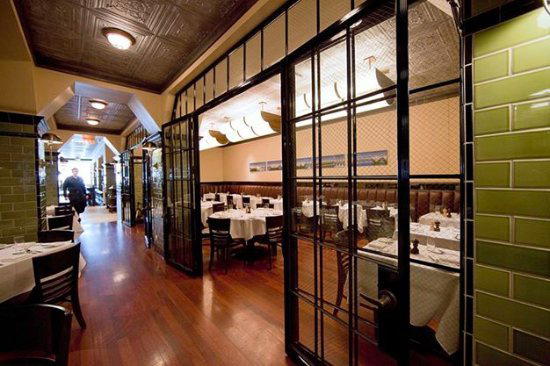
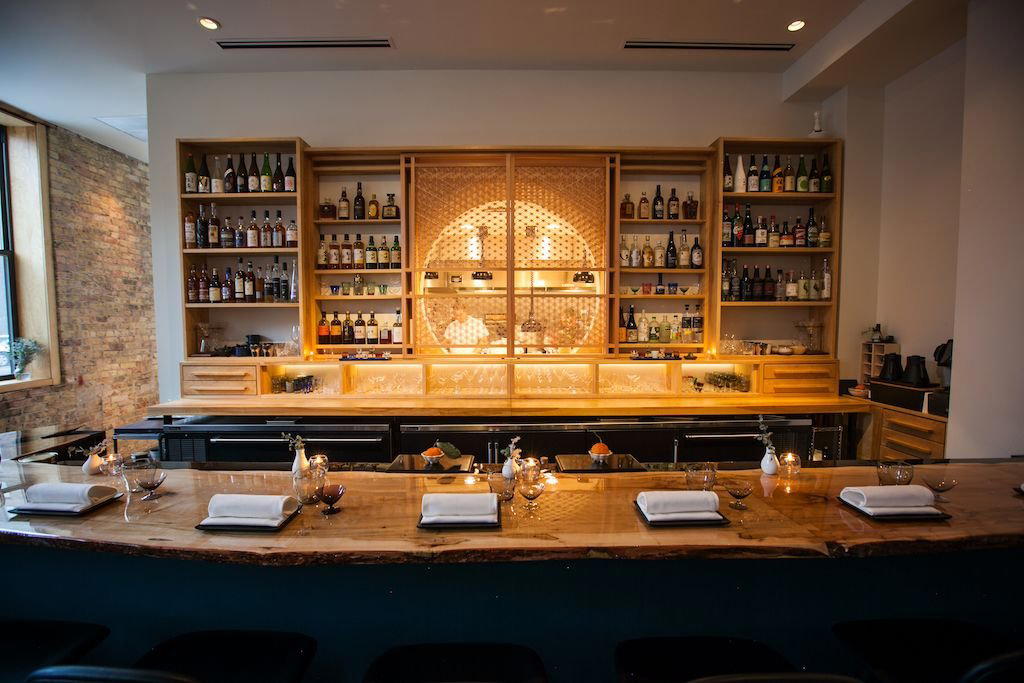
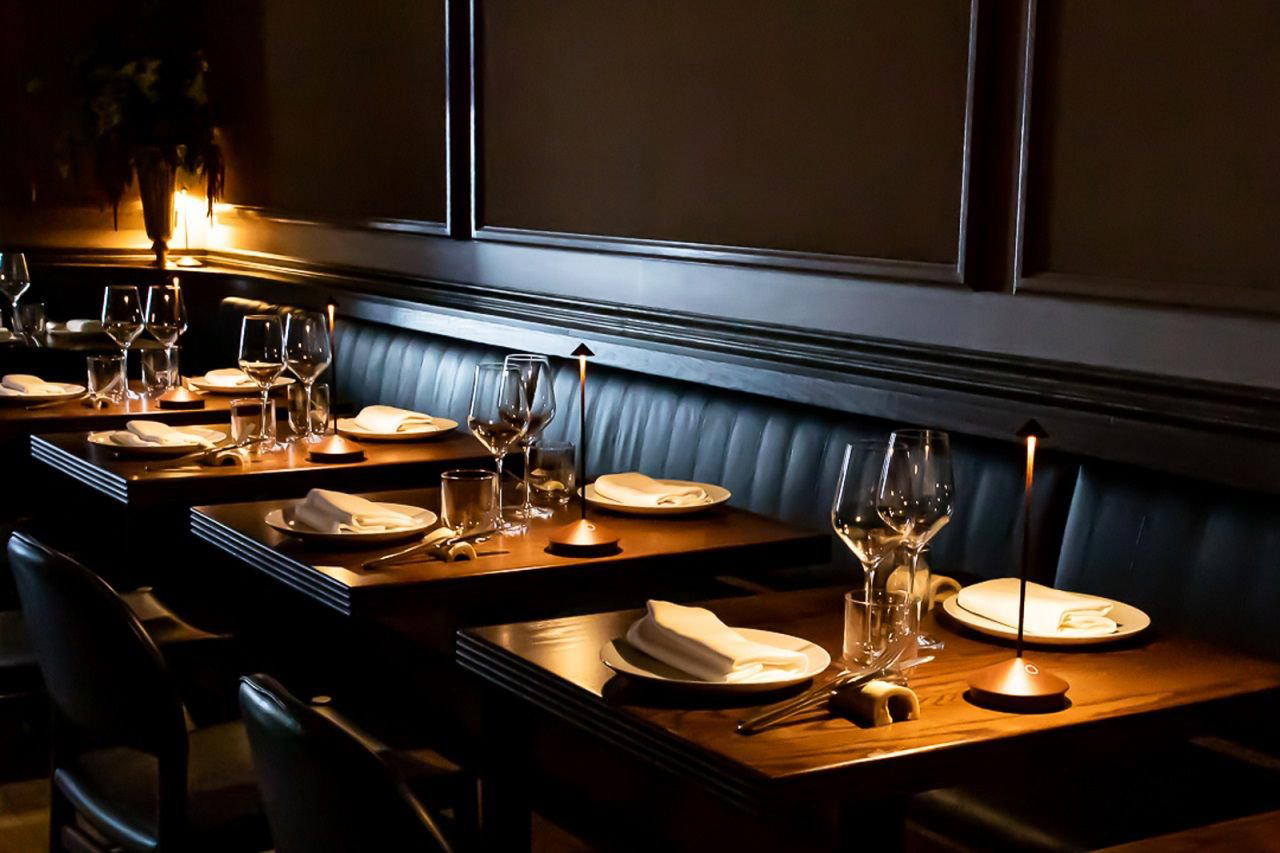
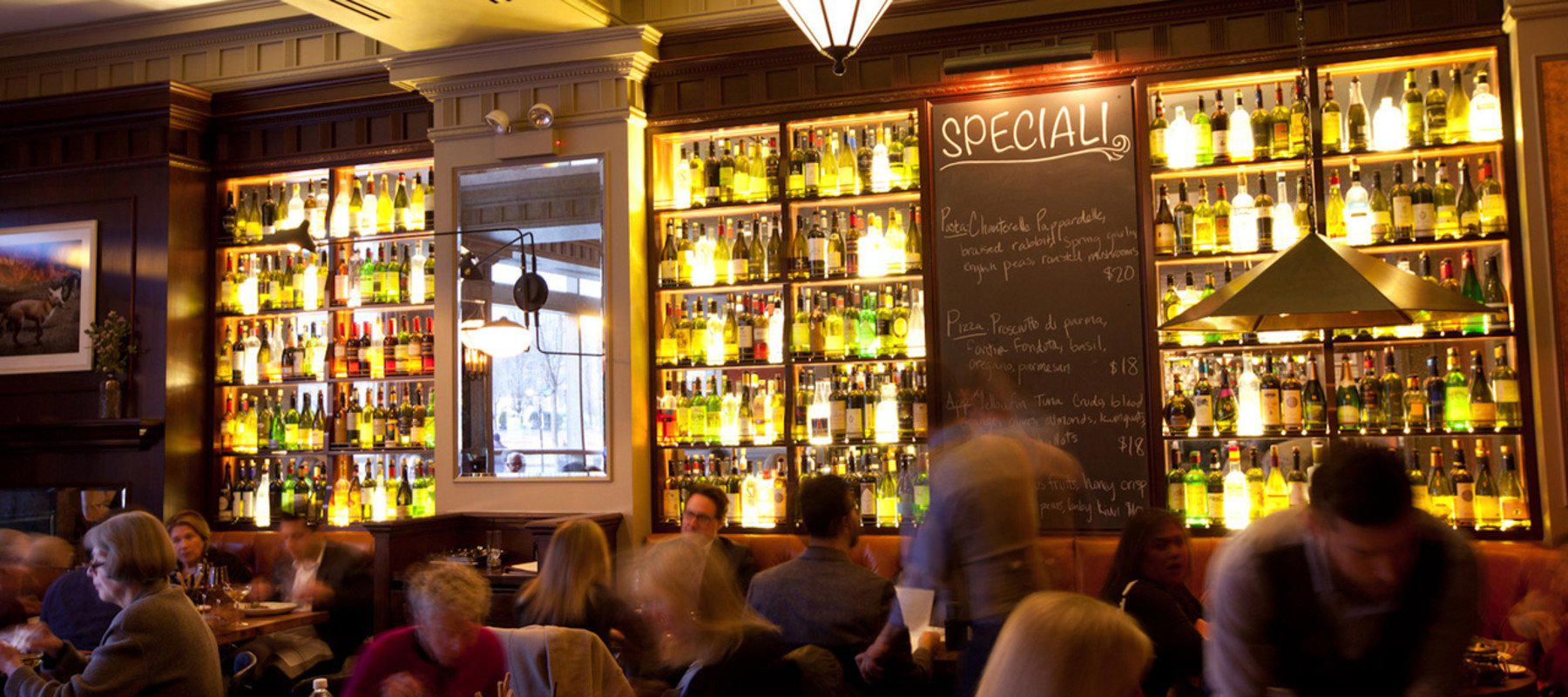
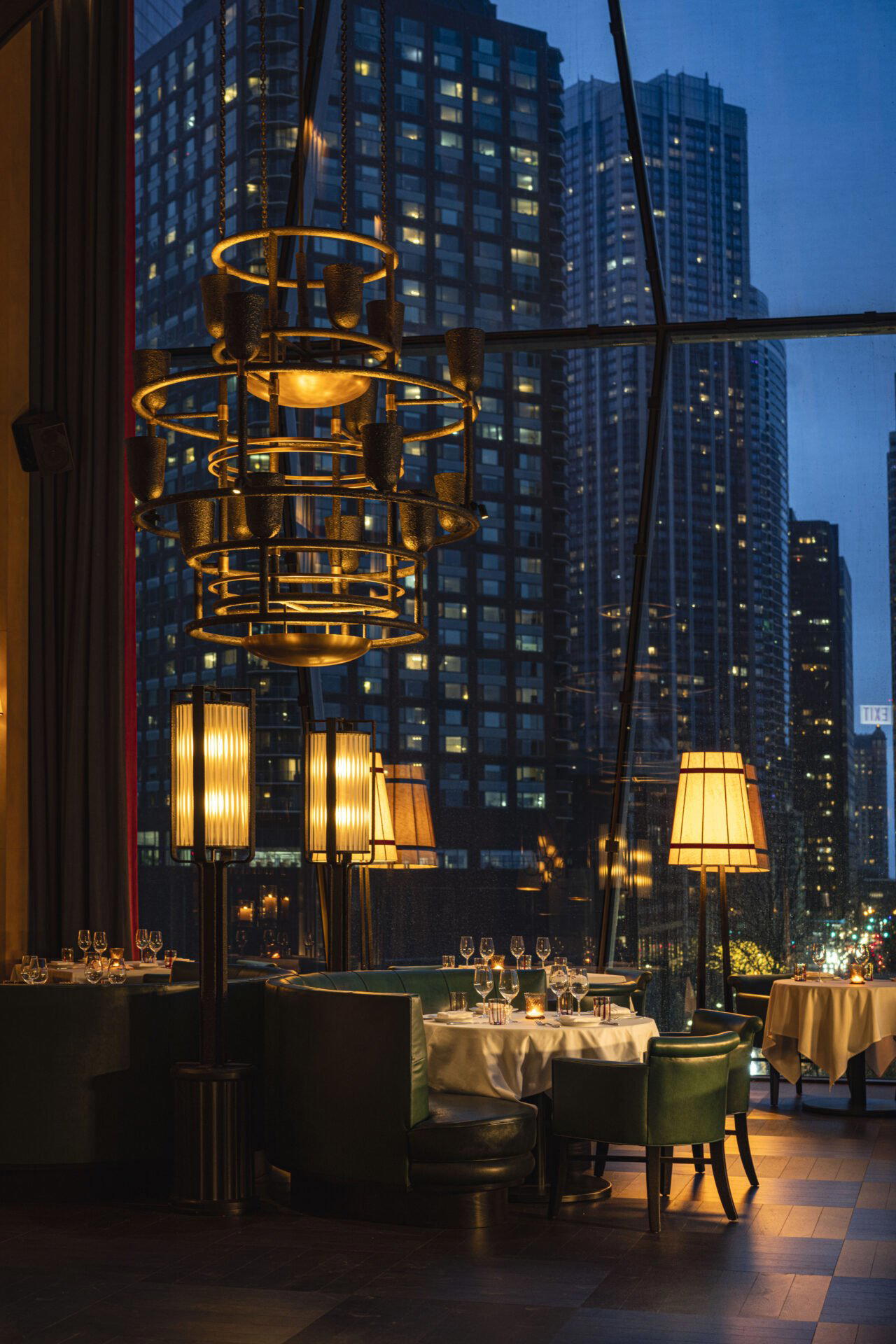
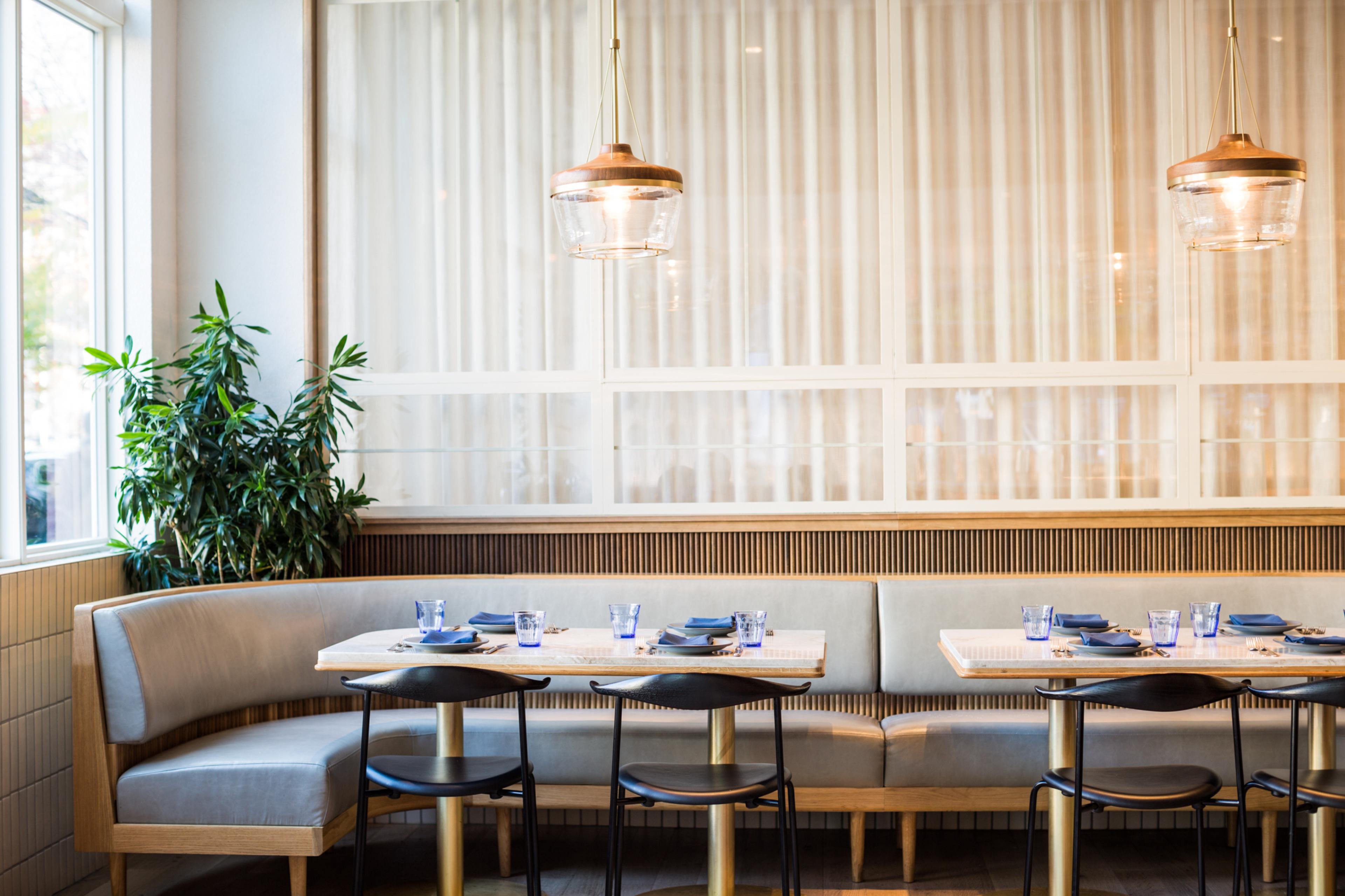
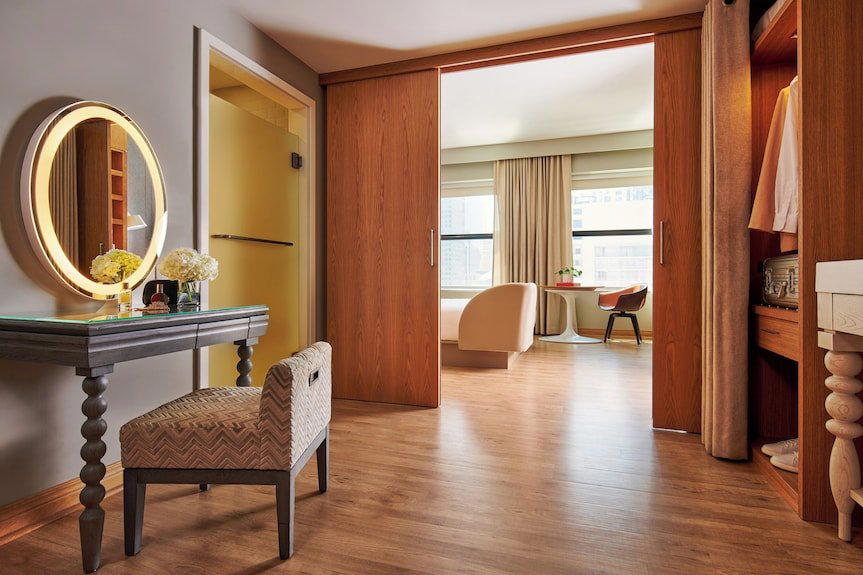
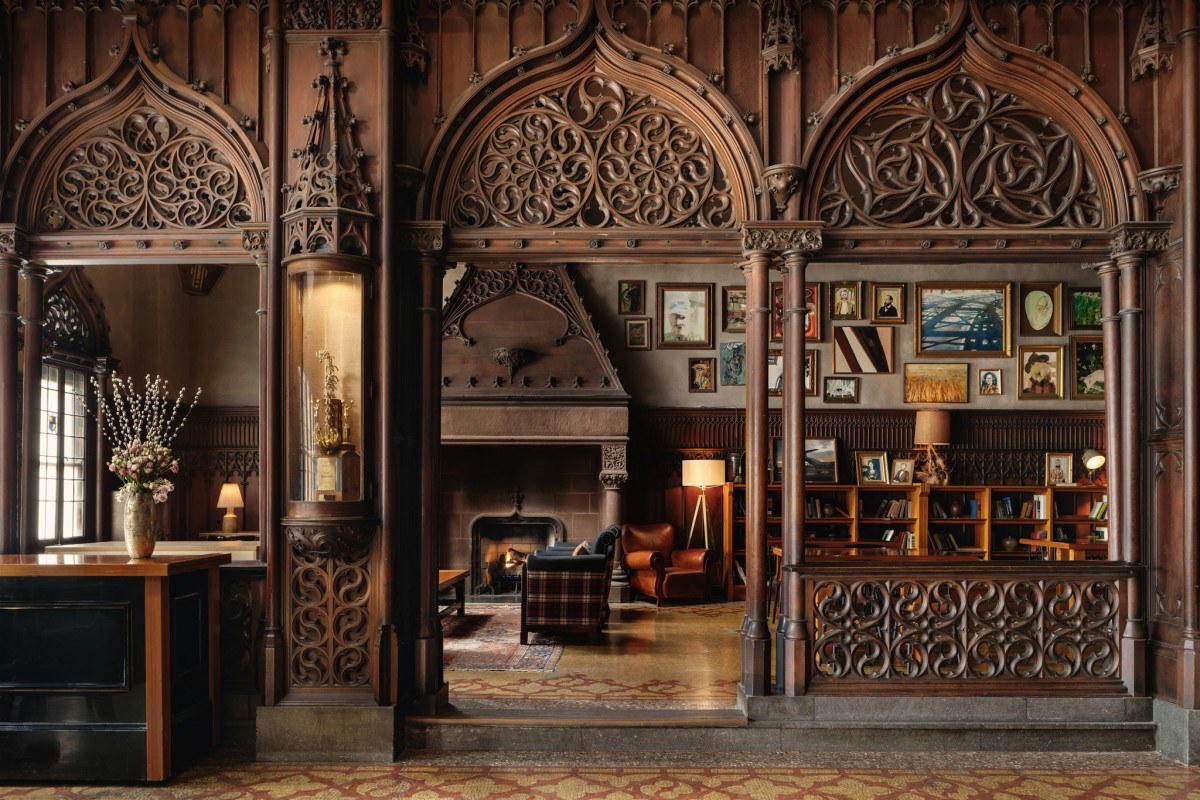
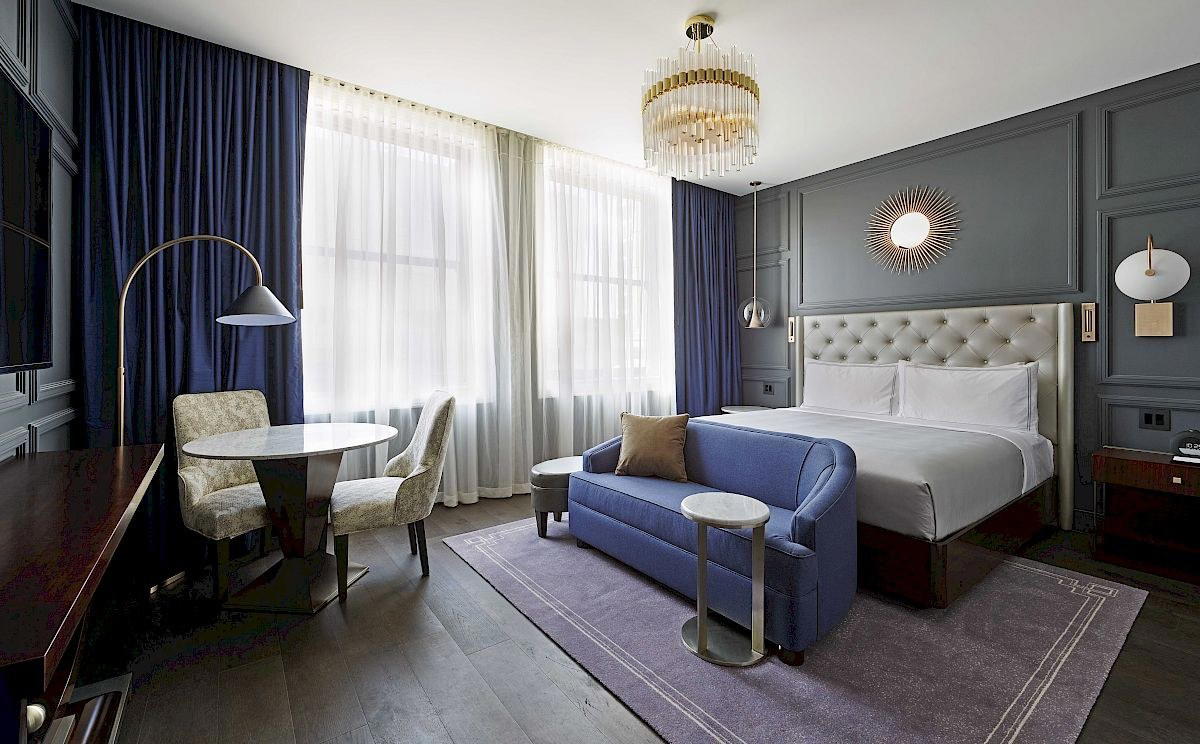
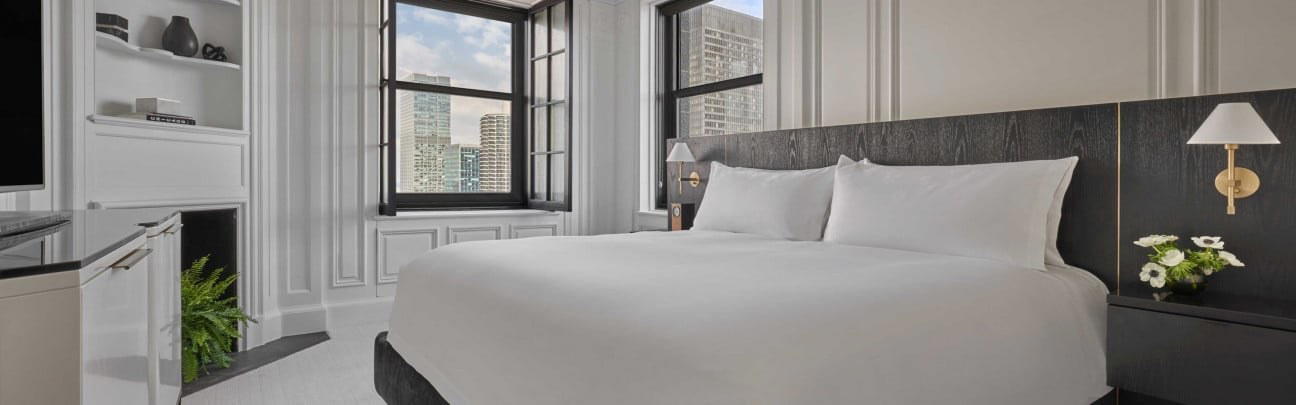
Warm inviting space with moderate noise levels.