At Krugerstraße 1 in Vienna's First District, Zum Kaiser sits within one of the city's most historically layered dining corridors, where Habsburg-era addresses still carry gravitational weight. The restaurant represents a strand of Viennese dining that has had to define itself repeatedly against the city's shifting appetite for tradition versus invention. For visitors reading the city through its restaurants, it belongs on the itinerary alongside the broader First District scene.
Pearl is the En Primeur Club membership app — saves, bookings, and concierge access live there. Same editors, same standards.
- Address
- Krugerstraße 1, 1010 Wien, Austria
- Phone
- +434315333160
- Website
- zum-kaiser.at
- Directions
- Get directions
 Saves & bookings on Pearl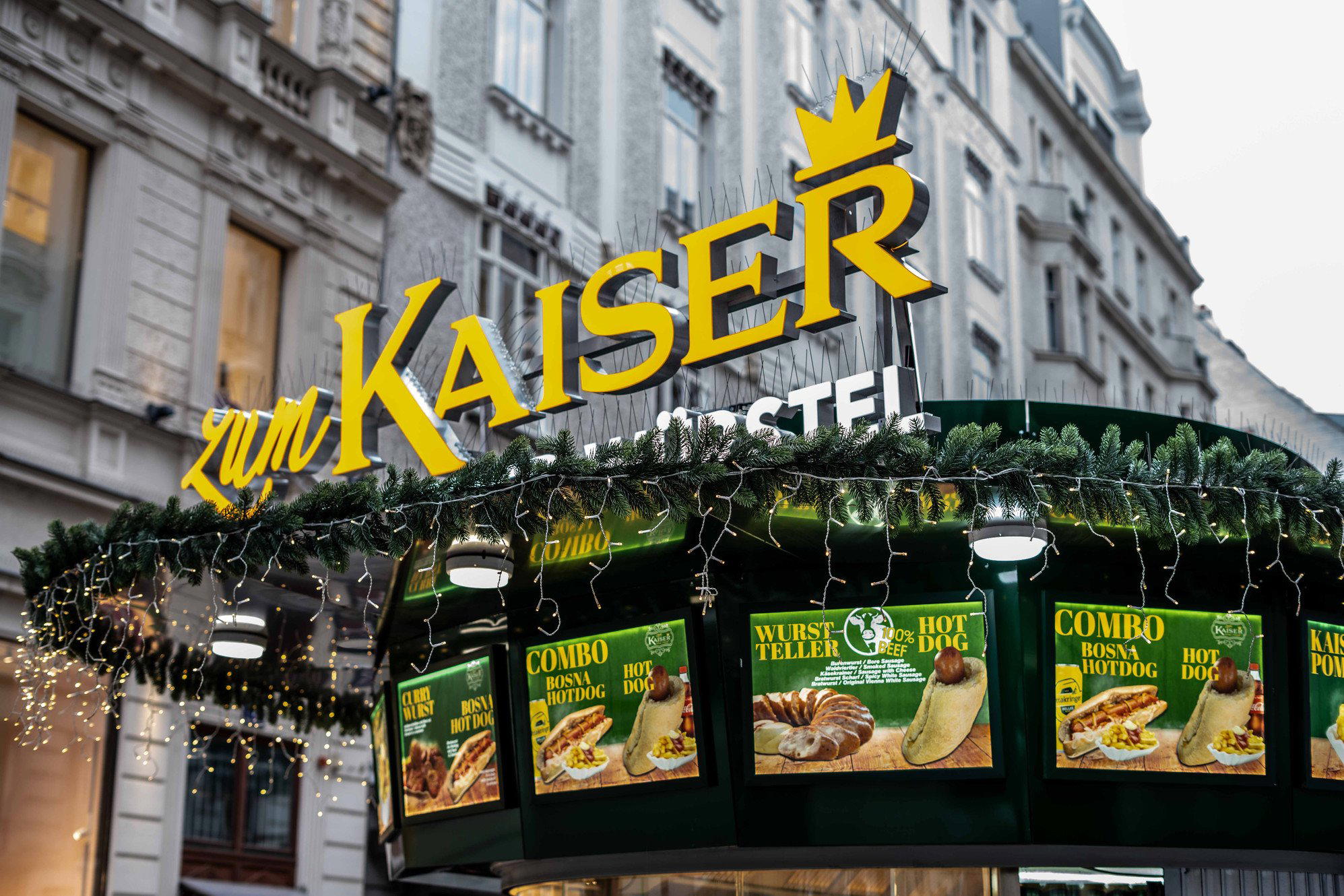
A First District Address and What It Has Meant Over Time
Vienna's First District has never been a neutral setting for a restaurant. Krugerstraße, where Zum Kaiser sits at number 1, runs through a neighbourhood shaped by centuries of imperial adjacency: the Staatsoper two minutes on foot, the Albertina barely further. Restaurants that have occupied this corridor across different eras have always had to answer the same question, are they serving the neighbourhood's history or its present? The answer, for most, has shifted more than once.
The evolution of dining in this part of Vienna mirrors a tension that runs through the city's food culture more broadly. For much of the twentieth century, the First District's restaurants defined themselves through continuity: traditional Viennese cooking, grand room formats, and a service register inherited from the imperial hotel tradition. Then, from roughly the early 2000s onward, a generation of kitchens began pulling in the opposite direction. Places like Steirereck im Stadtpark and, later, Konstantin Filippou and Amador staked Vienna's fine-dining credibility on invention, technique, and a deliberate break from Viennese culinary nostalgia. That shift created a gap in the market, and a question about where restaurants committed to something more classically rooted would position themselves.
The Shape of Vienna's Current Dining Scene
Understanding Zum Kaiser in 2024 requires mapping the tier it occupies. Vienna's leading creative tier now runs through addresses like Mraz & Sohn and Doubek, both of which are working from a premise of forward motion. At those tables, Austrian ingredients appear in formats that deliberately unsettle expectation. The Michelin-recognised end of the Vienna spectrum, which also includes Konstantin Filippou, prices at the €€€€ tier and competes on the same terms as comparably credentialed rooms in Copenhagen or Tokyo.
Zum Kaiser occupies a different register. For a restaurant at a First District address, the competitive reference points are not primarily the creative tasting-menu rooms; they are the other historically grounded establishments in the inner city that have had to decide, repeatedly, how much to change. That decision is not cosmetic. In a city where Viennese cooking carries genuine cultural weight, the choice of what to retain and what to retire is an editorial act, whether or not the kitchen frames it that way.
Across Austria more broadly, particularly decorated fine-dining rooms are concentrated outside the capital: Döllerer in Golling an der Salzach, Obauer in Werfen, and Ikarus in Salzburg command significant critical attention from the Salzburg and Tyrolean dining circuits. In the alpine west, rooms such as Griggeler Stuba in Lech, Gourmetrestaurant Tannenhof in Sankt Anton am Arlberg, and Schwarzer Adler in Hall in Tirol have built reputations partly by being the leading room within a large mountain catchment. Vienna's inner-city restaurants compete differently, against density and visitor volume rather than geographic isolation. The restaurant's Krugerstraße location gives it high foot-traffic adjacency but also places it in one of the city's most scrutinised dining corridors.
Reinvention as a Dining Category
Restaurants at historically laden addresses face a specific kind of pressure that newer openings do not. When a room has operated for years under an identity tied to a particular era of Viennese dining, any change reads as a statement, even if the kitchen frames it as incremental. The current wave of Viennese dining interest, driven partly by international food media attention and partly by the city's growing pull as a short-break destination for northern European travellers, has created an audience that arrives with expectations shaped by both ends of the spectrum: some readers want the creative tasting menu, others are specifically seeking the kind of cooking that creative fine dining has spent a decade moving away from.
Restaurants in other cities that have navigated comparable pivots offer a useful frame. At the international end, rooms like Le Bernardin in New York City have maintained a consistent identity across decades by making precision and product quality the stable variable, allowing everything else to evolve around it. At the more experimental end, places like Atomix in New York City represent the opposite model: format and concept as the primary identity, executed with technical rigour. The restaurant's position in that spectrum, historically rooted but operating in a city with a live creative dining scene, makes it a useful case study in how First District restaurants sustain relevance without abandoning the register that gives them their particular reason to exist.
Further afield, the Austrian dining map extends to rooms with a different relationship to their settings: Landhaus Bacher in Mautern an der Donau in the Wachau, Kräuterreich by Vitus Winkler in Sankt Veit im Pongau, Ois in Neufelden, and Restaurant 141 by Joachim Jaud in Mieming each represent a strand of Austrian dining that is rooted in a specific geography in ways that urban rooms cannot replicate.
Recognition, Side-by-Side
Comparable venues nearby, for context on price, style, and recognition.
| Venue | Cuisine | Price | Notes |
|---|---|---|---|
| Zum KaiserThis venue — the venue you are viewing | Traditional Viennese | $$ | Not listed |
| die Feinkosterei Neuer Markt | Austrian Tapas | $$ | Innere Stadt |
| Zum Roten Bären | Traditional Austrian Wirtshaus | $$ | Inner City |
| Am Nordpol 3 | Authentic Bohemian-Viennese | $$ | Brigittenau |
| DIE PFERDEFLEISCHEREI Gumprecht Filiale Friedensbrücke | Austrian Horse Meat Butchery | $$ | Franz Josefs Bahnhof |
| Sopherl am Naschmarkt | Modern Viennese | $$ | Wieden |
Continue exploring
More in Vienna
Restaurants in Vienna
Browse all →
Bars in Vienna
Browse all →
Hotels in Vienna
Browse all →
At a Glance
- Classic
- Rustic
- Well Known
- Cozy
- Family
- Casual Hangout
- Group Dining
- Garden
- Terrace
- Panoramic View
- Historic Building
- Garden
Current opening hours
- Monday
- 10 AM–2 AM
- Tuesday
- 10 AM–2 AM
- Wednesday
- 10 AM–2 AM
- Thursday
- 10 AM–2 AM
- Friday
- 10 AM–3 AM
- Saturday
- 10 AM–3 AM
- Sunday
- 10 AM–12 AM
Hours can change for holidays and private events. Last verified .
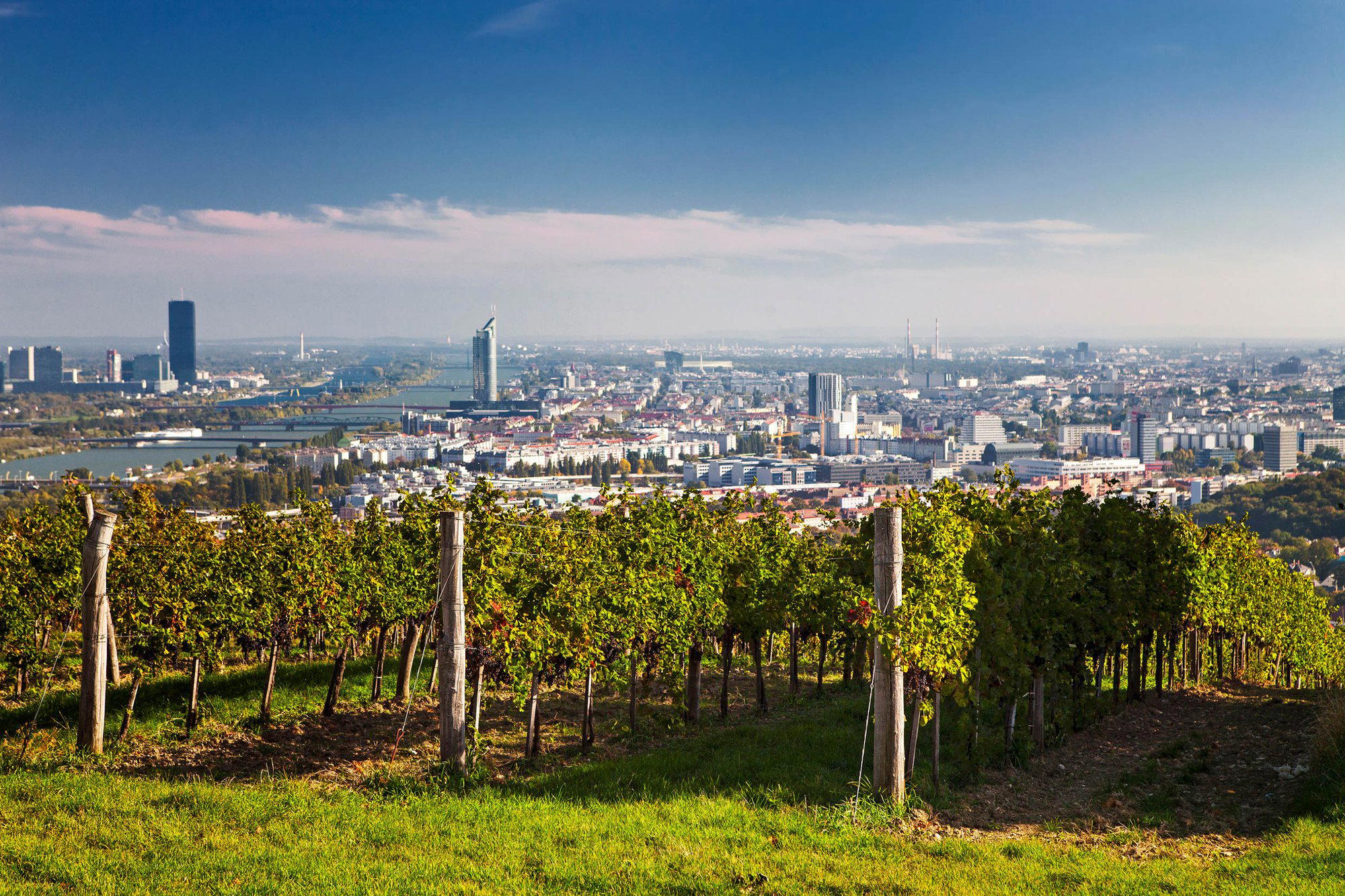
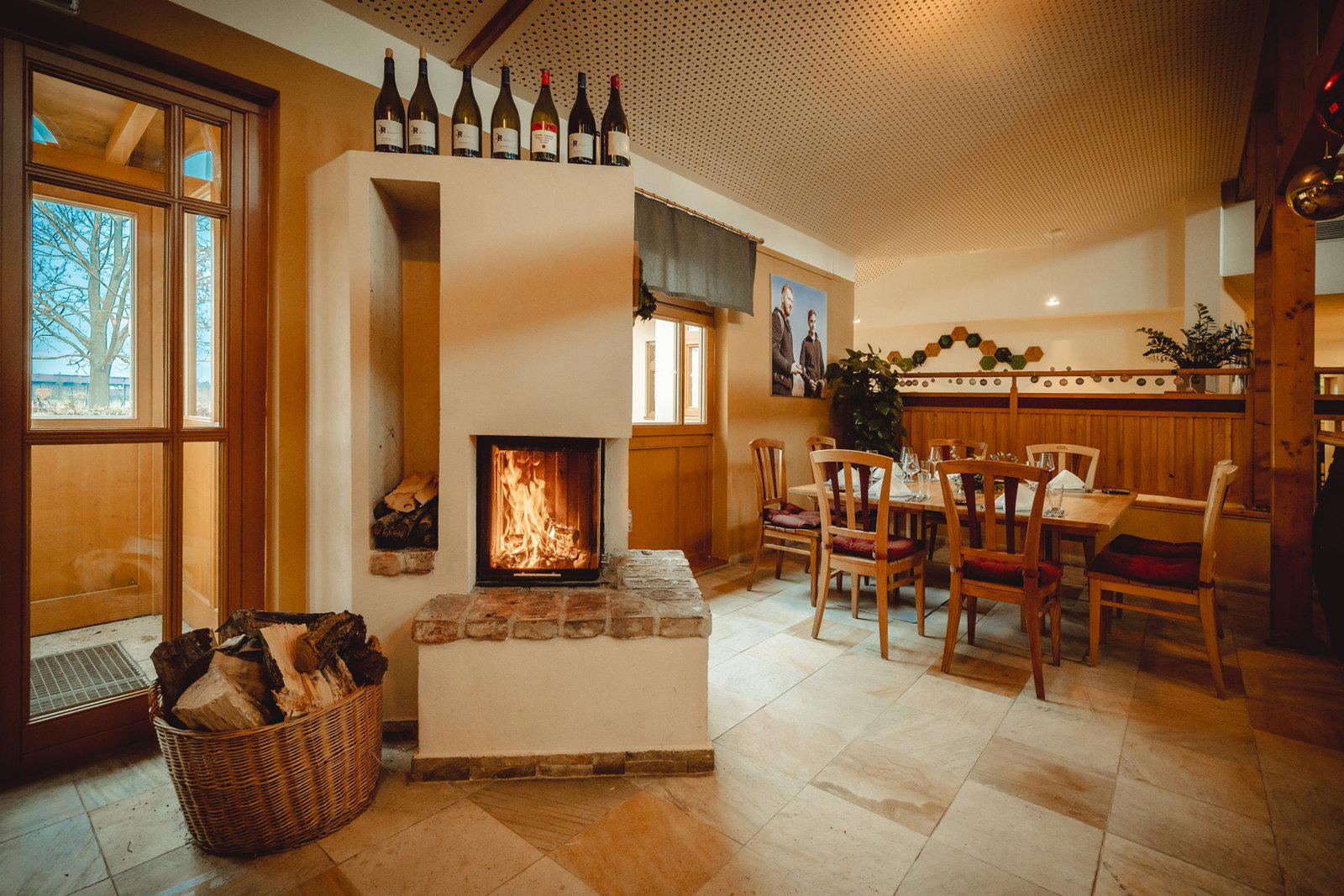
Charming original Viennese inn with a beautiful guest garden offering far-reaching views of the well-known Ferris wheel; warm, welcoming atmosphere suitable for families and tourists.