Zum Goldenen Kalb occupies a corner address in Munich's Gärtnerplatzviertel, a neighbourhood where traditional Bavarian eating houses and contemporary dining rooms exist within the same few blocks. The restaurant draws regulars seeking a menu rooted in the region's produce-led cooking traditions, making it a reference point for understanding how Munich balances its appetite for classical German cuisine with a changing dining culture.
Pearl is the En Primeur Club membership app — saves, bookings, and concierge access live there. Same editors, same standards.
- Address
- Utzschneiderstraße 1, 80469 München, Germany
- Phone
- +498923542290
- Website
- zumgoldenenkalb.de
- Directions
- Get directions
 Saves & bookings on Pearl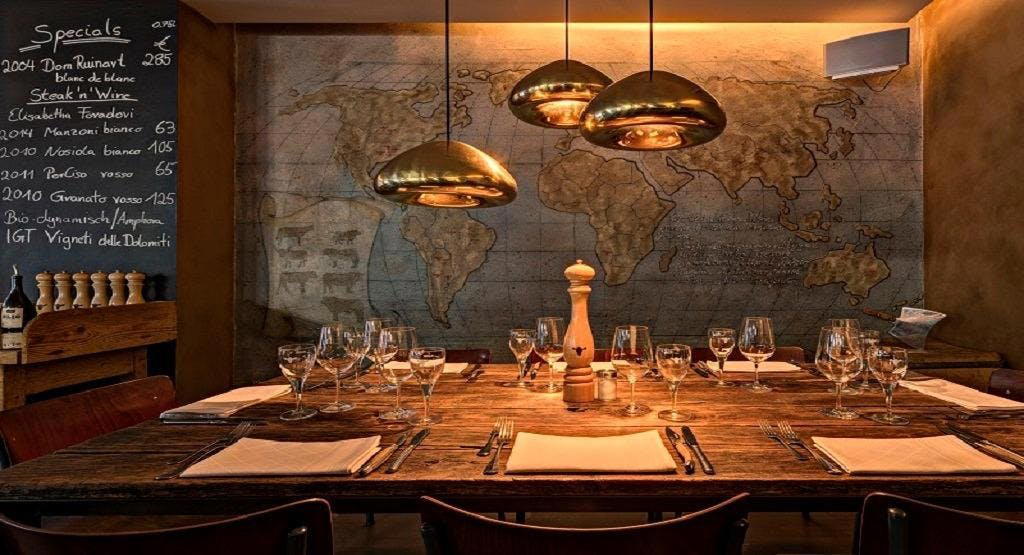
A Gärtnerplatzviertel Address and What It Signals
Zum Goldenen Kalb is a Premium Dry-Aged Steakhouse at Utzschneiderstraße 1, 80469 München, Germany. The streets around the circular Gärtnerplatz square hold a higher density of independently owned restaurants, bars, and wine-forward eating rooms than most other central Munich neighbourhoods, and the mix tilts toward operators who know their regulars by name rather than by table number. Utzschneiderstraße, where Zum Goldenen Kalb sits at number one, runs between this cultural quarter and the older merchant streets of the Isarvorstadt, placing it in exactly the kind of transitional block where a restaurant can draw from both the neighbourhood crowd and visitors moving between the Deutsches Museum and the inner city. In a city where the dining conversation often gravitates toward the Michelin-holding tables at Tantris or Atelier, a room like this one occupies a different but equally deliberate position in the broader ecosystem.
How the Menu Architecture Works
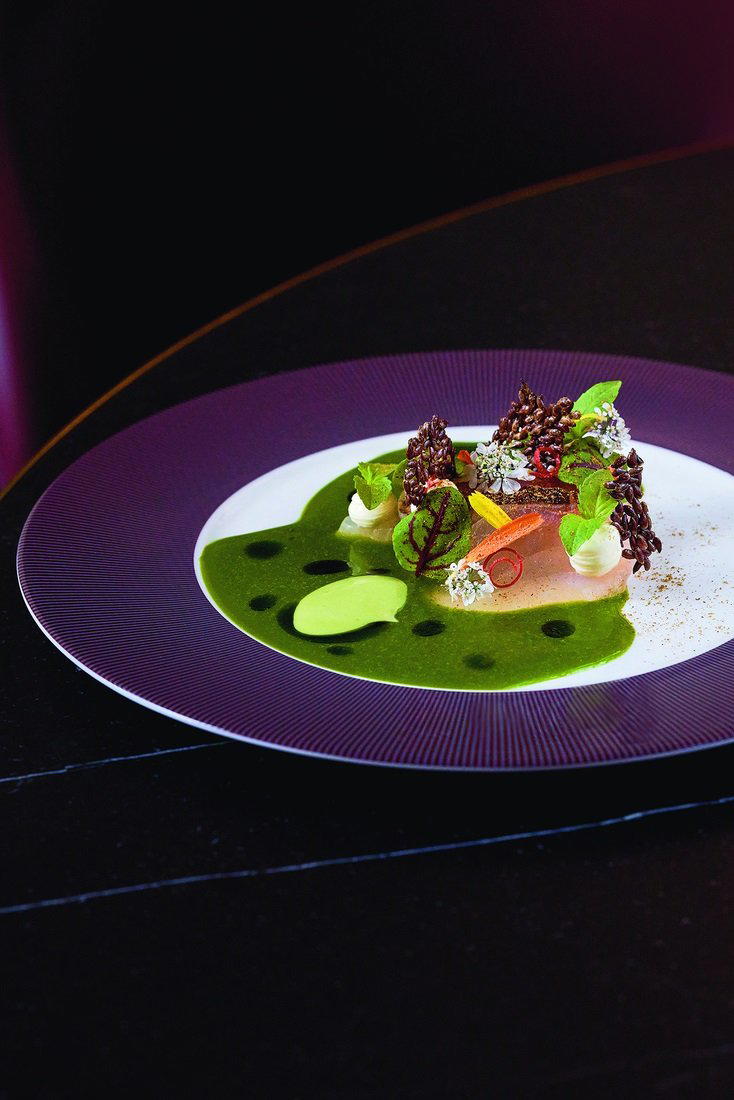
The name itself is a reliable signal. "Zum Goldenen Kalb", at the Golden Calf, is a phrase with deep roots in German-language culture, carrying connotations of tradition, ceremony, and a certain knowing irony about the rituals of gathering around a table. That framing tends to show up in the menu's construction: restaurants trading under this kind of name in Munich's mid-century and contemporary history have generally leaned into the logic of the German kitchen, where the architecture of a meal moves through clear stages, each course occupying a defined role rather than collapsing into a single grazing format.
German menu architecture at this level operates differently from the omakase-style progression favoured at counters like Tohru in der Schreiberei or the tightly sequenced creativity of Alois at Dallmayr. Where those rooms build menus as arguments, each dish commenting on the last, the classical German format treats the menu as a contract with clear terms: you know what you are ordering, the portions are honest, and the kitchen's job is execution rather than narration. That distinction matters for how you approach the meal. Readers who arrive expecting the chef-driven reveal structure of a fine-dining tasting menu may find the directness of a classical German card refreshing rather than limiting.
Across German dining more broadly, one persistent tension in this category sits between restaurants that have updated the classical card to reflect current sourcing ethics and seasonal availability, and those that treat the menu as a fixed document. The better examples in Munich's mid-range and upper-mid-range tier have resolved this by building menus around a rotating core: anchor dishes that define the kitchen's identity, surrounded by a smaller number of market-driven additions that give regulars a reason to return month after month.
Where It Sits in the Munich Dining Picture
Munich's restaurant culture has always had a complex relationship with its own identity. The city is simultaneously the home of some of Germany's most technically accomplished fine dining (rooms like JAN sit in a different competitive tier entirely) and the place where a veal schnitzel served correctly still carries genuine cultural authority. The restaurants that navigate both without apology tend to be the ones with the loyal local following, because they understand that the Munich diner is not looking for a performance of sophistication but for cooking that takes its own ingredients seriously.
Across Germany, the restaurants generating durable critical interest are increasingly those that hold a clear position rather than trying to split the difference between tradition and innovation. Schwarzwaldstube in Baiersbronn and Vendôme in Bergisch Gladbach represent the country's highest formal tier. Closer to the Bavarian register, ES:SENZ in Grassau shows what happens when alpine produce meets structured technique. The restaurant plays in a different key from all of these, but the same underlying question applies: does the kitchen have a point of view, and does the menu reflect it with enough consistency that a second visit reveals something the first did not?
For readers planning a broader Germany itinerary, the comparison set extends further: Aqua in Wolfsburg, Waldhotel Sonnora in Dreis, Victor's Fine Dining by Christian Bau in Perl, Restaurant Haerlin in Hamburg, Schanz in Piesport, Bagatelle in Trier, and CODA Dessert Dining in Berlin each stake out positions across the country's dining range. Internationally, the structural logic of a well-executed prix-fixe finds its most rigorous expression at places like Le Bernardin in New York or the tightly controlled sequence at Atomix. The restaurant is not competing in that register, but understanding where it sits on that broader map helps calibrate expectations before you book.
Planning Your Visit
The Gärtnerplatzviertel is most easily reached from the city centre on foot from Sendlinger Tor (roughly ten minutes) or by tram along Reichenbachstraße. The neighbourhood is busiest on weekend evenings when the area's bars and theatres draw their own crowd, which means foot traffic on Utzschneiderstraße peaks in a way that can make walk-in dining at popular addresses more difficult. Booking ahead is the sensible approach for a Friday or Saturday dinner. Reservations are recommended.
Quick reference: Utzschneiderstraße 1, 80469 München. Nearest transit: Sendlinger Tor. Reservations advised for weekends.
A Credentials Check
Comparable venues nearby, for context on price, style, and recognition.
| Venue | Cuisine | Price | Notes |
|---|---|---|---|
| Zum Goldenen KalbThis venue — the venue you are viewing | Premium Dry-Aged Steakhouse | $$$$ | Not listed |
| Grill im Künstlerhaus | Premium Grilled Steaks & Seafood | $$$ | Isarvorstadt |
| Rusticana | Classic Steakhouse & BBQ Ribs | $$$ | Haidhausen |
| The LOUIS Grillroom | Premium Grill & Steakhouse | $$$$ | Altstadt |
| Lancelot - Rittermahl | Medieval German Rittermahl | $$$$ | Theresienwiese |
| KONO Korean Steakhouse | Modern Korean BBQ Steakhouse | $$$$ | Hartmannshofen |
At a Glance
- Elegant
- Sophisticated
- Lively
- Date Night
- Business Dinner
- Group Dining
- Celebration
- Special Occasion
- Open Kitchen
- Standalone
- Extensive Wine List
- Sommelier Led
Current opening hours
- Monday
- Closed
- Tuesday
- 5 PM–1 AM
- Wednesday
- 5 PM–1 AM
- Thursday
- 5 PM–1 AM
- Friday
- 5 PM–1 AM
- Saturday
- 5 PM–1 AM
- Sunday
- Closed
Hours can change for holidays and private events. Last verified .
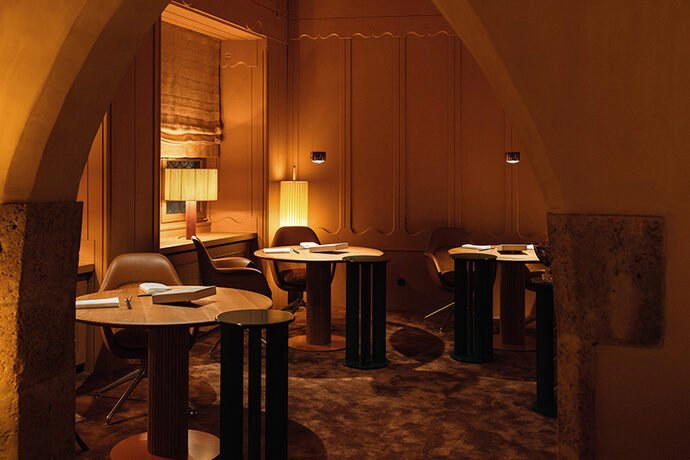
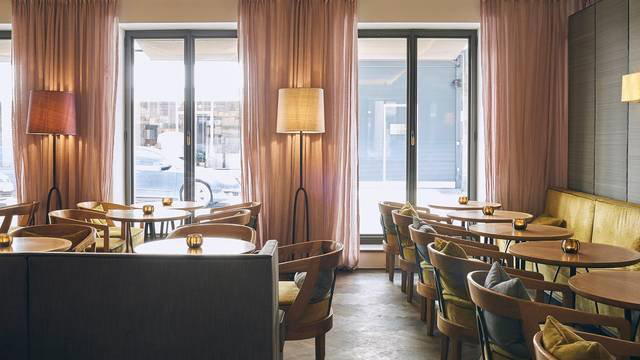
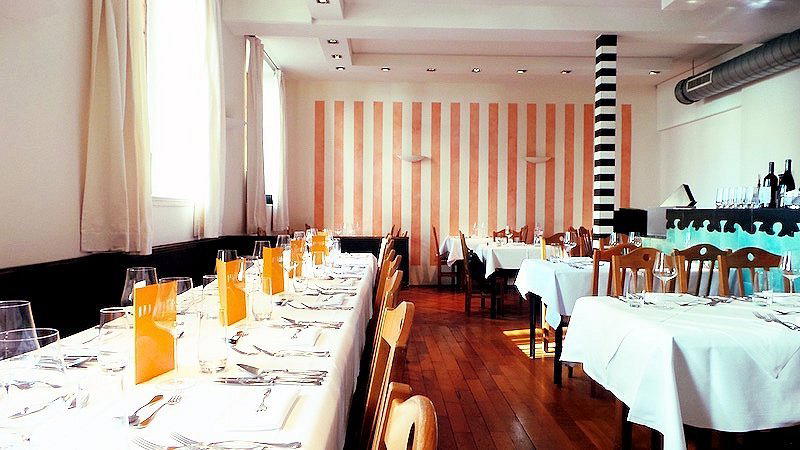
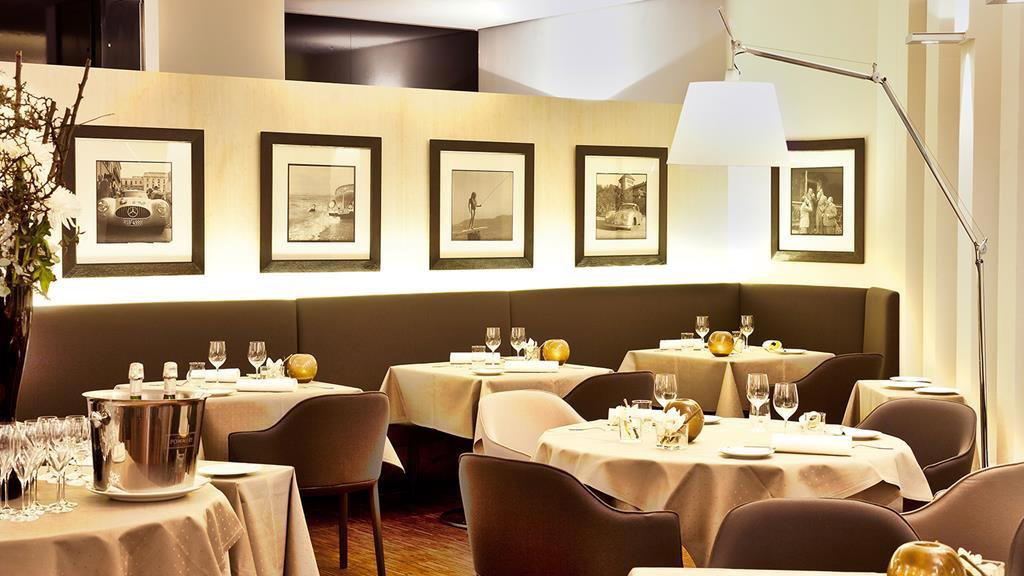
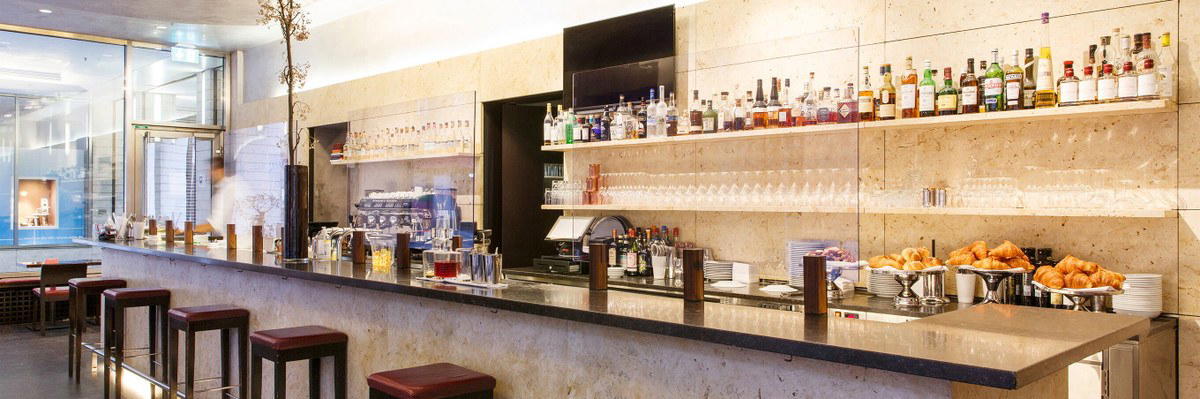
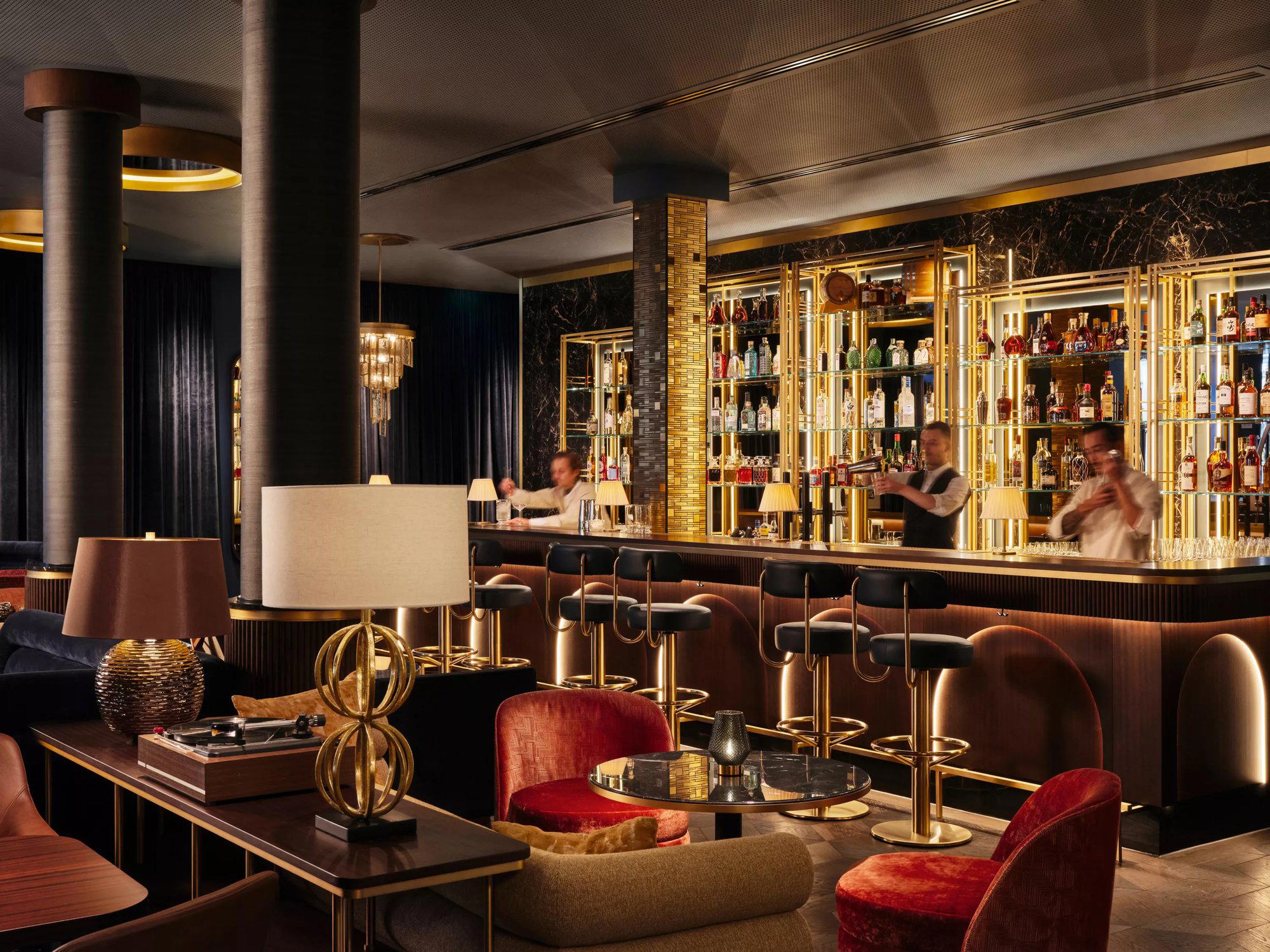
New York-inspired interior with charcoal grill visible, evening outdoor seating available, classic American music, sophisticated yet lively atmosphere.