Korean steakhouse dining has found a foothold in Munich's northwestern suburbs, with KONO Korean Steakhouse on Riesstraße 86 bringing the genre's live-fire table format to a city more accustomed to Bavarian roasts and French fine dining. The address sits outside the Michelin-dense inner city, placing it in a different register to the tasting-menu circuit anchored by venues like Tantris and Atelier, and pointing instead toward a more casual, convivial evening format.
Pearl is the En Primeur Club membership app — saves, bookings, and concierge access live there. Same editors, same standards.
- Address
- Riesstraße 86, 80993 München, Germany
- Phone
- +498954223131
- Website
- kono-restaurant.de
- Directions
- Get directions
 Saves & bookings on Pearl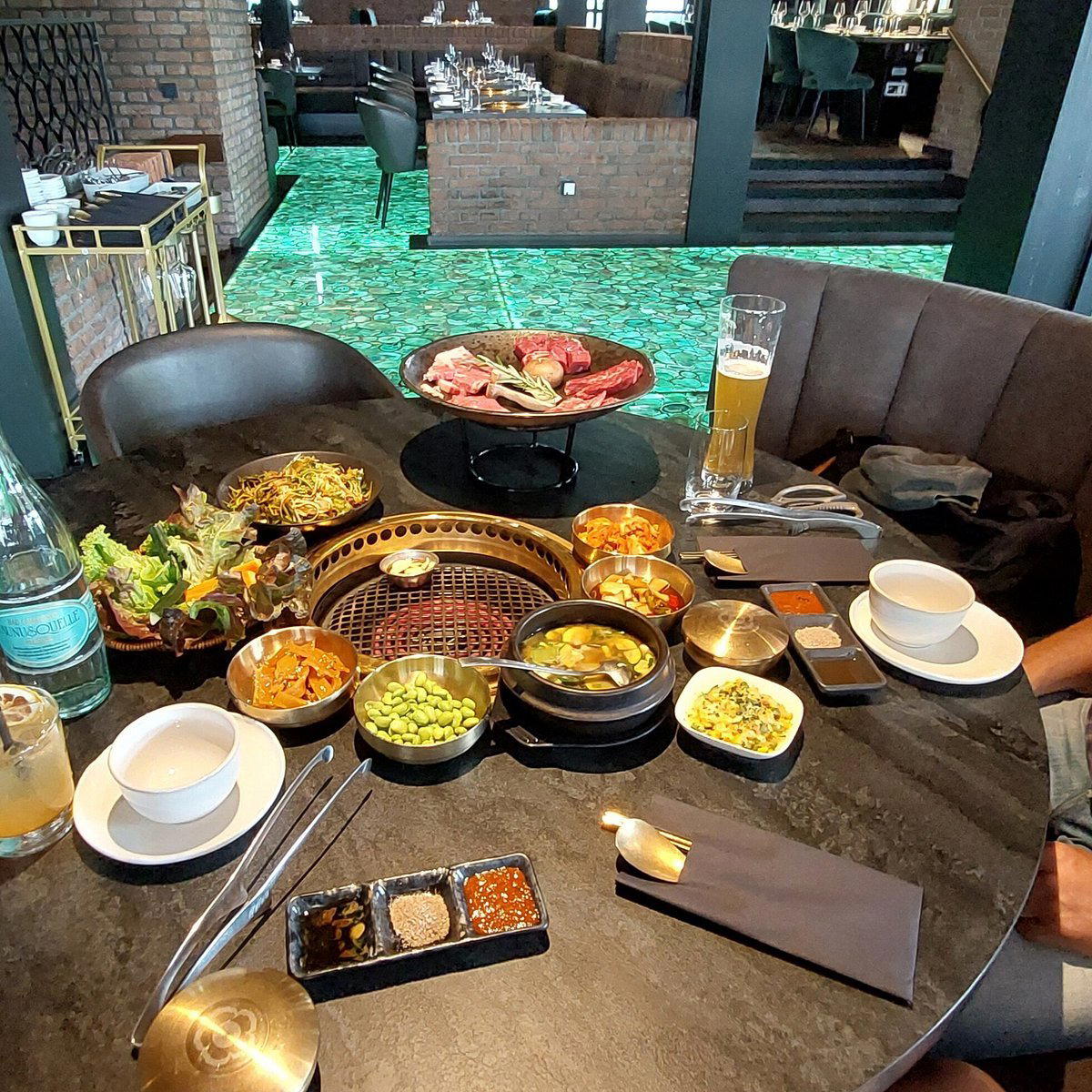
Korean Steakhouse in a German City: What Munich's Appetite for This Format Actually Means
Munich's restaurant scene has long been sorted into two camps: the formal tasting-menu circuit, represented by Tantris, Atelier, and Alois – Dallmayr Fine Dining, and the neighbourhood restaurants that serve the city's actual daily life. Korean steakhouse dining, with its tableside grills, shared ordering, and self-paced progression, sits firmly in neither category. That hybridity is the point. The format originated in South Korea as a fundamentally social eating ritual, one where the table itself becomes the cooking surface, and where the pace of the meal is dictated by appetite rather than a chef's sequence. When that format travels to a European city, it carries those structural qualities with it, and Munich's appetite for it reflects a broader shift in how the city eats informally.
KONO Korean Steakhouse operates from Riesstraße 86 in the 80993 postal district, a northwestern address that places it well outside the density of Michelin-starred rooms clustered around the Altstadt and Maxvorstadt. That geography matters. It signals a neighbourhood restaurant rather than a destination venue, a place people visit because it fits their evening, not because it anchors a special-occasion itinerary. Across Germany, Korean dining has tracked a similar suburban-to-urban arc that Japanese ramen and Vietnamese pho followed a decade earlier: early adopters find it on the periphery, before it migrates toward central postcodes as the format matures.
The Format: Lunch, Dinner, and Why the Gap Between Them Matters
Korean steakhouse dining has a pronounced lunch-to-dinner contrast that many European operators handle differently, and the distinction shapes the experience more than most diners expect. Lunch service in the Korean BBQ genre typically runs leaner: fewer banchan accompaniments, faster table turns, a more utilitarian approach to the grill-to-table ritual. The evening format reverses all of that. Dinner is where the full logic of the meal emerges, the slow accumulation of small dishes, the gradual progression from lighter cuts to richer ones, the social choreography of managing multiple items over a live grill simultaneously.
For a venue like KONO at a northwestern Munich address, the lunch question is also partly a local-demographics question. Daytime trade in suburban Munich tends to draw office workers, local families, and weekday regulars, a cohort that typically wants value and speed over ceremony. Whether KONO leans into a lunch offer or concentrates on evening service shapes its entire operating identity. Across the Korean steakhouse genre in German cities, the venues that have built particularly consistent followings are those that treat dinner as the primary format and resist diluting it for the sake of a midday trade. The comparison benchmark here is not the Michelin-circuit restaurants of central Munich, but rather the Korean dining rooms in Düsseldorf's Immermannstraße district, where the dinner-first discipline is well-rehearsed.
How Korean Steakhouse Sits in Munich's Informal Dining Tier
To understand where KONO positions itself, it helps to map Munich's informal dining tier with some precision. The city has a well-developed tradition of Bavarian tavern dining, long communal tables, beer, roasted meats, that occupies the affordable-and-convivial slot in the market. Above that sits a mid-range international tier, which has expanded significantly over the past decade to include Japanese, Vietnamese, and now Korean formats. Below the tasting-menu rooms anchored by venues like JAN and Tohru in der Schreiberei, this mid-range international layer is where most of Munich's dining innovation is actually happening.
Korean steakhouse specifically occupies a distinct niche within that tier. The format carries a higher equipment overhead than most casual restaurants, ventilation systems, table grills, the infrastructure to manage live fire at scale, which tends to push price points above the equivalent spend at a Vietnamese or Thai equivalent. At the same time, the shared-table, self-service cooking element creates a conviviality that fine-dining rooms at the level of Aqua in Wolfsburg or Schwarzwaldstube in Baiersbronn cannot replicate. The format has its own distinct value proposition, and diners who seek it out are typically doing so specifically, not as a fallback from something else.
Germany's Korean Dining Scene: The Broader Context
Korean cuisine in Germany has a different origin story to its presence in the United Kingdom or France. Germany's postwar economic migration patterns brought Korean workers primarily into the industrial regions of North Rhine-Westphalia, which is why Düsseldorf remains the geographic anchor of Korean dining in the country. Munich's Korean restaurant scene developed later and more organically, driven less by residential community and more by general interest in East Asian cuisines and the global spread of Korean cultural exports over the past fifteen years.
That trajectory puts Munich's Korean restaurants in an interesting position. Venues like Atomix in New York City demonstrate what Korean fine dining looks like at its most technically ambitious, the format earning two Michelin stars in a city with extraordinarily high competitive density. Munich's Korean dining scene is nowhere near that register yet, which means the opportunity for a venue that takes the format seriously is correspondingly larger. The reference points that matter most for contextualising Korean steakhouse quality are not the adjacent tasting-menu rooms but the genre's own internal standards: cut selection, marinade discipline, the quality of the banchan spread, and the maintenance of the grill itself.
Elsewhere in Germany, the Michelin-starred tier includes venues like Vendôme in Bergisch Gladbach, ES:SENZ in Grassau, Victor's Fine Dining by Christian Bau in Perl, Waldhotel Sonnora in Dreis, Restaurant Haerlin in Hamburg, Schanz in Piesport, Bagatelle in Trier, and CODA Dessert Dining in Berlin, all of which represent a different formal register, but collectively illustrate the range of serious dining available across the country.
Planning a Visit
KONO Korean Steakhouse is located at Riesstraße 86, 80993 München, in the city's northwestern district. The address is accessible by U-Bahn on the U1 line, which connects the area to central Munich without requiring a car. Given the suburban location, an evening visit pairs naturally with the Korean BBQ format, this is a dinner-rhythm venue, not a quick-lunch stop.
Where It Fits
Comparable venues nearby, for context on price, style, and recognition.
| Venue | Cuisine | Price | Notes |
|---|---|---|---|
| KONO Korean SteakhouseThis venue — the venue you are viewing | Modern Korean BBQ Steakhouse | $$$$ | Not listed |
| Hunsinger in der Goldenen Gans | French-Asian Seafood | $$$$ | Pasing |
| Orta | Mediterranean Mezze Bar | $$$$ | Schwabing |
| Entry Removed | Modern French Fine Dining | $$$$ | Lehel |
| Opera Pizza Gourmet | Gourmet Italian Pizza & Contemporary Cuisine | $$$ | Schwabing |
| Cochinchina | Modern Vietnamese Fine Dining | $$$ | Schwabing |

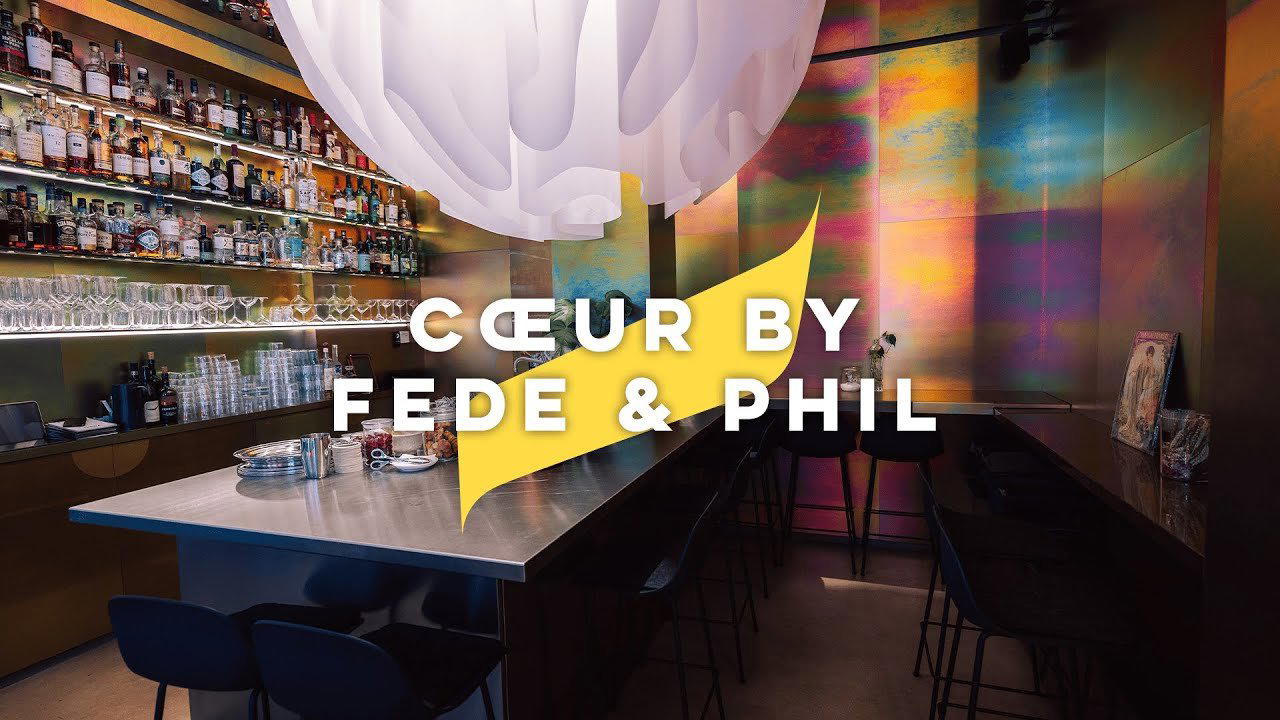
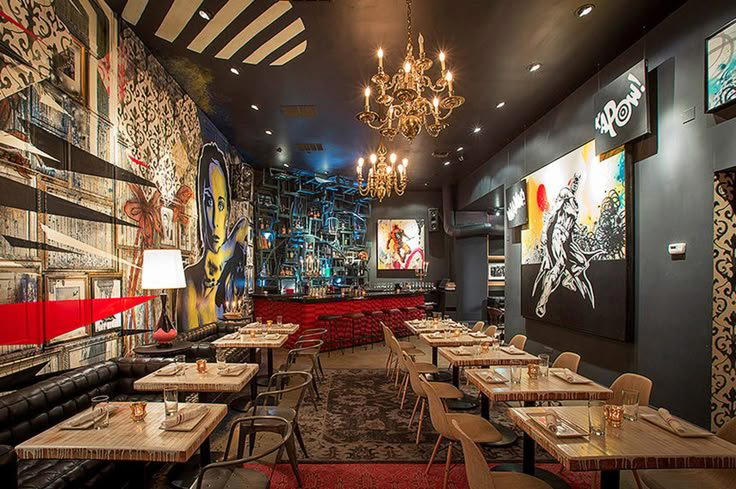
At a Glance
- Elegant
- Modern
- Sophisticated
- Date Night
- Group Dining
- Special Occasion
- Open Kitchen
Current opening hours
- Monday
- 5–11 PM
- Tuesday
- 5–11 PM
- Wednesday
- 5–11 PM
- Thursday
- 5–11 PM
- Friday
- 5 PM–12 AM
- Saturday
- 11:30 AM–2:30 PM, 5 PM–12 AM
- Sunday
- 11:30 AM–2:30 PM, 5–11 PM
Hours can change for holidays and private events. Last verified .
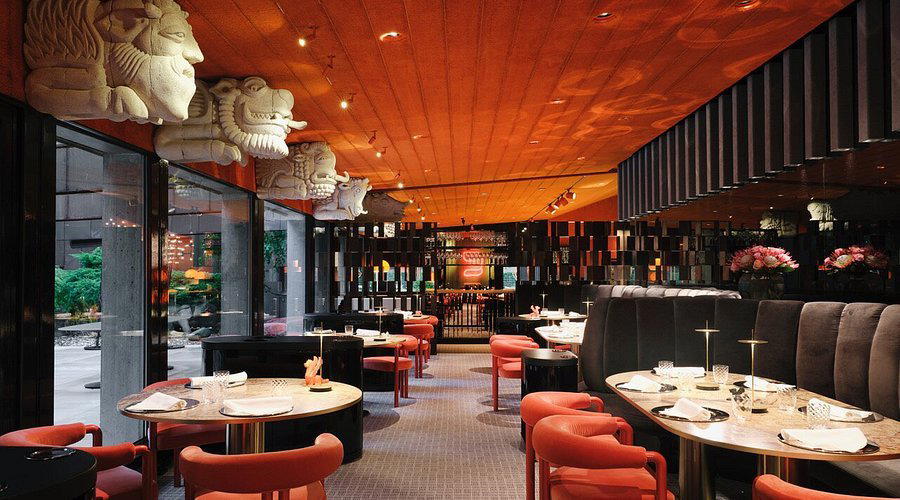
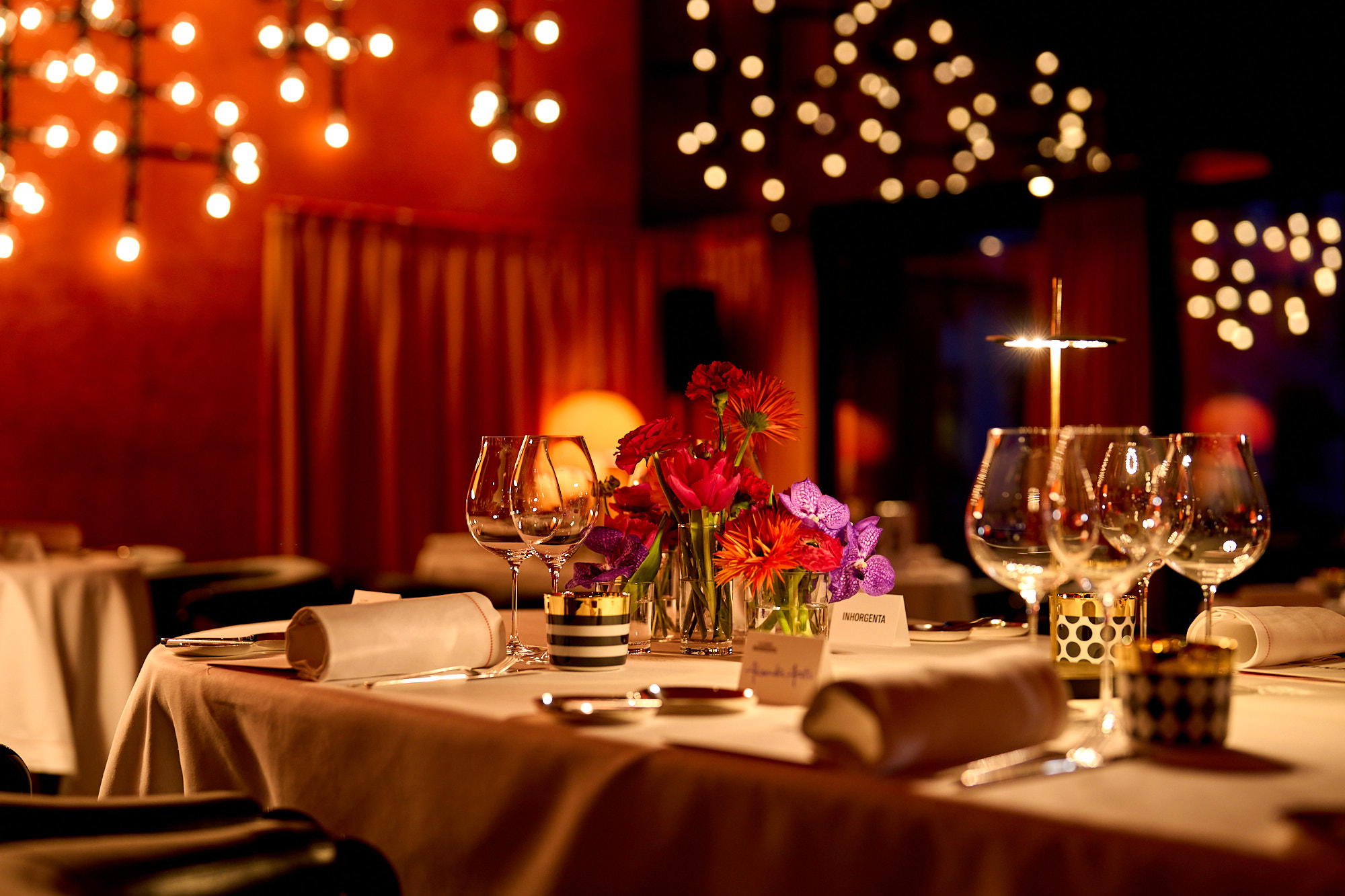
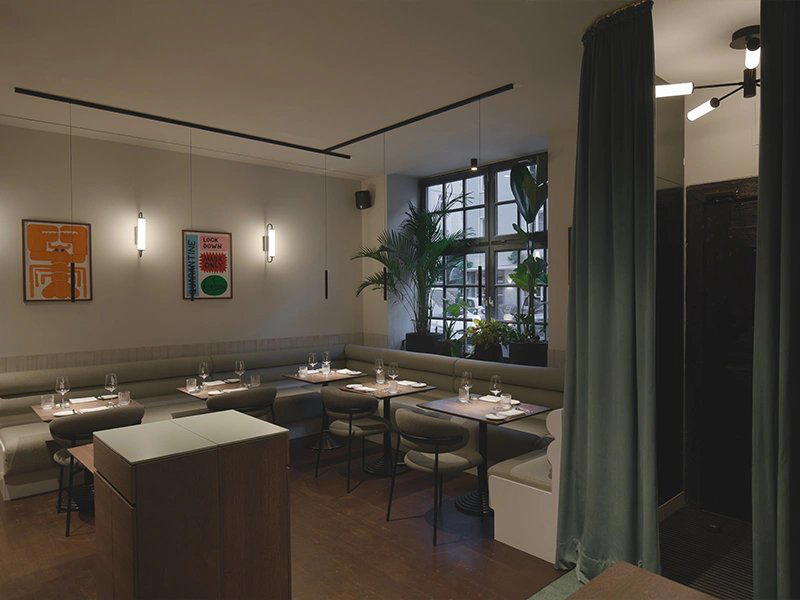
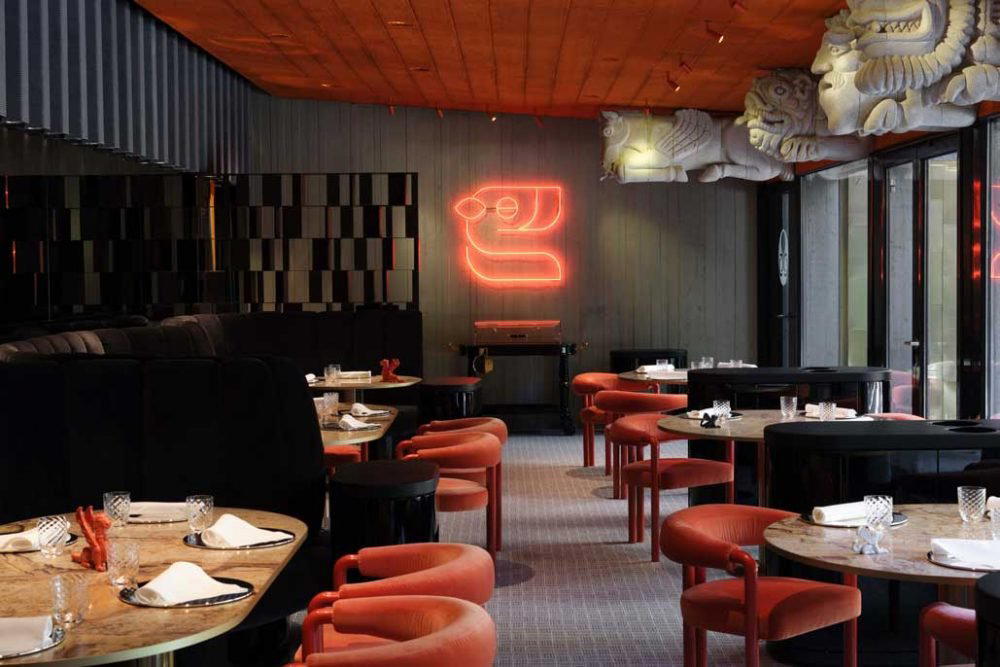
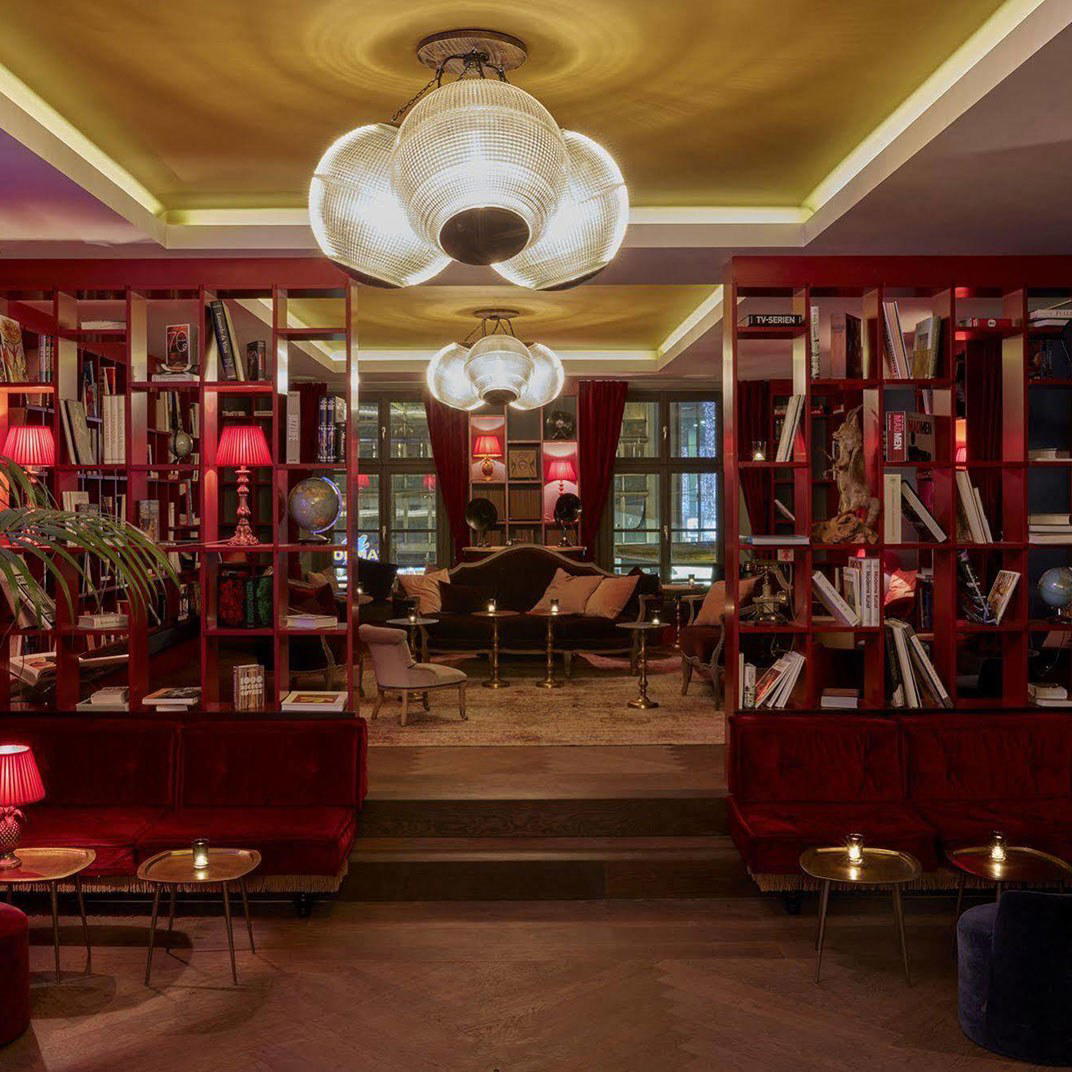
Stylish and elegant with high ceilings, spacious seating, and no grill smoke odor.