Rusticana occupies a quiet address in Munich's Haidhausen district, where the city's appetite for Italian-influenced cooking meets the produce-driven logic that defines the better end of the local dining scene. The address on Grillparzerstraße positions it within a neighbourhood that has grown increasingly serious about its restaurants without abandoning the unpretentious character that distinguishes it from the Maxvorstadt circuit.
Pearl is the En Primeur Club membership app — saves, bookings, and concierge access live there. Same editors, same standards.
- Address
- Grillparzerstraße 5, 81675 München, Germany
- Phone
- +4949894703887
- Directions
- Get directions
 Saves & bookings on Pearl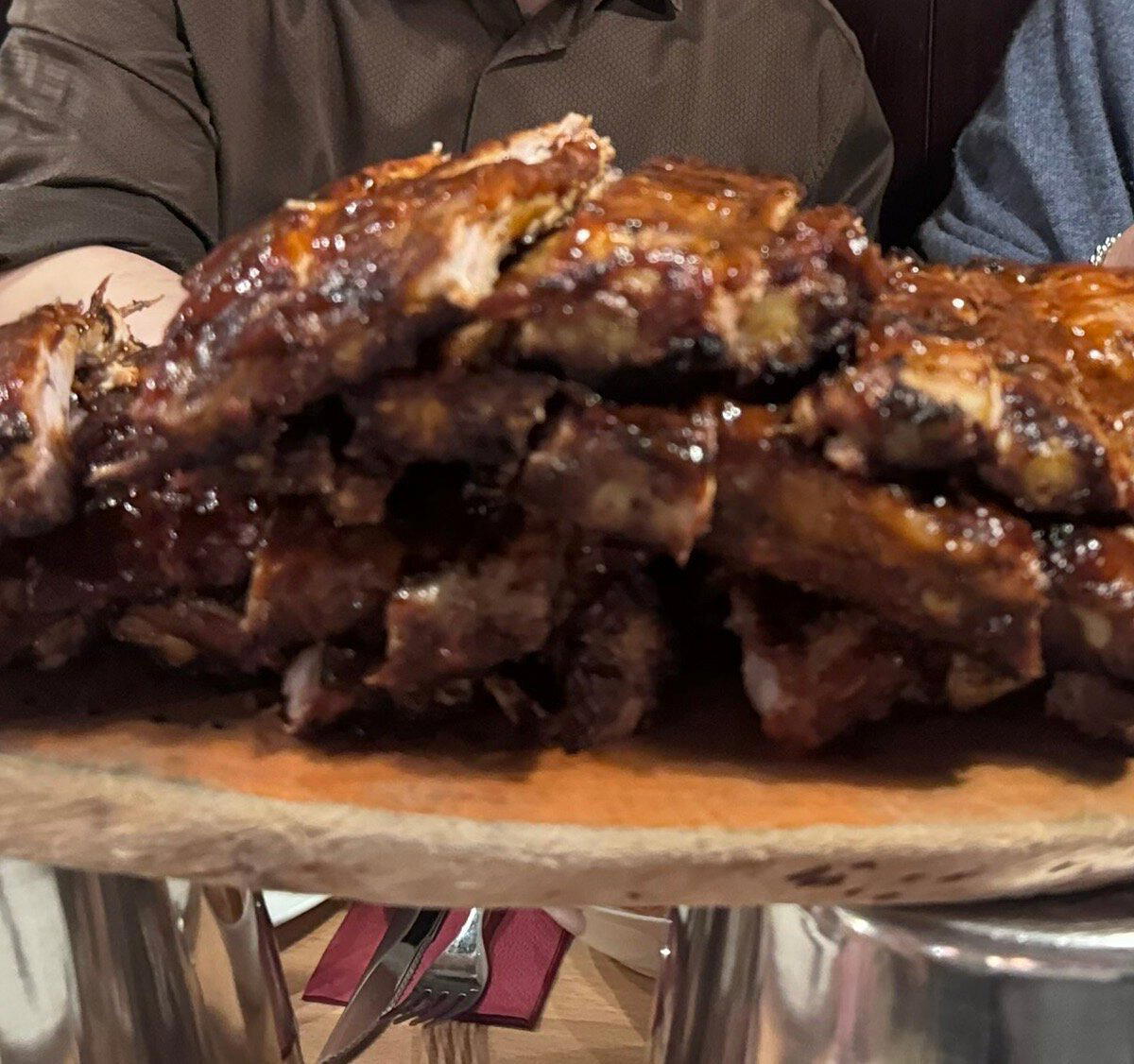
Haidhausen and the Case for Neighbourhood Dining in Munich
Munich's most interesting restaurant conversations rarely begin in the city centre. The neighbourhoods east of the Isar, particularly Haidhausen, have developed a dining identity that runs parallel to the starred circuit without directly competing with it. Where addresses like Tantris, Atelier, and Alois - Dallmayr Fine Dining operate at the formal end of the spectrum, Haidhausen's better rooms tend toward something more daily, places where the cooking carries genuine ambition but the room does not demand an occasion. Rusticana is a restaurant in Munich, Germany, serving classic steakhouse and BBQ ribs, with a price point around $40 per person. Rusticana, on Grillparzerstraße 5, belongs to this second category.
The street sits within walking distance of the Wiener Platz market, which matters more than it might first appear. Proximity to a functioning daily market is not incidental for a kitchen that takes seasonal sourcing seriously. In the broader German dining context, the gap between restaurants that talk about local produce and those that actually structure their menus around it is considerable.
The Intersection of Imported Technique and Local Product
The productive tension in Munich's mid-market dining scene runs between Italian method and Bavarian raw material. It is a combination that appears across the city's stronger neighbourhood kitchens, and for good reason. Italian culinary technique, with its emphasis on restraint, acid balance, and the primacy of the ingredient over the sauce, applies well to the produce that comes out of Bavaria and the Alpine foothills. Weisswurst, spätzle, and pork knuckle are the default reference points for Bavarian food abroad, but the region's dairy, river fish, game, and late-summer vegetables occupy a different register entirely, one that responds well to lighter handling.
This is the editorial context in which Rusticana makes most sense. Italian-influenced kitchens in Munich that engage seriously with local supply chains tend to produce food that neither category fully claims: too rooted in Bavarian seasonality to read as straightforwardly Italian, too indebted to Mediterranean technique to fit neatly into the German comfort-food tradition. The result, at its leading, is a coherent local idiom rather than a confused hybrid. Compare this cross-cultural culinary logic to what Tohru in der Schreiberei achieves at a more formal level, where Japanese technique is applied to German ingredients with Michelin recognition as the outcome, or what Atomix in New York City does in a different cultural pairing altogether. The principle, that imported method and indigenous product can produce something more coherent than either tradition alone, runs across serious kitchens at every price tier.
Where Rusticana Sits in the Munich Scene
Munich's restaurant market has a well-defined upper tier: the JAN and Tantris level, where menus run long and the cooking is self-consciously ambitious. Below that sits a broad, less easily mapped middle, trattorias, modern bistros, and neighbourhood rooms that vary enormously in seriousness. The stronger entries in this tier are defined less by format or price than by the discipline of their sourcing and the consistency of execution from one visit to the next.
Rusticana's address in Haidhausen places it in a neighbourhood where that mid-tier is relatively well developed. The area attracts a local clientele with genuine eating habits rather than the tourist-facing crowds that flatten quality along the Viktualienmarkt perimeter. That local pressure tends to enforce consistency in ways that destination traffic does not: a room that depends on repeat customers cannot coast on novelty.
At the national level, Germany's serious dining scene extends well beyond Munich. Aqua in Wolfsburg, Schwarzwaldstube in Baiersbronn, and Vendôme in Bergisch Gladbach represent the formal, multi-starred tier. Further down the scale, rooms like ES:SENZ in Grassau and Schanz in Piesport demonstrate how seriously Germany takes regional cooking outside its major cities. CODA Dessert Dining in Berlin and Bagatelle in Trier show the range of formats that have earned recognition in recent cycles. Waldhotel Sonnora in Dreis, Victor's Fine Dining by Christian Bau in Perl, and Restaurant Haerlin in Hamburg anchor the country's classical fine dining tradition. Neighbourhood rooms like Rusticana occupy a different position in that national picture, less visible to the awards system, more visible to the people who actually live in the city.
What to Expect at the Table
What the address and neighbourhood context do support is a reasonable expectation of Italian-inflected cooking that draws on seasonal Bavarian produce, a room pitched at local regulars rather than international visitors, and pricing that sits below the city's destination-dining tier. The comparison to Italian-Mediterranean rooms like Acquarello, which operates at the €€€€ end of the Munich Italian category, is useful: Rusticana's neighbourhood positioning suggests a different price logic and a different relationship between kitchen and diner.
Planning Your Visit
Address: Grillparzerstraße 5, 81675 München, Germany. Neighbourhood: Haidhausen, east of the Isar, close to Wiener Platz. Reservations: Recommended. Timing: Mon closed; Tue to Thu 5 to 11 PM; Fri 5 to 11 PM; Sat to Sun 4 to 11 PM. Context: Pair with a visit to the Wiener Platz market in the morning if your schedule allows, as it gives useful context for the produce supply chain that shapes the better kitchens in this part of the city.
Cuisine and Recognition
Comparable venues nearby, for context on price, style, and recognition.
| Venue | Cuisine | Price | Notes |
|---|---|---|---|
| RusticanaThis venue — the venue you are viewing | Classic Steakhouse & BBQ Ribs | $$$ | Not listed |
| P. Korn Restaurant & Steaks | Austrian-Inspired Steakhouse | $$$ | Neuhausen |
| Beef Room 61 | Modern Steakhouse Grill | $$$ | Schwabing |
| The LOUIS Grillroom | Premium Grill & Steakhouse | $$$$ | Altstadt |
| Gandl | Mediterranean Bistro with Italian and French Influences | $$$ | Lehel |
| Spatenhaus at the opera | Traditional Bavarian | $$$ | Lehel |
At a Glance
- Rustic
- Cozy
- Classic
- Group Dining
- Casual Hangout
- Late Night
- Open Kitchen
Current opening hours
- Monday
- Closed
- Tuesday
- 5–11 PM
- Wednesday
- 5–11 PM
- Thursday
- 5–11 PM
- Friday
- 5–11 PM
- Saturday
- 4–11 PM
- Sunday
- 4–11 PM
Hours can change for holidays and private events. Last verified .
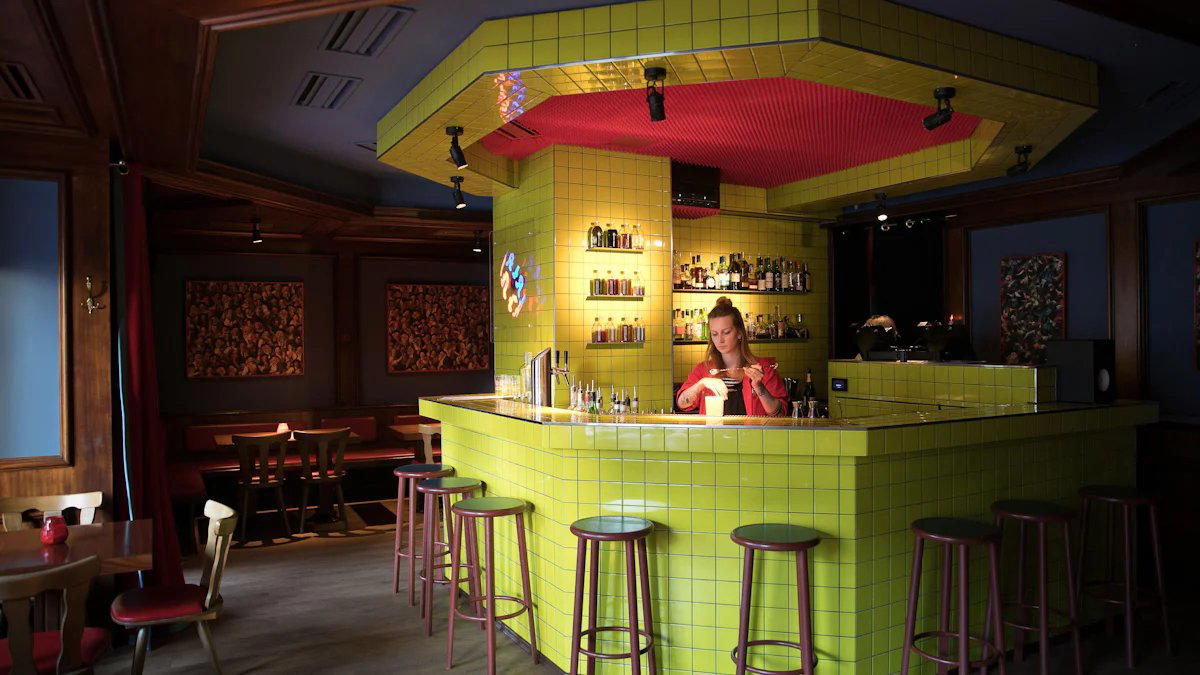
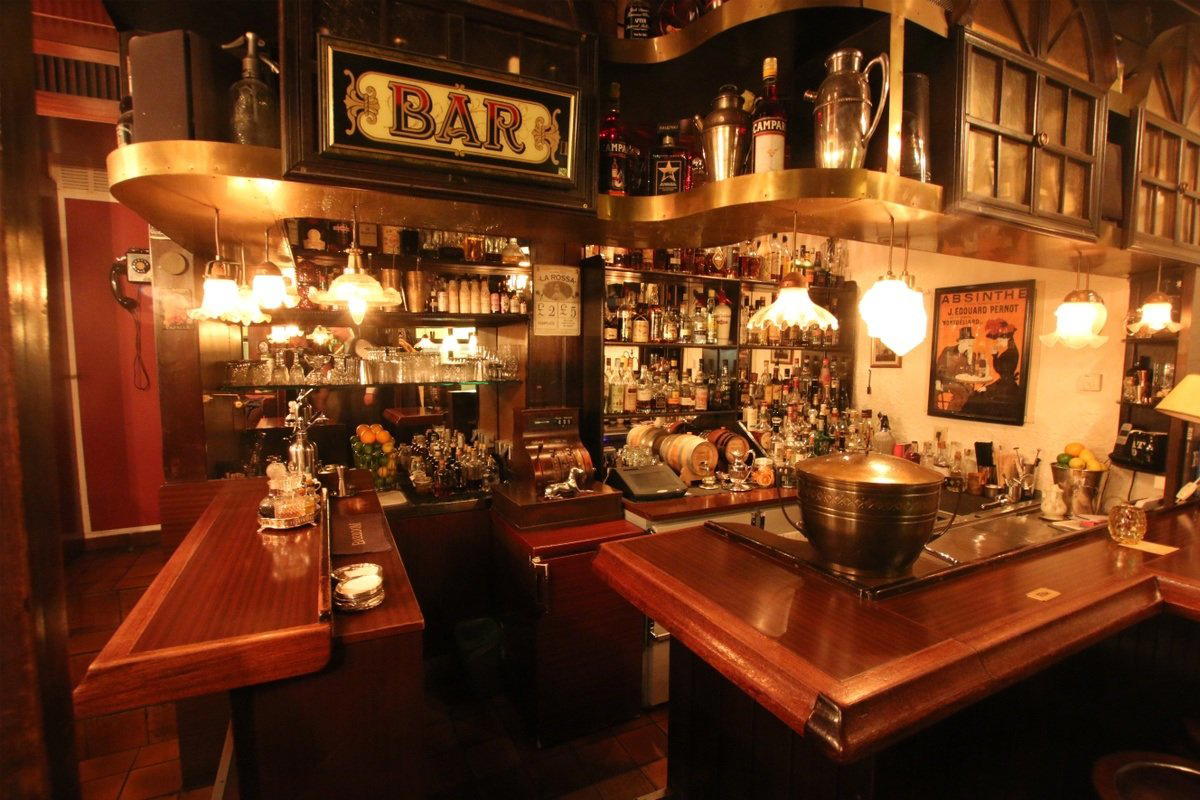
Rustic wood-panelled space with a cozy, old-school steakhouse feel and lively atmosphere.