Zoko Collective
Zoko Collective occupies a former warehouse space at 728 NW 29th St in Miami's Wynwood-adjacent corridor, where the city's most restless creative dining energy tends to pool. With a format built around collective sourcing and producer relationships rather than a single culinary identity, it sits in a different register from the established fine-dining circuit. Consider it a working example of what Miami's independent dining scene looks like when it operates on its own terms.
Pearl is the En Primeur Club membership app — saves, bookings, and concierge access live there. Same editors, same standards.
- Address
- 728 NW 29th St, Miami, FL 33127
- Website
- opentable.com
- Directions
- Get directions
 Saves & bookings on Pearl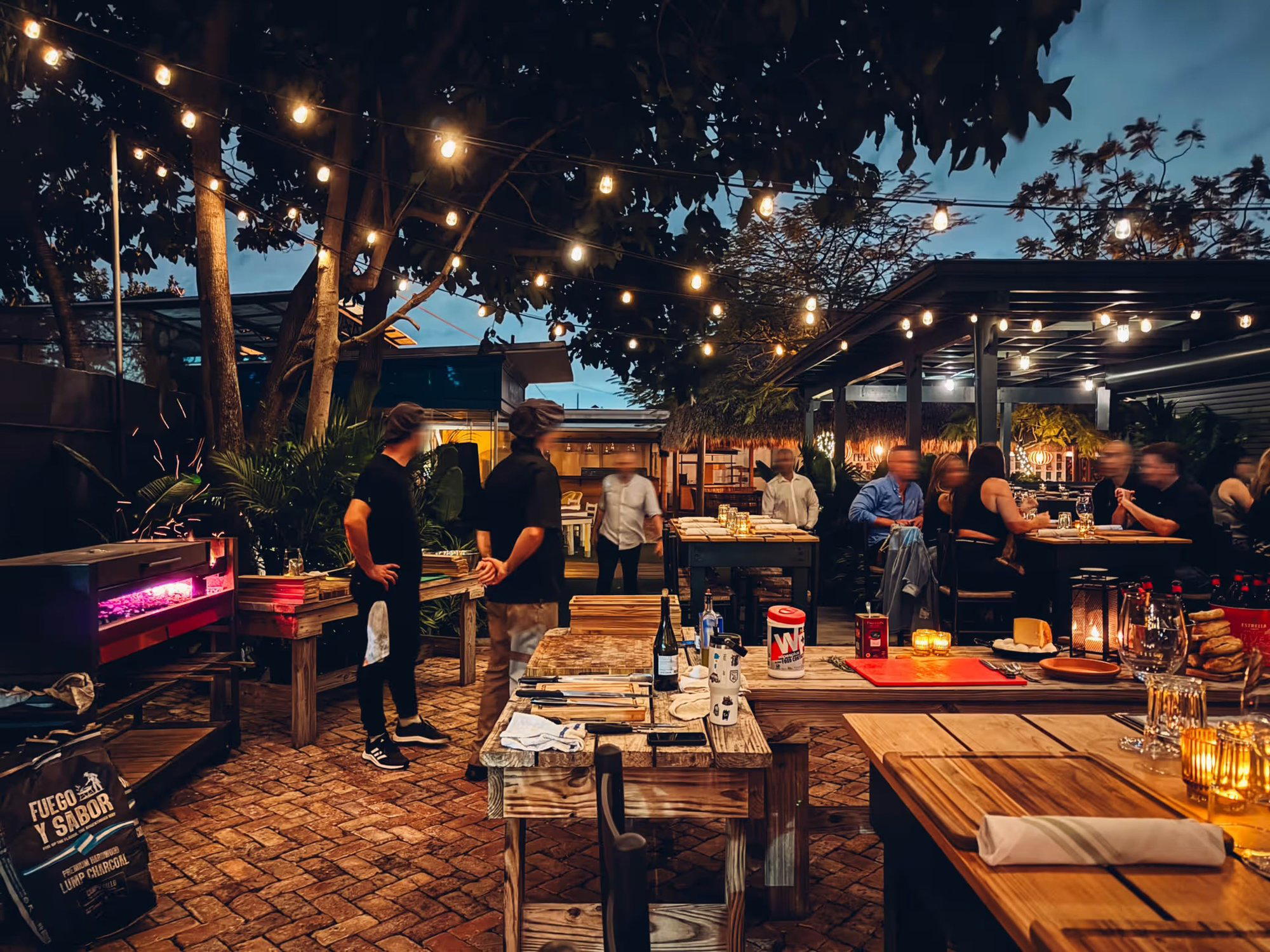
Where Miami's Sourcing-Forward Dining Takes Shape
Zoko Collective is a restaurant in Miami at 728 NW 29th St, serving Argentine Asado Grill cuisine at a $90-per-person price point.
Miami's dining geography has fractured in useful ways over the past decade. The tourism-facing strip along Biscayne or down in South Beach answers one kind of appetite; the producer-connected, format-flexible operations that have migrated into the NW corridor answer another. Zoko Collective belongs to the second category, with a menu shaped by sourcing and regional supply rather than a single-chef narrative.
The Sourcing Model as Editorial Argument
Across American fine dining, the conversation about ingredient provenance has moved in two directions simultaneously. At the high end, operations like Single Thread Farm in Healdsburg and Blue Hill at Stone Barns in Tarrytown have made sourcing the explicit centre of their identity, building menus that are essentially arguments about place and season. At the other end, sourcing language has become marketing shorthand, applied loosely to menus that change rarely and buy from the same broad distributors as everywhere else.
What distinguishes the middle ground, where Zoko Collective appears to operate, is the extent to which sourcing decisions actually shape what appears on the plate. A collective model, by definition, ties the kitchen's output to relationships with specific producers, which means the menu is not fully in the kitchen's control. That constraint is the point. It forces a kind of editorial discipline that single-chef destination restaurants rarely impose on themselves, and it tends to produce cooking that reflects a specific moment and place rather than a fixed creative identity. For Miami, with access to Caribbean, Latin American, and Florida agricultural networks, this model carries particular potential.
Florida's agricultural calendar runs counter to the national assumption. Tomatoes peak in winter. Stone crabs come into season in October. The citrus belt running through the state's interior produces varieties that rarely reach northern markets. A sourcing-forward operation at this address, in this city, has raw material advantages that kitchens in New York or Chicago spend significant money trying to approximate. Le Bernardin in New York City built its identity on sourcing the leading available seafood globally; a Miami operation with genuine producer relationships can do something different, sourcing regionally in ways that are both less expensive and more specific.
Where Zoko Collective Fits in Miami's Independent Scene
Miami's most closely watched independent restaurants currently cluster around a few legible identities. Boia De operates as an Italian contemporary space with a tight wine list and a format built around repeat visits. Ariete runs a modern American program with a strong local following and a price point that reflects its ambition. ITAMAE has carved out a specific lane in Peruvian-Japanese cuisine with sourcing credentials of its own. Cote Miami brings the Korean steakhouse format to a market that responded quickly to its combination of drama and quality.
The restaurant sits outside all of these lanes. A collective name signals that the operative identity is the sourcing network and the shared ethos, not a cuisine type or a chef personality. That is a harder proposition to market but a more durable one to execute, because it is not competing for the same reader as a Peruvian-Japanese tasting menu or a Korean steakhouse. It is making a different argument about what a Miami restaurant can be: less about spectacle or a single culinary tradition and more about the quality of the relationships behind what arrives at the table.
For context from comparable cities: Lazy Bear in San Francisco built an early reputation on communal format and sourcing specificity before its Michelin recognition formalized its position. Alinea in Chicago took the opposite path, leading with technique and spectacle. Miami's independent scene is still working out which model produces more lasting value for the city's dining culture. Operations like Zoko Collective represent a bet on the former.
The NW 29th St address sits within reach of the Wynwood and Design District clusters. L'Atelier de Joël Robuchon Miami or exploring the broader Miami scene documented in our full Miami restaurants guide will find the restaurant a useful counterpoint: an independent, sourcing-oriented operation rather than a branded fine-dining format.
| Venue | Cuisine Type | Price Range | Format |
|---|---|---|---|
| The restaurant | Collective / sourcing-forward | Not published | Independent |
| Boia De | Italian Contemporary | $$$ | Neighbourhood bistro |
| Ariete | Modern American | $$$$ | Chef-driven destination |
| Cote Miami | Korean Steakhouse | $$$ | High-energy dining room |
For reference beyond Miami, the sourcing-forward model plays out at different scales at Providence in Los Angeles, Addison in San Diego, The Inn at Little Washington, Atomix in New York City, Emeril's in New Orleans, and internationally at 8 1/2 Otto e Mezzo Bombana in Hong Kong. The range of those operations illustrates how differently the underlying principle can be applied depending on format and market. The French Laundry in Napa remains the reference point for what producer relationships can produce at the highest price tier; the restaurant's version of that argument is made at a different scale and in a different neighbourhood.
In Context: Similar Options
Comparable venues nearby, for context on price, style, and recognition.
| Venue | Cuisine | Price | Notes |
|---|---|---|---|
| Zoko CollectiveThis venue — the venue you are viewing | Argentine Asado Grill | $$$$ | Not listed |
| Cipriani Downtown Miami | Upscale Classic Italian on the Miami River | $$$$ | Brickell |
| Delilah | American Supper Club Steakhouse | $$$$ | Miami Financial District |
| Wolfgang's Steakhouse | Classic Dry-Aged Steakhouse | $$$$ | Port of Miami |
| OTL | Modern American Café | $$$ | Design District |
| Giselle Miami | Asian, Mediterranean & French Fusion | $$$$ | Arts & Entertainment District |
Continue exploring
More in Miami
Restaurants in Miami
Browse all →

At a Glance
- Lively
- Trendy
- Energetic
- Modern
- Group Dining
- Celebration
- Special Occasion
- Open Kitchen
- Craft Cocktails
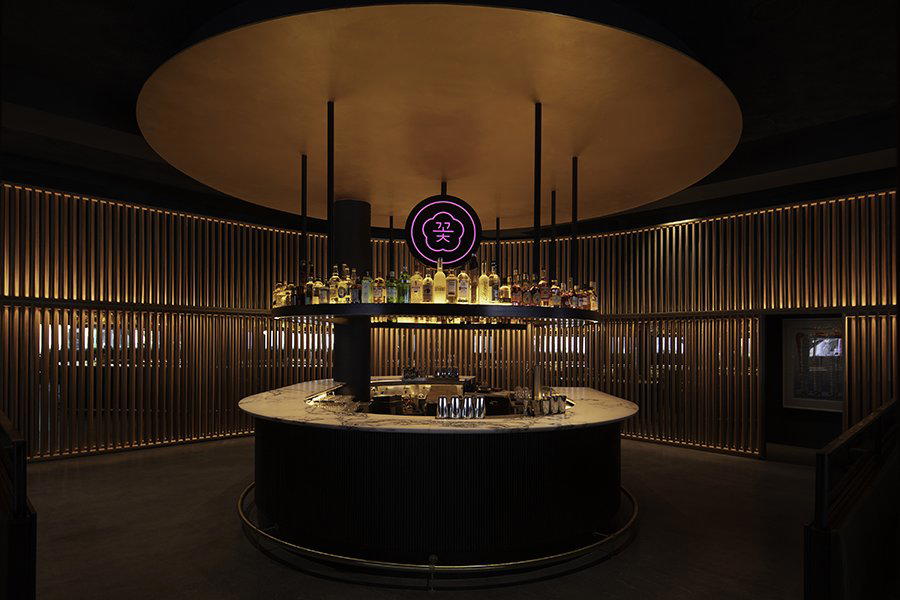
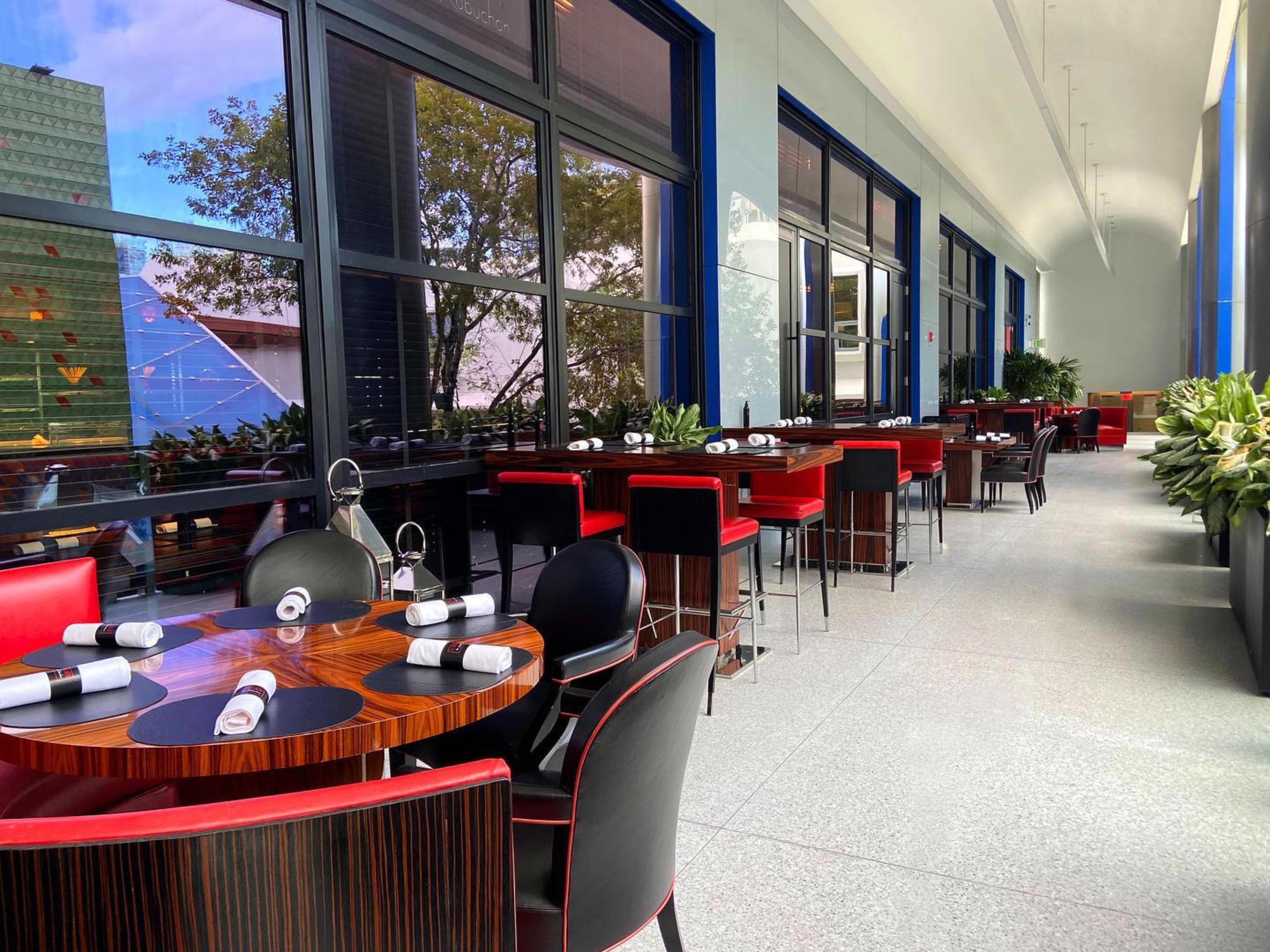
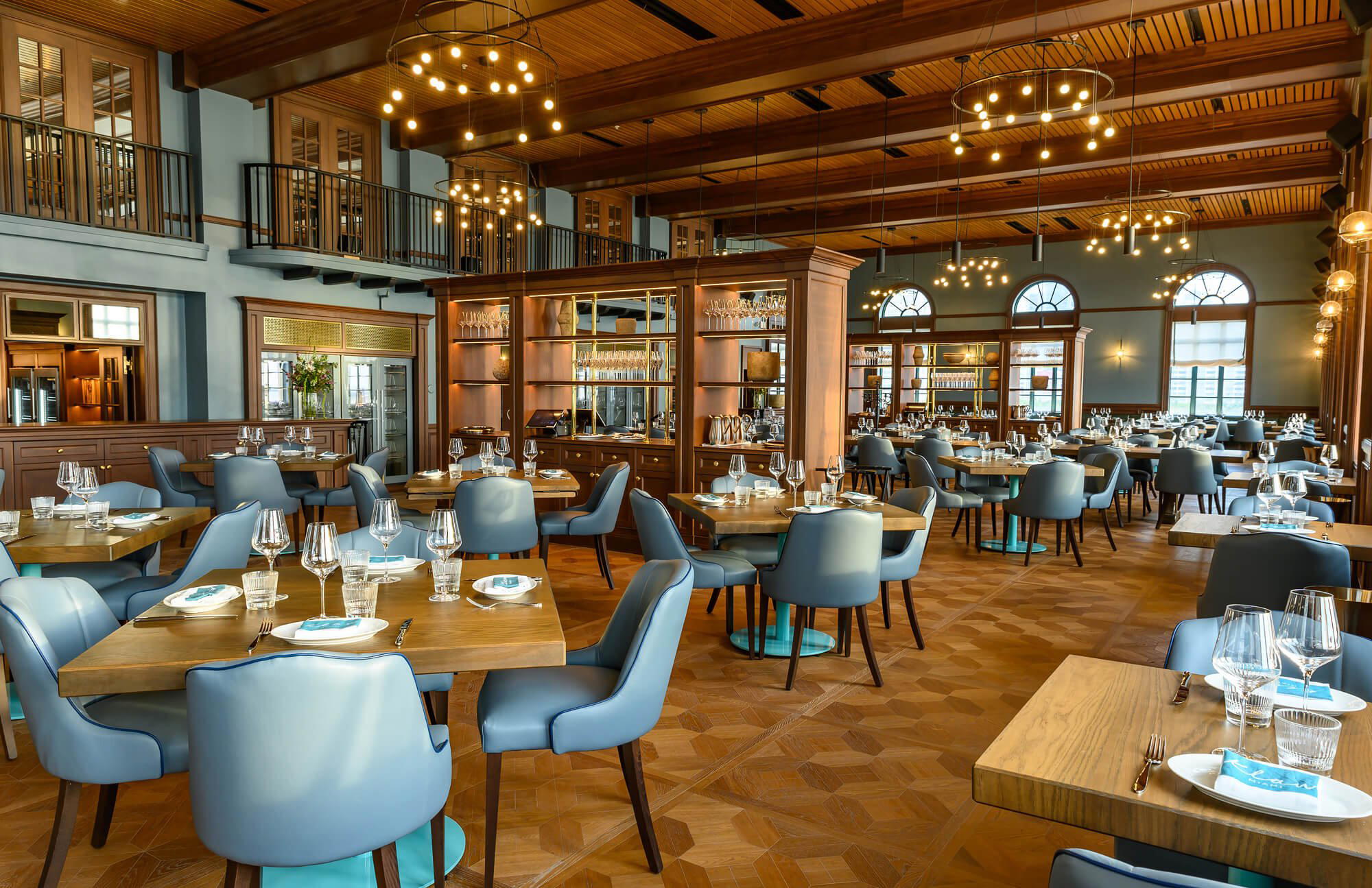
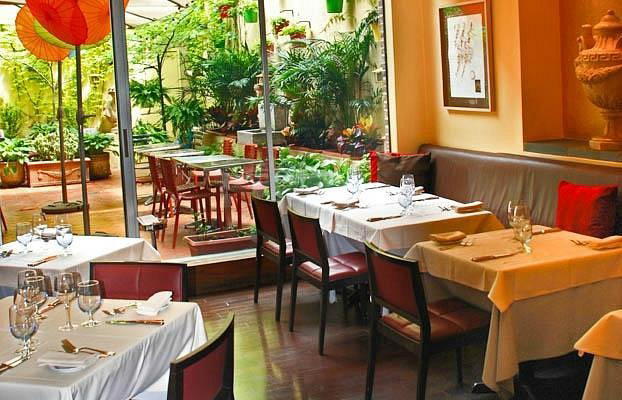
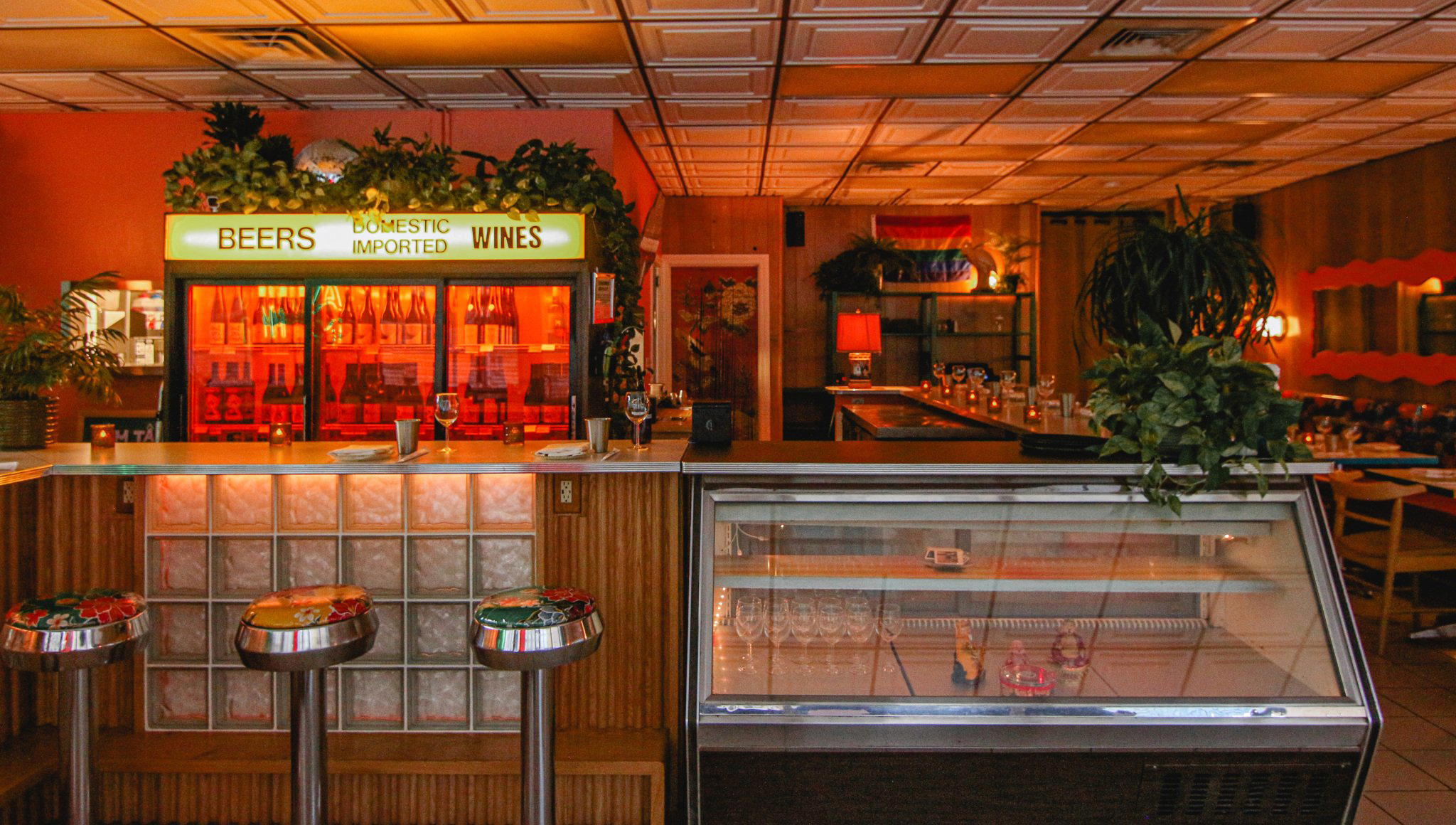
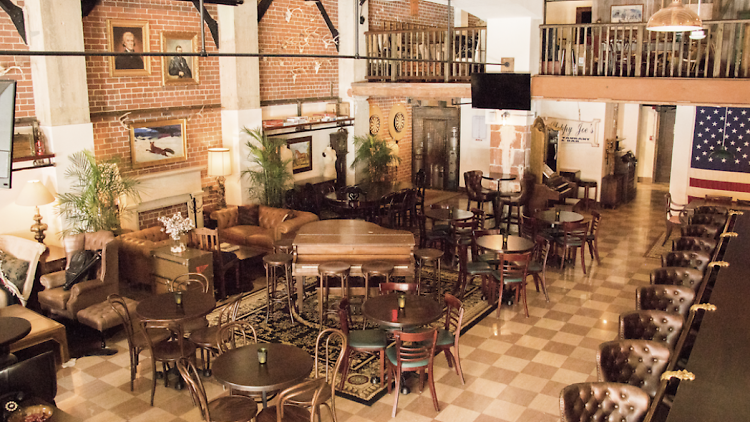
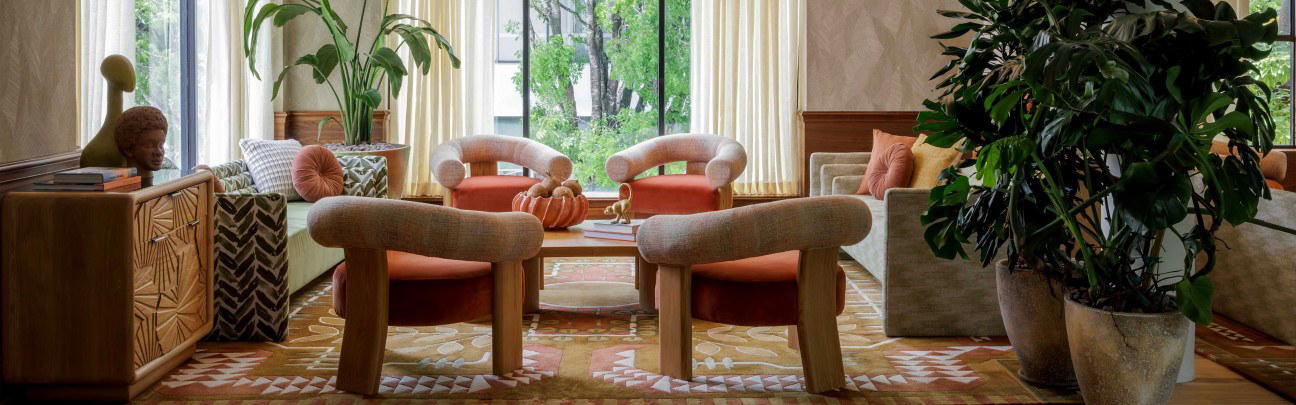
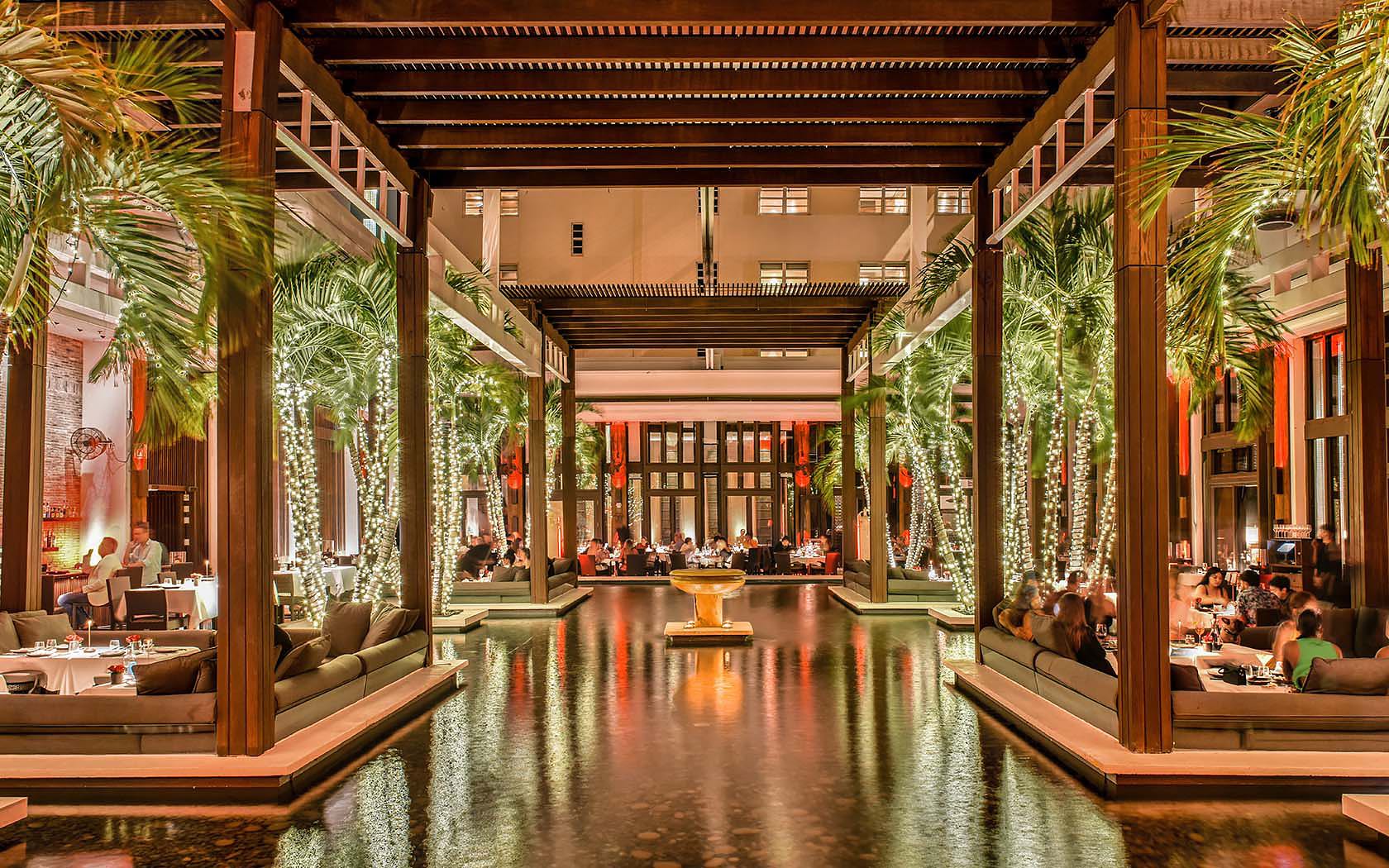
Warm, social atmosphere with lively communal tables, attentive hosting, and a comfortable casual-dining vibe that feels special and convivial.