The Setai, Miami Beach





.png)


A 1936 Art Deco landmark on Collins Avenue, The Setai, Miami Beach holds Forbes Travel Guide Five-Star status and Michelin 2 Keys recognition, setting it apart from the broader South Beach luxury tier. Its 120 rooms and suites merge dark teak and black granite interiors with Asian hospitality principles, three temperature-controlled pools, and beachfront access at rates from $1,080 per night.
Pearl is the En Primeur Club membership app — saves, bookings, and concierge access live there. Same editors, same standards.
- Address
- 2001 Collins Ave, Miami Beach, FL 33139
- Phone
- +1 305-720-2125
- Website
- thesetaihotel.com
- Directions
- Get directions
 Saves & bookings on Pearl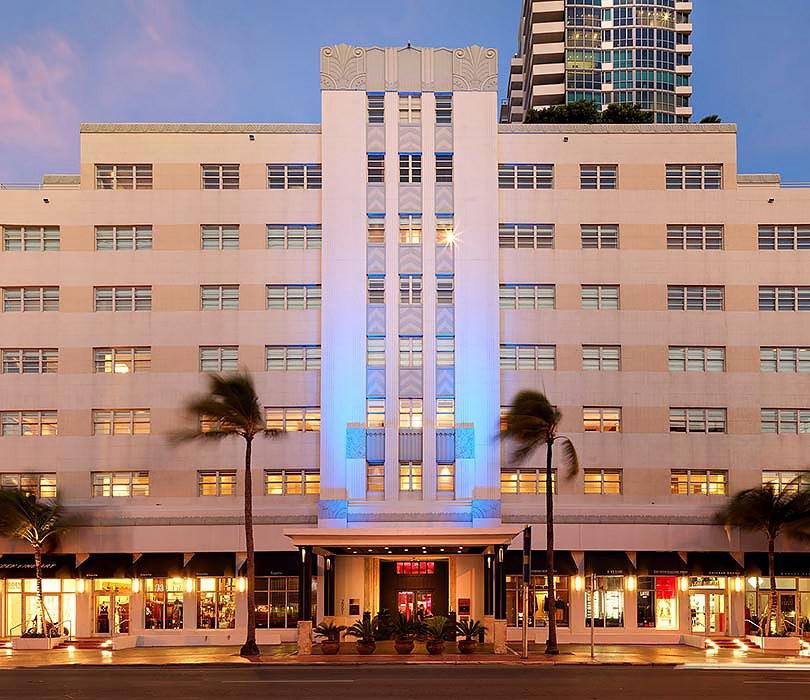
Where Art Deco Architecture Meets Asian Design Logic
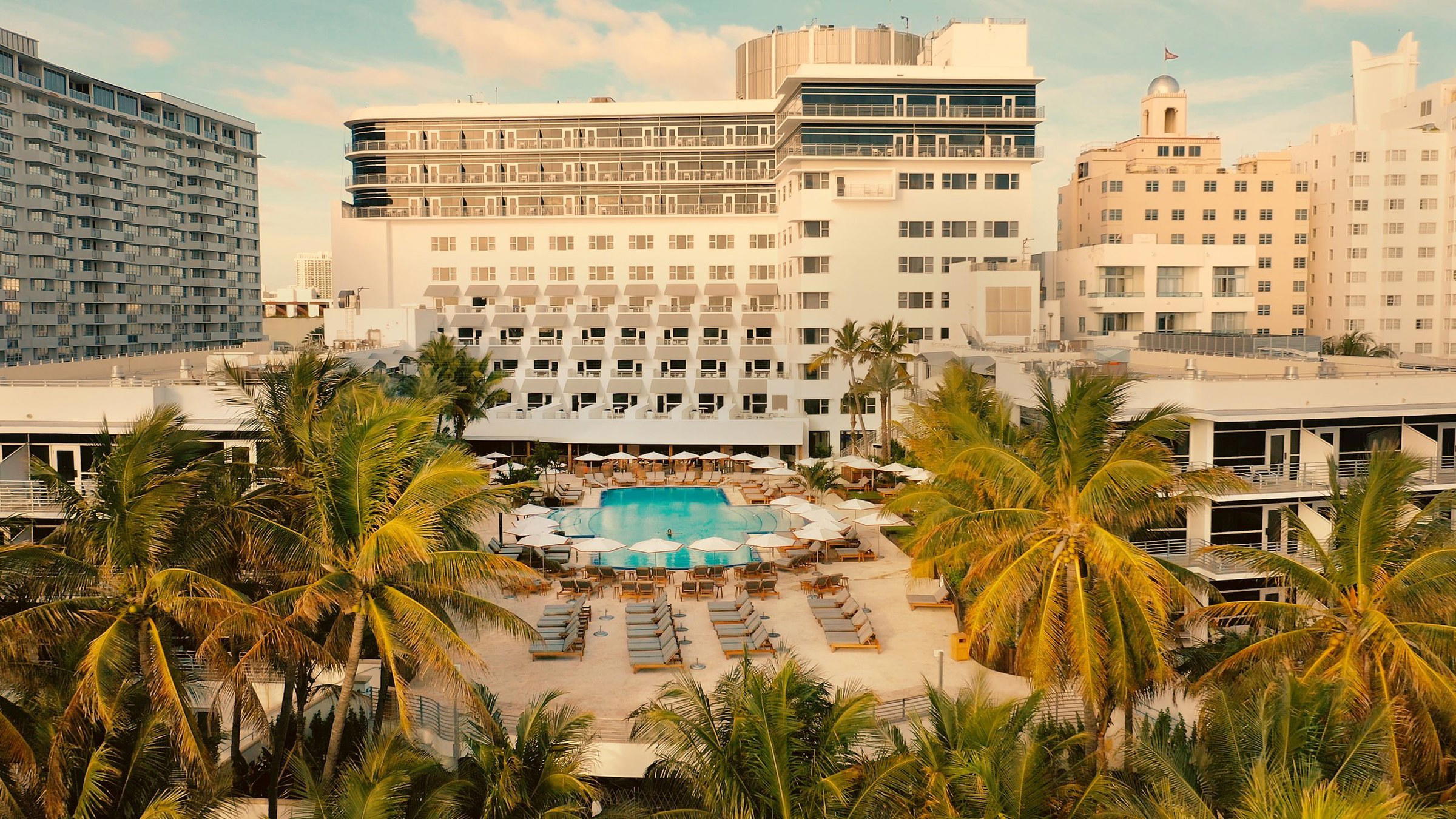
South Beach has never struggled to produce grand hotels, but most of them compete on volume: bigger pools, louder lobbies, more Instagram-ready corridors. The Setai, Miami Beach operates on a different register entirely. The property occupies two distinct structures at 2001 Collins Avenue: the restored facade of the 1936 Dempsey Vanderbilt hotel, a protected landmark within the Miami Beach Art Deco Historic District, and a 40-story aquamarine glass tower rising directly behind it. The visual contrast is deliberate. The tower's curved glass reads almost like an extension of the Atlantic itself, while the low-rise Deco building anchors the property to the neighbourhood's architectural history. Together they frame one of the more considered hotel entries on the beach.
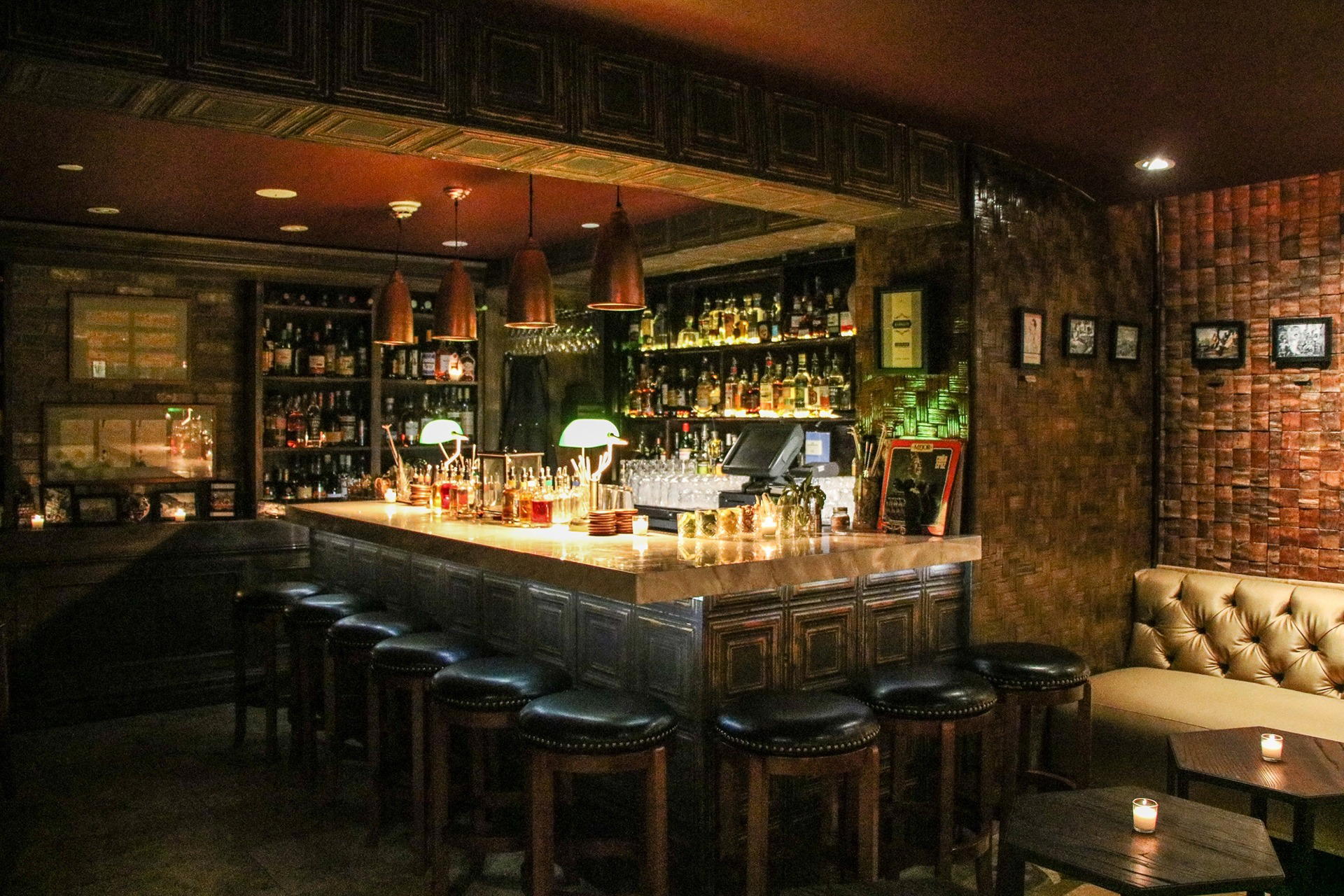
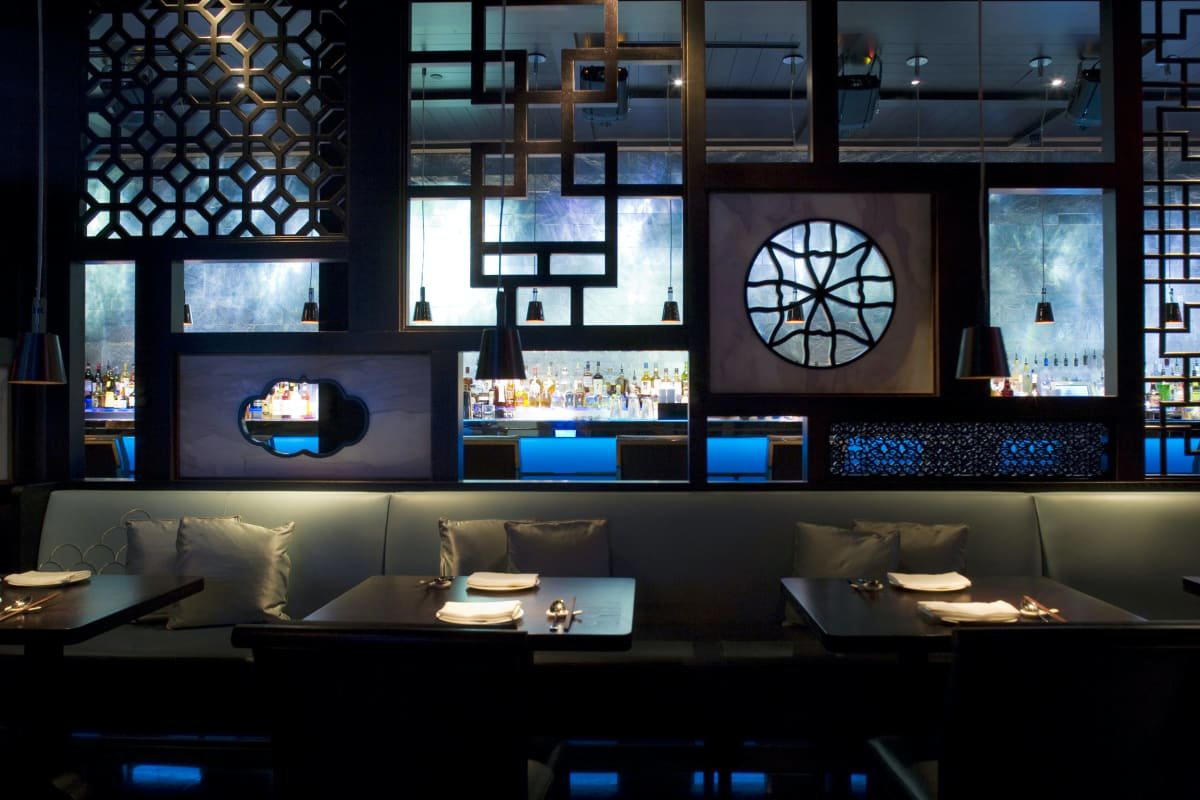
Step through the lobby and the design logic becomes immediately clear. The antique gray brick underfoot was transported brick by brick from an Art Deco building in Shanghai, a detail that encapsulates The Setai's central design argument: that the geometric precision of 1930s South Beach and the restrained aesthetics of East Asian design are not in conflict, but in conversation. Dark surfaces dominate throughout. Black granite, polished teak, and deep shadow tones replace the coral pinks and blinding whites that define most of Miami Beach's luxury tier. The effect is closer to a Jakarta design hotel or a Singaporean boutique property than anything you'd typically associate with Collins Avenue.
The Overnight Stay: What Happens Inside the Room
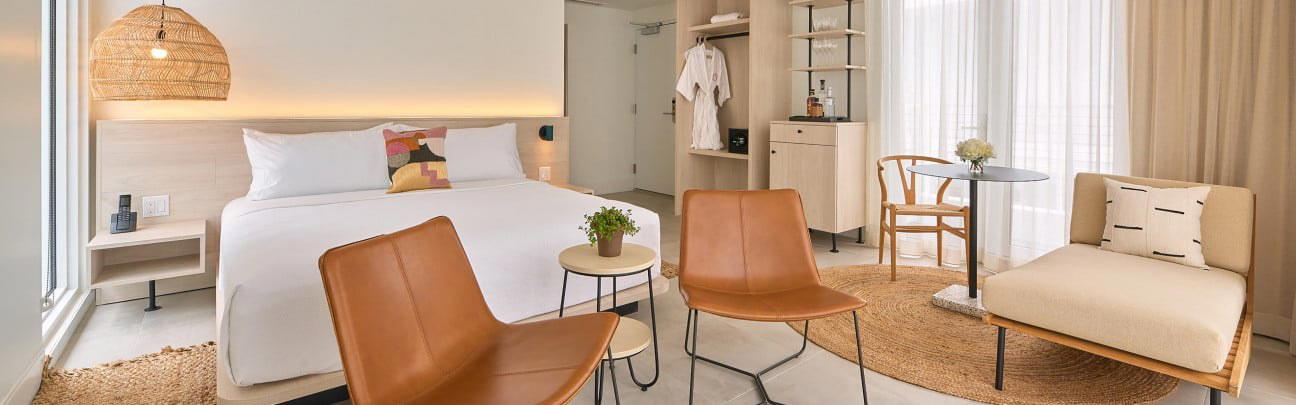
The Setai's 120 rooms and suites divide across two buildings, and the choice between them shapes the stay considerably. Studio suites in the Art Deco building are organised around clean teak lines and black granite accents, with a spa-forward sensibility that extends to the bathrooms: several suites in the original building feature black soaking tubs built directly into the wall, positioned to face toward the beach, surrounded by built-in couch seating that converts the bathroom zone into its own room within the room. The format is less about utilitarian function and more about treating the bath as a focal point for an evening's decompression.
Tower suites operate at a different scale. Floor-to-ceiling glass windows run across the oceanward wall, bringing unobstructed Atlantic views into the room from considerable height. Spacious living areas, gourmet kitchens, and large balconies accompany the upper-floor suites, making them better suited to extended stays or families who want genuine room to spread across. The technology package throughout the property keeps pace with what a Forbes Five-Star rating demands, though the in-room experience here is less defined by gadgetry and more by the quality of the surfaces and silence. The building's mass and the design's restraint produce rooms that absorb the noise of South Beach rather than amplifying it.
The property's 3 Pool Villas and 62 Ocean Suites, including a Penthouse, sit at the upper end of the inventory. Rates begin around $1,080 per night, which by South Beach standards for this tier is consistent with the property's positioning as the highest-priced option on the strip. The Setai holds that position in part through the depth of its service model: a Clefs d'Or Chief Concierge designation signals concierge staff operating at the highest international certification standard, a credential that distinguishes the property from peers where concierge service is competent but not formally benchmarked.
Three Pools, a Spa, and the Meaning of Beachfront
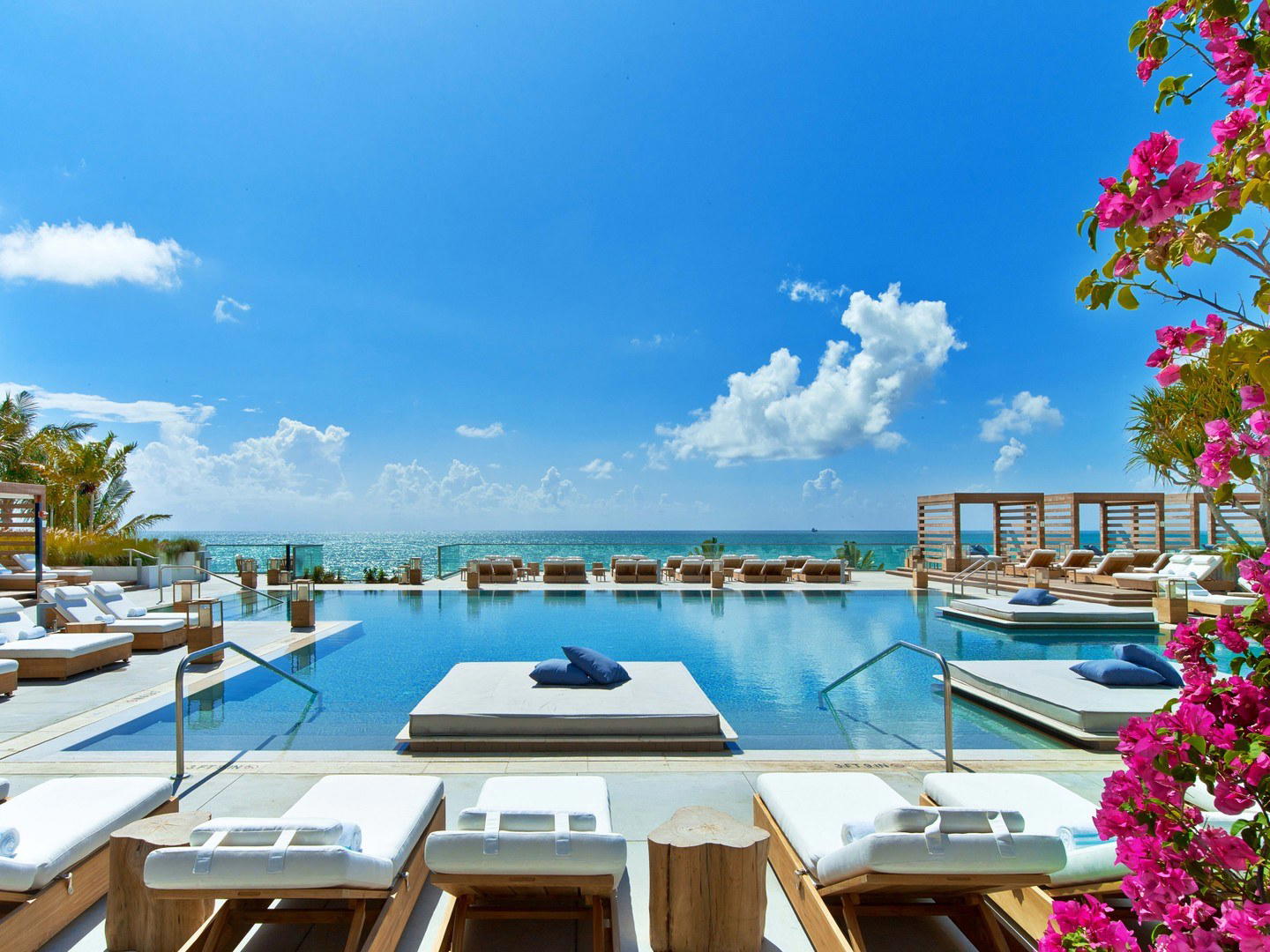
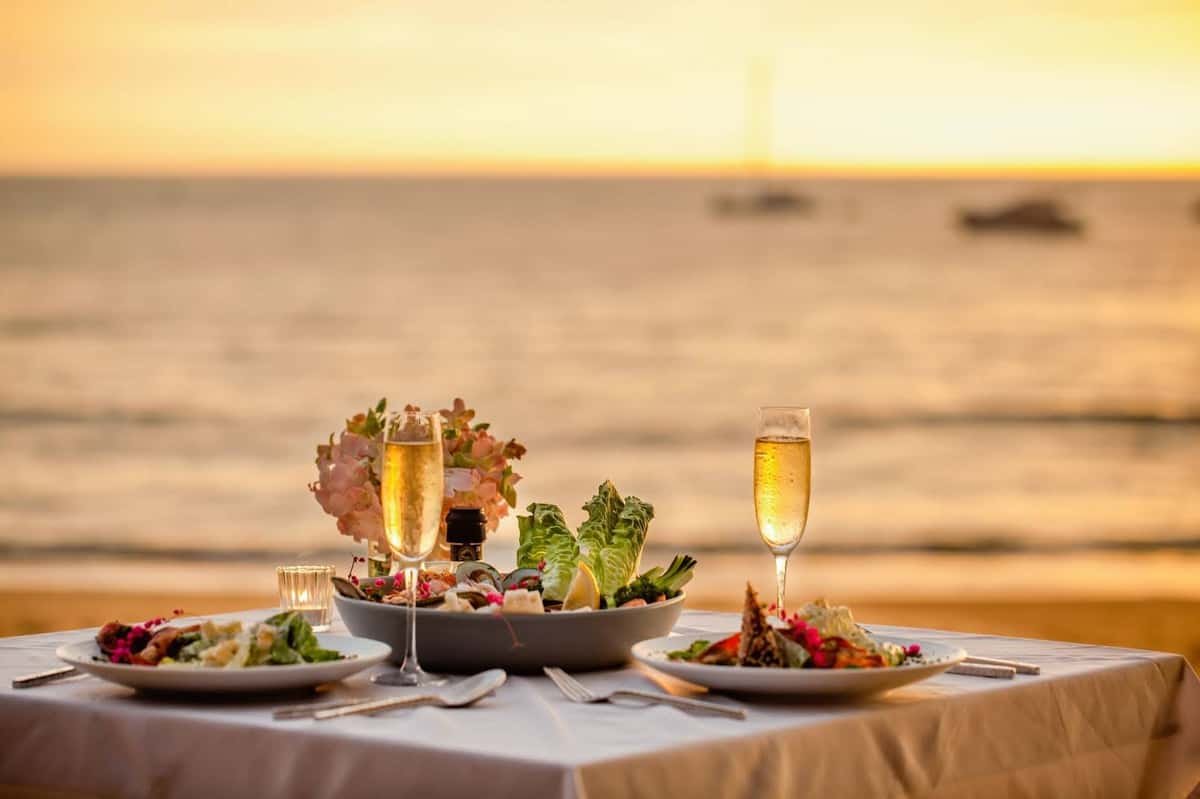
The pool configuration at The Setai has become one of its more discussed practical features. Three separate pools sit side by side, each temperature-controlled to a different level and separated by hedges that create visual privacy between them. The structure allows guests to select based on preference rather than availability, an arrangement that works against the usual luxury hotel problem of a single showpiece pool surrounded by occupied sun loungers. Oversized daybeds line the pool area, and the Atlantic is a short walk beyond. Beachfront services extend the hotel's reach onto the sand directly.
Valmont for The Spa at The Setai runs just four private spa suites, each with its own bathroom, steam shower, and changing area. The limited room count keeps the spa at a low-volume, appointment-led format rather than a destination wellness centre with open relaxation lounges. Guests planning a treatment should note there is no dedicated pre- or post-treatment lounge on the property, which means timing arrival to appointments matters more here than at larger resort spas. The treatment philosophy draws on healing traditions from Bali, India, and Tibet, continuing the property's broader Asian hospitality framework into its wellness programming. For guests whose spa priorities extend to extended decompression time between treatments, properties like Canyon Ranch Tucson in Tucson or Amangiri in Canyon Point offer a more expansive wellness infrastructure.
Dining: Asian Framework, Miami Beachfront Setting
Hotel dining on South Beach tends toward spectacle over substance, with oversized menus and nightlife-adjacent energy. The Setai's food and beverage program takes a different approach. Jaya, the main restaurant, serves Asian cuisine across multiple regional traditions without collapsing them into a single fusion identity. The model is described internally as a mixing and matching of authentic Asian dishes rather than a hybridised menu, which places it closer to the pan-Asian format established in Singapore and Hong Kong than to the fusion restaurants that dominated American hotel dining in the 1990s. Executive Chef Vijayudu Veena leads the kitchen. The Ocean Grill operates as a complementary format, oriented toward fresh seafood in a beachfront setting.
Awards and Competitive Position
Within the South Beach competitive set, which includes large-brand properties like The Ritz-Carlton South Beach and the Faena Hotel Miami Beach, The Setai occupies a position defined by restraint rather than maximalism. The Faena's aesthetic is theatrical; The Setai's is considered. Both hold premium price positions, but they draw on different design languages and attract guests with different priorities. Other South Beach alternatives across a range of formats and price points include 1 Hotel South Beach, Esmé Miami Beach, Betsy, and Hotel Greystone — Adults Only. For guests considering design-led hotels in Miami's broader geography, Mayfair House Hotel & Garden and Mr. C Miami – Coconut Grove represent the Coconut Grove alternative. The resort tier north of the city, particularly Acqualina Resort and Residences on the Beach and the Four Seasons at The Surf Club in Surfside, offers a quieter beachfront experience for guests who find South Beach's energy misaligned with their priorities.
Internationally, The Setai's design-led, low-key luxury positioning places it in a peer conversation with properties like Aman New York in New York City, Aman Venice in Venice, and Badrutt's Palace Hotel in St. Moritz, all of which share the characteristic of historic architectural fabric combined with contemporary luxury standards. Within the United States, Hotel Bel-Air in Los Angeles, The Fifth Avenue Hotel in New York City, Raffles Boston in Boston, Auberge du Soleil in Napa, Post Ranch Inn in Big Sur, SingleThread Farm Inn in Healdsburg, Sage Lodge in Pray, Troutbeck in Amenia, Little Palm Island Resort & Spa in Little Torch Key, and Kona Village, A Rosewood Resort in Kailua Kona each represent distinct luxury formats for comparison. For the full Miami hotel and restaurant picture, see our full Miami restaurants guide.
Planning Your Stay
The Setai is at 2001 Collins Avenue in the South Beach section of Miami Beach, within the Art Deco Historic District and directly on the ocean. The property is explicitly child-friendly in its infrastructure, with family-oriented suites featuring kitchens in the Tower building and a designated family pool. That said, the hotel does not offer dedicated children's programming or youth amenities, making it better suited to self-sufficient families than resorts with structured kids' clubs. Room rates begin at approximately $1,080 per night; the hotel website is thesetaihotel.com.
How The Setai, Miami Beach compares with similar nearby venues.
| Venue | Awards |
|---|---|
| The Setai, Miami Beach | Michelin 2 Keys |
Recognition history
Dated appearances from independent guides and award organizations, with the underlying list record or original source where available.
Forbes 5-Star
Forbes
La Liste Top Hotels
La Liste
Virtuoso Luxury Hotel Partner
Virtuoso
Vogue 2026 Vogue Best Hotels in Miami
Vogue
AAA 5 Diamond
AAA
Forbes 5-Star
Forbes
Leading Hotels of World Member
Leading Hotels of World
Michelin 2 Keys
Michelin
World Travel Awards
World Travel Awards
Michelin 2 Keys
Michelin
At a Glance
- Elegant
- Sophisticated
- Ornate
- Quiet
- Romantic
- Honeymoon
- Romantic Getaway
- Wellness Retreat
- Anniversary
- Beachfront
- Infinity Pool
- Rooftop Pool
- Destination Spa
- Wi Fi
- Pool
- Spa
- Fitness Center
- Room Service
- Concierge
- Valet Parking
- EV Charging
- Beach Access
- Waterfront
- Wi Fi
- Pool
- Spa
- Fitness Center
- Room Service
- Concierge
- Valet Parking
- EV Charging
- Beach Access
Dark wood tones, soft lighting, flowing water features create a calm, serene retreat with refined elegance.
Know Before You Go
- Getting there
- 2001 Collins Ave, Miami Beach, FL 33139