Giselle Miami
Our verdict
Giselle Miami occupies a corner of Miami's Arts District dining scene where conscious sourcing and seasonal discipline intersect. The restaurant sits at 15 NE 11th St in Wynwood-adjacent Midtown, placing it inside a tier of Miami dining rooms that trade on ingredient provenance and kitchen philosophy as much as chef pedigree. For the city's sustainability-oriented dining conversation, it registers as a serious entry point.

Pearl is the En Primeur Club membership app, where members save venues, book tables and use the concierge.
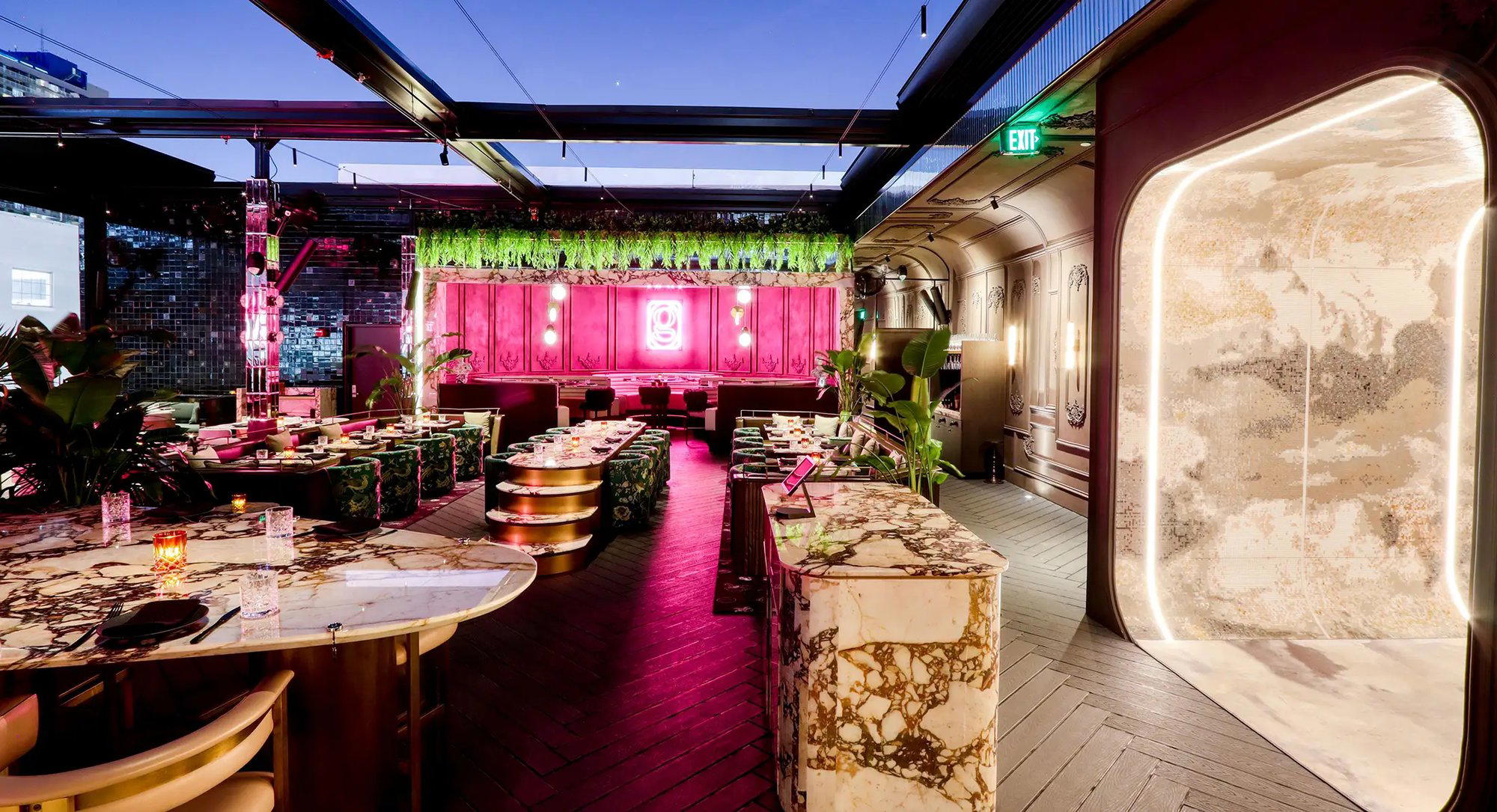
Where Miami's Ethical Sourcing Conversation Gets Serious
The stretch of NE 11th Street that runs through Miami's Arts District does not announce itself the way South Beach does. There are no valet lines three deep, no velvet ropes calibrated to make you feel fortunate to be admitted. What this corridor does offer, increasingly, and with some force, is a dining culture that has more on its mind than spectacle. Giselle Miami, at 15 NE 11th St, sits inside that shift. The address alone locates it in a tier of Miami restaurants where the sourcing philosophy tends to precede the menu in the conversation.
Miami's fine dining scene has historically leaned on protein-forward formats and imported luxury signals. The last decade has produced a counter-current: restaurants that treat ingredient provenance, waste reduction, and ethical supply chains as primary design elements rather than afterthoughts dressed up in press copy. Giselle belongs to that second tendency. Its position in the Arts District places it alongside a cluster of properties that have collectively redefined what ambitious dining in this city can look like when it is not performing for the beach crowd.
The Sustainability Tier: How Miami's Conscious Dining Movement Holds Together
Across American fine dining, the sustainability conversation has split into two largely incompatible camps. One camp treats environmental credentials as a branding layer applied to an otherwise conventional kitchen operation. The other builds sourcing ethics structurally into the menu format, the supply relationships, and the seasonal logic of the cooking. The gap between these two approaches is wide, and experienced diners tend to close it fast. Restaurants operating in the structural camp, places like Blue Hill at Stone Barns in Tarrytown or Single Thread Farm in Healdsburg, have set a standard that forces every serious peer to answer the same question: is the commitment to ethical sourcing baked into the kitchen's operating logic, or is it a garnish?
Miami has produced its own version of this question. Ariete, operating in the Coconut Grove orbit, demonstrates what Modern American cooking looks like when it takes local Florida ingredients seriously at the $$$$ tier. Boia De has built a loyal following around a tightly edited Italian-contemporary format that resists the bloat of large menus and imported prestige ingredients. Both represent a Miami that is thinking harder about what is on the plate and why. Giselle enters this scene from the Arts District side, where the visual culture of the neighbourhood and the dining culture increasingly share a vocabulary around intention and restraint.
National comparison points matter here because they calibrate expectations. Smyth in Chicago has shown how a farm-anchored procurement model can coexist with genuine technical ambition. Lazy Bear in San Francisco builds its seasonal menu around a communal format that treats sourcing decisions as part of the narrative guests are invited to follow. Addison in San Diego brings Relais and Chateaux-level precision to a Southern California seasonal framework. These are the peer references against which a sustainability-oriented Miami restaurant of serious intent should be measured.
The Arts District as Dining Context
Wynwood and the adjacent Arts District have undergone the familiar arc: artist studios displaced by galleries, galleries displaced by branded pop-ups, pop-ups displaced by restaurants that arrived to serve the crowd that came for the art. What the district retains, despite the commercial pressure, is a tolerance for the experimental and the unfinished. Dining rooms here are permitted to have a point of view that would read as eccentric in Brickell or performatively edgy in South Beach. That freedom has attracted a cluster of operators who are genuinely trying something, rather than replicating a proven format with different branding.
For a restaurant with sustainability at its structural centre, this location carries a specific logic. The Arts District's independent-operator density means that supply chain relationships tend to be shorter and more direct than in the large hotel dining rooms that anchor the waterfront. Local farms, ethical fisheries, and small-batch producers can reach a kitchen like Giselle's with fewer intermediary steps. The neighbourhood's walkable scale also supports the kind of repeat-customer relationship that allows a kitchen to take risks on produce-driven menus and seasonal dish rotations without losing a base that showed up only for the signature dish photographed in a magazine.
Within Miami, Giselle's NE 11th St address positions it outside the obvious luxury-hotel restaurant cluster (the L'Atelier de Joël Robuchon Miami end of the market) and inside a more independent tier. Cote Miami at the $$$ Korean steakhouse tier and ITAMAE with its Peruvian-Japanese precision each illustrate that the city's non-hotel fine dining has genuine range. Giselle sits within this independent cohort, where the competitive signal is kitchen conviction rather than brand association.
Further afield, the sustainability-forward fine dining comparison set includes Providence in Los Angeles, where a seafood-centred menu operates with documented ecological sourcing commitments, and Le Bernardin in New York City, which has integrated sustainability certifications into a kitchen operation running at three-Michelin-star level. In New Orleans, Emeril's has made Louisiana provenance central to its identity over decades. Even internationally, Atelier Moessmer Norbert Niederkofler in Brunico has built its entire philosophy around cook-the-mountain sourcing ethics, demonstrating that a zero-compromise approach to local and ethical procurement can sustain recognition at the highest level. These are the benchmarks that define what structural sustainability looks like across the format.
For Miami specifically, the comparison with The French Laundry in Napa or The Inn at Little Washington is less about price tier than about the seriousness with which garden-to-table logic is executed. Those kitchens have demonstrated that seasonal discipline and sourcing ethics do not require sacrificing technical rigor. A restaurant in Miami making similar claims has those references as its implicit standard. You can also explore the full Miami restaurants guide to understand how Giselle fits within the city's broader dining progression.
for diners tracking the national sustainability dining conversation, Atomix in New York City offers an instructive counterpoint: a Korean fine dining format that applies sourcing discipline at the highest recognition tier, demonstrating that ethical procurement and serious culinary ambition are not in tension. That alignment is the expectation Giselle Miami will be held to as the Arts District dining scene continues to develop its own critical mass.
Know Before You Go
Address: 15 NE 11th St, Miami, FL 33132
Neighbourhood: Arts District / Wynwood-adjacent, Miami
Pricing: Price tier not confirmed; budget in line with the Arts District independent fine dining cohort ($$$-$$$$)
Getting There: The NE 11th St address is accessible from downtown Miami via Biscayne Blvd; street parking and rideshare drop-off are the standard approaches in this district
Leading Timing: Arts District restaurants in this tier typically run quieter midweek; weekend covers fill earlier in the evening
Frequently asked questions
How hard is it to get a table at Giselle Miami?
Reservation availability data for Giselle is not confirmed at this time. In the Arts District tier of Miami dining, independent restaurants with a defined sourcing philosophy and limited covers tend to fill faster than their square footage suggests, particularly on weekends and during Art Basel and Miami Art Week in December, when the district's visitor density spikes sharply.
Does Giselle Miami take an ethical sourcing approach to its seafood and meat programs?
Giselle Miami's Arts District positioning and editorial identity within Miami's sustainability-conscious dining tier suggest that provenance and ethical procurement are central to the kitchen's operating logic rather than incidental. Miami's coastal geography gives restaurants in this bracket direct access to Gulf and Atlantic seafood supply chains, and the city's proximity to Florida's agricultural interior supports meaningful relationships with local farm producers. Diners with specific sourcing questions, particularly around seafood certifications or pasture-raised meat programs, should ask the kitchen directly when booking.
A Credentials Check
Comparable venues nearby, for context on price, style, and recognition.
| Venue | Cuisine | Price | Awards | Notes |
|---|---|---|---|---|
| Giselle MiamiThis venue (the venue you are viewing) | Asian, Mediterranean & French Fusion | Not listed | Not listed | Not listed |
| Marion | Mediterranean-Asian Fusion | $50–100 | Not listed | Brickell |
| MILA | MediterrAsian Fusion | $150–200 | Michelin Plate · Wine Spectator Best of Award of Excellence | South Beach |
| Komodo | Asian Fusion | $150–200 | Not listed | Miami Financial District |
| 1986 Steak House | Argentine Steakhouse | $100–150 | Not listed | Coconut Grove |
| Cipriani Downtown Miami | Upscale Classic Italian on the Miami River | $50–100 | Not listed | Brickell |
Continue exploring
More in Miami
Restaurants in Miami
All restaurants in Miami →

Bars in Miami
All bars in Miami →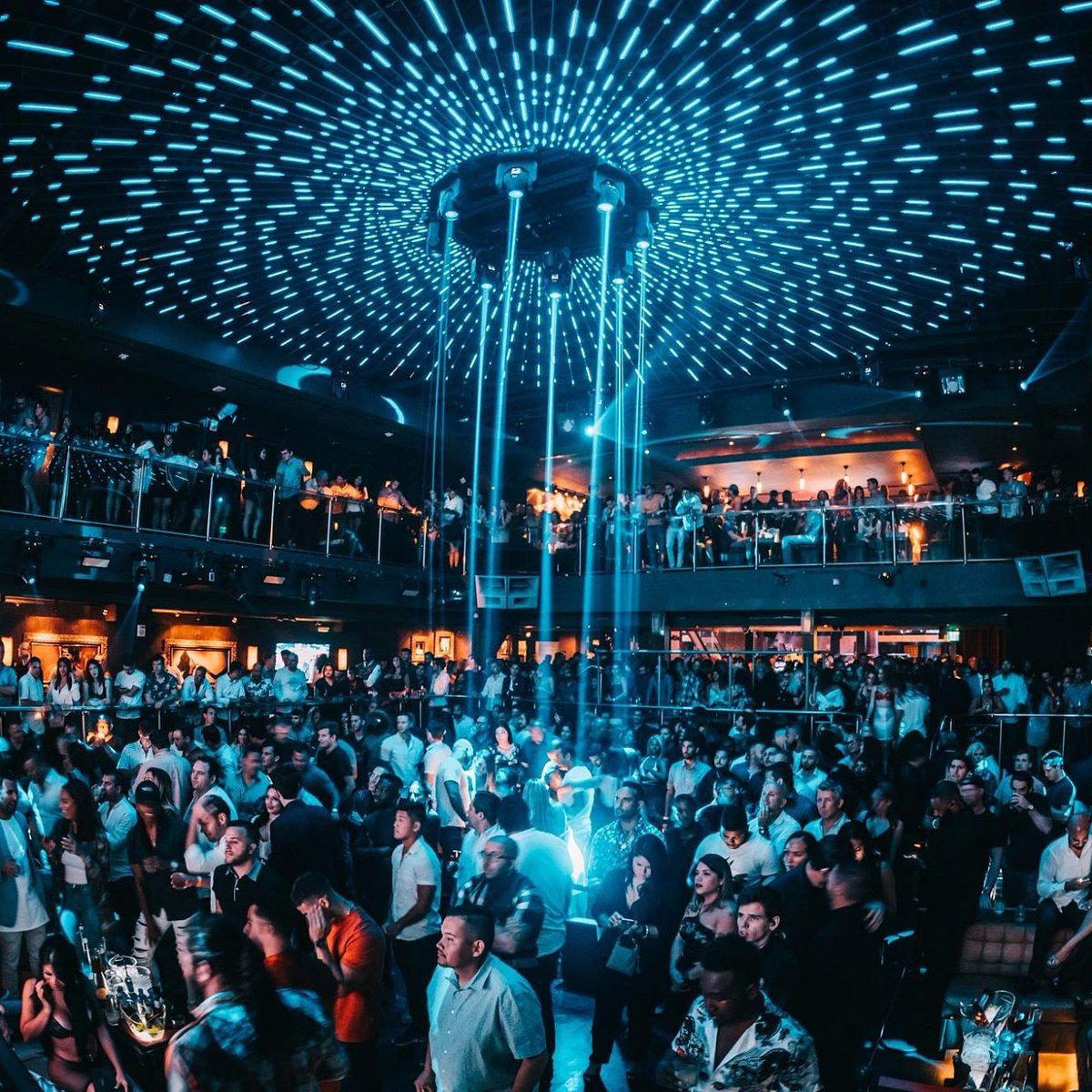

Details
- Sophisticated
- Elegant
- Trendy
- Ornate
- Date Night
- Celebration
- Late Night
- Special Occasion
- Rooftop
- Open Kitchen
- Craft Cocktails
- Skyline
- A La Carte
- Cocktails
Current opening hours
- Monday
- Closed
- Tuesday
- Closed
- Wednesday
- 6 PM–1 AM
- Thursday
- 6 PM–1 AM
- Friday
- 6 PM–3 AM
- Saturday
- 6 PM–3 AM
- Sunday
- 6 PM–1 AM
Hours can change for holidays and private events. Hours as of .
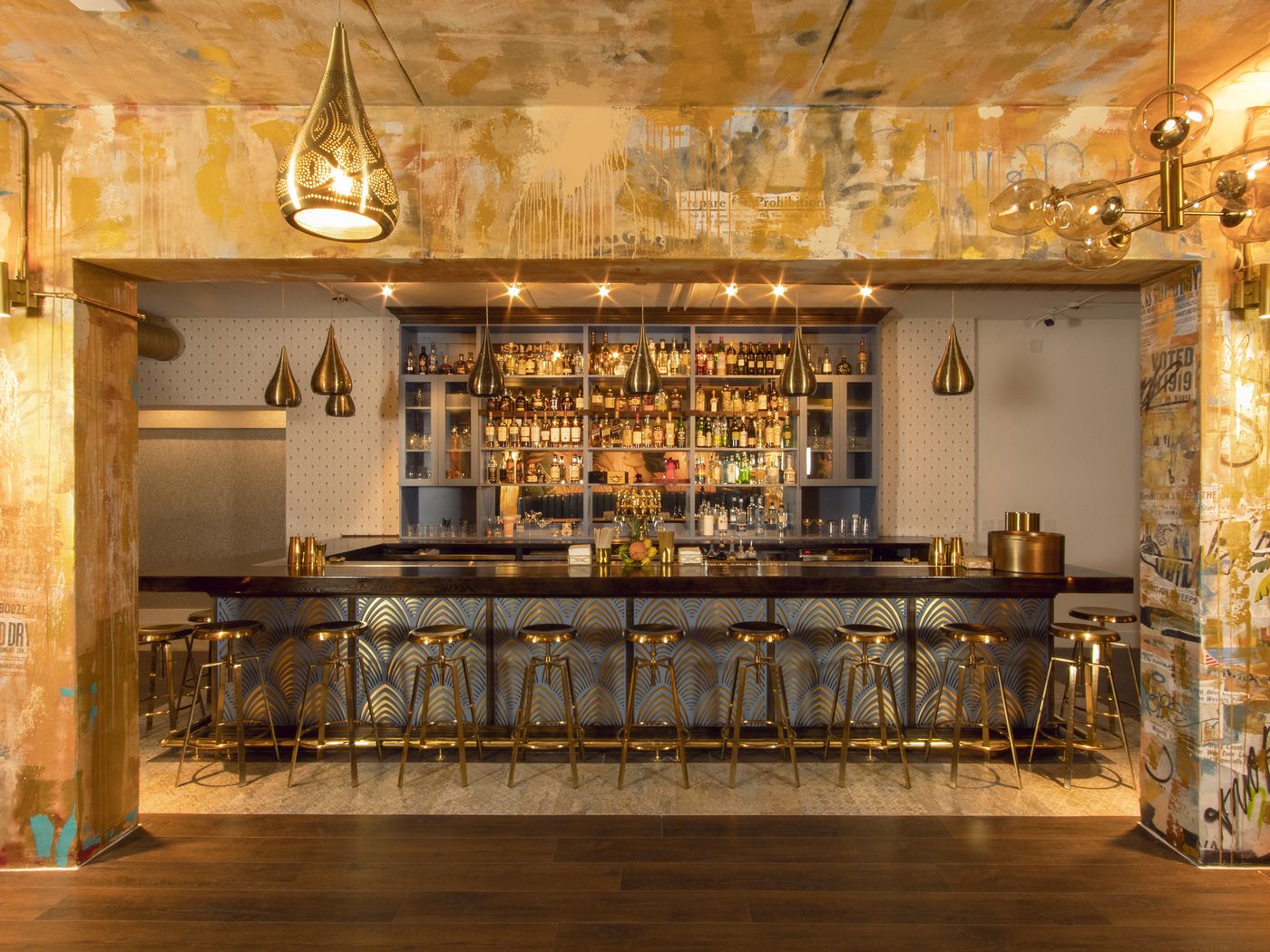
Sultry, seductive atmosphere with flattering lighting, intoxicating energy, and precise design in a dazzling panoramic setting.