Delilah

On Brickell Key, Delilah occupies a tier of Miami dining where the room is as deliberate as the menu, and nightly entertainment is woven into the format rather than bolted on. The restaurant has built a reputation around a specific kind of evening: structured, stylish, and sustained well past the last course. It is one of the neighbourhood's more closely watched reservations.
Pearl is the En Primeur Club membership app — saves, bookings, and concierge access live there. Same editors, same standards.
- Address
- 301 Brickell Key Dr, Miami, FL 33131
- Phone
- (305) 400-4657
- Website
- delilahrestaurants.com
- Directions
- Get directions
 Saves & bookings on Pearl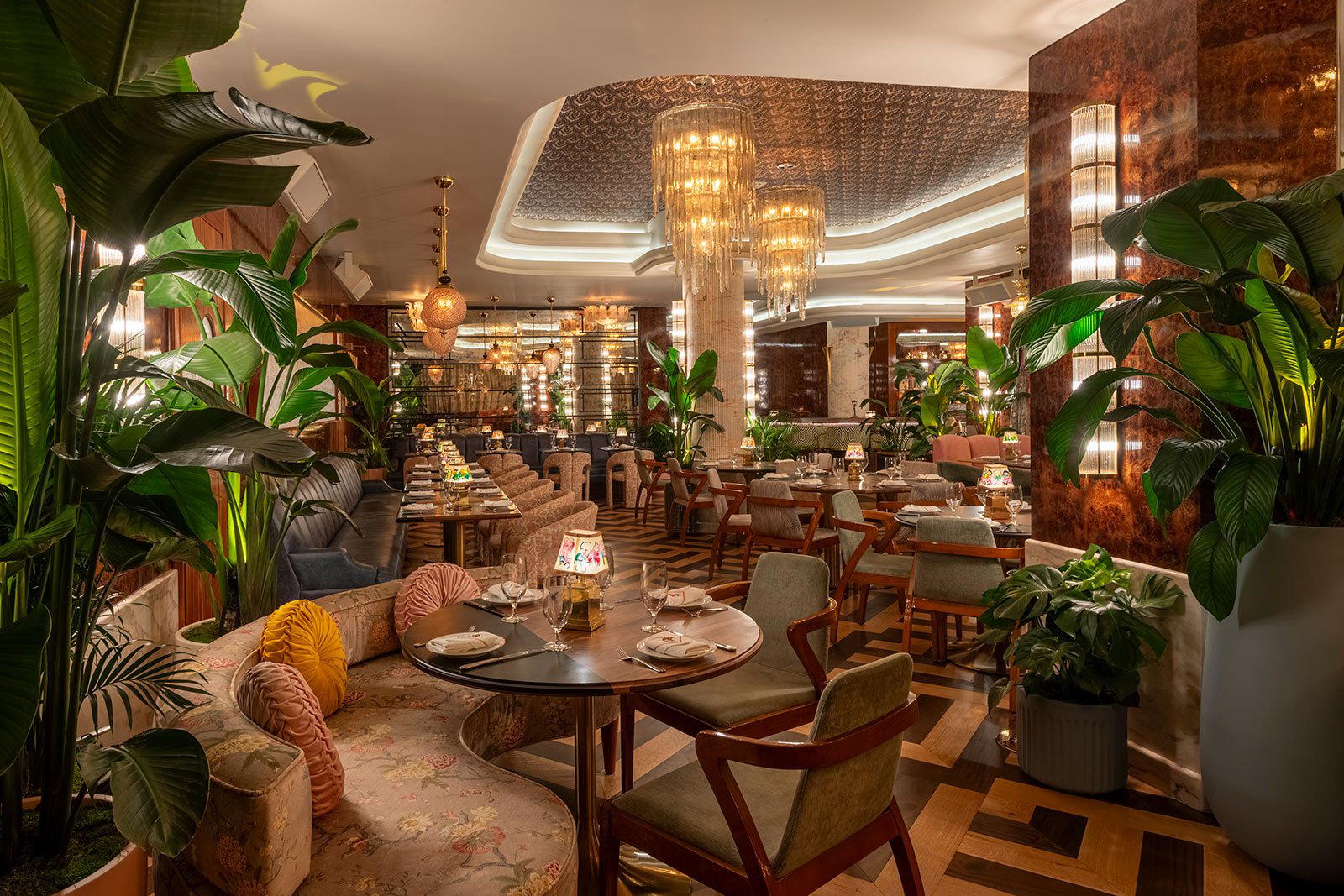
The Room Sets the Terms
Brickell Key sits just offshore from Miami's financial district, connected to the mainland by a single causeway that gives the island a self-contained quality rare in a city this porous. The dining scene on the key reflects that insularity: a smaller number of rooms, each carrying more weight, with less of the foot-traffic churn that shapes the restaurant culture a few blocks west. Within that context, Delilah, at 301 Brickell Key Drive, has positioned itself at a particular register, one where arrival feels considered, where the physical environment makes an argument before the menu does. Delilah is an American Supper Club Steakhouse in Miami's Brickell Key area, with reservations essential and an average spend of about $150 per person.
The format places Delilah inside a category of American dining that has grown more deliberate in recent years: restaurants where the room, the entertainment, and the food operate as a single choreographed experience rather than independent components. In cities like New York or Chicago, venues operating at this register, think of the theatrical architecture of Alinea in Chicago or the studied formality of Le Bernardin in New York City, have long demonstrated that atmosphere and culinary ambition are not competing priorities. Miami has been slower to commit to that thesis, but Brickell has become the neighbourhood most likely to test it.
How an Evening at Delilah Is Structured
The dining ritual at Delilah is not built around a quick turn. Nightly entertainment is integral to the format, which means the pacing of an evening here runs longer than at a conventional restaurant of comparable standing. This is not incidental: it is the designed experience. Guests who arrive expecting a two-hour dinner and a clean exit will find themselves at odds with the room's rhythm. Those who commit to the format will find that the entertainment anchors the later portion of the evening in a way that extends the meal into something closer to a night out than a dinner reservation.
That structure places Delilah alongside a small category of Miami venues where the distinction between restaurant and event space has been deliberately collapsed. The comparison set is not the austere, chef-driven rooms further west in Wynwood or the ingredient-focused counters in Coconut Grove, venues like Ariete or Boia De operate in a register where the food carries the evening without theatrical support. At Delilah, the two are inseparable, and the experience is calibrated accordingly.
Brickell's Positioning and What It Asks of a Venue
Brickell has consolidated its identity as Miami's most commercially dense neighbourhood, and its restaurant scene has followed suit. The area now contains a concentration of high-end dining rooms that compete on presentation and occasion value as much as on culinary differentiation. Cote Miami brings a Korean steakhouse format that rewards repeat visits through its structured progression of cuts and courses. L'Atelier de Joël Robuchon Miami imports a French counter format with clear international credentials. ITAMAE anchors the Peruvian-Japanese nikkei tradition in a city that has absorbed Latin culinary influence more thoroughly than almost any other American market.
Within this peer group, Delilah holds a distinct position: it is the room most explicitly designed around the experience of being in it, rather than around a culinary tradition or a chef's particular point of view. That is a legitimate strategy in a market where occasion dining drives a significant share of covers. Miami, more than most American cities, has a dining public that reserves restaurants the way it reserves event tickets, for dates, celebrations, and professional dinners where the room itself communicates something. Delilah has read that market accurately.
The Broader Pattern: Entertainment-Integrated Dining
The integration of live performance into a restaurant format is not new, supper clubs and dinner theatres have existed in various forms for over a century, but the current iteration, particularly in American cities with strong hospitality cultures, has become more architecturally sophisticated and more expensive to execute. The leading versions of this format, whether in Miami or elsewhere, succeed because the entertainment is calibrated to complement the pacing of service rather than interrupt it. Poorly executed versions ask guests to stop eating to watch, or to eat through noise that overwhelms conversation. The distinction matters enormously to whether an evening feels curated or chaotic.
At the other end of the spectrum, venues like The French Laundry in Napa or Single Thread Farm in Healdsburg have demonstrated that a multi-hour dining ritual can be sustained entirely through food and service, without entertainment as a structural prop. Lazy Bear in San Francisco splits the difference, building a communal format that is itself theatrical without relying on performance. Internationally, rooms like Alain Ducasse at Louis XV in Monte Carlo or 8½ Otto e Mezzo Bombana in Hong Kong achieve ceremony through architectural grandeur and service formality alone. Delilah's approach, rooted in entertainment integration, is a different answer to the same underlying question: how do you justify asking a guest to spend four hours at a table?
Planning a Visit
Delilah is located at 301 Brickell Key Drive, on an island that requires crossing from the mainland via the Brickell Key causeway. The address is walkable from parts of Brickell proper, though most guests arrive by car or rideshare given the surrounding road layout. Given the venue's profile within Miami's occasion-dining circuit, reservations should be treated as essential rather than advisory, the room's format attracts bookings for celebrations and corporate dinners that fill capacity in advance, particularly on weekends. Arrival timing matters: the entertainment programming runs on a schedule tied to the evening's progression, so late arrivals risk missing the sequencing that gives the experience its shape.
For those building a broader Miami itinerary, EP Club's guides cover the full range of options across the city: provide neighbourhood-level context across the city's different dining and hospitality registers. For a comparable occasion-dining perspective further afield, Emeril's in New Orleans offers a useful reference point for how entertainment heritage and culinary reputation can coexist in a single room.
Cuisine Lens
Comparable venues nearby, for context on price, style, and recognition.
| Venue | Cuisine | Price | Notes |
|---|---|---|---|
| DelilahThis venue — the venue you are viewing | American Supper Club Steakhouse | $$$$ | Not listed |
| Isabelle's Coconut Grove | Contemporary American Grill & Garden | $$$ | Coconut Grove |
| Le Voyage (Xcel) | Global Fine Dining by Daniel Boulud | $$$$ | Port of Miami |
| CRAFT Brickell | American Comfort Food & Neapolitan Pizza | $$ | Miami Financial District |
| CRAFT Midtown | American Comfort Food & Pizza | $$ | Design District |
| Carbone Miami Beach | Classic Italian-American Red Sauce | $$$$ | South Beach |
Recognition history
Dated appearances from independent guides and award organizations, with the underlying list record or original source where available.
Star Wine List
Star Wine List
At a Glance
- Ornate
- Elegant
- Sophisticated
- Lively
- Well Known
- Date Night
- Special Occasion
- Celebration
- Live Music
- Craft Cocktails
Current opening hours
- Monday
- Closed
- Tuesday
- 5 PM–2 AM
- Wednesday
- 5 PM–2 AM
- Thursday
- 5 PM–2 AM
- Friday
- 5 PM–2 AM
- Saturday
- 5 PM–2 AM
- Sunday
- 7 PM–2 AM
Hours can change for holidays and private events. Last verified .
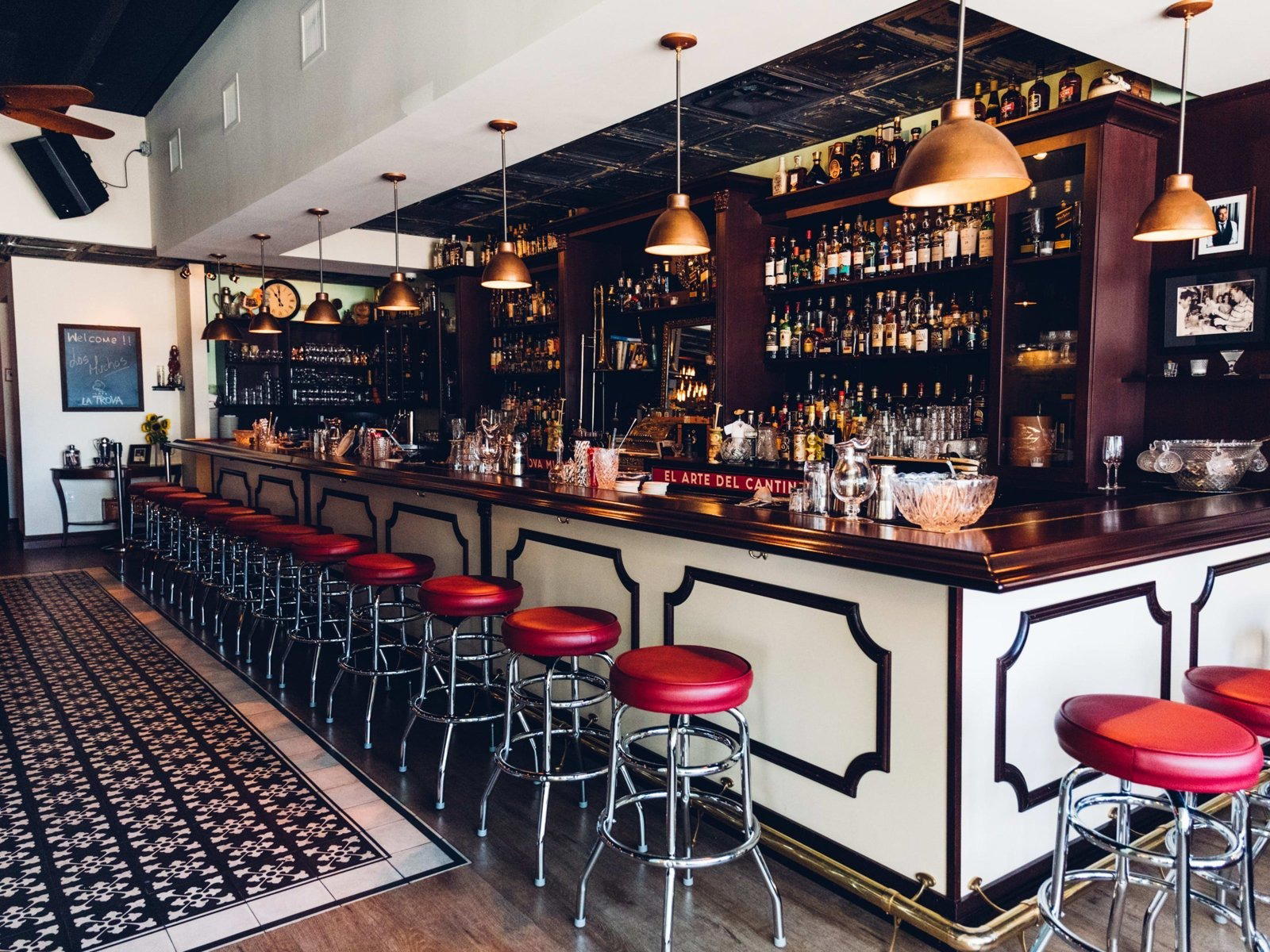
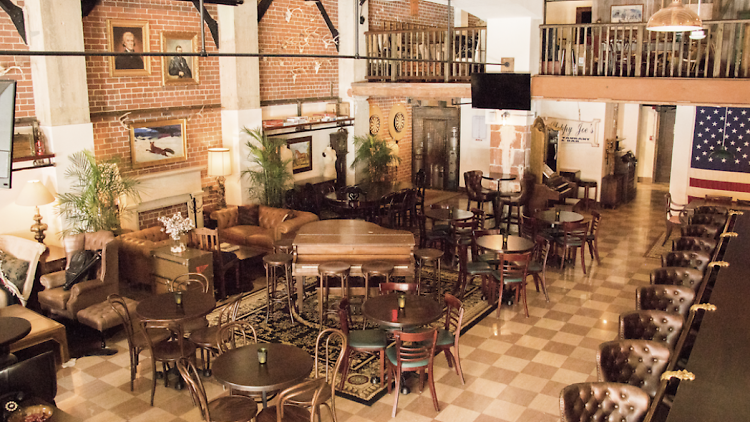
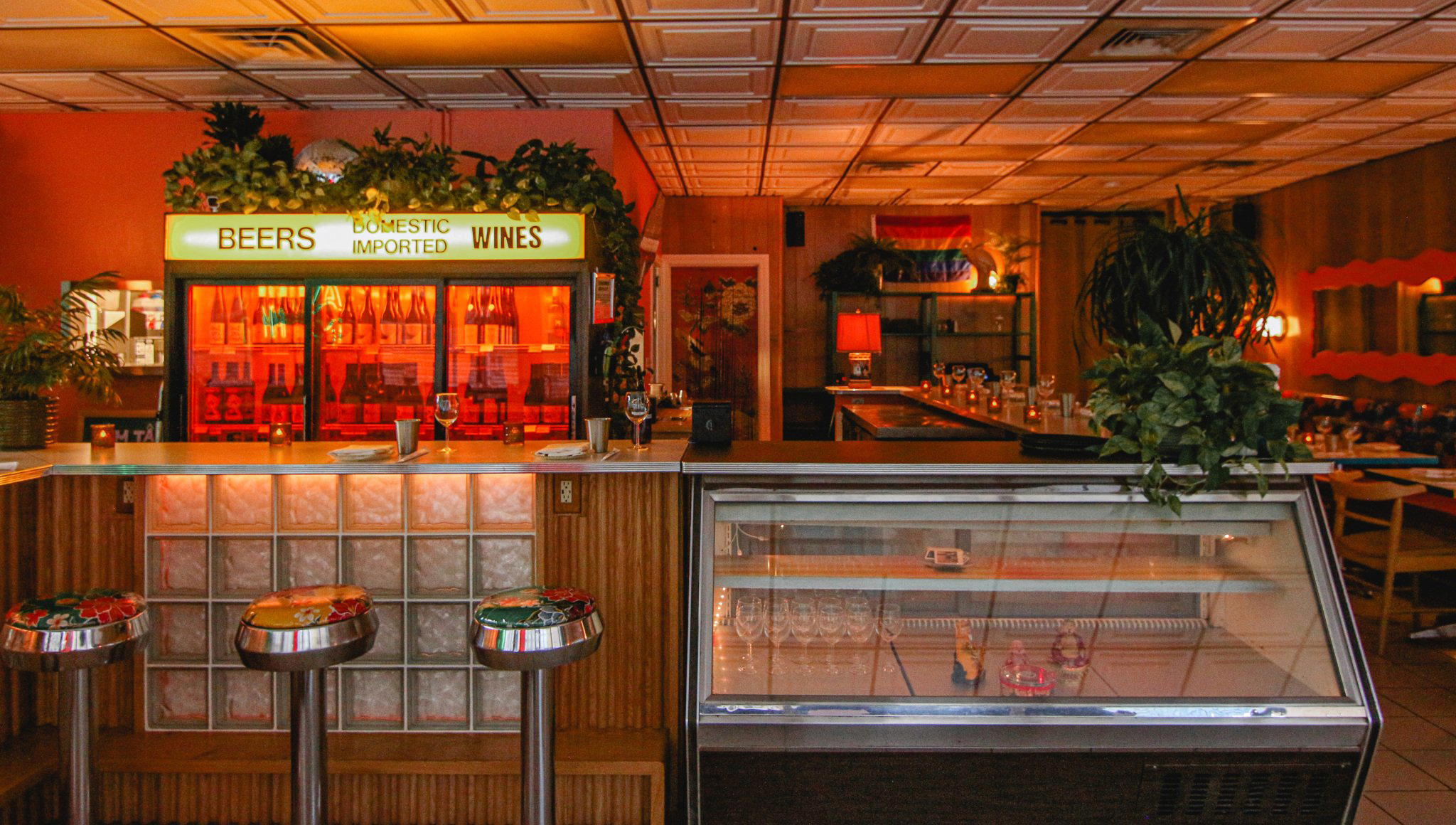
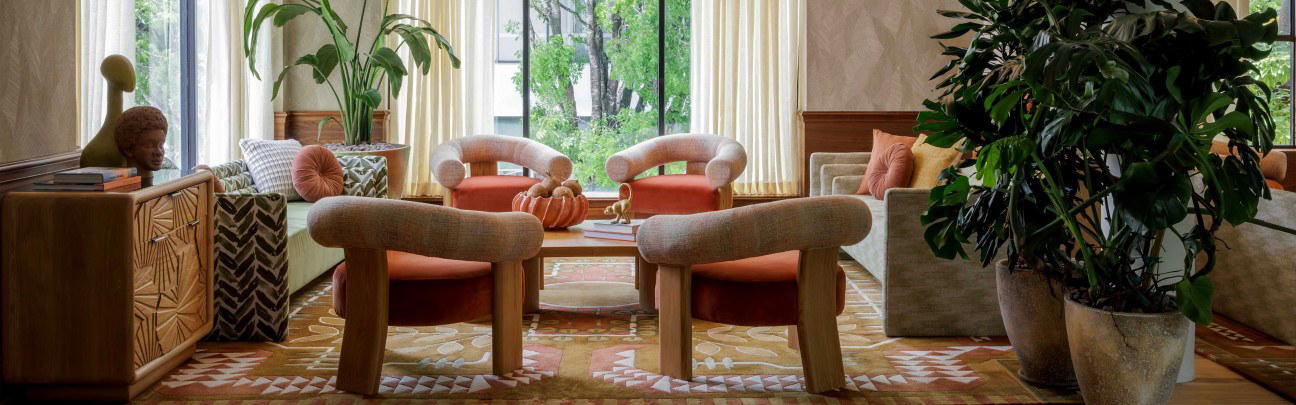
Lavish chandeliers casting warm glow, plush interiors with overstuffed armchairs, fireplace, and live music contributing to a nostalgic, glamorous supper club vibe.