Our verdict
Trattoria Mercatto operates at the intersection of Yonge Street's commercial energy and Toronto's growing appetite for Italian trattoria format dining. Positioned in the downtown core, it occupies a tier of mid-to-upper Italian dining that has expanded considerably as the city's restaurant culture has matured. For diners tracking the Italian casual-fine divide in Toronto, it serves as a useful reference point.

Pearl is the En Primeur Club membership app, where members save venues, book tables and use the concierge.
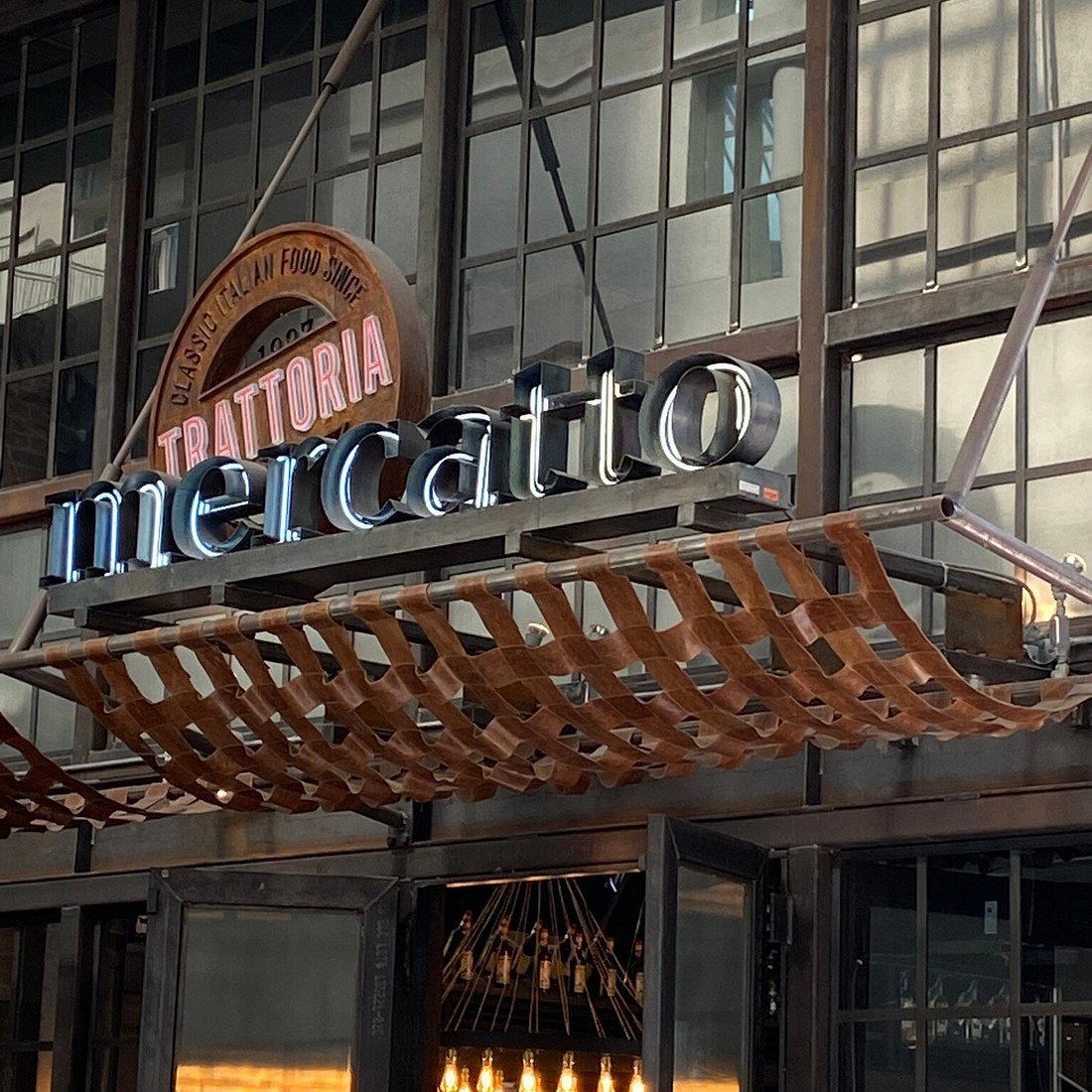
Yonge Street and the Italian Trattoria Format in Toronto
Toronto's appetite for Italian dining has sorted itself into distinct tiers over the past decade. At one end sit the formal, expense-account rooms drawing on Southern Italian fine-dining traditions, including Don Alfonso 1890 and DaNico, both operating at the $$$$ price point with tasting formats or composed à la carte menus that position them closer to the city's contemporary fine-dining tier, anchored by rooms like Alo. At the other end sit neighbourhood red-sauce spots with little editorial interest. Trattoria Mercatto occupies the middle ground: a trattoria format aimed at the downtown lunch and dinner crowd, with an address at 220 Yonge Street that places it squarely in the city's busiest commercial corridor.
The trattoria format itself carries weight as a dining category. In Italy, the word historically implied a step below ristorante formality, a place where the menu changes with market availability, the wine list leans regional, and the room rewards repeat visitors over occasion diners. Toronto's interpretation of that format has been uneven, ranging from theme-park Italianate to genuinely ingredient-led rooms. Where Mercatto lands on that spectrum matters for understanding what kind of meal you are booking.
The Environment on Yonge Street
Yonge Street between Queen and College is not a dining destination in the way that King West, the Financial District's quieter pockets, or Yorkville are. It is high-foot-traffic, transit-adjacent, and commercially dense, which shapes the rhythm of any room operating along it. The dining formats that succeed here tend to prioritize speed at lunch and atmosphere management at dinner, because the clientele shifts sharply between the two services. Office workers, retail staff, theatre-goers from the nearby venues, and hotel guests from the surrounding downtown properties all cycle through the same stretch.
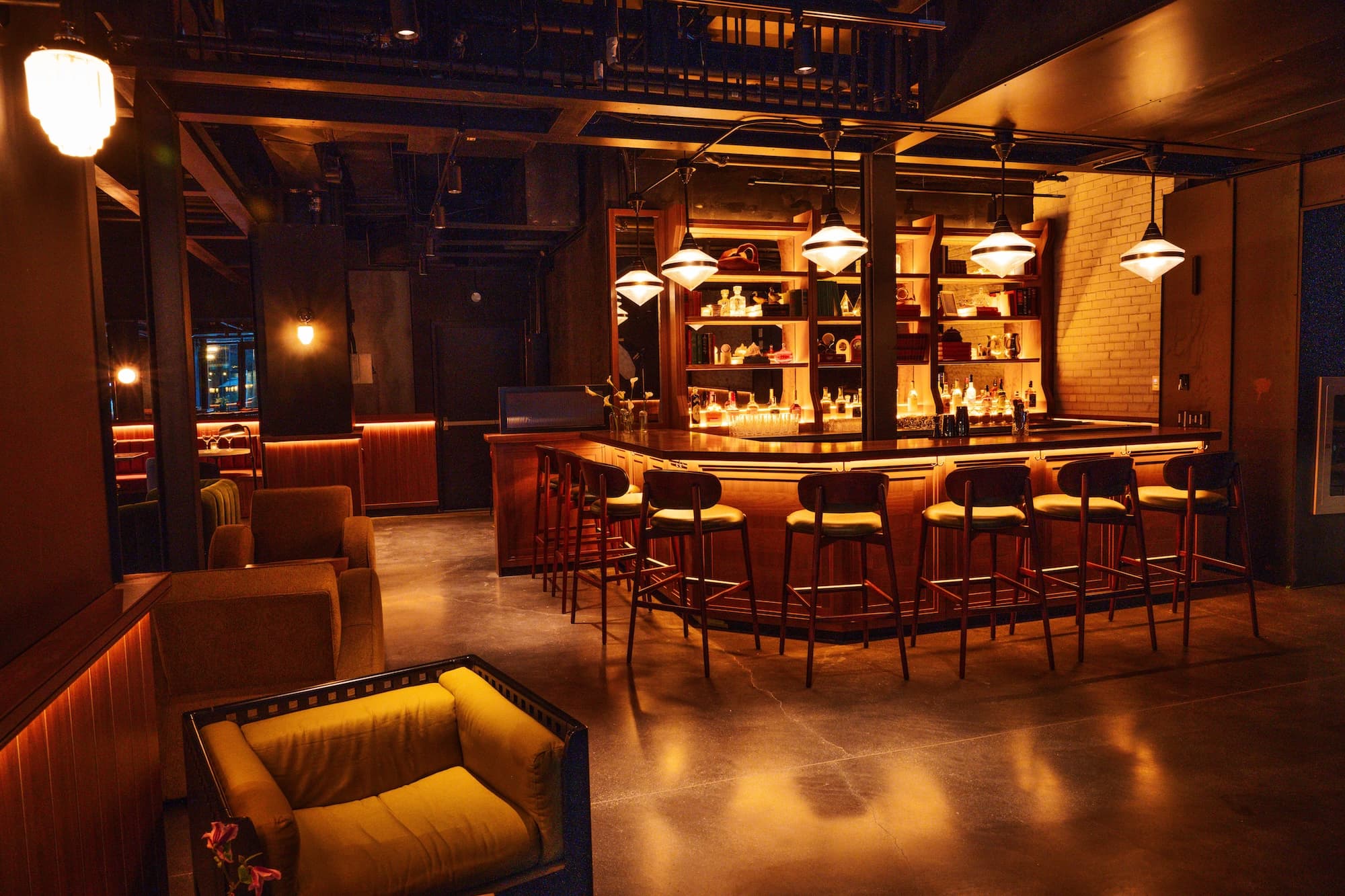
For a trattoria specifically, that environmental context means the room needs to work harder atmospherically than it would in a lower-density neighbourhood. The sounds of a busy street, the pace of the surrounding block, and the visual noise of Yonge's signage all create a baseline that the interior needs to counteract or incorporate. The most successful trattoria rooms in high-traffic urban settings internationally, from Rome's Testaccio market district to New York's Flatiron neighbourhood where venues like Le Bernardin anchor a more formal tier nearby, tend to use tight table arrangements, warm lighting ratios, and acoustic materials to produce a sense of containment against the street energy outside.
Italian Dining in Toronto's Broader Context
Toronto's Italian restaurant culture draws on several decades of immigration history, particularly from Calabria, Sicily, and the Veneto, which established a baseline of domestic Italian cooking in the city's west-end neighbourhoods before the current restaurant generation reinterpreted it. The current wave of Italian dining in the downtown core trends toward pasta-forward menus with regional specificity, natural wine programs, and format restraint. The competition is real: DaNico operates a contemporary Italian program with serious critical attention, while Don Alfonso 1890 anchors the formal end of the Southern Italian tradition in the city.
Trattoria Mercatto's position in this context is as a volume-capable, accessible Italian room in a location that most of the city's more editorial Italian spots deliberately avoid. That is both a constraint and an advantage. A Yonge Street address brings walk-in traffic and lunchtime visibility that a side-street location cannot. It also means the room operates without the self-selection that quieter neighbourhoods produce, where diners have already made a deliberate choice to seek the restaurant out. The challenge for any trattoria at this address is converting passing trade into a dining culture where regulars return for specific dishes and specific reasons rather than proximity alone.
For context on the broader Canadian dining scene that frames Toronto's Italian category, it is worth noting that the country's most discussed restaurants in recent years have largely operated in the contemporary or hyper-regional Canadian register, from Tanière³ in Quebec City to AnnaLena in Vancouver and Restaurant Pearl Morissette in Lincoln, which draws on Ontario's wine country produce. Toronto's Italian rooms operate somewhat apart from that national conversation, drawing instead on the city's own immigrant dining history and the international reference points that Toronto diners travel widely enough to apply.
What the Format Signals for the Meal
A trattoria format, executed seriously, should deliver a different kind of meal than the tasting-menu rooms that dominate Toronto's award conversation, including the city's most recognized contemporary rooms. Sushi Masaki Saito and Aburi Hana both operate at $$$$ price points in prescribed omakase and kaiseki formats where the sequence is fixed and the experience highly controlled. A trattoria operates on a different logic: the diner composes the meal, portions can be adjusted, and the room should accommodate both a quick two-course lunch and a longer dinner built across antipasto, primo, secondo, and dolce without either feeling like a truncated version of the other.
That compositional freedom is part of what makes the format appealing to a downtown lunch crowd and why the trattoria has proved durable as a category internationally even as tasting menus and chef's counter formats have taken considerable critical oxygen. The room that executes the format well creates an environment where the pasta course is the anchor, the wine pour is generous by the glass, and the noise level sits at a level that allows conversation without requiring effort. For Yonge Street, achieving that balance is the primary atmospheric challenge.
Toronto diners with Italian as a reference point will also compare Mercatto against what they encounter on trips to New York, where the Italian casual-fine tier includes rooms operating with considerable sophistication, and against the Korean-influenced contemporary dining that venues like Atomix in New York City have brought into the national conversation. The comparison is useful because it frames how much the format, not just the food, shapes the dining experience. For readers exploring the full range of what Toronto's restaurant culture offers, our full Toronto restaurants guide maps the city's dining tiers with greater granularity.
Beyond Toronto, the Italian trattoria format sits within a wider Ontario dining culture that includes rooms operating in very different registers, from the farmhouse format of Eigensinn Farm in Singhampton to the pub-leaning program at Barra Fion in Burlington and the small-town destination dining of The Pine in Creemore. Each represents a different answer to the question of what format suits its location and audience. Mercatto's answer, at 220 Yonge Street, is the high-volume urban trattoria, and the room's success depends on how well the execution matches that premise.
Planning Your Visit
Address: 220 Yonge St, Toronto, ON M5B 2H1. Getting There: The Queen subway station on the Yonge-University line is the closest transit stop, with Dundas also within walking distance. The Yonge Street location is accessible by streetcar on Queen and Dundas. Reservations: Dress: The trattoria format typically suits smart casual; the Yonge Street location and downtown lunch crowd context suggest the room does not enforce formal dress codes. Budget: Specific pricing data is not available; for reference, Toronto's Italian casual-fine tier generally runs CAD $40-90 per person for a full meal with wine, with fine-dining Italian rooms reaching considerably higher.
Frequently asked questions
What do regulars order at Trattoria Mercatto?
In the trattoria format broadly, the pasta course tends to be where the kitchen's identity is clearest, and it is the most useful guide to what a room does well. At Mercatto's address in Toronto's downtown core, a mix of à la carte Italian staples in a format accessible to both lunch and dinner services is consistent with the trattoria category. For the most current menu, contacting the venue or checking their current platform listings is advisable.
Is Trattoria Mercatto reservation-only?
Confirmed booking policy data is not. Toronto's downtown Italian rooms at this price tier and format generally accept both walk-ins during off-peak hours and reservations for dinner service, particularly Thursday through Saturday. Given the Yonge Street location and proximity to theatre venues, securing a reservation for weekend evenings is a practical precaution regardless of category.
What's the signature at Trattoria Mercatto?
The trattoria format, when executed with any seriousness, tends to anchor around a pasta program where house-made or carefully sourced dried pasta is central. Italian cuisine in Toronto's downtown tier has moved toward regional specificity in recent years, influenced by what the city's most considered Italian rooms offer. For confirmed dish information, the venue's current menu is the authoritative source.
Do they accommodate allergies at Trattoria Mercatto?
Toronto's restaurant sector operates under Ontario's food service regulations, which require clear allergen communication. For specific dietary needs, contacting the venue directly before booking is the appropriate step. The venue is located at 220 Yonge St, Toronto.
Is Trattoria Mercatto good value for money?
For reference, the trattoria format in Toronto's downtown core typically positions below the $$$$ fine-dining tier occupied by rooms like Don Alfonso 1890 and DaNico, which means the format should deliver Italian trattoria-standard portions and accessibility at a lower price ceiling. Value in this category is most accurately judged against the pasta and house wine offer, which are the category benchmarks.
How does Trattoria Mercatto fit into Toronto's Italian dining scene compared to its Yonge Street neighbours?
The Italian trattoria format is relatively rare on Yonge Street's commercial stretch, where fast-casual and chain dining tend to dominate. That gives a full-service trattoria at this address a specific niche among downtown workers and visitors who want a sit-down Italian meal without committing to the tasting-menu format or pricing of Toronto's more formal Italian rooms. For diners oriented toward the Canadian dining conversation more broadly, the contrast with venues like Jérôme Ferrer - Europea in Montreal or Aux Anciens Canadiens in Quebec illustrates how different the Italian format sits within the country's wider restaurant culture.
Comparable Spots, Quickly
Comparable venues nearby, for context on price, style, and recognition.
| Venue | Cuisine | Price | Notes |
|---|---|---|---|
| Trattoria MercattoThis venue (the venue you are viewing) | Authentic Italian Trattoria | $30–50 | Not listed |
| Zia's Place | Southern Italian Handmade Pasta | Not listed | Little Portugal |
| La Pizza & La Pasta | Neapolitan Pizza & Pasta | $20–30 | Yorkville |
| North of Brooklyn Pizzeria | NY-Style Pizza | $20–30 | West Queen West |
| Birroteca-Eataly Yorkville | Italian Birroteca with Craft Beer | $30–50 | Yorkville |
| Maker Pizza Cameron | Modern Pizza | $20–30 | Chinatown |
Continue exploring
More in Toronto
Restaurants in Toronto
All restaurants in Toronto →
Bars in Toronto
All bars in Toronto →

Details
- Lively
- Casual Hangout
- Group Dining
- Terrace
- Open Kitchen
- Extensive Wine List
- A La Carte
Current opening hours
- Monday
- 11:30 AM–10 PM
- Tuesday
- 11:30 AM–10 PM
- Wednesday
- 11:30 AM–10 PM
- Thursday
- 11:30 AM–10 PM
- Friday
- 11:30 AM–10 PM
- Saturday
- 11:30 AM–10 PM
- Sunday
- 11:30 AM–8 PM
Hours can change for holidays and private events. Hours as of .
Welcoming and lively atmosphere with a relaxed patio set in Trinity Square.