Michelin Bib Gourmand
Our verdict
A Michelin Bib Gourmand recipient in both 2024 and 2025, Zhu Zai Ji Shi Fu on Jiangnan Boulevard represents the accessible end of Guangzhou's serious Cantonese dining tier, the kind of neighbourhood-embedded cooking that the city has long defended as its own. Located in Haizhu District, it draws locals rather than hotel dining rooms, and prices that sit well below the city's formal Cantonese establishments.

Pearl is the En Primeur Club membership app, where members save venues, book tables and use the concierge.
The menu
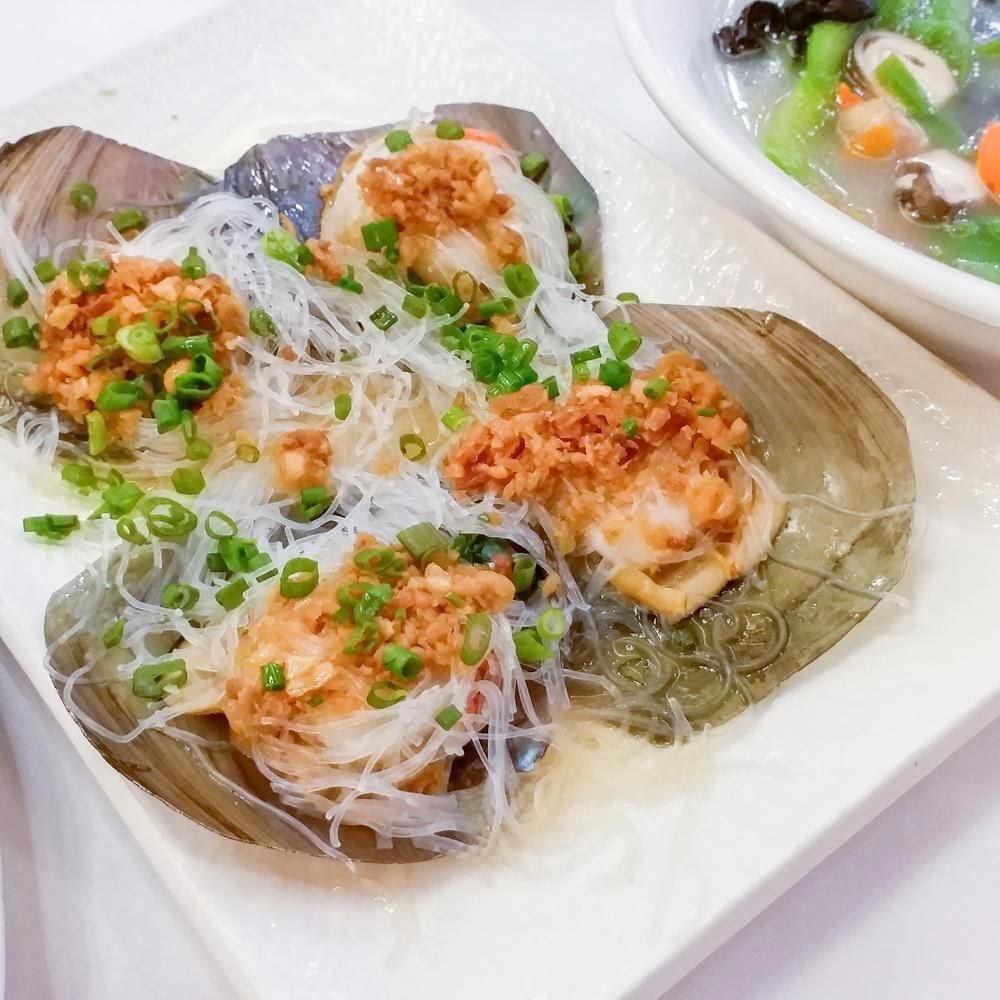
What to order
- Roast goose
- Zhu Ji steamed chicken
- Salted pork trotters
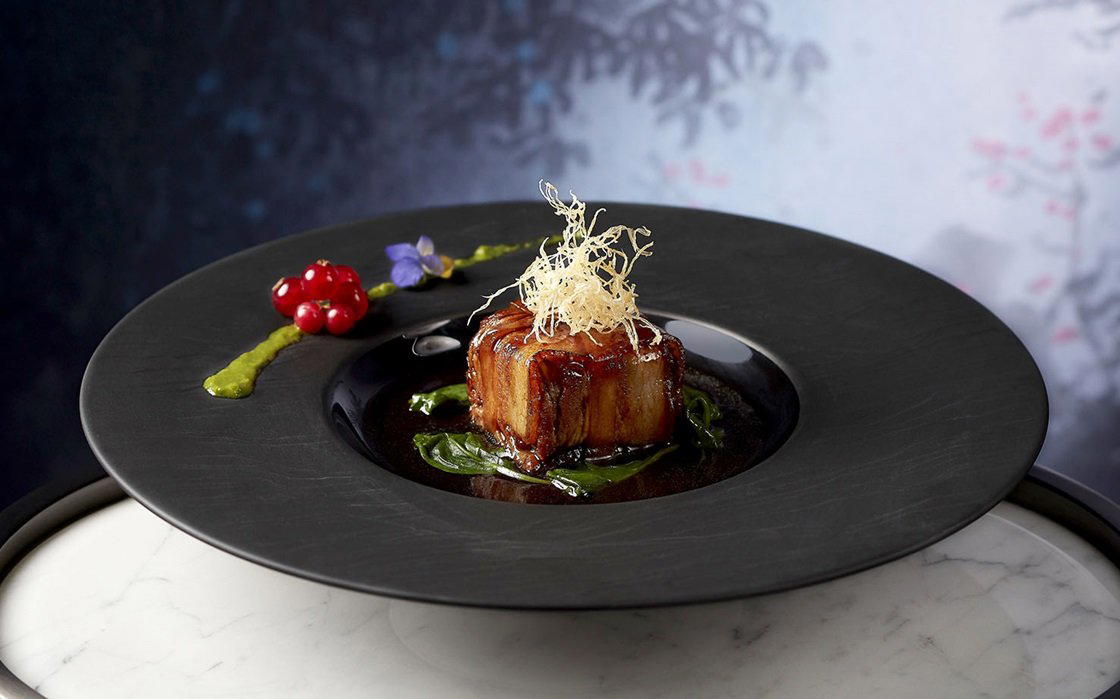
- Blackened barbecued pork
- Pastured pork soup with mung bean-stuffed lotus root
Haizhu District and the Case for Neighbourhood Cantonese
Walk south from the Pearl River into Haizhu District and the dining register shifts. The polished hotel restaurants and corporate banquet rooms that anchor Tianhe give way to something more embedded in daily life: smaller storefronts, louder tables, and cooking that does not perform for outsiders. This is where Guangzhou's Cantonese tradition sustains itself outside the award ceremony circuit, and Zhu Zai Ji Shi Fu on Jiangnan Boulevard sits inside that current. The address, 429 Jiangnan Boulevard South, places it in a stretch of the district where residents eat regularly rather than on occasion.
Cantonese cuisine at this price point (¥ per head) occupies a different position than the formal tier occupied by venues like Imperial Treasure Fine Chinese Cuisine or Lai Heen. Those rooms price against each other in a bracket that demands either a business expense account or a deliberate special-occasion decision. Zhu Zai Ji Shi Fu operates on a different logic entirely: the cost per person stays low, the kitchen focuses on a narrower set of preparations done consistently well, and the room does not ask you to dress for the occasion.
What the Bib Gourmand Signal Actually Means
Michelin's Bib Gourmand category was designed to flag exactly this kind of place: cooking that meets a quality threshold without the price tag of a starred room. The award is not a consolation prize for restaurants that fell short of stars. It is a separate recognition for venues where the value relationship between price and quality is itself part of the editorial point. Zhu Zai Ji Shi Fu has held the Bib Gourmand in both 2024 and 2025, which means the consistency required for a second consecutive listing has been met.
In Guangzhou specifically, Bib Gourmand recognition carries weight that it might not carry in cities with thinner Cantonese traditions. The inspectors are evaluating against a local baseline that includes some of the most technically demanding Cantonese cooking in the world. Earning the award twice in a city where the category-wide competition includes venues preparing dim sum, roast meats, and slow-cooked stocks at a very high level is a narrower achievement than the general Bib Gourmand designation might suggest to a first-time reader.
For comparison, the upper tier of Guangzhou's Cantonese scene, venues like Jiang by Chef Fei and BingSheng Mansion (Xiancun Road), operates at ¥¥¥ and above, with formats and room sizes calibrated for longer, more ceremonial meals. Jade River similarly sits in a different bracket by both price and setting. Zhu Zai Ji Shi Fu does not compete in that tier. It occupies the accessible end of the credentialed Cantonese spectrum, and the Bib Gourmand is the appropriate signal for that position.
Cantonese Cooking at the Neighbourhood Level
Cantonese cuisine in Guangdong Province is not a monolith. The broader regional tradition covers Cantonese proper (Guangfu), Teochew (Chaozhou), Hakka, and a series of sub-regional styles that differ in seasoning weight, preferred proteins, and cooking techniques. The Guangfu mainstream, the style most associated internationally with Cantonese cooking, prizes restraint in seasoning, the natural sweetness of high-quality produce, and precision in heat management. A wok-fried dish in the Guangfu tradition should taste of the ingredient first, with aromatics as support rather than character.
At the neighbourhood level, that philosophy translates into cooking that looks simple but is difficult to do well at volume. Roasted meats, steamed fish, stir-fried vegetables with preserved ingredients, rice congee, and noodle preparations form the working vocabulary. The challenge is not technique complexity but ingredient selection and execution consistency, problems that high-price formats solve with premium sourcing and tighter kitchen ratios. Budget-tier Cantonese kitchens solve the same problems through repetition, specialisation, and local supplier relationships built over years.
The Cantonese Bib Gourmand category in Guangzhou tends to reward exactly that kind of kitchen discipline. This is a different calculus from, say, Xin Rong Ji (Xinyuan South Road) in Beijing, where Jiangnan-style cuisine operates under a different set of regional conventions, or 102 House in Shanghai, where the Shanghainese tradition brings its own suite of sweetness, braising technique, and seasonal emphasis. In Guangzhou, the local tradition has a narrower definition of what counts as correct.
Placing Zhu Zai Ji Shi Fu in a Wider Cantonese Context
Cantonese cooking at its most formal crosses borders. Forum in Hong Kong and Le Palais in Taipei represent the diaspora high end of the tradition, where the cooking absorbs decades of iteration and the rooms function as institutions. Chef Tam's Seasons in Macau occupies a similar prestige position in the Pearl River Delta corridor. Closer geographically, Dai Yuet Heen in Nanjing demonstrates how Cantonese cooking travels north, adapting to different local palates while retaining its structural logic.
Zhu Zai Ji Shi Fu is not part of this prestige tier, and does not try to be. What makes it worth noting in that wider context is that it holds its Bib Gourmand recognition in Guangzhou itself, the city that the entire Cantonese tradition treats as its primary reference point. Earning any Michelin recognition here, at any tier, is a harder standard to meet than it would be in cities where the competition pool is thinner or the local tradition less codified.
For travellers moving between Cantonese dining in multiple cities, the range between Ru Yuan in Hangzhou, Xin Rong Ji in Chengdu, and Zhu Zai Ji Shi Fu in Guangzhou illustrates how a single broad culinary tradition fragments into local priorities the moment you leave the Pearl River Delta. The Guangzhou version remains the most difficult to replicate because it depends on supplier infrastructure and a local dining culture that has enforced its standards for generations.
Planning Your Visit
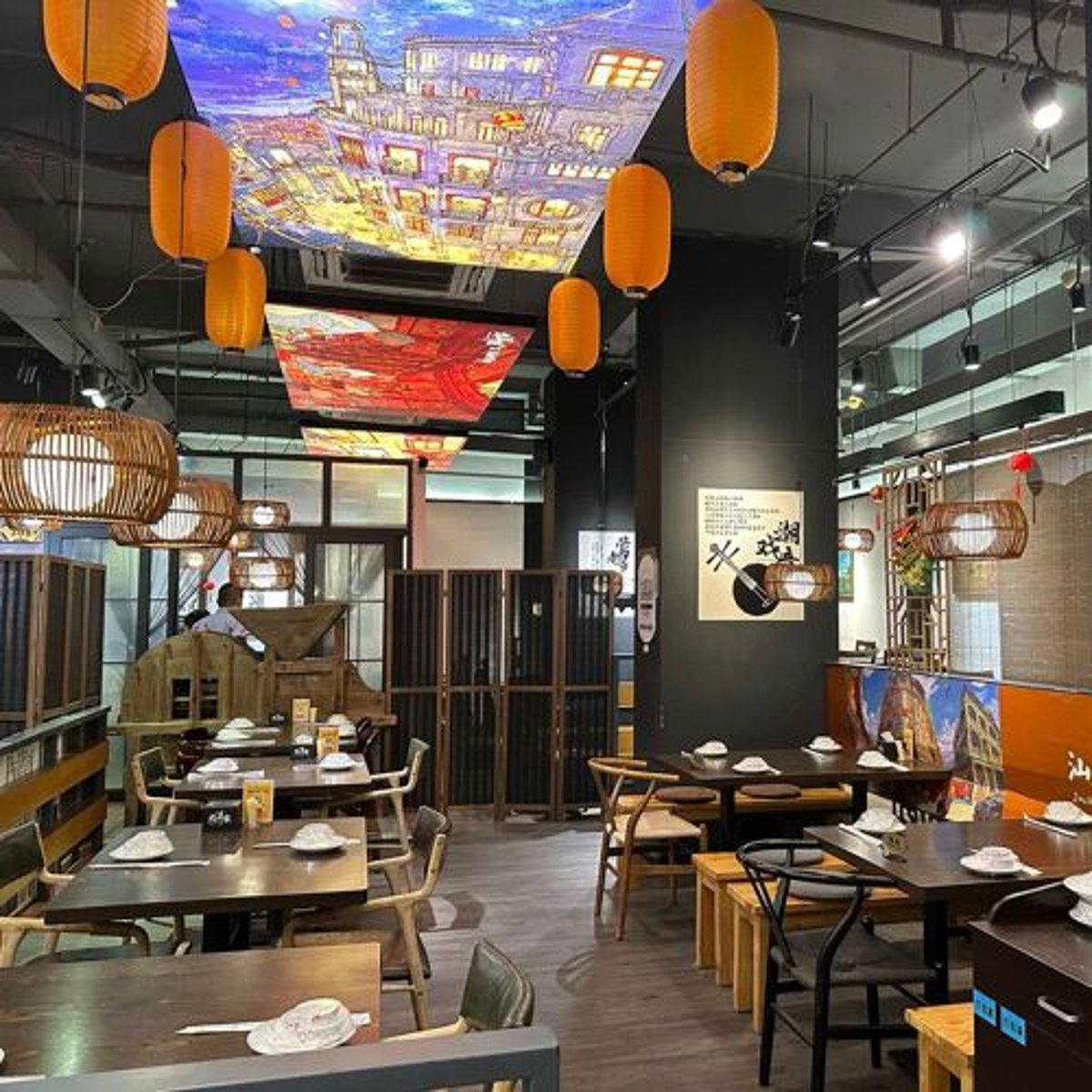
Zhu Zai Ji Shi Fu draws a predominantly local clientele in a residential and commercial stretch of Haizhu District. That profile means the busiest periods follow local rhythms, lunch services and early evenings on weekdays, longer queues on weekends. Arriving outside peak lunch hours on a weekday typically reduces wait time. The address (429 Jiangnan Boulevard South) is accessible by Guangzhou Metro, with Haizhu District well connected to central Guangzhou.
Chef Ong Cheng Kee leads the kitchen. No booking method is confirmed in available data; walk-in appears to be standard practice for venues in this format and price tier, though confirming current policy before a visit is advisable.
For a wider map of where Zhu Zai Ji Shi Fu sits within Guangzhou's full dining offer, see our full Guangzhou restaurants guide. Wider city planning resources cover hotels, bars, wineries, and experiences across Guangzhou.
Know Before You Go
- Address: 429 Jiangnan Boulevard South, Haizhu District, Guangzhou, Guangdong Province, China
- Cuisine: Cantonese
- Price range: ¥ (budget-accessible)
- Awards: Michelin Bib Gourmand 2024; Michelin Bib Gourmand 2025
- Chef: Ong Cheng Kee
- Booking: Walk-in standard for this format; confirm current policy before visiting
- Timing: Off-peak weekday lunches typically less congested
- Getting there: Haizhu District is served by Guangzhou Metro
at Zhu Zai Ji Shi Fu (Jiangnan Avenue)?
What the Bib Gourmand recognition in 2024 and 2025 does indicate, in the context of Guangzhou's Cantonese scene, is that the kitchen performs consistently across its core offer rather than on a single showcase dish. In Guangfu-tradition venues at this price tier, that typically means well-executed versions of classic preparations: roasted meats, wok-fried dishes using seasonal produce, and rice or noodle formats that depend on stock quality and heat timing. Ordering across those categories, rather than concentrating on one, gives the broadest picture of what the kitchen does well. The Imperial Treasure tier will give you a more elaborate presentation of similar ingredients; Zhu Zai Ji Shi Fu's value is in accessing comparable flavour logic at a fraction of the cost.
Frequently asked questions
What cuisine category does Zhu Zai Ji Shi Fu (Jiangnan Avenue) fall under?
What's Zhu Zai Ji Shi Fu (Jiangnan Avenue) known for in terms of accolades?
Zhu Zai Ji Shi Fu (Jiangnan Avenue) has received recognition including: Michelin Bib Gourmand (2025); Michelin Bib Gourmand (2024).
What's the best thing to order at Zhu Zai Ji Shi Fu (Jiangnan Avenue)?
No verified dish list is available for Zhu Zai Ji Shi Fu, so pinning a single order is not something any honest source can do responsibly. What the Michelin Bib Gourmand recognition in both 2024 and 2025 does confirm is that the kitchen meets a consistent quality threshold across its Cantonese offering. At this price tier in Haizhu District, the cooking tends to centre on the kind of everyday Cantonese dishes, braised meats, rice plates, soups, that a local residential clientele returns to weekly. Arriving at off-peak hours and ordering what the table next to you is having remains sound advice.
What should I budget for a meal at Zhu Zai Ji Shi Fu (Jiangnan Avenue)?
Pricing at Zhu Zai Ji Shi Fu (Jiangnan Avenue) is listed as ¥.
Category Peers
| Venue | Cuisine | Price | Awards | Notes |
|---|---|---|---|---|
| Zhu Zai Ji Shi Fu (Jiangnan Avenue)This venue (the venue you are viewing) | Authentic Cantonese Roast Meats | $10–20 | Michelin Bib Gourmand | Not listed |
| Imperial Treasure Fine Chinese Cuisine | Fine Cantonese Cuisine | Not listed | 2 Michelin Stars · La Liste Top Restaurants | Cantonese |
| Taian Table | Modern European with Asian Influences | $300–500 | 3 Michelin Stars · La Liste Top Restaurants | Modern European, European Contemporary |
| Chōwa | Franco-Japanese Fusion | $150–200 | 1 Michelin Star · The Best Chef Two Knives | Innovative |
| Imperial Treasure Fine Teochew Cuisine | Fine Teochew Cuisine | Not listed | 1 Michelin Star · La Liste Top Restaurants | Chao Zhou |
| Rêver | Modern French Fine Dining with Cantonese Influences | Not listed | 1 Michelin Star · The Best Chef One Knife | French Contemporary |
Recognition history
Dated appearances from independent guides and award organizations, with the underlying list record or original source where available.
Michelin Bib Gourmand
Michelin
Full recognition history (3 entries)
Michelin Bib Gourmand
Michelin
Michelin Bib Gourmand
Michelin