
Michelin Bib Gourmand
Our verdict
Nan Yuan holds back-to-back Michelin Bib Gourmand recognition for 2024 and 2025, placing it among Guangzhou's most consistently regarded mid-range Cantonese addresses. Situated in Tianhe District, the restaurant draws regulars for morning dim sum and traditional yum cha formats that reflect the city's deep-rooted tea house culture.

Pearl is the En Primeur Club membership app, where members save venues, book tables and use the concierge.
The menu
What to order
- Buddha Jumps Over the Wall
- Chaozhou-style Lo Sui Goose
- Suckling Pig
- Banded Grouper Two Ways
- Red Rice Rolls with Shrimp
- Roast Goose
Bamboo Steamers and the Morning Ritual in Tianhe
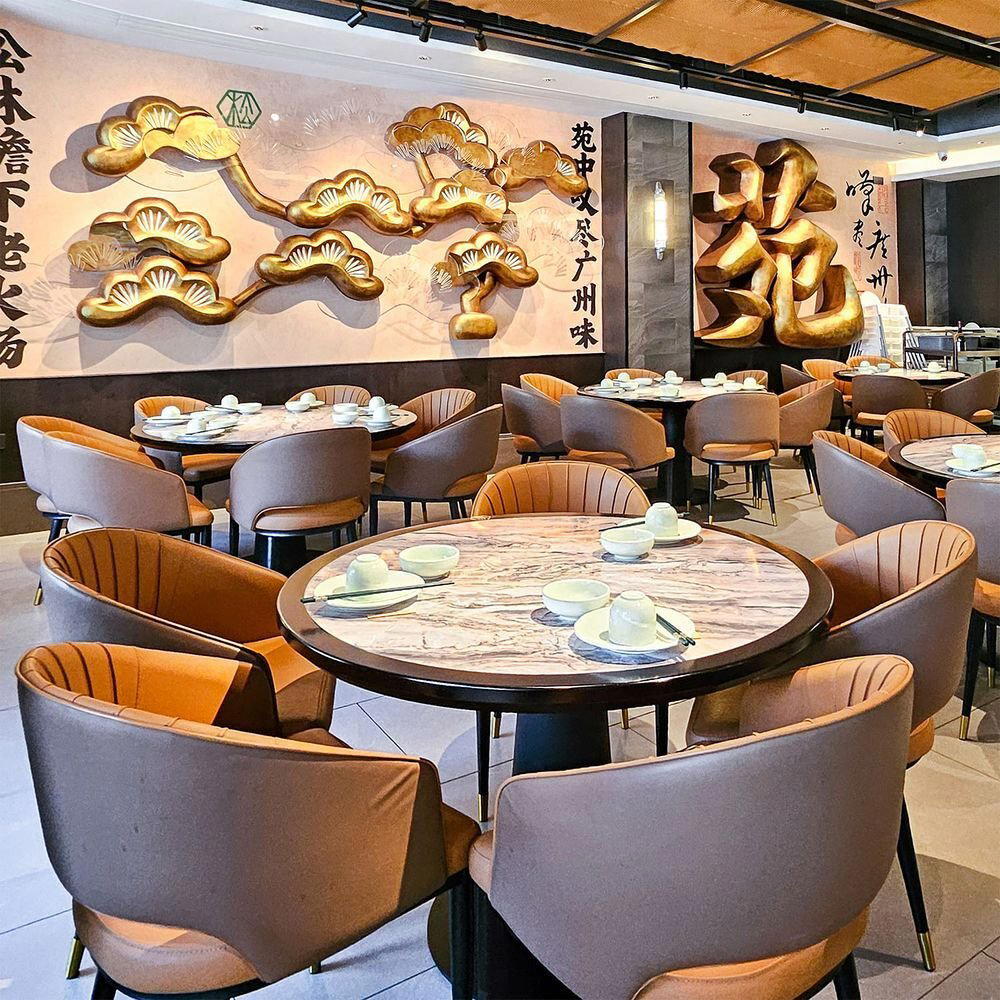
The sound arrives before the food does: the dull clatter of bamboo stacking on bamboo, the low hum of conversation that in Guangzhou tea houses never quite settles into silence. Arriving at Nan Yuan on Jianyang Road in Tianhe District, visitors encounter a dining register that the city has refined over generations. The room fills early, the way it does at every serious yum cha address in Guangzhou, and the pace of the meal is set not by a kitchen timetable but by a social one. Tea is poured, seats are shared, and the steamers keep coming.
Guangzhou's claim on dim sum is historical rather than promotional. The city sits at the centre of Cantonese culinary tradition, and the morning tea house format, yum cha (飲茶), developed here as a daily institution rather than a weekend occasion. What separates the city's serious dim sum addresses from those elsewhere in China, and from international Cantonese restaurants, is a proximity to the source: the recipes, the technique lineage, and the expectation of the local diner. That local standard is exacting. Guangzhou residents who have grown up eating har gow wrapped to a precise pleat count and char siu bao with a specific balance of sweetness and savour do not accept approximations.
Where Nan Yuan Sits in Guangzhou's Cantonese Tier
Guangzhou's Cantonese restaurant market runs from high-volume neighbourhood tea houses through to full-service fine dining rooms. Nan Yuan, carrying Michelin Bib Gourmand recognition in both 2024 and 2025, occupies the middle tier of that range: a price point marked at ¥¥, with the Bib Gourmand designation signalling Michelin's assessment of good cooking at a price below starred restaurant levels. That positioning is meaningful in context. The Bib Gourmand category exists precisely to acknowledge kitchens that deliver technical quality without requiring the per-head spend of a full Michelin-starred room.
For comparison, restaurants such as Imperial Treasure Fine Chinese Cuisine and Lai Heen operate at ¥¥¥ and above, with more formal service formats and menus that extend into banquet territory. Jiang by Chef Fei and Jade River similarly sit in the upper bracket. Nan Yuan functions at a different register: the yum cha format assumes communal tables, shared trolleys or order-by-sheet service, and a duration determined by appetite rather than a set menu structure. It is the format in which Guangzhou diners feel most at home, and the format that is hardest to replicate outside the city.
For a mid-range tea house format rather than an occasion dining room, that consistency is what the repeat local diner responds to.
The Dim Sum Format and What It Demands
Traditional Cantonese dim sum is a test of repetition rather than creativity. The classics, har gow, siu mai, cheung fun, lo mai gai, phoenix claws, are judged against a known standard that every diner at the table carries internally. The pleats on a har gow must be sufficient to hold the filling without tearing the wrapper; the skin must be translucent but not wet. Siu mai must be packed tightly enough to keep form through steaming without becoming dense. Cheung fun, the silky rice noodle roll, should tear cleanly and carry enough of the accompanying soy to season without drowning the filling.
These are not subjective preferences. They are craft benchmarks that Cantonese dim sum cooks spend years developing. Michelin's Bib Gourmand recognition, given in a city where the competition among dim sum kitchens is among the most dense in the world, signals that those benchmarks are being met at Nan Yuan with enough regularity to warrant the listing across consecutive years.
The Tianhe District setting adds a layer of local context. Tianhe is Guangzhou's commercial and residential centre, and a tea house holding consistent Michelin recognition there is drawing from a regular local clientele rather than relying on tourist traffic. That is, in practical terms, a harder audience to satisfy.
Cantonese Tradition Across China and Beyond
Guangzhou is the reference point from which Cantonese cooking has radiated outward, but the tradition now has serious practitioners in cities across the region. In Hong Kong, Forum represents the formal end of that continuum. In Taipei, Le Palais brings the format to a different dining culture. In Macau, Chef Tam's Seasons operates at the premium end of Cantonese service. Elsewhere on the mainland, restaurants such as BingSheng Mansion (Xiancun Road) in Guangzhou itself, and regional references including Xin Rong Ji in Beijing, Xin Rong Ji in Chengdu, 102 House in Shanghai, Ru Yuan in Hangzhou, and Dai Yuet Heen in Nanjing, extend the Cantonese conversation across mainland dining circuits. None of those addresses, however formal or ambitious, replaces the morning yum cha at a well-regarded Guangzhou tea house as a direct encounter with the source tradition.
Planning a Visit
Nan Yuan sits on Jianyang Road in Tianhe District, with the full address placing it adjacent to Tianhe Park, a location that draws both park visitors and the surrounding residential community. The ¥¥ price point means a dim sum meal for two will remain accessible relative to Guangzhou's fine dining tier. For morning yum cha in Guangzhou, arriving early is the consistent local practice: tea houses fill quickly on weekends, and the leading trolley selection passes through the room in the first hour of service. No website or contact details are currently listed for Nan Yuan.
Travellers building a wider Guangzhou itinerary can reference our full Guangzhou restaurants guide, alongside our full Guangzhou hotels guide, our full Guangzhou bars guide, our full Guangzhou experiences guide, and our full Guangzhou wineries guide.
Frequently asked questions
What do people recommend at Nan Yuan?
Nan Yuan holds Michelin Bib Gourmand recognition for both 2024 and 2025, with the award typically reflecting strength in the classical Cantonese dim sum repertoire: steamed dumplings, rice noodle rolls, and the wider yum cha selection that defines the morning service format in Guangzhou. Specific dishes recommended by diners align with the traditional canon of the cuisine, which in a Bib Gourmand-recognised kitchen means the foundational items are the most reliable place to start.
Comparable Options
| Venue | Cuisine | Price | Awards | Notes |
|---|---|---|---|---|
| Nan YuanThis venue (the venue you are viewing) | Cantonese & Chaozhou Dim Sum | $10–20 | Michelin Bib Gourmand | Not listed |
| Imperial Treasure Fine Chinese Cuisine | Fine Cantonese Cuisine | Not listed | 2 Michelin Stars · La Liste Top Restaurants | Cantonese |
| Taian Table | Modern European with Asian Influences | $300–500 | 3 Michelin Stars · La Liste Top Restaurants | Modern European, European Contemporary |
| Chōwa | Franco-Japanese Fusion | $150–200 | 1 Michelin Star · The Best Chef Two Knives | Innovative |
| Imperial Treasure Fine Teochew Cuisine | Fine Teochew Cuisine | Not listed | 1 Michelin Star · La Liste Top Restaurants | Chao Zhou |
| Rêver | Modern French Fine Dining with Cantonese Influences | Not listed | 1 Michelin Star · The Best Chef One Knife | French Contemporary |
Recognition history
Dated appearances from independent guides and award organizations, with the underlying list record or original source where available.
Michelin Bib Gourmand
Michelin
Full recognition history (2 entries)
Michelin Bib Gourmand
Michelin
Continue exploring
More in Guangzhou
Restaurants in Guangzhou
All restaurants in Guangzhou →
Bars in Guangzhou
All bars in Guangzhou →




Details
- Classic
- Scenic
- Elegant
- Well Known
- Group Dining
- Family
- Celebration
- Brunch
- Special Occasion
- Private Dining
- Garden
- Courtyard
- Historic Building
- Standalone
- Garden
- Family Style
- A La Carte
- Tea
- Vegetarian Friendly
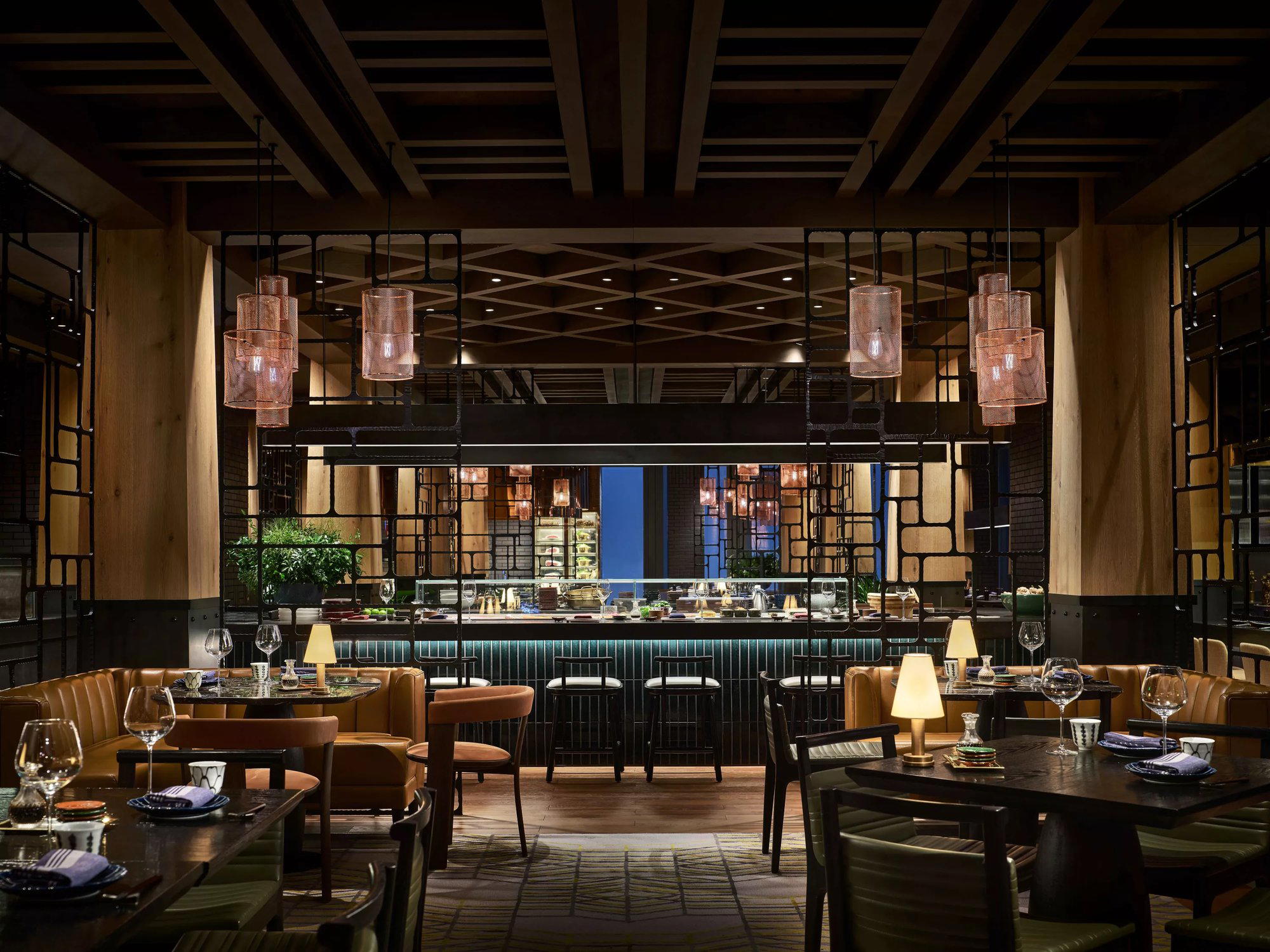
Luxurious and refined with traditional Chinese decor, stained glass tile windows, antique furnishings, and ornate hardwood furniture in private rooms; elegant yet bustling during peak hours.