On Sendlinger Strasse in Munich's historic Altstadt, Kizuna Kitchen brings a Japanese culinary perspective to a city already engaged in serious conversation about East-West cooking traditions. The name itself signals intent: kizuna, meaning bond or connection in Japanese, frames the kitchen's approach as a bridge between cuisines and cultures. For Munich diners already tracking the city's evolving Japanese-influenced dining scene, this address is worth noting.
Pearl is the En Primeur Club membership app — saves, bookings, and concierge access live there. Same editors, same standards.
- Address
- Sendlinger Str. 7, 80331 München, Germany
- Phone
- +498996978931
- Website
- kizunakitchen.com
- Directions
- Get directions
 Saves & bookings on Pearl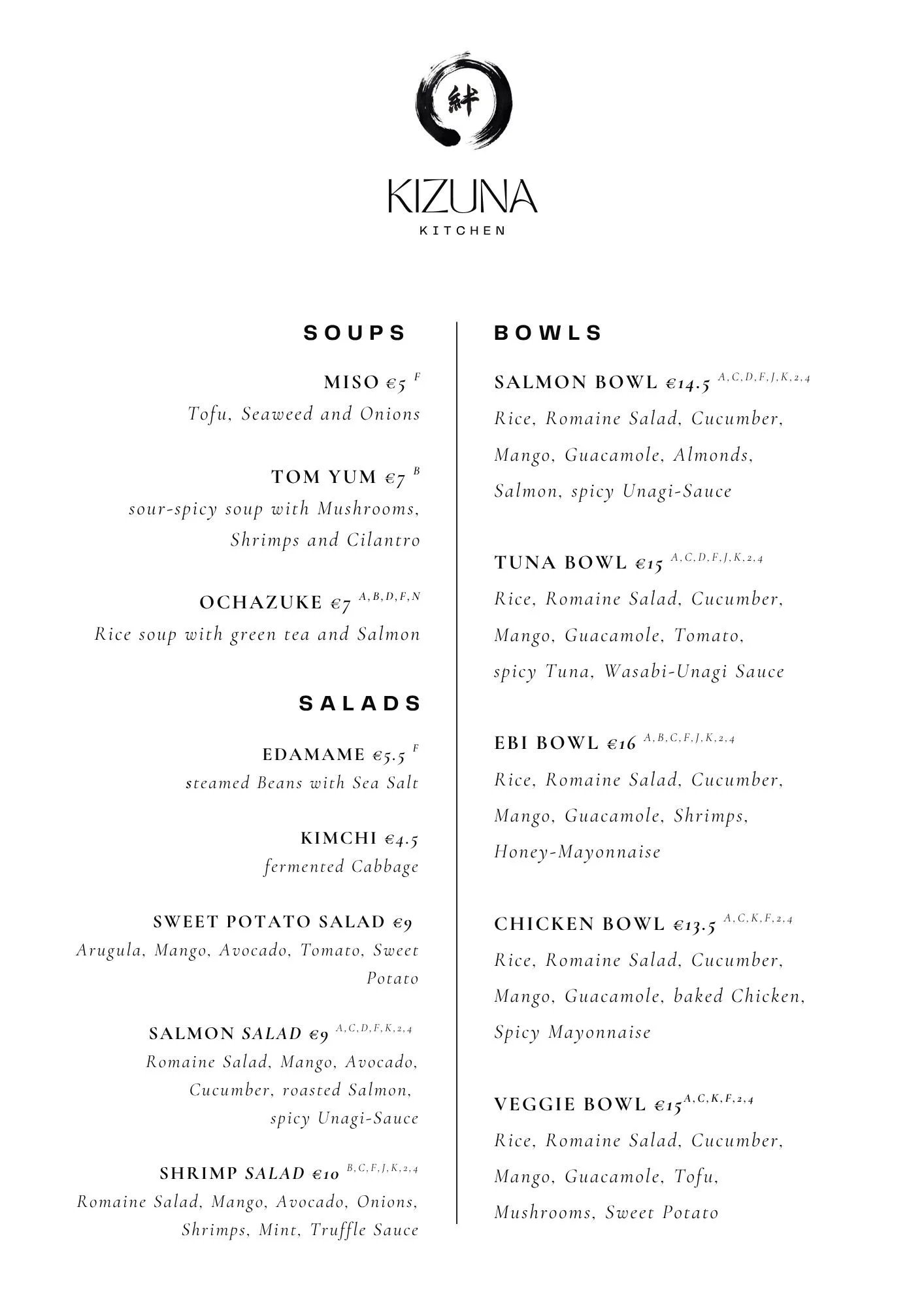
Where Sendlinger Strasse Meets Japanese Kitchen Culture
Sendlinger Strasse runs through one of Munich's most architecturally layered corridors, connecting the Sendlinger Tor gate to the Marienplatz axis. The street sits at the edge of the Altstadt proper, close enough to the tourist centre to catch foot traffic but embedded in a neighbourhood that locals actually use for daily errands, independent retail, and eating. It is the kind of address where a small, focused restaurant can build a regular clientele without relying on destination-dining reputation alone. Kizuna Kitchen, at number 7, occupies that position: a Japanese-oriented kitchen on a working street in central Munich.
The Japanese Dining Conversation Munich Is Already Having
Munich's relationship with Japanese cuisine has deepened considerably over the past decade. The city's most discussed dining moment in this category is Tohru in der Schreiberei, where a Modern German-Japanese framework has earned sustained critical attention at the summit of the market. That restaurant's success reflects something broader: Munich diners have moved past novelty interest in Japanese food and toward genuine engagement with the cooking traditions behind it. Kizuna, as a word, points directly at that tradition. In Japanese culture, kizuna describes the bond between people, the thread that holds relationships, communities, and cultural practices together. Naming a kitchen after that concept is a statement about what the cooking is trying to do, not just what it is putting on the plate.
Across Germany, the Japanese culinary influence on fine dining has been one of the defining movements of the past fifteen years. In Berlin, CODA Dessert Dining has demonstrated how Japanese precision and minimalism can be absorbed into avant-garde European frameworks. In Wolfsburg, Aqua has long operated at the intersection of classical European technique and Eastern structural thinking. The pattern is consistent: wherever German kitchens have engaged seriously with Japanese cooking philosophy, rather than simply importing ingredients, the results have attracted recognition. Kizuna Kitchen enters this conversation at the street-level, neighbourhood end of the spectrum rather than the Michelin-starred fine-dining tier, which gives it a different kind of relevance.
Japanese Kitchen Philosophy at the Neighbourhood Scale
The cultural weight of Japanese kitchen philosophy extends well beyond high-end omakase counters and kaiseki sequences. Japan's approach to food, at every price point, is shaped by a set of values that travel: restraint in seasoning, respect for primary ingredients, precision in preparation, and an attentiveness to season that makes the calendar visible in what is on the plate. These are not values exclusive to expensive restaurants. Ramen shops, izakayas, and teishoku lunch counters in Japan operate according to the same underlying logic, just applied to different formats and budgets. A neighbourhood kitchen operating under a name like Kizuna is positioning itself within that broader tradition, suggesting that the approach matters as much as the setting.
Munich's broader fine-dining circuit offers useful reference points for how Japanese influence operates at different scales. JAN works in creative territory where technique and ingredient sourcing are the primary signals. Alois - Dallmayr Fine Dining and Atelier operate in the creative French quadrant where refinement and produce quality drive the menu. Tantris, Munich's most historically significant fine-dining address, holds the Modern French anchor. None of these are direct competitors to a neighbourhood Japanese kitchen on Sendlinger Strasse, but they collectively define the seriousness with which Munich approaches cooking at every tier. A city that sustains venues like these has the critical infrastructure, including educated diners, knowledgeable press, and competitive ingredient sourcing, to support genuine Japanese cooking outside the luxury segment.
The German Context for Japanese Culinary Craft
Germany's Japanese restaurant scene has a longer and more serious history than is often recognised in international food media. Major cities have supported Japanese-owned and Japanese-trained kitchens since at least the 1980s, and the country's appetite for Japanese produce, including high-grade fish and specific regional sake styles, has created genuine supply chains that smaller operators can now access. This infrastructure matters because the quality ceiling for Japanese cooking is set less by technique, which can be learned anywhere, than by ingredient availability. Germany has passed the threshold where sourcing is a practical constraint on serious Japanese cooking, which shifts the evaluative question toward execution and intent.
For broader orientation across Germany's premium dining addresses, the EP Club guide includes restaurants that illustrate what disciplined cooking looks like at the summit of the market: Schwarzwaldstube in Baiersbronn, Vendôme in Bergisch Gladbach, Victor's Fine Dining by Christian Bau in Perl, Waldhotel Sonnora in Dreis, Restaurant Haerlin in Hamburg, Schanz in Piesport, Bagatelle in Trier, and ES:SENZ in Grassau. The range and geographic spread of serious German kitchens reinforces how developed the country's food culture has become, and Munich sits near stronger examples from that national conversation. Internationally, the Japanese culinary influence has shaped particularly discussed rooms in the world; Atomix in New York City applies Korean-Japanese hybrid thinking at the highest level, while Le Bernardin in New York City has long drawn on Japanese precision in its seafood-centred approach.
Planning a Visit
Kizuna Kitchen sits at Sendlinger Str. 7 in Munich's 80331 postcode, a short walk from the Sendlinger Tor U-Bahn stop, which puts it within easy reach of the Altstadt and accessible from most parts of the city without needing a taxi. For visitors building a broader Munich itinerary, the EP Club Munich restaurants guide maps the city's dining options across formats and price points. Current hours are Monday to Saturday from 12 to 10 PM and Sunday from 4 to 9 PM; reservations are recommended, and the price level is moderate. Given the address's central position and the neighbourhood's consistent foot traffic, arriving without a reservation during peak lunch and dinner periods carries some risk.
In Context: Similar Options
Comparable venues nearby, for context on price, style, and recognition.
| Venue | Cuisine | Price | Notes |
|---|---|---|---|
| KIZUNA KITCHENThis venue — the venue you are viewing | Modern Japanese Fusion | $$ | Not listed |
| Kawaru | Japanese Tapas | $$ | Theresienwiese |
| Sushi Cent | Japanese Sushi | $$ | Haidhausen |
| Ichiban Restaurant | Japanese & Vietnamese Sushi Restaurant | $$ | Riem |
| Shoya Izakaya | Authentic Japanese Izakaya | $$ | Lehel |
| Fisch Witte | Fresh Seafood Bistro | $$ | Isarvorstadt |
At a Glance
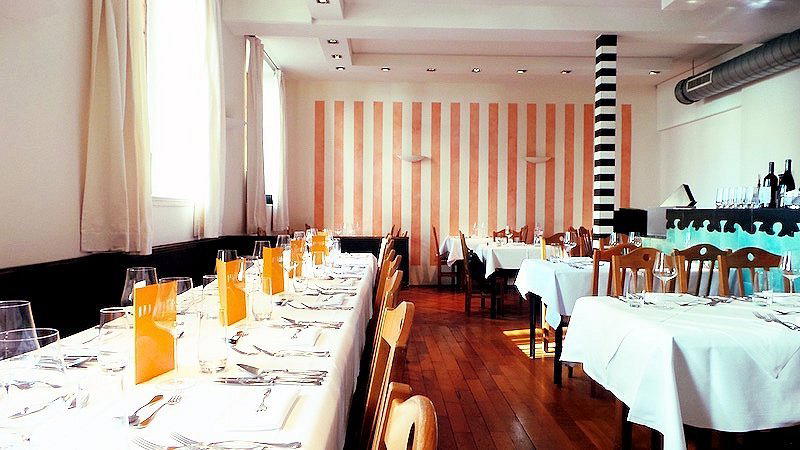
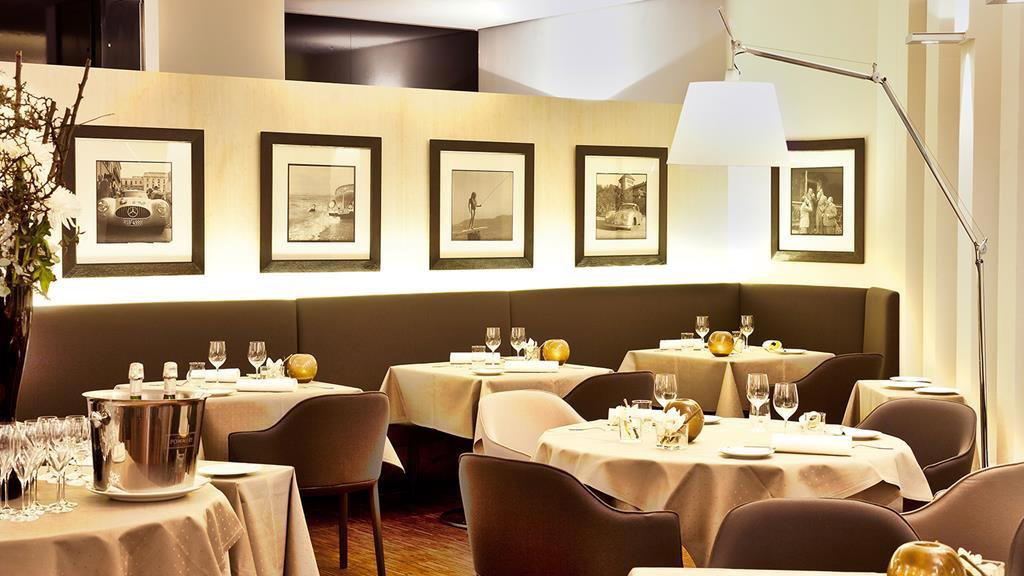
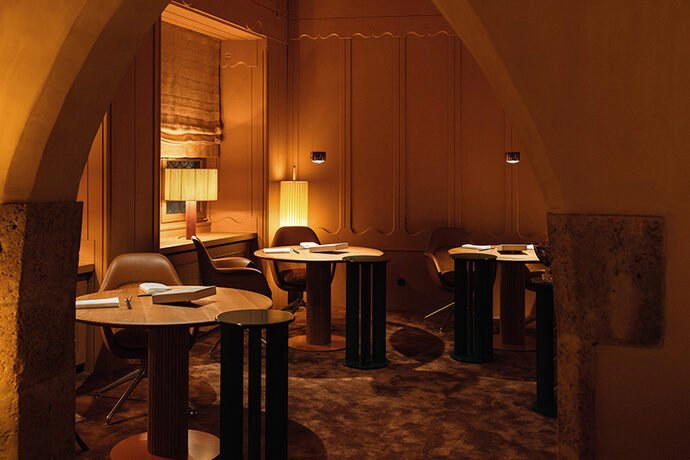
- Modern
- Minimalist
- Casual Hangout
- Open Kitchen
Current opening hours
- Monday
- 12–10 PM
- Tuesday
- 12–10 PM
- Wednesday
- 12–10 PM
- Thursday
- 12–10 PM
- Friday
- 12–10 PM
- Saturday
- 12–10 PM
- Sunday
- 4–9 PM
Hours can change for holidays and private events. Last verified .
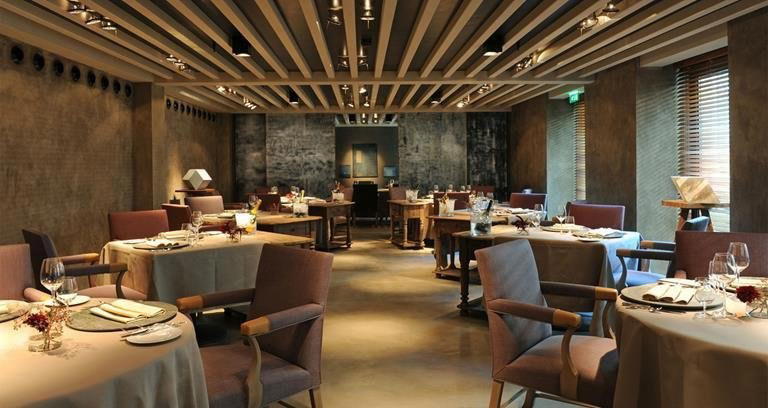
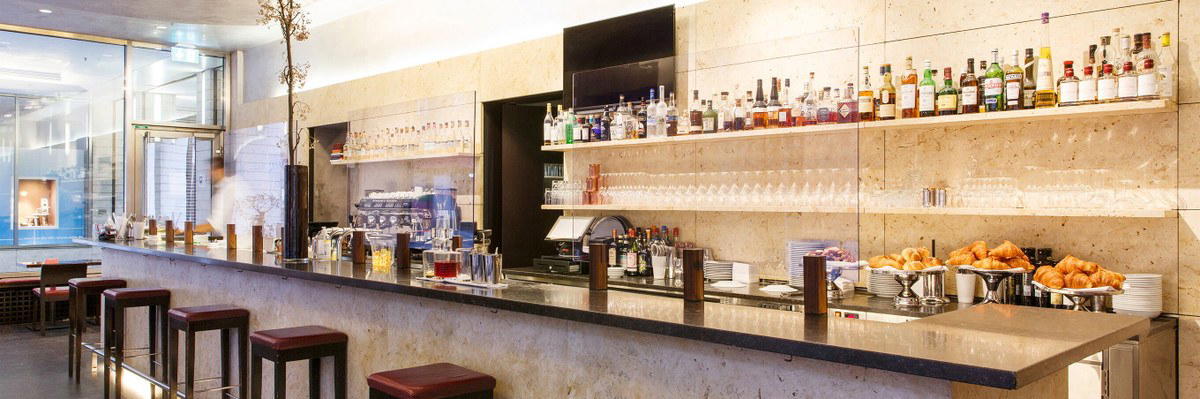
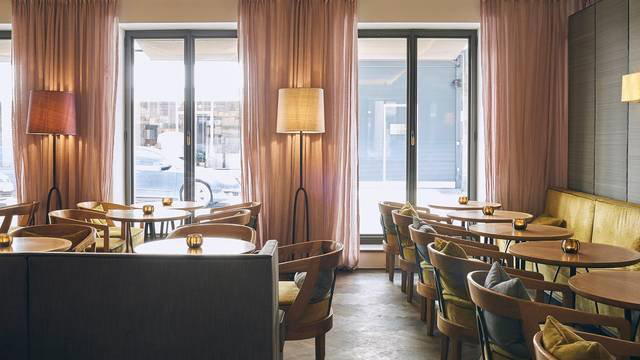
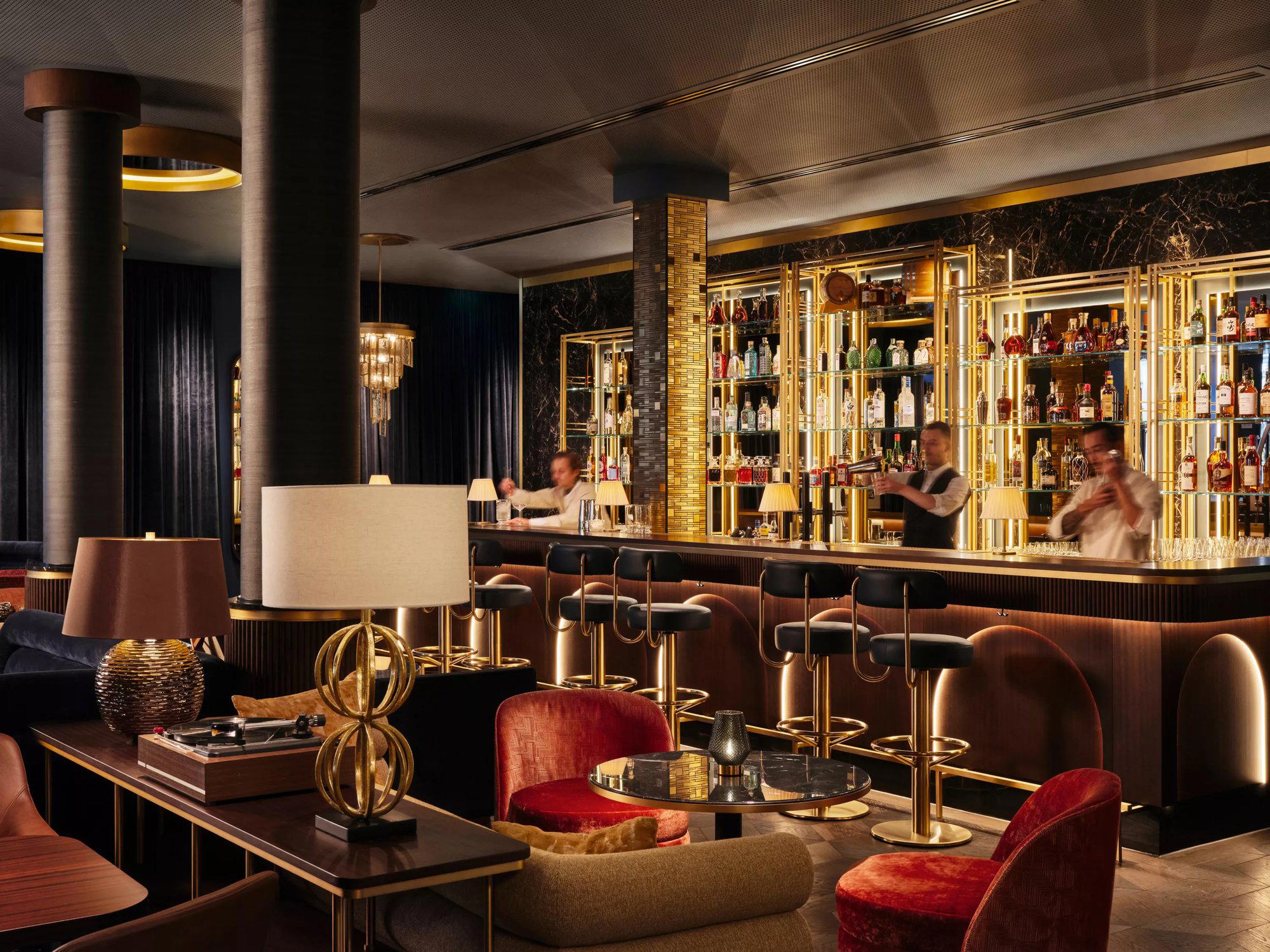
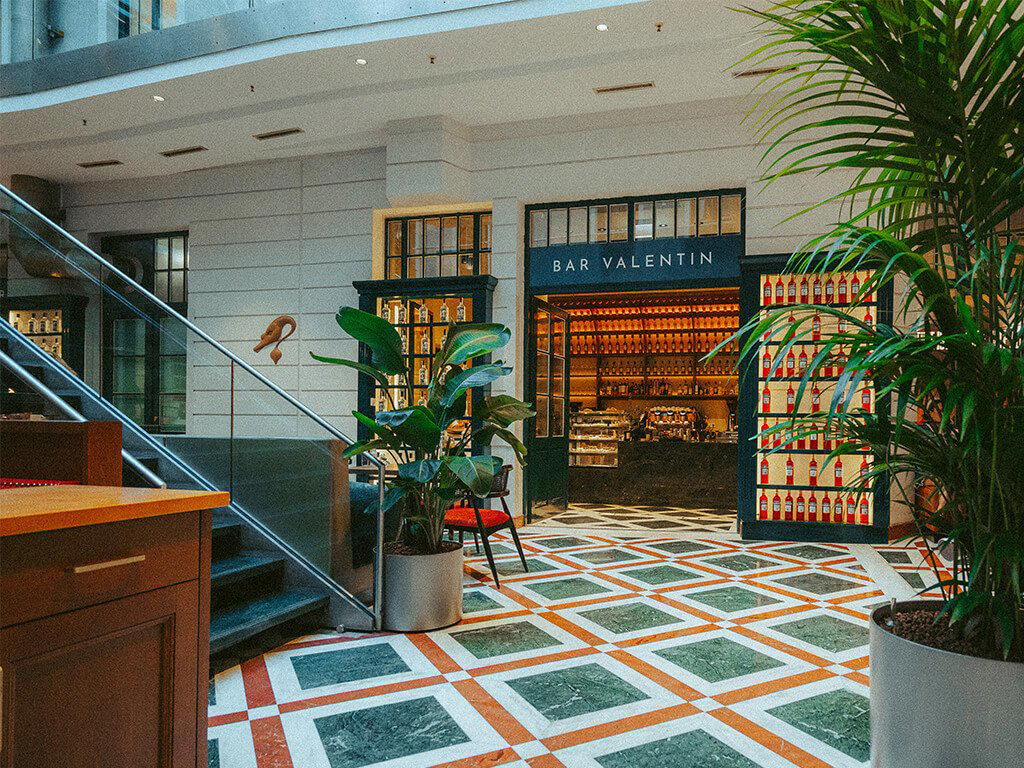
Clean minimalist design with energetic noise levels and friendly counter service.