Malva occupies a corner of Munich's Haidhausen quarter at Steinstraße 42, placing it in one of the city's more considered dining neighbourhoods, away from the tourist pressure of Marienplatz. The address sits within a broader wave of ambitious independent restaurants that have reshaped how Munich eats beyond its historic fine-dining institutions. Details on cuisine, chef, and format are best confirmed directly with the venue before visiting.
Pearl is the En Primeur Club membership app — saves, bookings, and concierge access live there. Same editors, same standards.
- Address
- Steinstraße 42, 81667 München, Germany
- Phone
- +498994428279
- Website
- malvamuenchen.de
- Directions
- Get directions
 Saves & bookings on Pearl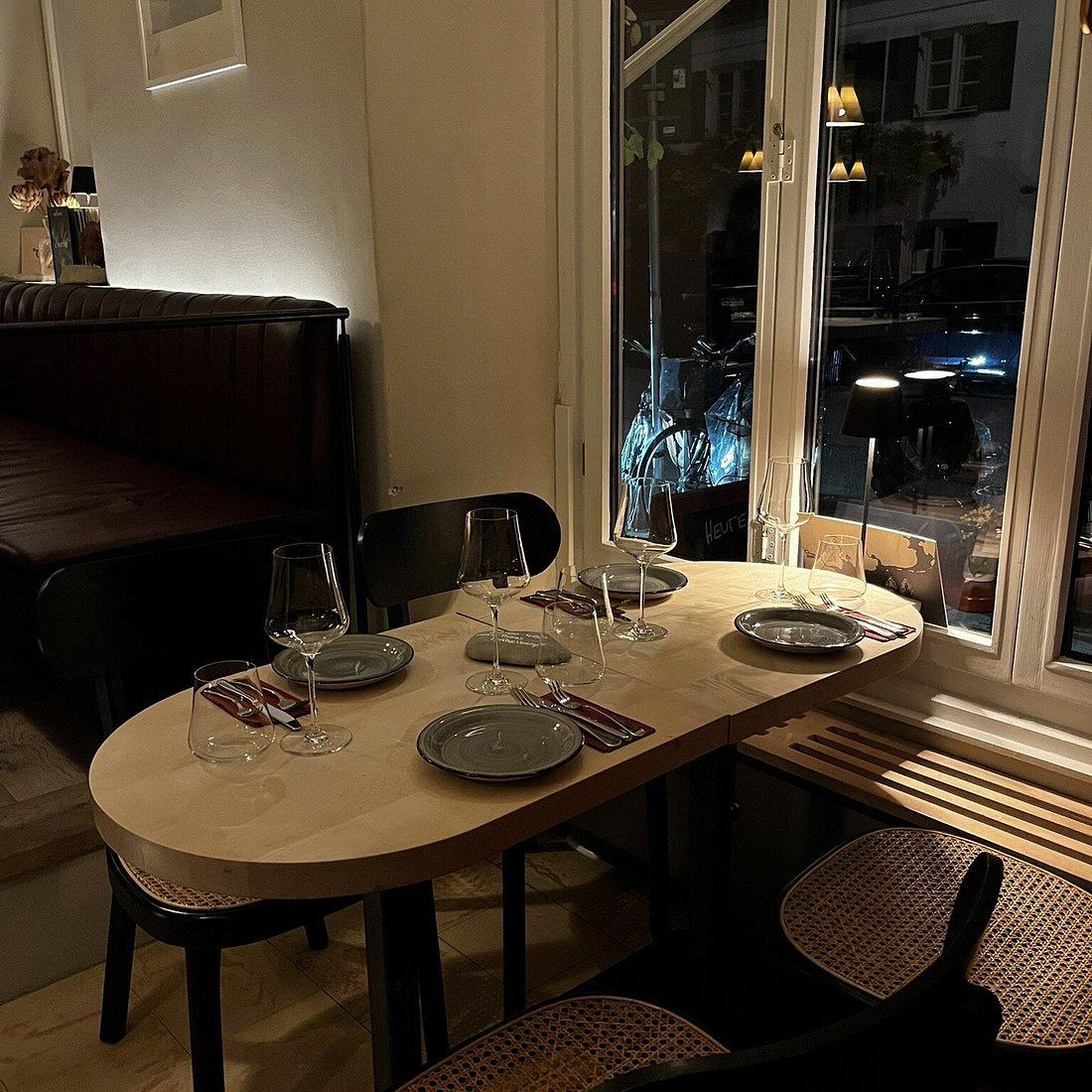
Haidhausen and the Case for Eating East of the Isar
Munich's dining map has long been read from the centre outward, with the grand rooms of Tantris in Schwabing and the Bayerischer Hof's Atelier anchoring the city's fine-dining reputation for decades. But the more interesting movement in recent years has come from the east side of the Isar, where Haidhausen and the streets around Steinstraße have attracted a different kind of restaurant: smaller, less ceremonial, and often more focused on what's actually on the plate than on the weight of the room. Malva, a restaurant in Munich, sits inside that shift.
Haidhausen was historically a working-class neighbourhood, and its dining identity carries that inheritance. The streets are not designed to impress arriving guests the way the hotel dining rooms of the Altstadt are. What they offer instead is a density of independent operators running tighter, more personal formats, where the kitchen's point of view tends to be clearer because it has fewer institutional layers to negotiate.
Where Malva Fits in Munich's Independent Tier
Munich's upper-mid and fine-dining categories have diversified considerably over the past decade. The city now runs a wider range of serious kitchens than the old binary of Bavarian tavern versus hotel restaurant would suggest. Tohru in der Schreiberei has demonstrated that German-Japanese precision can hold two Michelin stars in a Munich context. JAN operates in a creative register that draws on international technique without abandoning local grounding. Alois at Dallmayr occupies the luxury-heritage bracket with its own distinct logic. Malva operates at a neighbourhood scale that is distinct from all three, though the culinary ambitions of this part of Munich's independent scene are not necessarily smaller for it.
Independent restaurants in this tier across Germany have benefited from a broader shift in how serious diners allocate their spending. The experience at CODA Dessert Dining in Berlin or ES:SENZ in Grassau demonstrates that award recognition is no longer confined to conventional formats or established cities. The same openness has created space for restaurants in less-trafficked Munich neighbourhoods to build reputations on culinary merit rather than postcode prestige.
The Cultural Weight of the Address
Steinstraße connects the Ostbahnhof area to the inner-Haidhausen grid, and the street's character reflects the neighbourhood's status as a zone of transition: close enough to the Isar to attract residents with money, but far enough from the tourist circuit to have retained a functional, non-performative quality. Restaurants here don't draw walk-in tourist traffic in any volume. They survive on local repeat custom and destination diners who have made a deliberate choice to come. That self-selecting audience tends to produce a more attentive room.
The cultural roots that inform serious cooking in this part of Munich are worth understanding. Bavaria's food traditions are among the more codified in Germany, pork, bread, dairy, and beer occupy a position in regional identity that has historically resisted outside influence more stubbornly than, say, Frankfurt or Hamburg. The interesting tension in contemporary Munich dining is between that regional inheritance and the cosmopolitan pressure of a city with one of Europe's highest concentrations of wealth and international residents. Kitchens that resolve that tension well tend to be the ones that last. Those that ignore it in either direction, pure regional nostalgia or complete disconnection from local produce and character, tend to read as incomplete.
Germany's broader fine-dining conversation connects Munich to a national network of ambitious restaurants: Vendôme in Bergisch Gladbach, Schwarzwaldstube in Baiersbronn, Waldhotel Sonnora in Dreis, and Victor's Fine Dining by Christian Bau in Perl define what the upper tier looks like nationally. Munich's local scene, including the neighbourhood independent tier that Malva represents, is in active dialogue with that wider context, even when it doesn't announce the conversation.
Practical Note on Visiting
Malva serves modern seasonal fusion at about €85 per person, and reservations are recommended. Given that the restaurant operates in a neighbourhood that does not rely on passing tourist trade, confirming reservation requirements before visiting is the sensible approach. Walk-in availability at independent restaurants of this type in Haidhausen varies considerably by day and season, and smaller kitchens frequently run at capacity on weekend evenings even without a high public profile.
For context on the broader price range to expect at this tier of Munich independent dining, peer restaurants in the city's serious but non-Michelin-flagged category tend to run from around €60 to €120 per person for a full dinner with wine, though that range shifts significantly depending on format. Restaurants carrying Michelin recognition, like those in EP Club's Munich guide, typically operate above that band. Malva sits around €85 per person.
The Wider German Fine Dining Frame
Understanding any Munich restaurant benefits from knowing the national reference points. Aqua in Wolfsburg, Restaurant Haerlin in Hamburg, and Schanz in Piesport each represent different expressions of what German fine dining looks like at its most considered. The common thread across that comparable set is a tendency toward precision, seasonal discipline, and a restrained approach to theatrics that contrasts with, say, the more performance-oriented end of New York dining at venues like Atomix or the classical formality of Le Bernardin. Where any Munich restaurant sits on that spectrum tells you about its ambitions and its audience. Bagatelle in Trier is another point of comparison for independent restaurants operating with seriousness outside major German urban centres.
Know Before You Go
- Address: Steinstraße 42, 81667 München, Germany
- Neighbourhood: Haidhausen, east of the Isar
- Reservations: Booking ahead is recommended; walk-in availability is not confirmed
- Price range: About €85 per person
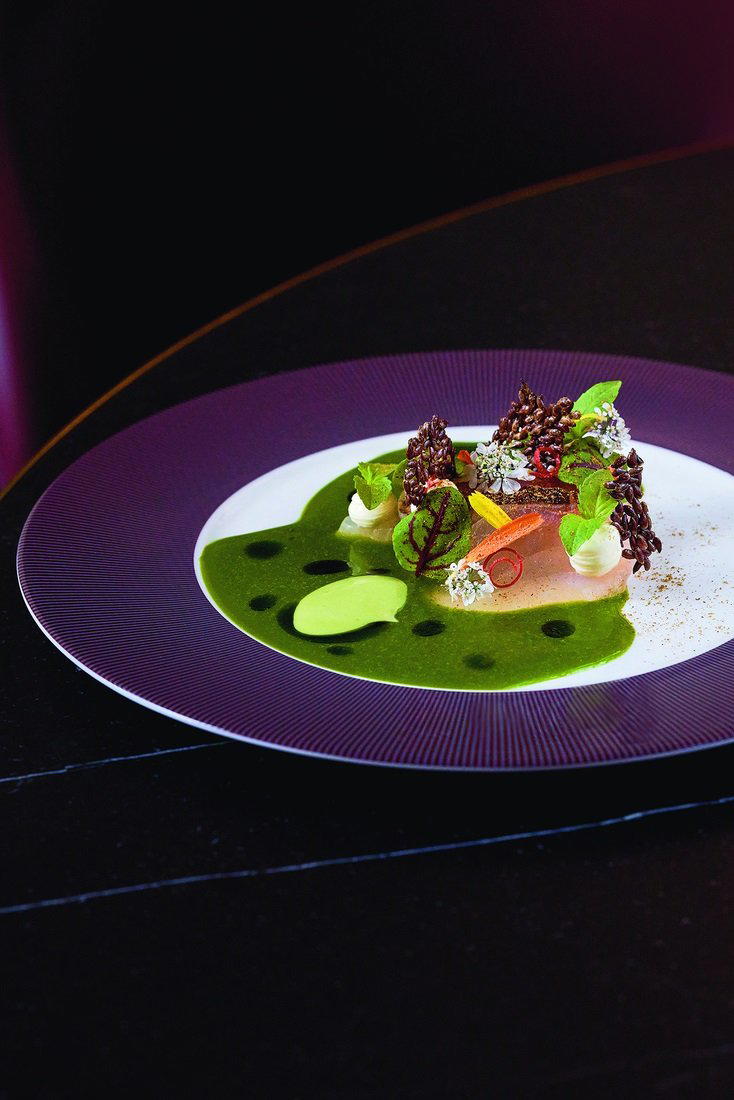
- Cuisine format: Modern Seasonal Fusion
Style and Standing
Comparable venues nearby, for context on price, style, and recognition.
| Venue | Cuisine | Price | Notes |
|---|---|---|---|
| MalvaThis venue — the venue you are viewing | Modern Seasonal Fusion | $$$ | Not listed |
| Saluki | Fusion Pizza with Asian Influences | $$ | Theresienwiese |
| RYU – Fusion Kitchen | Japanese-Vietnamese Fusion | $$ | Neuhausen |
| Palmtreeclub | Gluten-Free Indonesian-Inspired Fusion | $$ | Neuhausen |
| Chez Fritz | Classic French Brasserie | $$$ | Haidhausen |
| Magari by Geisha | Modern Asian Fusion | $$$ | Haidhausen |
At a Glance
- Modern
- Cozy
- Elegant
- Intimate
- Date Night
- Special Occasion
- Courtyard
- Open Kitchen
- Natural Wine
- Local Sourcing
Current opening hours
- Monday
- 6 PM–12 AM
- Tuesday
- 6 PM–12 AM
- Wednesday
- 6 PM–12 AM
- Thursday
- 6 PM–12 AM
- Friday
- 6 PM–12 AM
- Saturday
- Closed
- Sunday
- Closed
Hours can change for holidays and private events. Last verified .
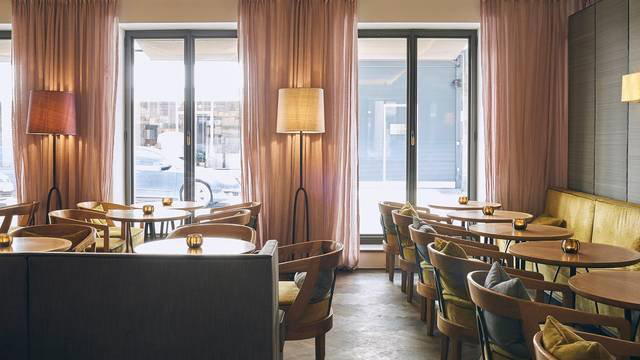
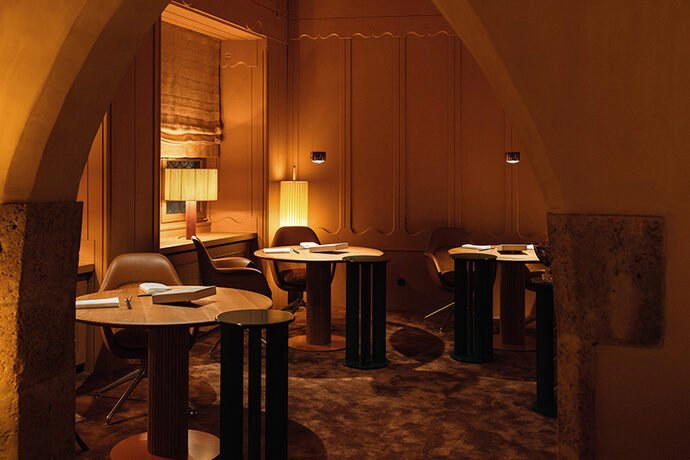
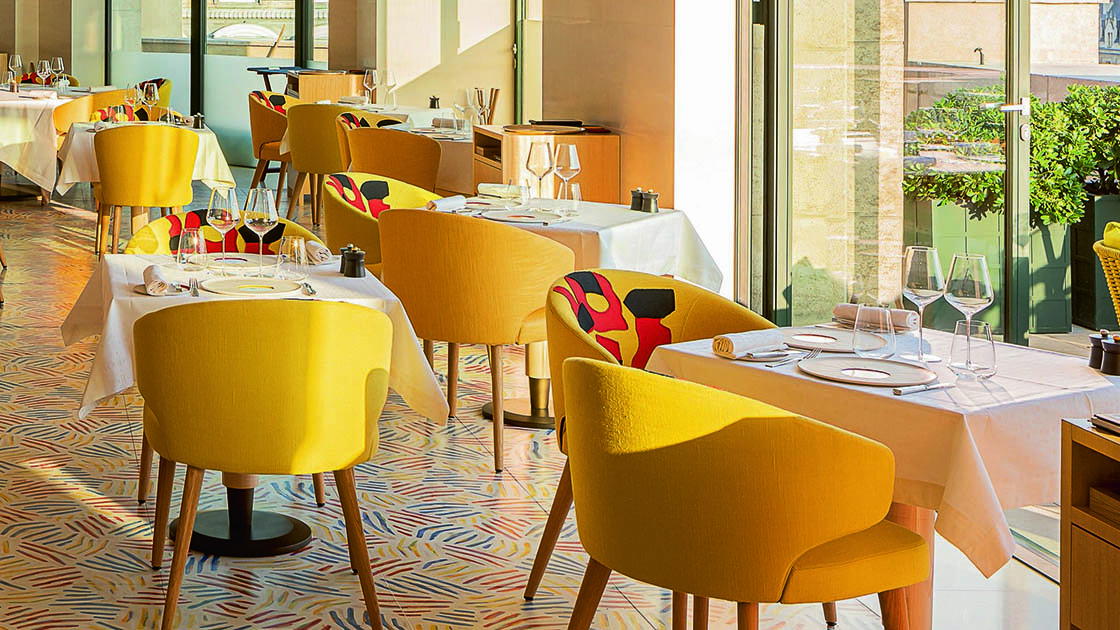
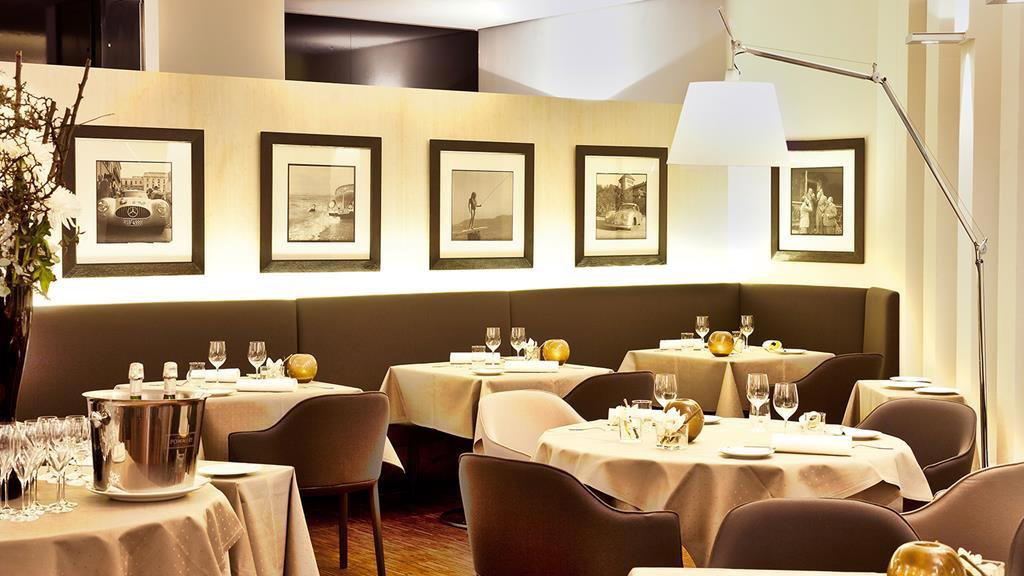
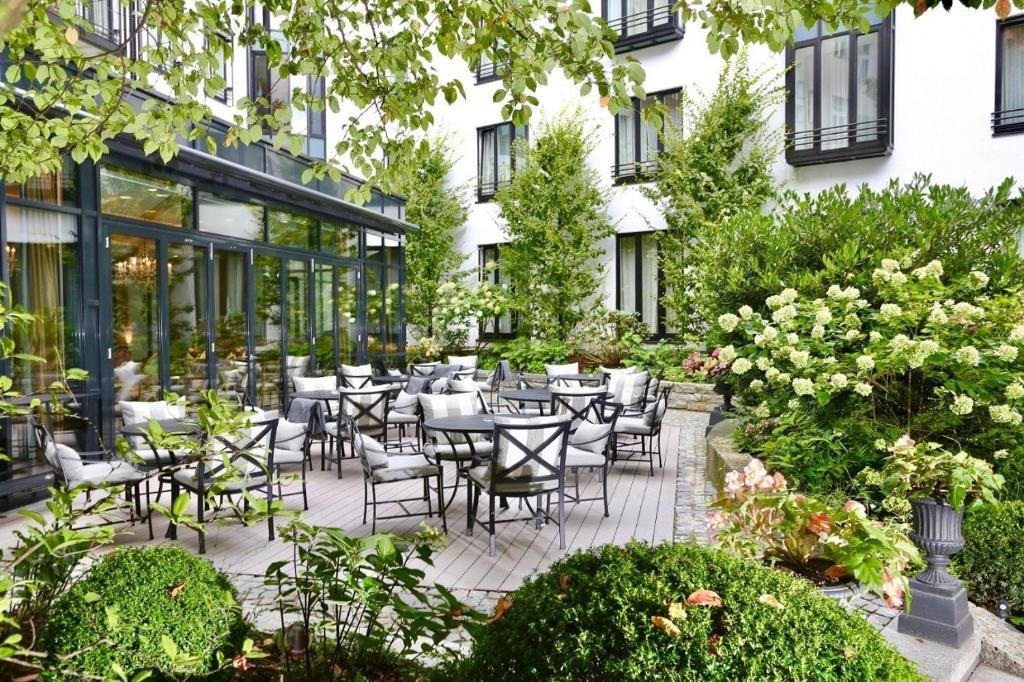
Relaxed and cozy with a pretty courtyard for aperitivo, modern setting emphasizing natural elements.