Zeitwerk

Zeitwerk holds a Michelin star (retained in both 2024 and 2025) and sits at the summit of Wernigerode's fine-dining tier, operating from Breite Strasse in the historic centre of this Harz mountain town. The creative menu format places it in Germany's broader wave of technically ambitious regional cooking, where a €€€€ price point signals a tasting-menu structure and a small, committed room.
Pearl is the En Primeur Club membership app — saves, bookings, and concierge access live there. Same editors, same standards.
- Address
- Breite Str. 53a, 38855 Wernigerode, Germany
- Phone
- +49 3943 6947884
- Website
- robin-pietsch.de
- Directions
- Get directions
 Saves & bookings on Pearl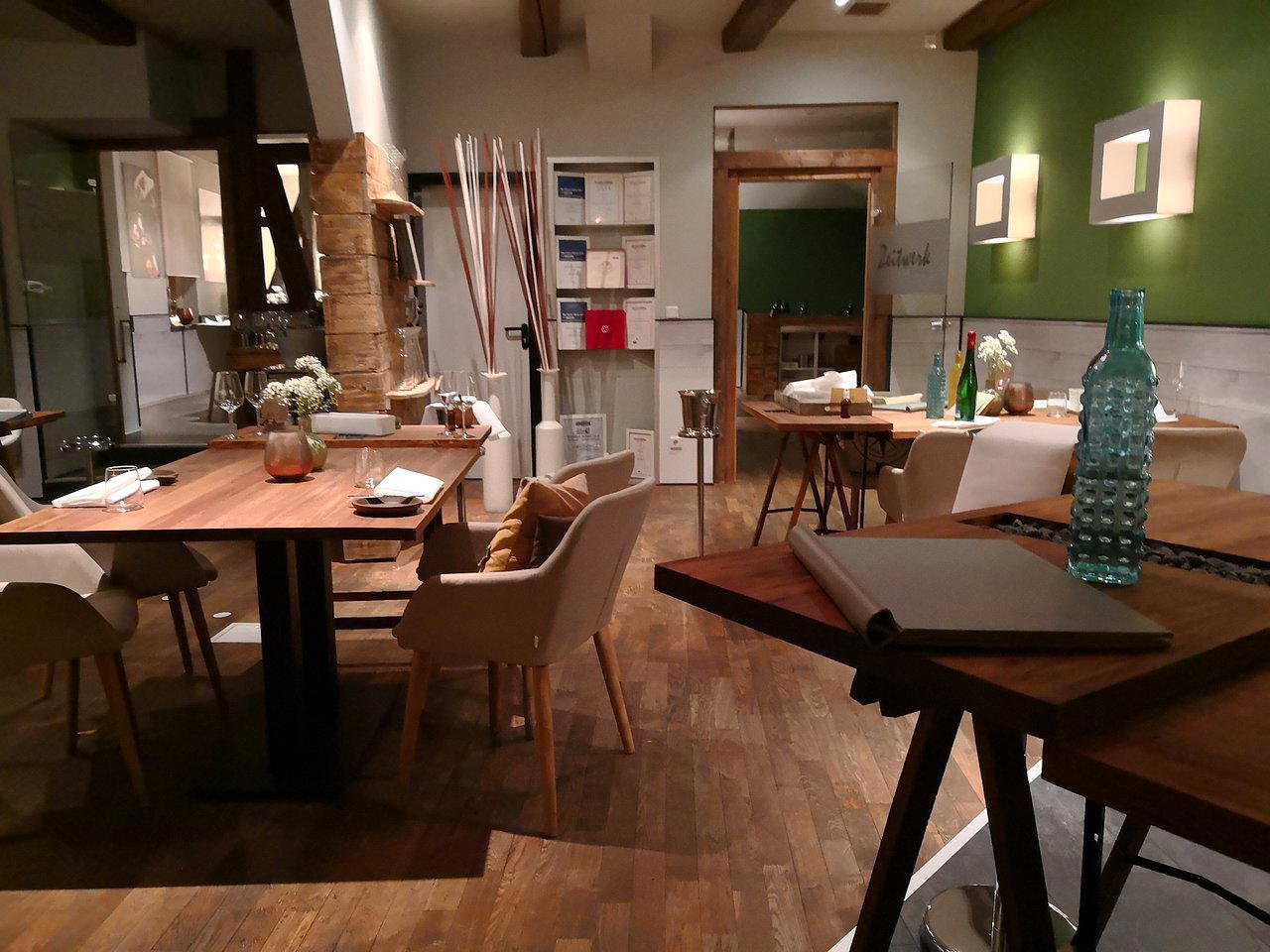
Fine Dining at Altitude: Wernigerode's Place in Germany's Creative Restaurant Wave
Germany's creative fine-dining circuit has always concentrated in its major cities and wealthy spa towns, yet the past decade has seen Michelin recognition spread into less expected geography. The Harz region, dominated by forested ridges, narrow-gauge steam railways, and a medieval streetscape most visitors associate with tourism rather than gastronomy, now has a one-star address in Zeitwerk, a Michelin-starred restaurant in Wernigerode, Germany. Zeitwerk, on Breite Strasse in central Wernigerode, has retained its Michelin star across both the 2024 and 2025 guides.
That geographic context matters. Wernigerode sits in the eastern Harz, roughly equidistant between Hanover and Leipzig, at an elevation where the surrounding hills push into genuine mountain character. The town itself is frequently cited in travel writing for its timber-framed architecture and hilltop castle, and the bulk of its hospitality infrastructure is calibrated for day-trippers and short-break tourists. A creative restaurant in this environment operates against a different backdrop than Aqua in Wolfsburg or Vendôme in Bergisch Gladbach, where the surrounding hospitality density absorbs a fine-dining visit as one option among many. In Wernigerode, Zeitwerk is the destination.
Creative Cooking in a Regional Frame
The cuisine category logged for Zeitwerk is simply 'Creative', a classification Michelin applies to kitchens that don't anchor to a national tradition or a single technique school. In Germany, this bracket is competitive and increasingly codified. CODA Dessert Dining in Berlin sits in it with a dessert-first programme that inverts classical structure. JAN in Munich uses it to signal Mediterranean-rooted freedom. ES:SENZ in Grassau brings it to the Bavarian foothills. What unites this group is the decision to refuse a single inherited grammar and instead build a culinary language from technique, regional produce, and the kitchen's own editorial choices.
The Harz is not a neutral backdrop for this kind of cooking. The region has its own pantry: wild game from deep forest, freshwater fish from mountain streams, root vegetables and herbs that grow short and intense at higher elevation. Germany's creative kitchens have, in recent years, moved toward a more explicit engagement with hyperlocal sourcing, a pattern visible in kitchens from Schwarzwaldstube in Baiersbronn to Schanz in Piesport, where the surrounding landscape becomes legible on the plate. A creative address in the Harz that has maintained Michelin recognition for at least two consecutive years is, almost by definition, doing something considered with that local supply chain.
What
Michelin stars are awarded by anonymous inspectors following a specific methodology. The two signals measure different things, which is why their alignment at Zeitwerk is worth pausing on. A 4.9 average across 544 reviews is an unusually high consensus score, particularly for a formal, high-price-point restaurant where guest expectations are correspondingly high and critical outliers are more common. At this rating and volume, the score reflects sustained execution rather than a single memorable opening period.
The gap is small in absolute terms but meaningful in what it signals about the consistency of the guest experience from the kitchen to the room. A creative tasting-menu format at €€€€ pricing in a town where the visitor population skews toward leisure travellers, generating this kind of review consensus is a strong signal about the front-of-house programme as much as the food itself.
Placing Zeitwerk in Germany's Fine-Dining Map
Germany's one-star tier is large and geographically diverse, but it has clear centres of gravity. The Rhine and Moselle valleys carry strong density, with addresses like Waldhotel Sonnora in Dreis and Victor's Fine Dining by Christian Bau in Perl representing the longer-established end of the spectrum. Hamburg holds serious weight with addresses like Restaurant Haerlin. Bavaria concentrates luxury hotel dining alongside independent kitchens. The Harz, by contrast, is a thin line on that map, and Zeitwerk currently occupies it alone at starred level.
For the reader planning a trip, this geographic isolation is both a complication and an argument. There is no natural cluster of starred restaurants to build an itinerary around, as you might in the Rheingau or around Baiersbronn. The visit to Zeitwerk is either a stand-alone occasion or part of a broader Harz trip that treats the region's other assets, the Brocken, the Quedlinburg UNESCO streetscape, the narrow-gauge Harzer Schmalspurbahn, as the supporting programme. Within Wernigerode's own restaurant tier, Pietsch provides a local reference point at a different register.
Across a wider European frame, the creative category at this price tier has a coherent comparable set. Alléno Paris au Pavillon Ledoyen represents the maximalist end of the spectrum in Paris. Enrico Bartolini in Milan shows how the creative designation travels across national culinary traditions. Within that geography, a one-star Harz address that maintains a 4.9 review score is a smaller, more specific proposition, but one that takes the format seriously.
Planning a Visit
Zeitwerk is located at Breite Str. 53a, 38855 Wernigerode, in the commercial and pedestrian centre of the old town, within walking distance of the main historic sights. At a €€€€ price point with Michelin recognition and a high review consensus, booking in advance is advisable; the restaurant's capacity will be limited relative to demand, particularly on weekends and during the Harz's busier tourism seasons, which run through summer and the Christmas market period in late autumn. Wernigerode is accessible by train from Hanover (approximately 90 minutes) and by car from the A36 motorway.
Price and Recognition
Comparable venues nearby, for context on price, style, and recognition.
| Venue | Cuisine | Price | Awards | Notes |
|---|---|---|---|---|
| ZeitwerkThis venue — the venue you are viewing | Breite Straße, Modern German Fine Dining | $$$$ | Michelin 1 Star | Not listed |
| Gaststuben Gothisches Haus | Marktplatz, Harz Regional German Cuisine | $$$ | Not listed | Not listed |
| Pietsch | Not listed | $$$$ | Michelin 2 Star | Forum, Modern Asian Contemporary Fine Dining |
| THE LISBETH | Not listed | $$$$ | Michelin 1 Star | Hamburg-Altstadt, Modern North German Fine Dining |
| Handwerk | Not listed | $$$$ | Michelin 1 Star | Südstadt, Modern European Fusion with Nordic & Far Eastern Influences |
| KUNO 1408 | Not listed | $$$$ | Michelin 1 Star | Würzburg City Centre, Modern Franconian Fine Dining |
Recognition history
Dated appearances from independent guides and award organizations, with the underlying list record or original source where available.
Michelin 1 Star
Michelin
Michelin 1 Star
Michelin
Michelin 1 Star
Michelin
Continue exploring
More in Wernigerode
Restaurants in Wernigerode
Browse all →
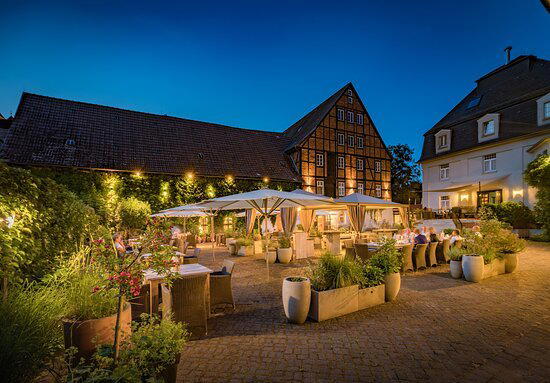
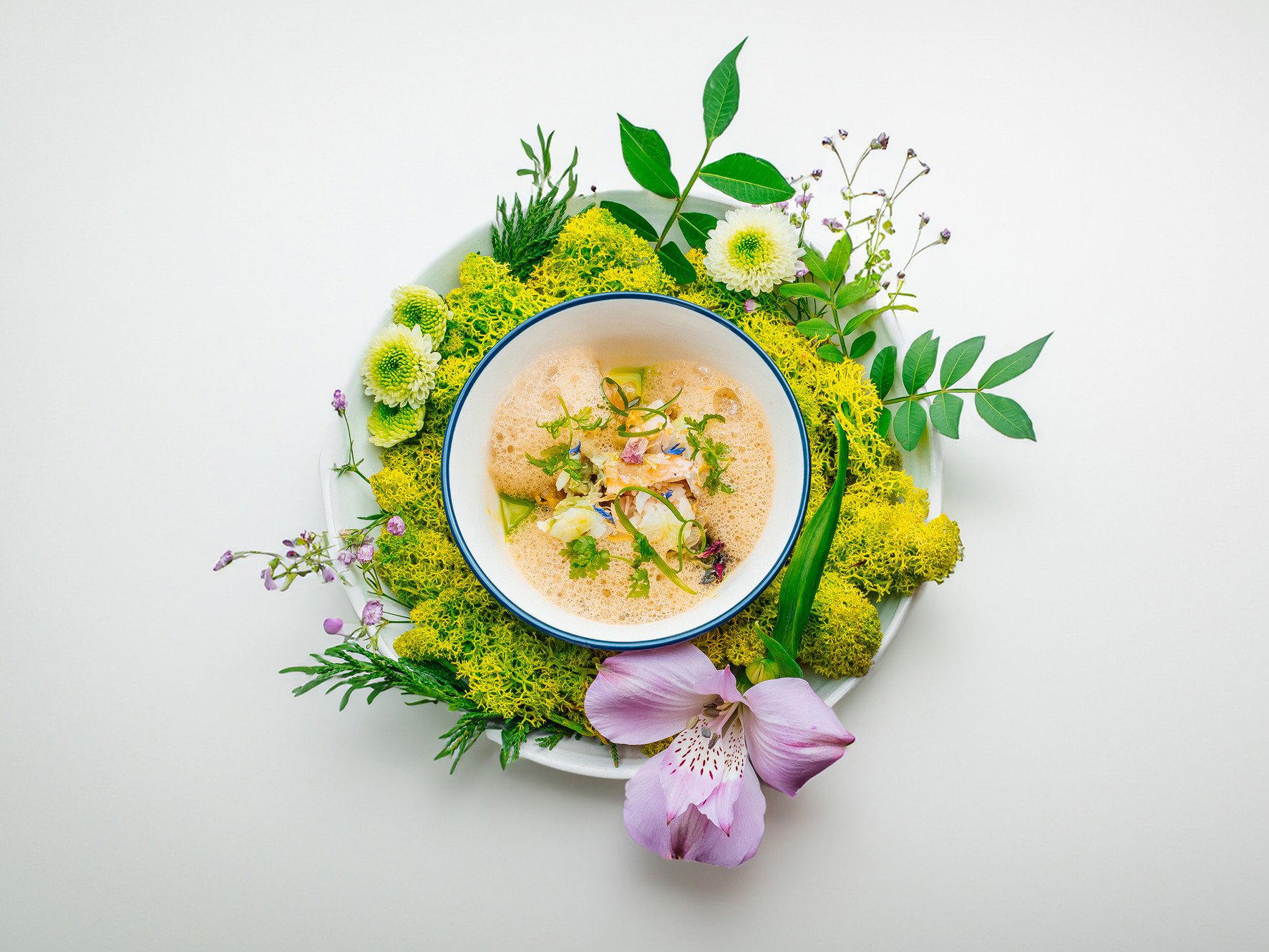
Bars in Wernigerode
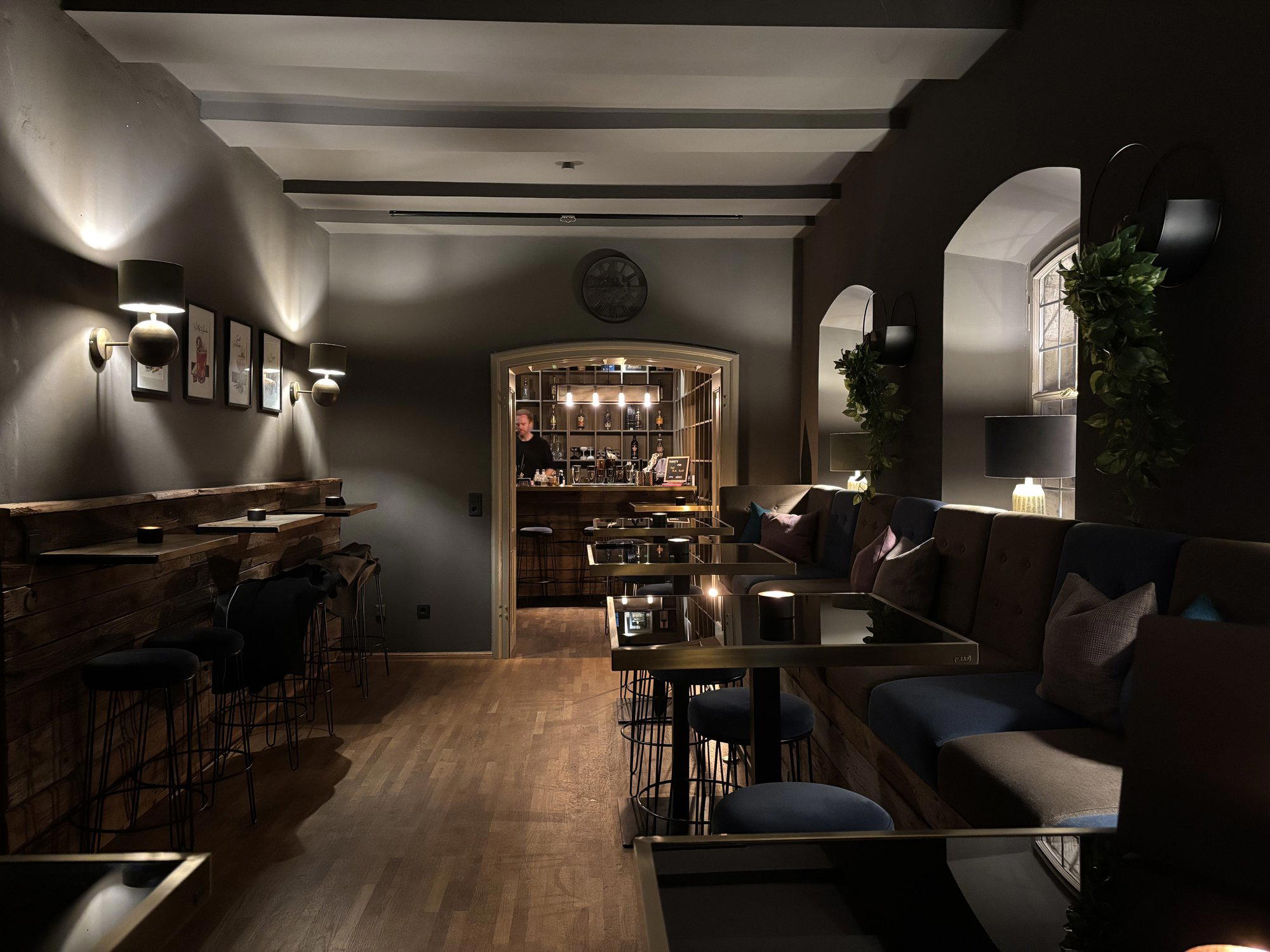
Browse all →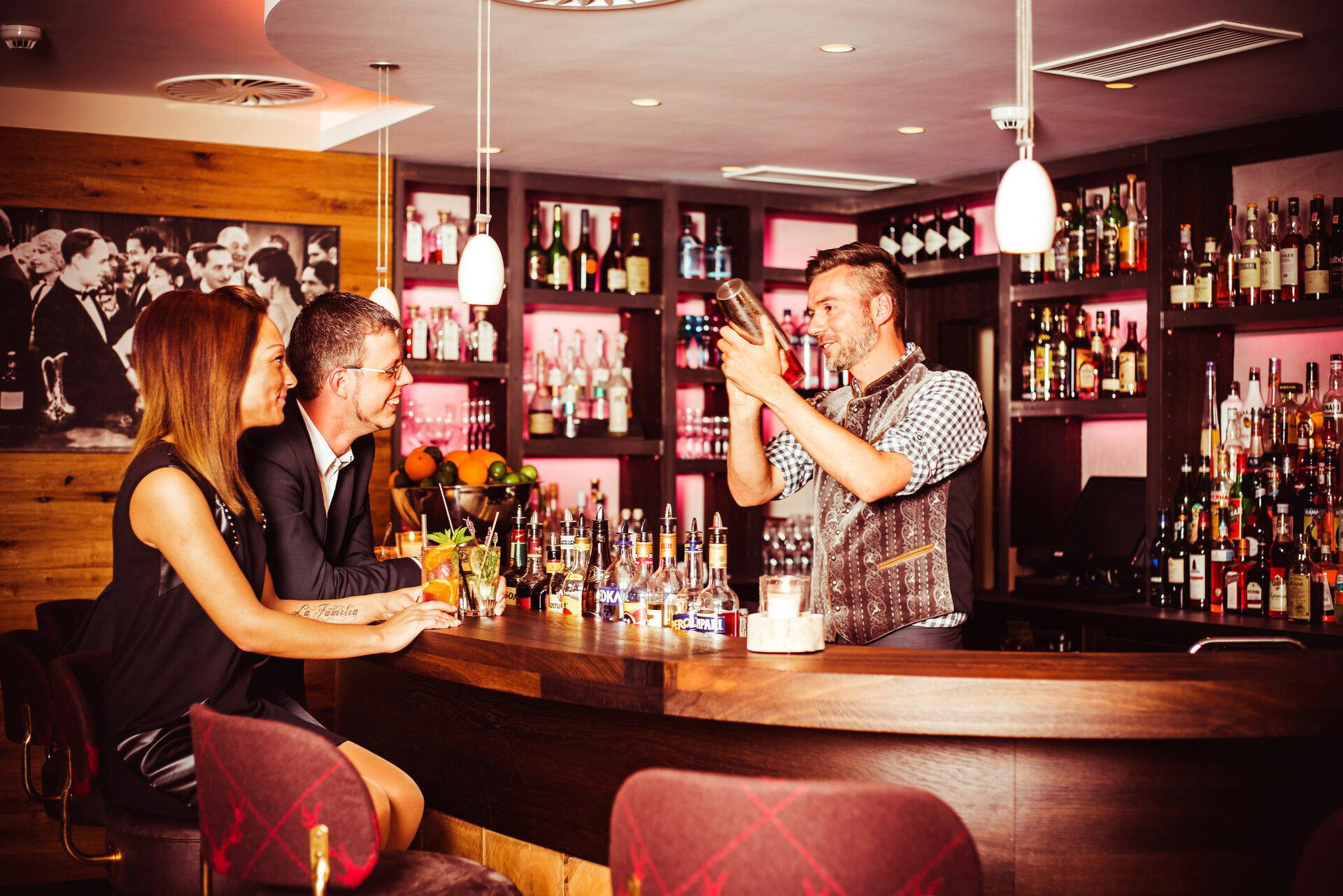
At a Glance
- Modern
- Cozy
- Intimate
- Sophisticated
- Elegant
- Date Night
- Special Occasion
- Open Kitchen
- Extensive Wine List
- Local Sourcing
Current opening hours
- Monday
- Closed
- Tuesday
- Closed
- Wednesday
- 7–11 PM
- Thursday
- 7–11 PM
- Friday
- 7–11 PM
- Saturday
- 7–11 PM
- Sunday
- Closed
Hours can change for holidays and private events. Last verified .
Pleasantly relaxed with modern stylish upscale interior featuring light wood furnishings, creating a homey yet refined living room atmosphere.