Behnecke im Hotel Braunschweiger Hof
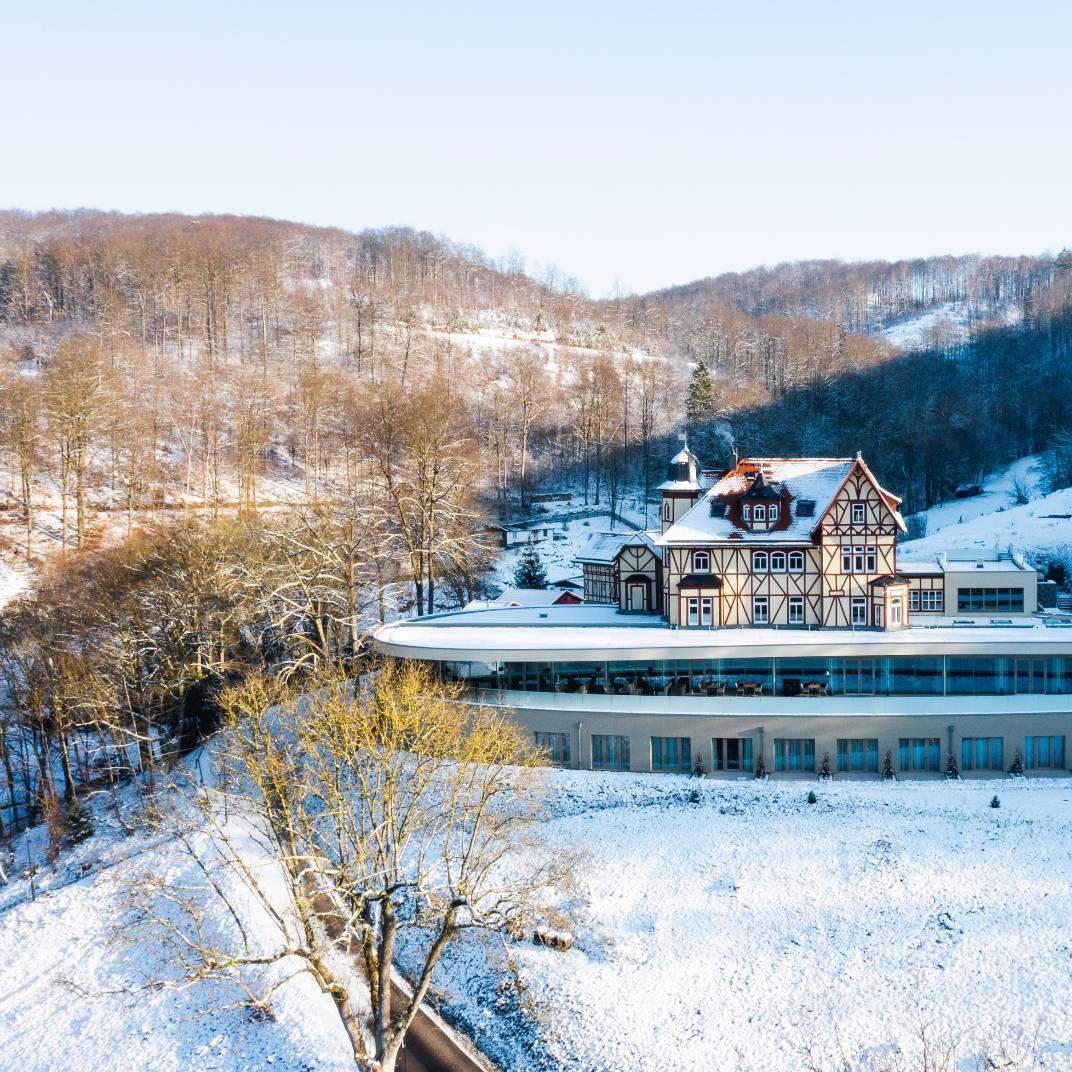
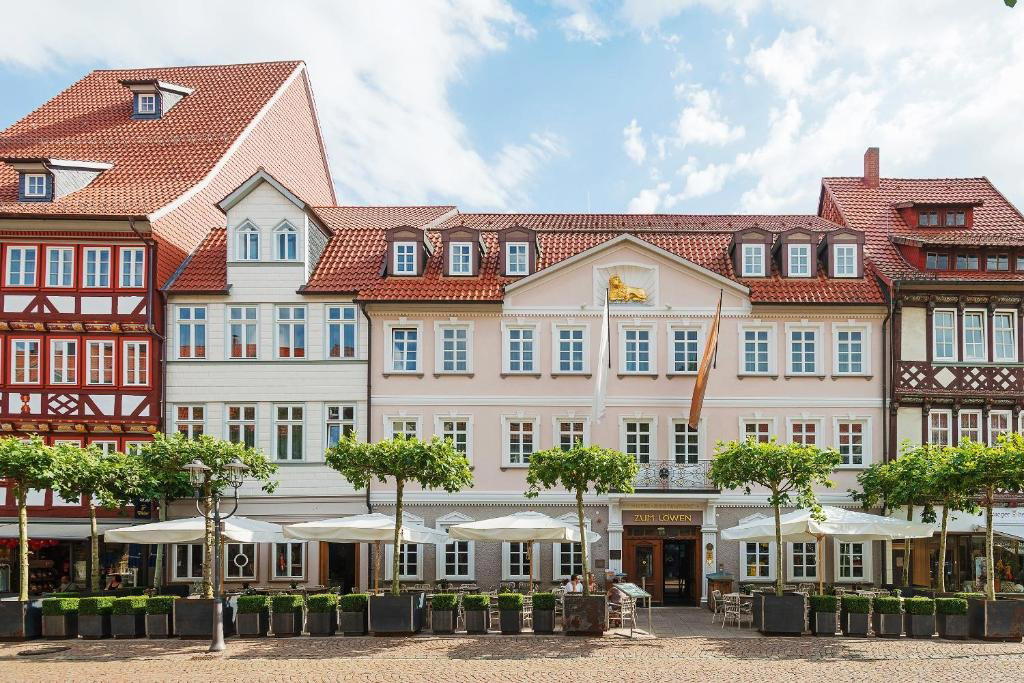
Behnecke im Hotel Braunschweiger Hof occupies a classic spa-town hotel address in Bad Harzburg, the Harz region's long-established retreat for health-conscious travellers and weekend escapists from Lower Saxony. Dining here sits within a tradition of hotel restaurants that draw on the Harz's forested interior for seasonal produce. It is a reference point for understanding how regional German hotel dining operates away from the major city circuits.
Pearl is the En Primeur Club membership app — saves, bookings, and concierge access live there. Same editors, same standards.
- Address
- Herzog Wilhelm Str. 54, 38667 Bad Harzburg, Germany
- Phone
- +494953227880
- Website
- hotel-braunschweiger-hof.de
- Directions
- Get directions
 Saves & bookings on Pearl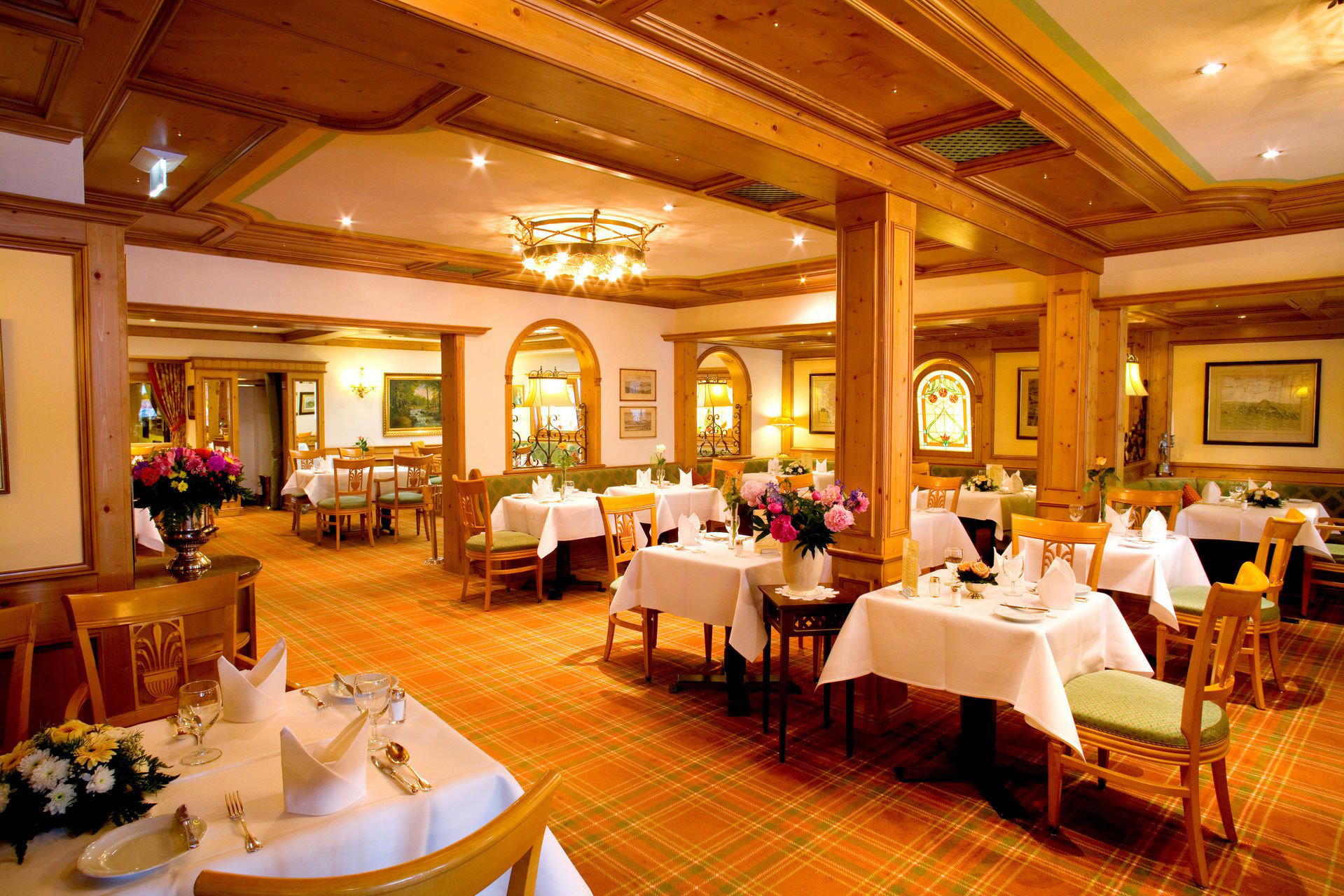
Hotel Dining in the Harz: What Bad Harzburg Tells You About Regional German Kitchens
Bad Harzburg occupies a particular position in northern German travel. A spa town at the northern edge of the Harz mountains, it has drawn visitors for well over a century on the logic of forest air, thermal wellness, and proximity to Hanover and Brunswick without the city overhead. The dining that developed alongside this tradition is not metropolitan fine dining transplanted into a rural setting. It is something more specific: hotel kitchens oriented around the rhythms of a guest population that arrives on short breaks, values comfort and regionality, and expects the plate to reflect where they are rather than where they might rather be. Behnecke, operating within the Hotel Braunschweiger Hof on Herzog Wilhelm Strasse 54, sits inside that tradition.
The Harz as a Producing Region
The editorial angle that matters most when thinking about kitchens in this corner of Lower Saxony is sourcing. The Harz is not a glamorous agricultural region in the way that the Rhine valley or Bavaria's foothills read to international audiences, but it is a genuinely productive one. Wild game from managed forests, freshwater fish from the Oker and Bode river systems, mushrooms from the conifer slopes in autumn, root vegetables and preserved goods that reflect a long tradition of making the most of short growing seasons: these are the raw materials that a serious hotel kitchen in Bad Harzburg has access to. Germany's middle upland zone has historically supported this kind of larder economy, and a kitchen that pays attention to it can produce food that is grounded in a very specific geography. That specificity is what distinguishes the better hotel restaurants in spa towns from those that simply deliver generic comfort food against a pleasant backdrop.
The broader German hotel restaurant circuit has seen significant differentiation over the past decade. At one end, properties connected to the group-luxury tier, such as those associated with Michelin-tracked programmes like Aqua in Wolfsburg or destination kitchens like Jante in Hanover, operate with explicit culinary ambition and a competitive identity built around chef recognition. At the other end, hotel restaurants in resort and spa towns function on a different logic entirely: they serve a captive audience with specific expectations, and the measure of quality is consistency, seasonal attentiveness, and the ability to source locally rather than the ability to win tasting-menu accolades. Neither model is superior; they answer different questions.
What the Hotel Braunschweiger Hof Address Signals
Herzog Wilhelm Strasse is a central address in Bad Harzburg, and the Hotel Braunschweiger Hof is one of the town's established properties. In spa-town hotel logic, this matters: an address like this has typically served a multi-generational guest base with expectations around presentation, service formality, and a menu range that covers both the guest who wants a full dinner and the one returning from a forest walk in need of something substantial but not ceremonially long. That dual function is harder to execute well than it looks. The kitchens at resort-adjacent properties that get this balance right tend to do so through disciplined sourcing and a menu structure that doesn't overreach. Where they falter is usually in trying to be both a neighbourhood bistro and a special-occasion restaurant simultaneously, without the kitchen depth to sustain either register with full conviction.
For context on the range of what hotel dining in German-speaking Europe can look like at its most ambitious, properties like Waldhotel Sonnora in Dreis or Schanz in Piesport demonstrate what happens when a rural hotel property commits entirely to kitchen excellence as a primary identity driver.
Seasonal Rhythms and the Harz Calendar
The Harz has pronounced seasonal patterns that any attentive kitchen in the region will reflect. Autumn is the period of greatest produce intensity: game, wild mushrooms, and late-harvest root vegetables align with the heaviest visitor traffic, as the forest colours draw weekend guests from across Lower Saxony and Saxony-Anhalt. Winter in a spa town like Bad Harzburg shifts toward comfort registers, with a guest population that has come for thermal facilities and tends to want warming, substantial food. Spring brings the first asparagus from the nearby Braunschweiger Land, a crop taken seriously enough in this part of Germany that white asparagus menus are genuinely seasonal events rather than menu dressing. Summer opens the region to hiking traffic, and kitchen output tends to lighten accordingly. A hotel kitchen that tracks these rhythms properly is doing something editorially interesting, even if it never appears in a guide.
Travellers with a serious interest in what Germany's fine dining tier looks like across its full range should note that the country's most decorated kitchens span a wide geography: Victor's Fine Dining by Christian Bau in Perl, Vendôme in Bergisch Gladbach, and GästeHaus Klaus Erfort in Saarbrücken all operate in non-metropolitan settings and demonstrate that geographic remove from Frankfurt or Berlin is not a constraint on ambition. Behnecke operates in that same geographic logic, though at a different level of culinary intensity.
Planning a Visit
Bad Harzburg is reachable by train from Hanover in under two hours and from Brunswick in roughly forty minutes, making it a practical base for a long weekend. The Hotel Braunschweiger Hof's address on Herzog Wilhelm Strasse puts it within walking distance of the town centre and the Kurpark. For visitors arriving specifically to eat rather than to stay, dinner in a hotel restaurant of this type is typically most rewarding mid-week or during the shoulder periods of the season, when kitchen attention is less divided by full-house covers. Those planning a broader Lower Saxony or Harz itinerary should consult our full Bad Harzburg restaurants guide for context on what the town's dining options look like across different price points and formats.
How Behnecke im Hotel Braunschweiger Hof: Hours compares with similar nearby venues.
| Venue | Cuisine | Price |
|---|---|---|
| Pietsch | Creative | €€€€ |
| Ratsstube | Modern Cuisine | €€ |
| Weinstube am Brühl | International | €€€ |
Continue exploring
More in Bad Harzburg
Restaurants in Bad Harzburg
Browse all →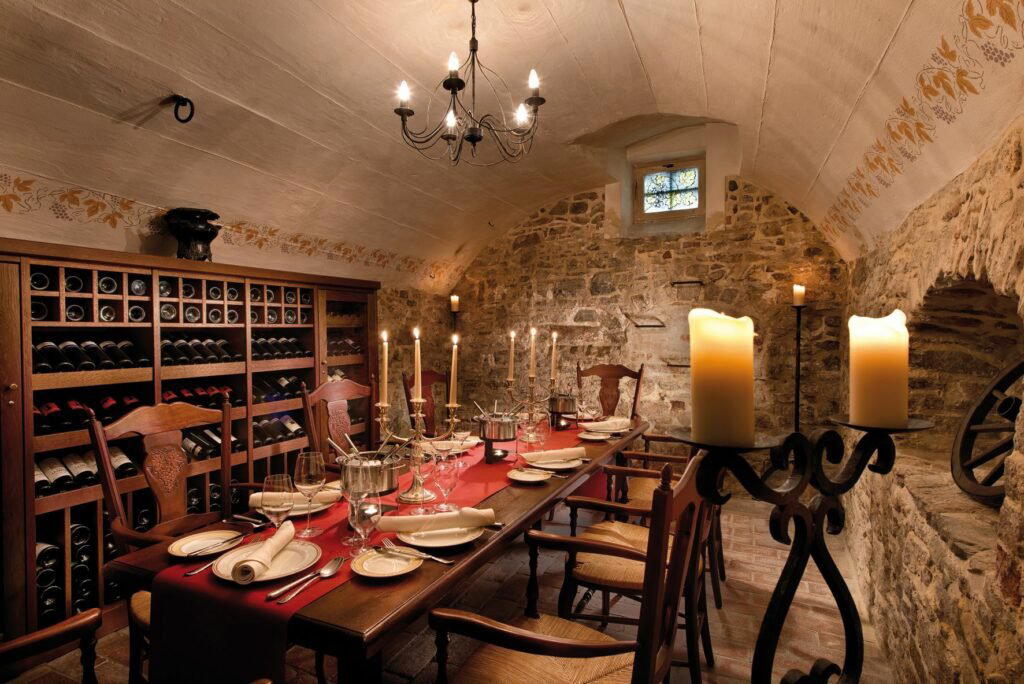
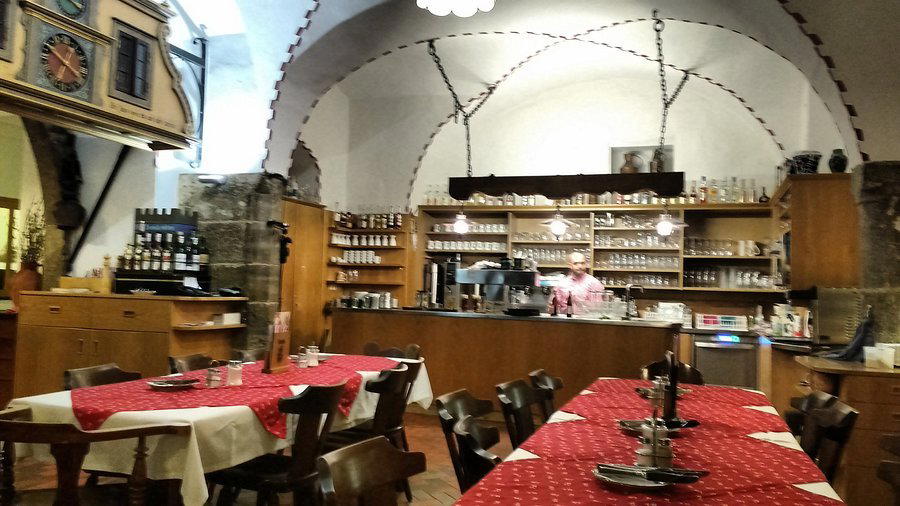
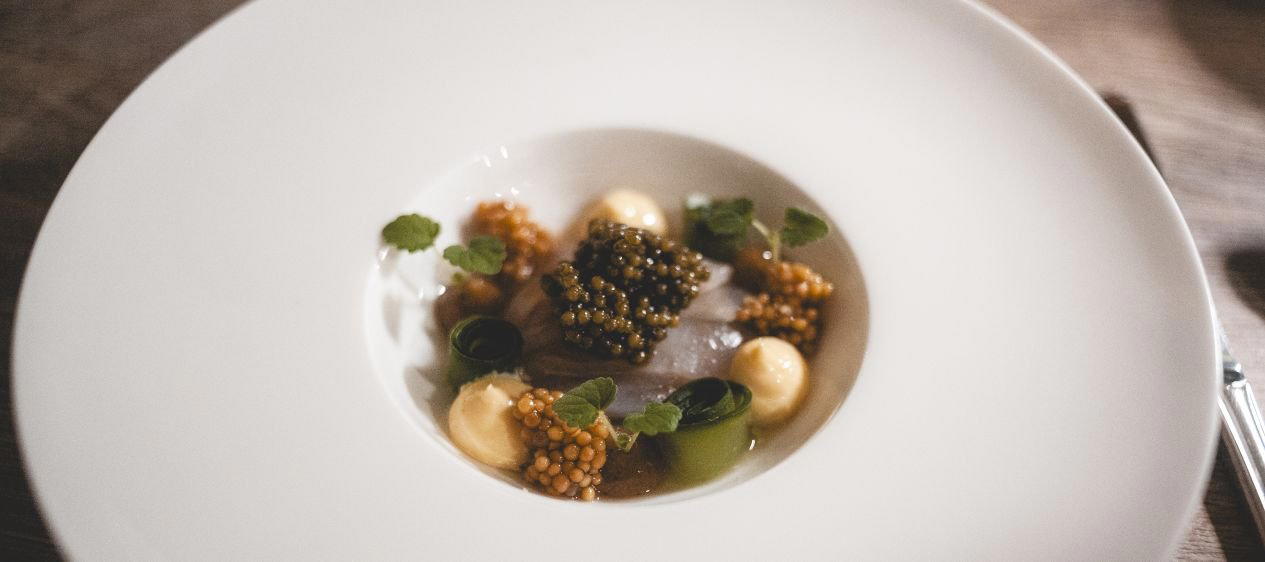
Bars in Bad Harzburg
Browse all →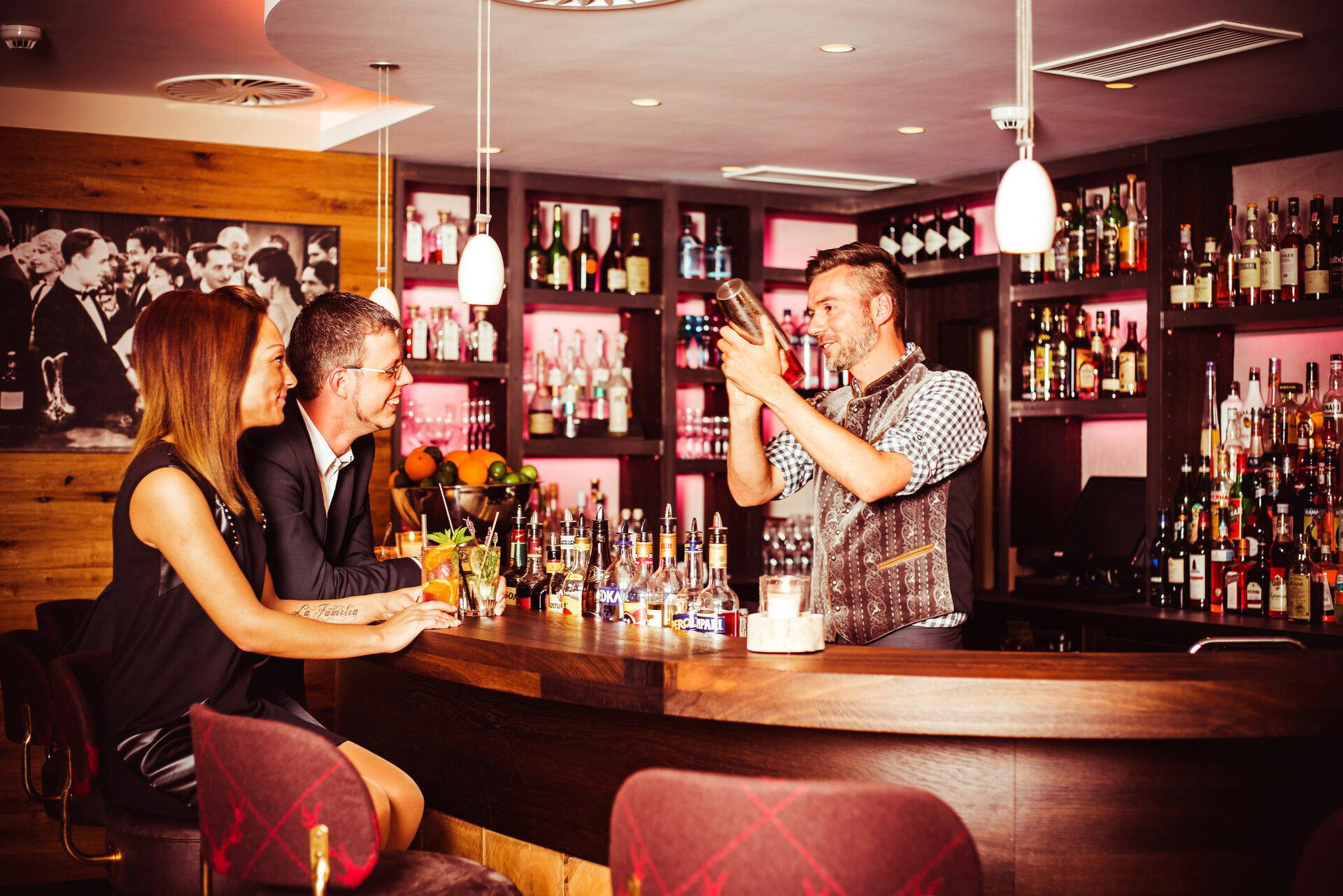
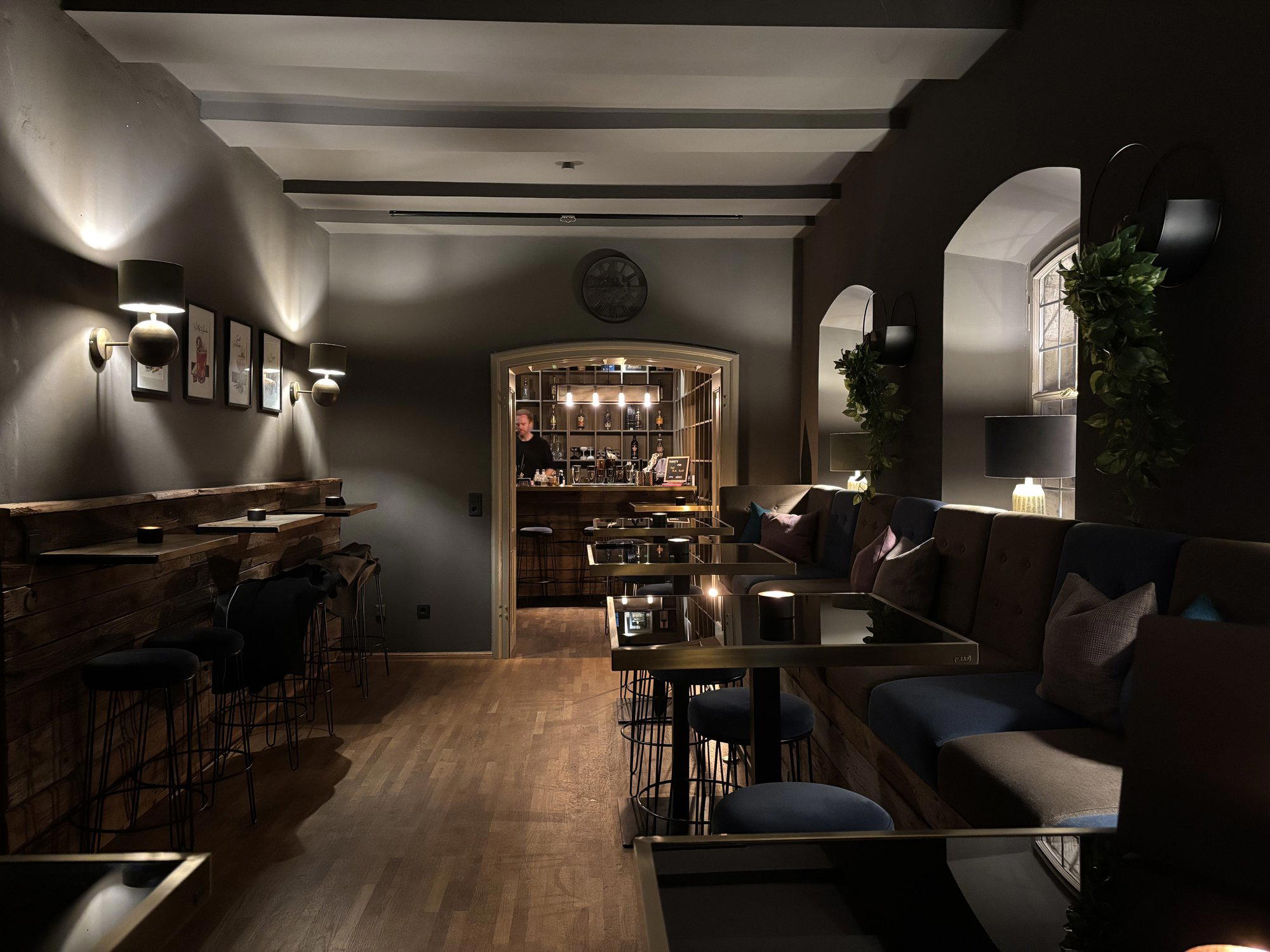
Hotels in Bad Harzburg
Browse all →
Wineries in Bad Harzburg
Browse all →
At a Glance
- Romantic
- Cozy
- Elegant
- Classic
- Special Occasion
- Date Night
- Hotel Restaurant
- Local Sourcing
- Garden
Current opening hours
- Monday
- 12–2 PM, 6–9:30 PM
- Tuesday
- 12–2 PM, 6–9:30 PM
- Wednesday
- 12–2 PM, 6–9:30 PM
- Thursday
- 12–2 PM, 6–9:30 PM
- Friday
- 10 AM–2 PM, 6–9:30 PM
- Saturday
- 12–2 PM, 6–9:30 PM
- Sunday
- 12–2:30 PM, 6–9 PM
Hours can change for holidays and private events. Last verified .
Elegant and cozy atmosphere with Wohlfühlatmosphäre, surrounded by hotel park.