Yum Cha
Yum Cha on Thompson Street brings one of dining's most communal formats to Greenwich Village, where the tradition of shared small plates and steamed baskets holds its own against the neighbourhood's broader restaurant scene. The address places it within easy reach of NYU's streets and SoHo's edge, making it a practical and considered choice for groups who want to eat well without the formality of a tasting menu counter.
Pearl is the En Primeur Club membership app — saves, bookings, and concierge access live there. Same editors, same standards.
- Address
- 228 Thompson St, New York, NY 10012
- Phone
- +12127630877
- Website
- yumchanyc.com
- Directions
- Get directions
 Saves & bookings on Pearl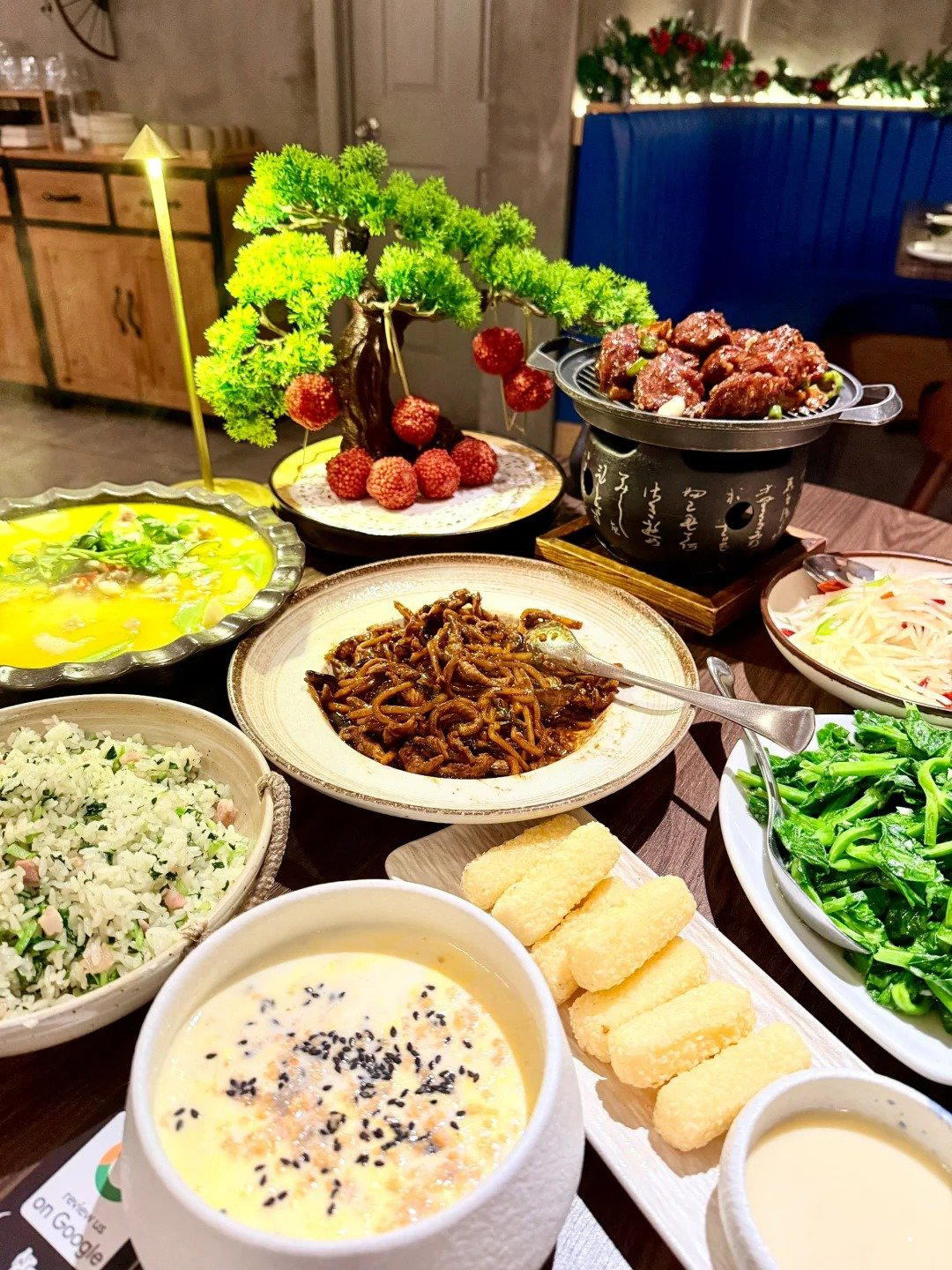
Dim Sum in Downtown Manhattan: What the Format Demands
If there is one dining ritual worth committing to in New York City, it is dim sum done properly: the stacked bamboo steamers, the clatter of ceramic on zinc-topped carts, the negotiation of a table that never quite feels large enough. Yum Cha, at 228 Thompson Street in Greenwich Village, occupies a specific position in this tradition. The name itself is Cantonese for the act of drinking tea alongside small plates, and that etymology matters. Yum cha as a practice predates the modern restaurant format by centuries, rooted in Guangdong teahouse culture where the food was secondary to conversation and the tea was the frame around everything else.
Greenwich Village is not Chinatown, and that distinction shapes the experience before anyone sits down. The neighbourhood's restaurant character runs toward independent operators, a mixed residential and student population, and foot traffic that skews younger and more casual than the Flatiron or Midtown dining corridors where venues like Le Bernardin or Per Se anchor their reputations. Yum Cha sits in that Village register: accessible, neighbourhood-scaled, and operating in a cuisine category that rewards group dining and repeated visits over single-occasion formality.
The Atmosphere of a Working Dim Sum Room
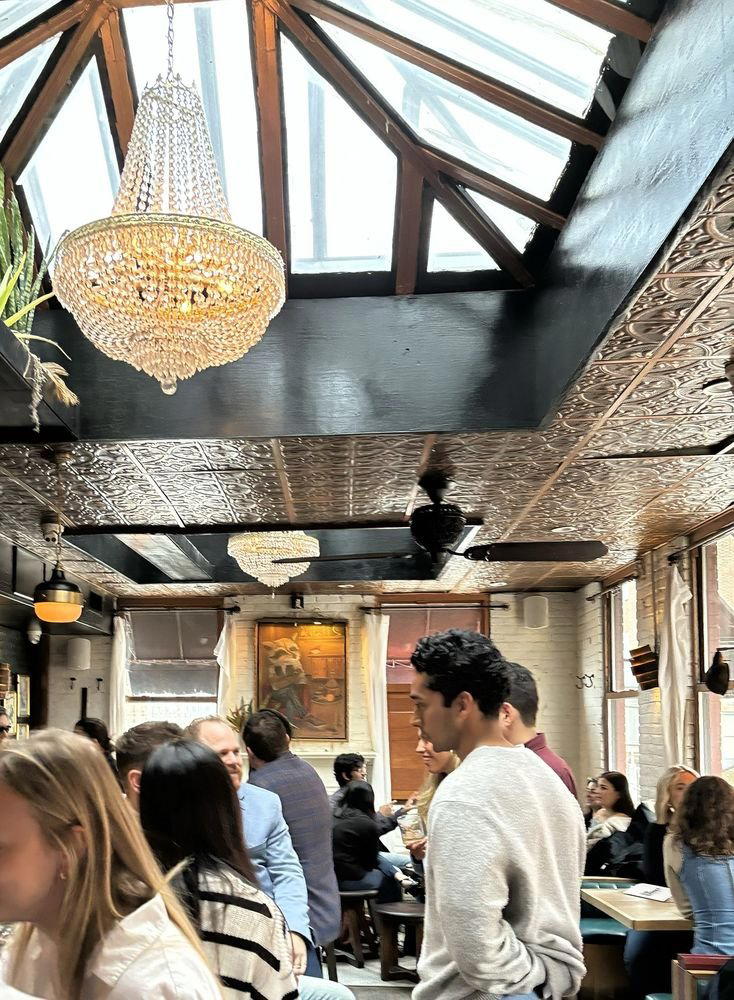
The sensory grammar of a dim sum room is distinct from almost any other dining format in the city. Sound is the first signal: the overlap of multiple conversations, the percussion of bamboo lids lifted and replaced, the rolling of trolleys if the format supports it. Steam is the second: the visible rise from a fresh basket of har gow or siu mai that signals the kitchen is moving at pace. These are not ambient details. They are functional signals that the food is arriving at the right moment and that the kitchen is calibrated to the rhythm of the table.
Thompson Street's footprint and the Village's tighter building stock mean the restaurant operates at a scale appropriate to its neighbourhood. Dim sum rooms in Manhattan's Chinatown district, particularly along Mott Street and in Flushing's larger banquet halls, often run at capacities that feel closer to institutional than intimate. The Village address suggests a different register: smaller, with the noise level and density of a room that fills because the neighbourhood wants it full, not because of tour group volume.
The visual cadence of the format is worth understanding before arriving. Dim sum is structured around pace and sequence, not a fixed progression from starter to main. The first baskets to arrive set the temperature and expectation for everything that follows. Tea, ordered early and refilled without ceremony, functions as the temporal anchor of the meal.
Where Yum Cha Sits in New York's Chinese Dining Scene
New York's Chinese dining scene runs across a wider register than most cities of comparable size. At the counter-service and banquet-hall end, Flushing in Queens remains the reference point for volume and authenticity. The downtown Chinatown corridor handles a middle tier. Individual Village and SoHo operators occupy a different position: smaller, often more edited in their menus, and priced against the neighbourhood rather than against the $3-per-basket economics of a large dim sum hall.
This is a pattern that repeats across dining categories. Atomix and Jungsik New York have demonstrated that Korean cuisine in Manhattan can hold its own at the $$$$ tier, competing directly with European fine dining formats. Chinese cuisine in New York has been slower to make that transition at the tasting-menu level, which makes the neighbourhood dim sum operator a more interesting subject than it might first appear. These venues carry the cuisine in the absence of a dominant fine-dining tier, and they do it through repetition and quality control rather than theatrical presentation.
The comparison set for the restaurant is not Masa or the Michelin-starred counters of Midtown. It is the broader category of accessible, independently operated dim sum and Cantonese dining in Manhattan below 14th Street. Within that category, a Thompson Street address, proximity to NYU, and the Village's general restaurant density create a competitive environment that keeps operators accountable.
Planning Your Visit
Dim sum is traditionally a morning-to-early-afternoon format. In Guangdong, teahouses open as early as 5am; in most Western Chinese restaurants, the format runs from late morning through early afternoon, with evening service either dropping the trolley system entirely or shifting to a more conventional à la carte menu. Understanding which format a given venue runs at which hours is worth clarifying before arrival, particularly for groups larger than four.
Thompson Street in Greenwich Village is reachable by subway on the A, C, E, or B, D, F, M lines, with West 4th Street as the closest station. The neighbourhood is also walkable from SoHo and the West Village, which makes it a reasonable anchor point for a longer afternoon.
Budget Reality Check
Comparable venues nearby, for context on price, style, and recognition.
| Venue | Cuisine | Price | Notes |
|---|---|---|---|
| Yum ChaThis venue — the venue you are viewing | Not listed | $$ | Not listed |
| Baohaus | Not listed | $$ | East Village, Taiwanese Gua Bao & Street Food |
| Atlas Kitchen | Not listed | $$ | Morningside Heights, Modern Chinese (Hunan & Sichuan) |
| Tim Ho Wan East Village | East Village, Hong Kong Style Dim Sum | $$ | Not listed |
| Wok In Duane | Not listed | $$ | Tribeca-Civic Center, Modern Pan-Asian Wok |
| Land of Plenty | Not listed | $$ | East Midtown-Turtle Bay, Authentic Sichuan |
Continue exploring
More in New York City
Restaurants in New York City
Browse all →
Bars in New York City
Browse all →
Hotels in New York City
Browse all →




At a Glance
- Cozy
- Trendy
- Lively
- Date Night
- Casual Hangout
- Group Dining
- Open Kitchen
- Craft Cocktails
Current opening hours
- Monday
- 11:30 AM–10 PM
- Tuesday
- 11:30 AM–10 PM
- Wednesday
- 11:30 AM–10 PM
- Thursday
- 11:30 AM–10 PM
- Friday
- 11:30 AM–10 PM
- Saturday
- 11:30 AM–10 PM
- Sunday
- 11:30 AM–10 PM
Hours can change for holidays and private events. Last verified .
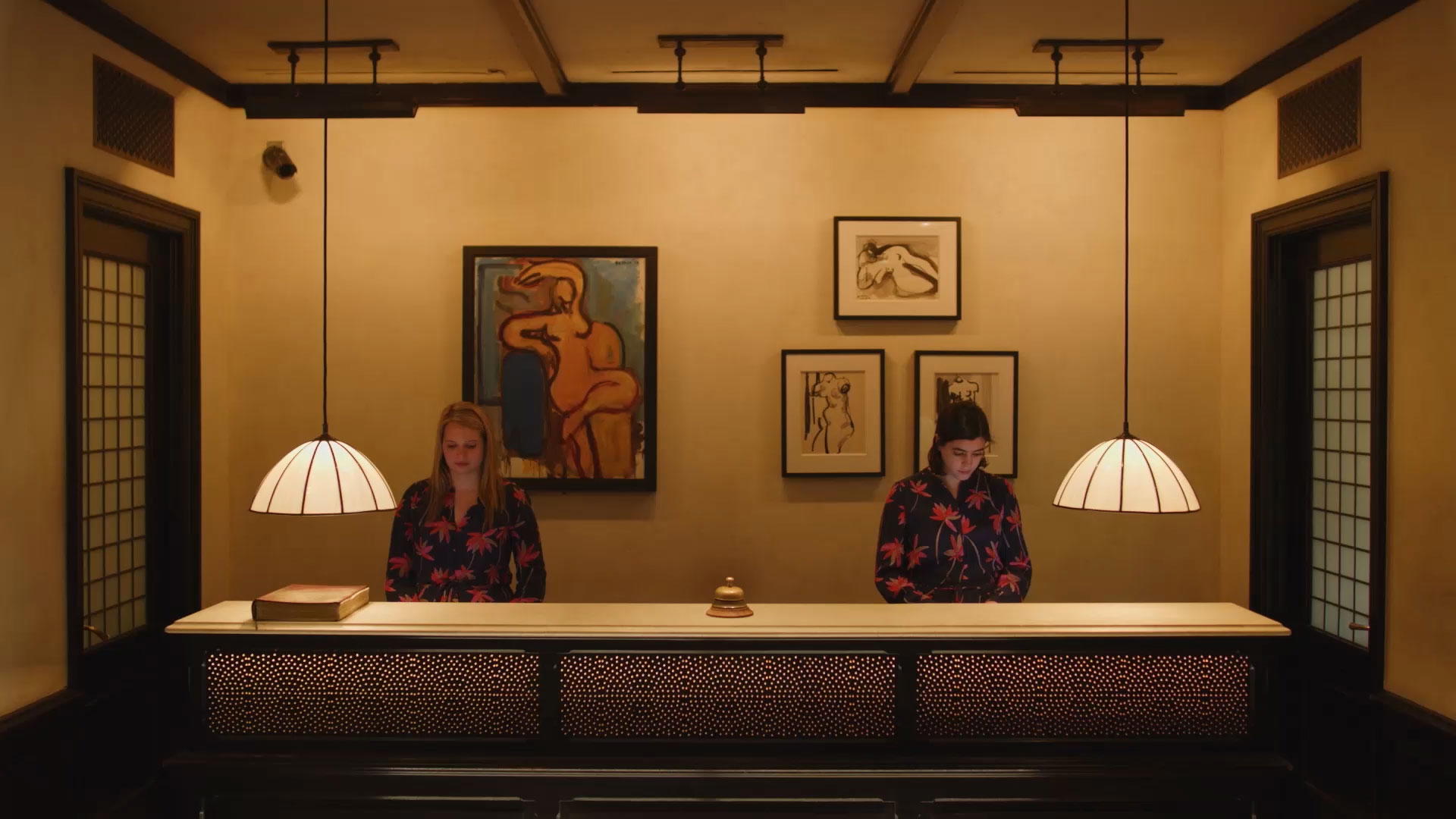
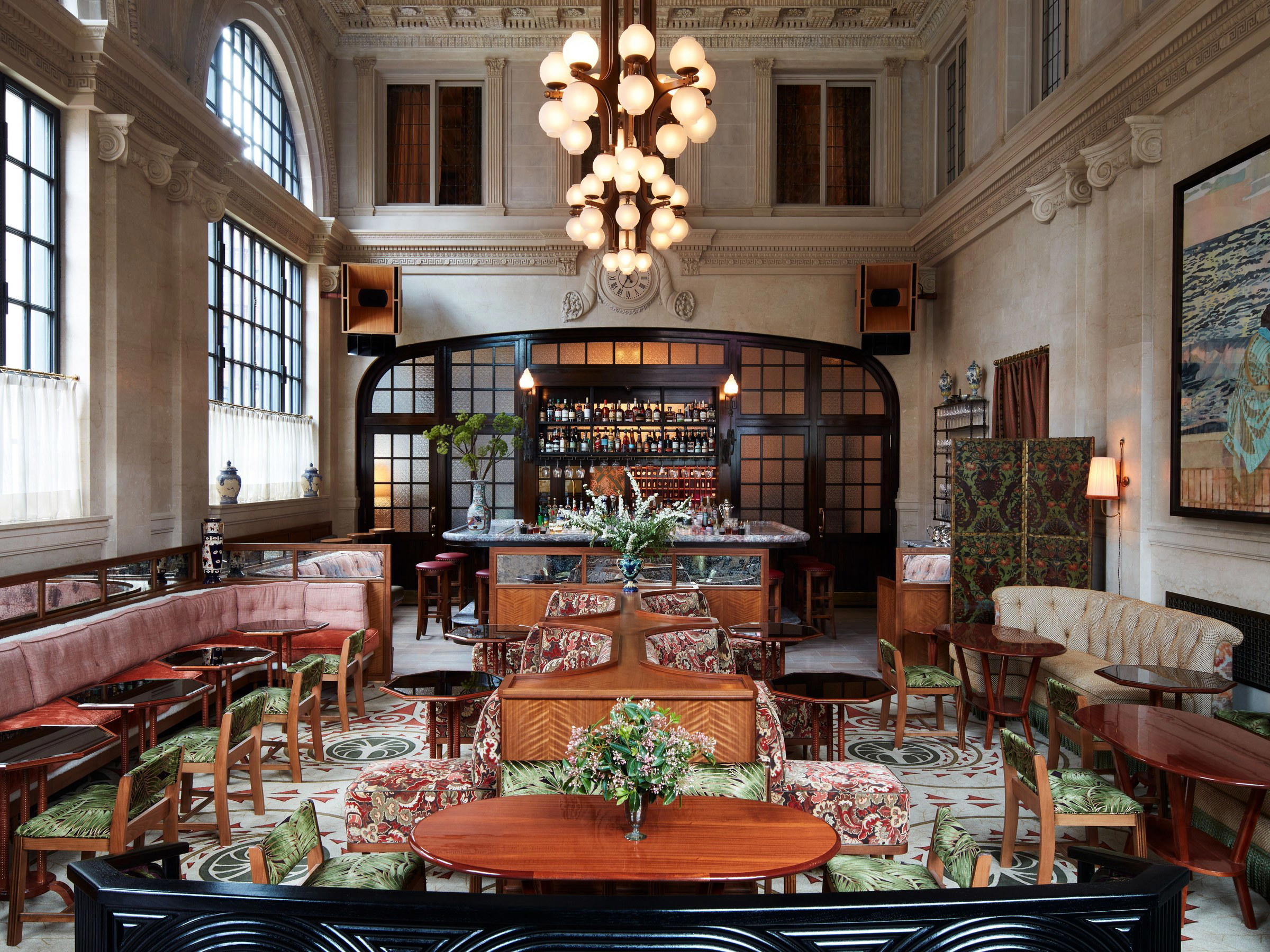
Cozy ambiance reminiscent of traditional dim sum parlors with a fresh, natural style and warm, stylish setting.