Atlas Kitchen
Atlas Kitchen sits on West 109th Street in Manhattan's Upper West Side, a neighborhood where the dining conversation has long been shaped by regulars rather than reservation algorithms. For those tracking the city's less-publicized tables, it warrants close attention.
Pearl is the En Primeur Club membership app — saves, bookings, and concierge access live there. Same editors, same standards.
- Address
- 258 W 109th St, New York, NY 10025
- Phone
- +16469280522
- Website
- atlaskitchennyc.com
- Directions
- Get directions
 Saves & bookings on Pearl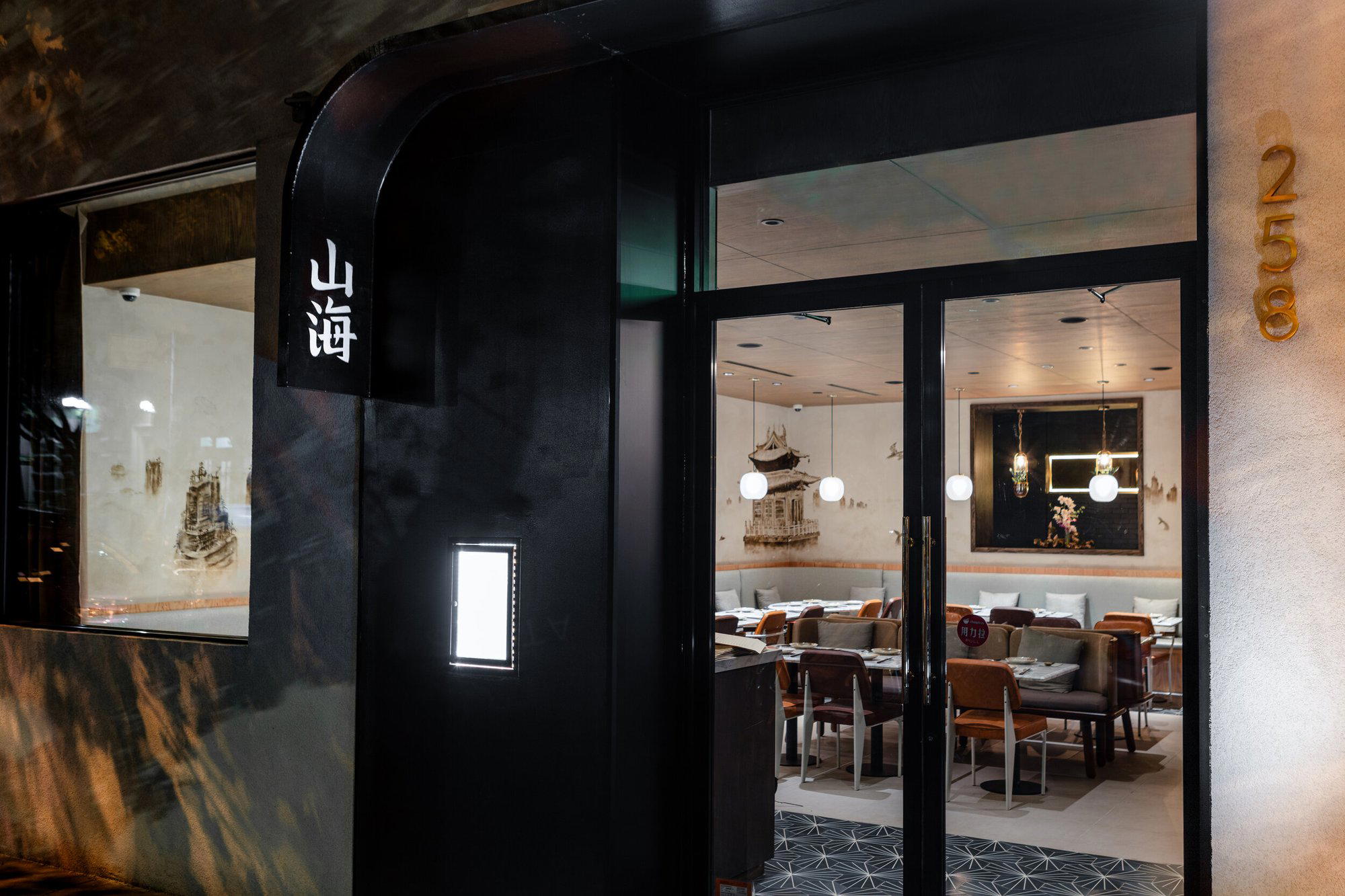
A Table the Neighborhood Keeps to Itself
Upper Manhattan has a different relationship with its restaurants than the blocks south of 96th Street. Atlas Kitchen is a restaurant serving Modern Chinese (Hunan & Sichuan) at 258 West 109th Street, New York, NY 10025. Atlas Kitchen, at 258 West 109th Street, sits squarely inside that tradition. The address places it within walking distance of Columbia University and Riverside Park, in a residential corridor where a restaurant earns its reputation one returning household at a time, not through a wave of opening-week press.
That dynamic shapes everything about how a place like this functions. Regulars in neighborhoods like this one are not necessarily chasing the formats that dominate the conversation further south, the omakase counter, the tasting menu built around a named chef, the high-priced room that competes in the same bracket as Masa or Per Se. They are looking for something more durable: a kitchen that knows what it does well and does not deviate, a room where the staff recognize faces, and a menu where the reliable choices are the point rather than a concession to accessibility.
Where This Address Sits in New York's Dining Geography
New York's restaurant culture has increasingly concentrated its critical energy downtown and in a handful of destination neighborhoods, the stretch of the West Village anchored by Le Bernardin's Midtown peer group, the Brooklyn addresses that compete with nationally recognized rooms like Eleven Madison Park, and the Korean-influenced tasting counter tier represented by Atomix. That concentration leaves Upper Manhattan, historically rich in neighborhood dining but rarely part of the destination-dining circuit, operating at a different register.
What that means practically is that a restaurant at 109th Street and Broadway competes not with the $$$$ rooms that draw visitors from other cities, but with the loyal custom of a dense residential population. That is a harder standard in some respects: transient diners forgive inconsistency because they may not return; regulars do not. The fact that addresses in this corridor sustain themselves over time is itself a signal worth taking seriously.
The Regulars' Logic
There is a specific kind of knowledge that accrues to people who eat at the same table repeatedly, an understanding of which dishes hit their peak on which nights, which off-menu requests the kitchen will accommodate without hesitation, and when to arrive to avoid the particular crowding that no reservation system fully solves. At neighborhood restaurants operating without the infrastructure of large hospitality groups, that knowledge passes horizontally, between regulars, rather than appearing in a press packet.
This is a pattern visible across the restaurant tier Atlas Kitchen occupies in New York. Compare it to the way regulars at comparable neighborhood anchors in other American cities operate: in San Francisco, Lazy Bear built its following through a community-first model before formalizing into a ticketed dining room; in Chicago, Smyth maintains a loyal local base alongside its critical profile. The neighborhood restaurant that keeps its regulars is solving a harder retention problem than the destination room that can always refresh its audience with new visitors.
In New York's Upper West Side specifically, the restaurants that have lasted, through pandemic closures, rent cycles, and the repeated disruption of the city's hospitality economy, have done so because a core group of diners decided they were worth protecting. That is not a small thing, and it is not a dynamic that manifests through Michelin stars or James Beard nominations. It manifests through full tables on Tuesday nights in February.
Placing Atlas Kitchen Against the Wider Scene
For readers accustomed to the destination-dining tier, the farm-to-table discipline of Blue Hill at Stone Barns in nearby Tarrytown, or the coastal precision of Providence in Los Angeles, a neighborhood restaurant on 109th Street operates at a different level of ambition, intentionally. That is not a criticism. The dining category that sustains neighborhoods is not the same one that populates the World's 50 Best list, and conflating the two misreads what each is trying to do.
Across American cities, the restaurants that anchor residential neighborhoods share certain characteristics: they price accessibly relative to their market, they maintain formats that reward repeat visits, and they resist the pressure to reinvent themselves seasonally in ways that alienate loyal customers. Whether that description applies precisely to the restaurant in its current form requires more specific data than is publicly available. But the address, the neighborhood, and the basic logic of how upper Manhattan dining operates point toward a kitchen functioning inside that tradition.
Each of those rooms built loyal local bases that predate and outlast their critical recognition.
Planning Your Visit
The restaurant is located at 258 West 109th Street, New York, NY 10025, in the northern Upper West Side between Broadway and West End Avenue. The address is accessible from the 1 train at Cathedral Parkway (110th Street) station, one block north. Reservations: Recommended. Dress: Smart casual. Budget: Price tier 2. Hours: Mon-Sun 11:30 AM-9:30 PM.
Cuisine-First Comparison
Comparable venues nearby, for context on price, style, and recognition.
| Venue | Cuisine | Price | Notes |
|---|---|---|---|
| Atlas KitchenThis venue — the venue you are viewing | Modern Chinese (Hunan & Sichuan) | $$ | Not listed |
| Joe's Ginger | Shanghai Soup Dumplings | $$ | Chinatown-Two Bridges |
| Chun Vegetarian | Chinese Vegetarian | $$ | Bedford-Stuyvesant (West) |
| Nom Wah Tea Parlor | Hong Kong-Style Dim Sum | $$ | Chinatown-Two Bridges |
| Nin Hao | Modern Fujianese | $$ | Prospect Heights |
| Shanghai Zhen Gong Fu | Shanghainese | $$ | Elmhurst |
Continue exploring
More in New York City
Restaurants in New York City
Browse all →
Bars in New York City
Browse all →

Hotels in New York City
Browse all →




At a Glance
- Cozy
- Modern
- Elegant
- Casual Hangout
- Date Night
- Open Kitchen
Current opening hours
- Monday
- 11:30 AM–9:30 PM
- Tuesday
- 11:30 AM–9:30 PM
- Wednesday
- 11:30 AM–9:30 PM
- Thursday
- 11:30 AM–9:30 PM
- Friday
- 11:30 AM–9:30 PM
- Saturday
- 11:30 AM–9:30 PM
- Sunday
- 11:30 AM–9:30 PM
Hours can change for holidays and private events. Last verified .
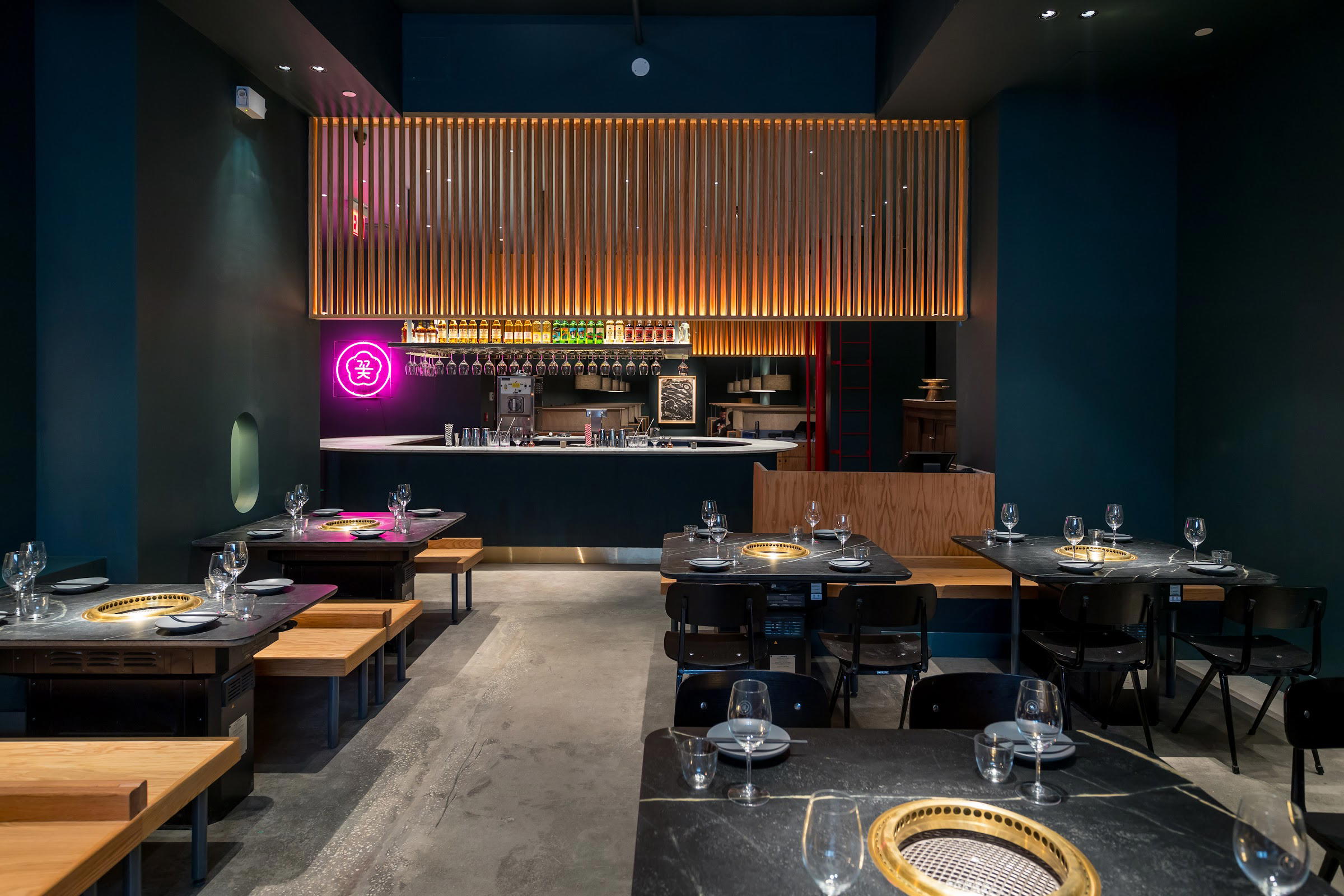
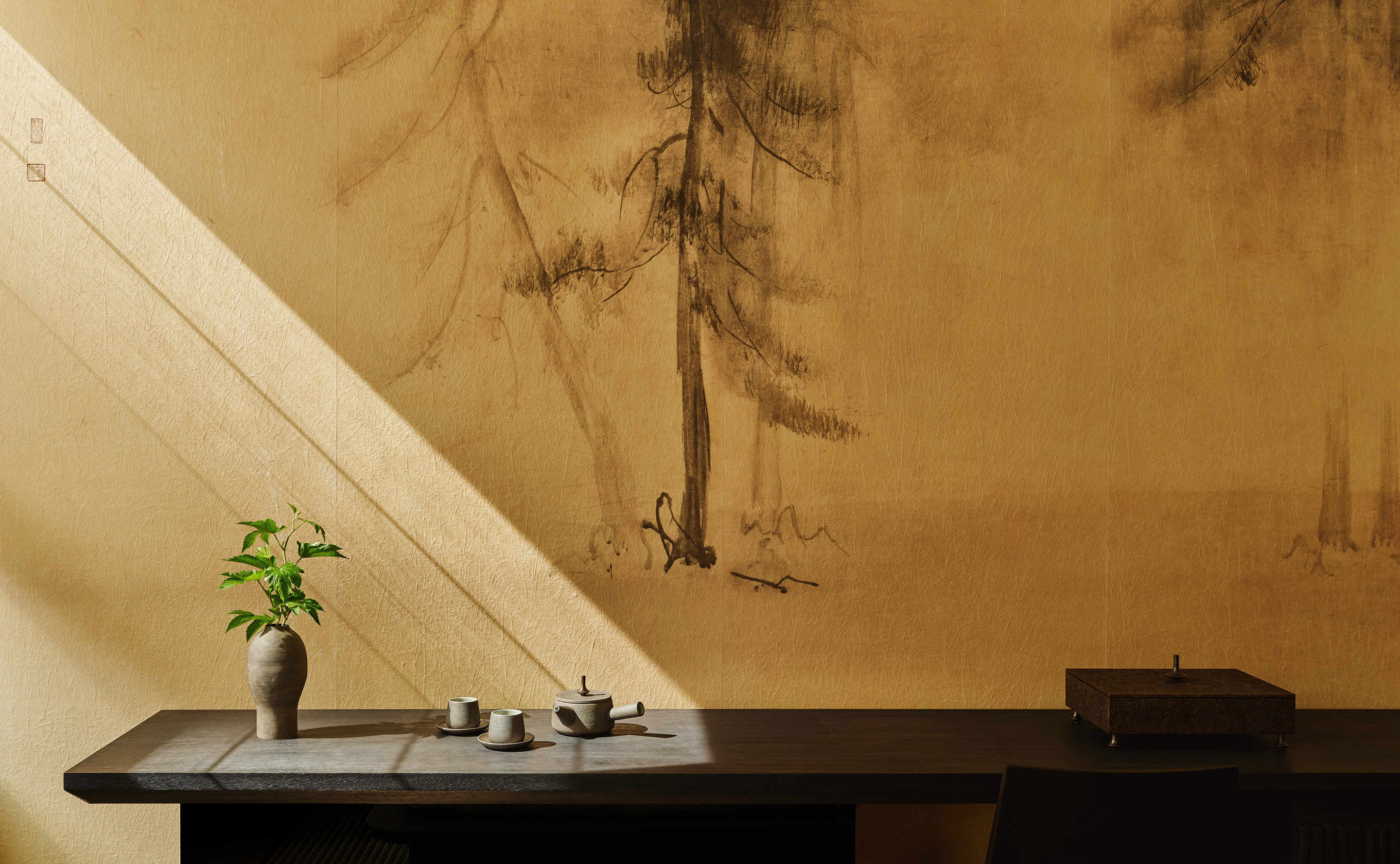
Stylish and cozy atmosphere with subdued elegance, muted color scheme, marble tabletops, and poetic murals of mountains and towers.