Michelin Bib Gourmand
Our verdict
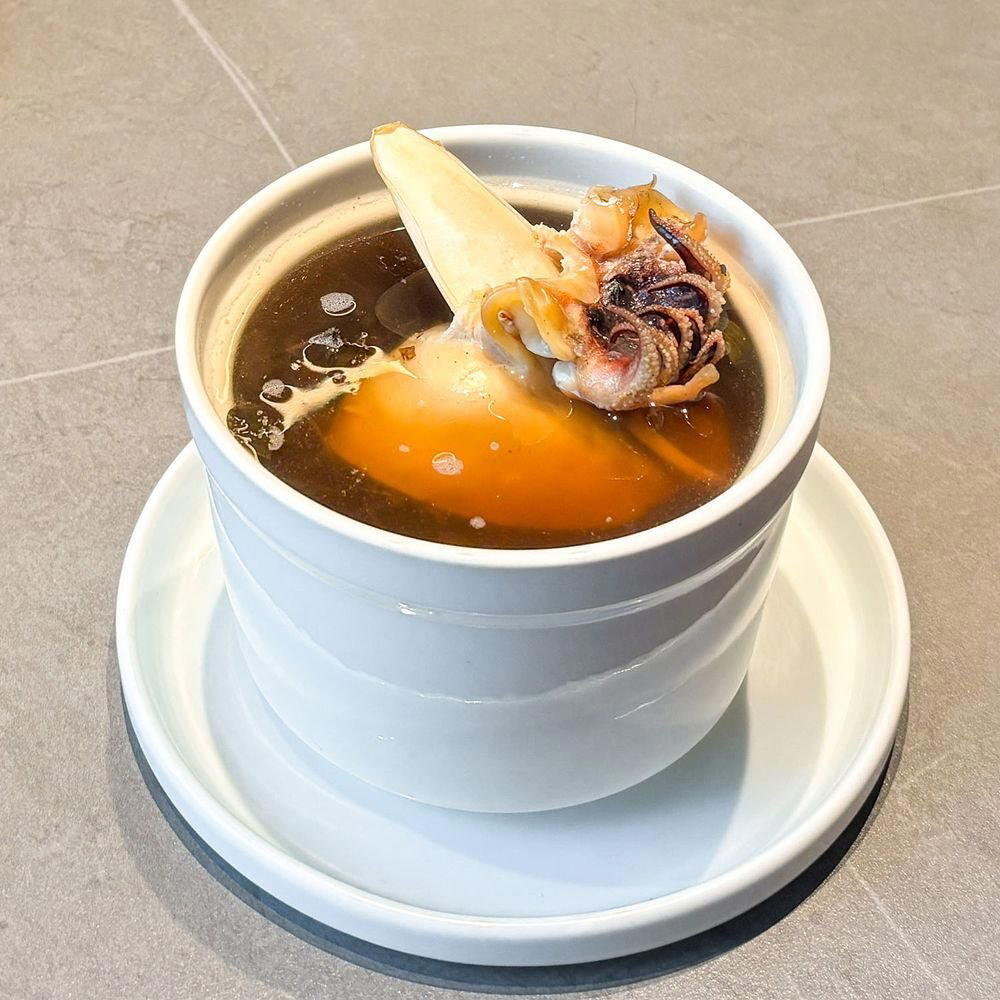
Yu Xian Lou has spent over a decade refining a format that most Fuzhou restaurants avoid: private rooms only, no printed menu, and a live tank selection that runs considerably further into rare territory than its competitors. The kitchen's strength is in applying precise technique to ingredients most diners have never encountered, from clam worms sautéed with flowering chives to skate liver served in lotus leaf buns.

Pearl is the En Primeur Club membership app, where members save venues, book tables and use the concierge.
The menu
What to order
- Sautéed clam worms with flowering chives
- Skate liver in lotus leaf buns
A Different Kind of Seafood Ritual
There is a particular type of restaurant in coastal Chinese cities that treats the live tank not as a display case but as the entire editorial premise of the meal. Walk past enough seafood counters in Fuzhou and you will notice a spectrum: some tanks hold the reliable staples, mandarin fish, grouper, abalone, while others push further, stocking species that require explanation even to experienced diners. Yu Xian Lou sits firmly at the far end of that spectrum. Operating out of Gulou District at 156 Fufei South Road, the restaurant has maintained this position for over a decade, long enough to suggest the format is a considered commitment rather than a novelty.
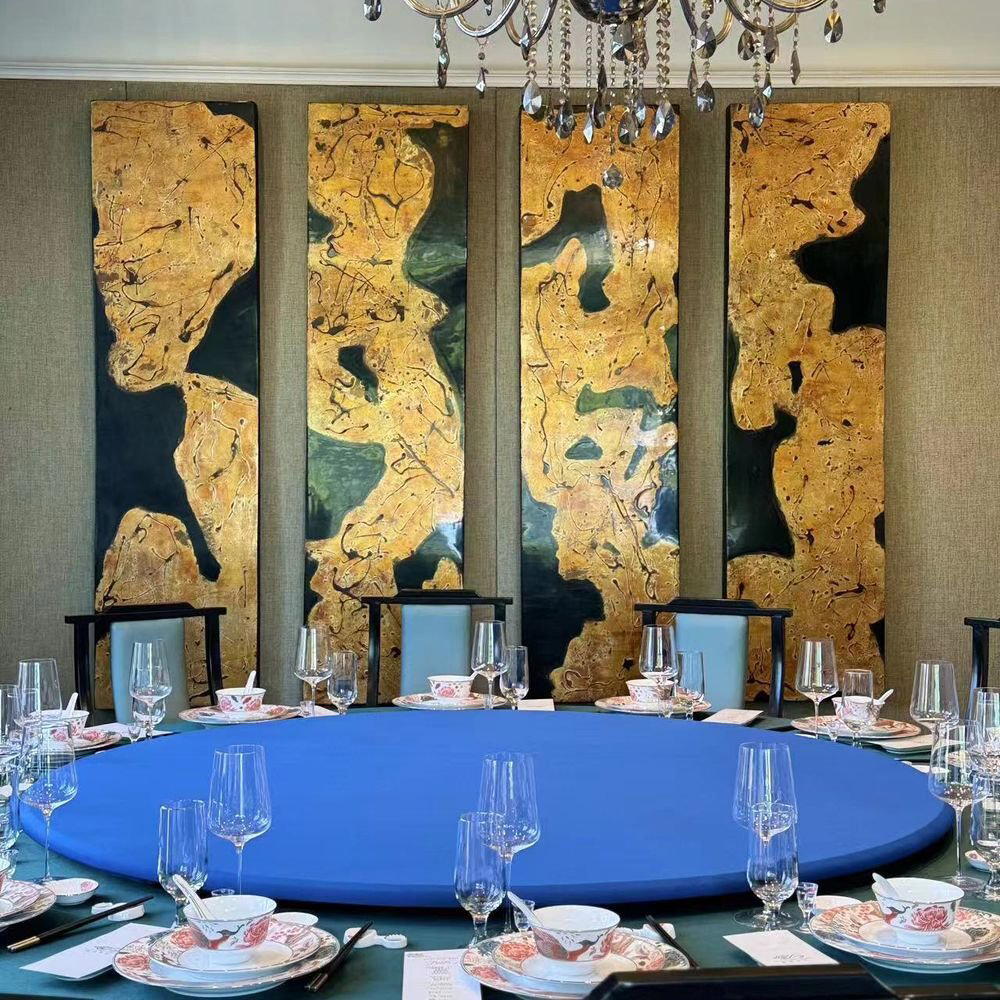
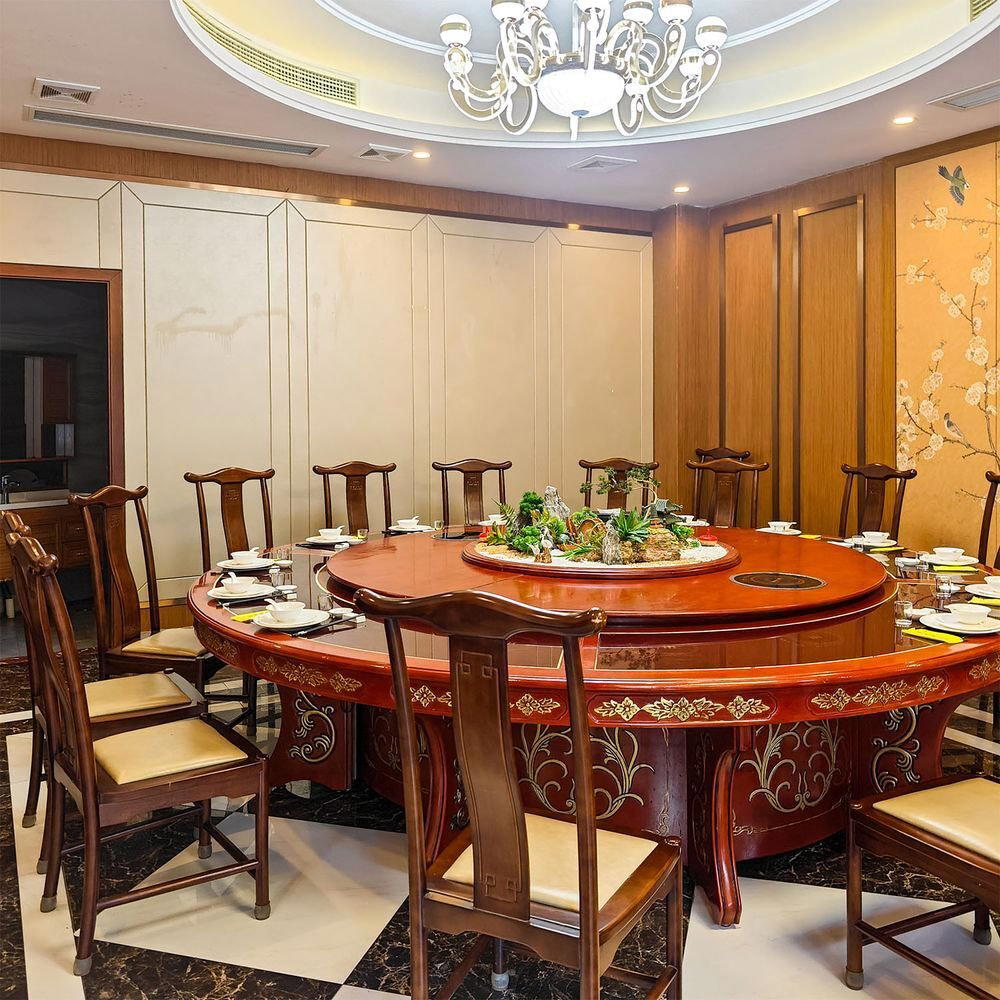
The approach here strips out nearly every buffer between the diner and the raw product. There is no printed menu. Guests select their seafood directly from the live tanks, a format that places the quality and rarity of the catch at the centre of the experience. The rooms are all private, which means the meal unfolds without the ambient negotiation of a shared dining room. In a city where banquet culture remains a serious social institution, that privacy is not simply a comfort amenity, it shapes the pace and register of the entire meal.
Where Fuzhou's Ingredient Tradition Gets Technical
Fujianese cooking has a longer, more sophisticated relationship with seafood than most regional Chinese cuisines receive credit for. The province sits on roughly 3,700 kilometres of coastline, and its culinary tradition evolved around preserving, fermenting, and cooking marine ingredients in ways that maximise their individual character rather than subordinating them to sauce or seasoning. The classic Fuzhou preparation philosophy tends toward light broths, careful steaming, and a preference for letting the base ingredient lead. What makes Yu Xian Lou's position interesting in this context is that it does not simply honour that tradition, it extends it toward ingredients that even the tradition rarely addressed.
Clam worms (沙蚕, shā cán) occupy a small but culturally significant place in Fujian coastal cooking. They appear seasonally, require specific tidal conditions to harvest, and spoil quickly enough that they rarely travel far from their source. The kitchen here sautés them with flowering chives, producing a result described as meaty and smoky, a texture profile that reads more like offal than shellfish. That combination of local coastal ingredient and high-heat wok technique reflects a broader pattern visible across the region's more ambitious kitchens: indigenous products handled with the same technical seriousness that, at comparable restaurants in Shanghai or Beijing, might be reserved for imported Japanese or European ingredients. At Xin Rong Ji (Xinyuan South Road) in Beijing or 102 House in Shanghai, the premium ingredient conversation often centres on provenance sourced far from the restaurant. Here, the rarity is local and the technique is the differentiator.
The skate liver preparation makes a similar argument. Serving liver in lotus leaf buns requires the kitchen to manage a delicate fat balance, skate liver is notably rich, while the lotus leaf introduces a faint grassy fragrance that cuts through rather than competes with the buttery quality of the liver itself. The bun format borrows from Cantonese dim sum logic but applies it to an ingredient that would not appear on most Cantonese menus. This kind of cross-regional technical borrowing is worth noting: Fuzhou sits geographically between Cantonese and Shanghainese culinary traditions, and its most interesting restaurants have historically absorbed techniques from both directions without fully adopting either identity.
The Private Room Format and What It Signals
Private room dining at this level in China is a distinct format with its own booking logic, pacing norms, and service expectations. It is not simply a screened-off corner of a larger room, the experience is architecturally separate, and the absence of a printed menu places considerably more pressure on the service team to communicate what is available and what is worth ordering that day. At restaurants where the tank selection drives the meal, the quality of that conversation between server and guest is as consequential as the cooking itself.
Among Fuzhou's seafood-focused options, this format places Yu Xian Lou in a different competitive tier from neighbourhood fish restaurants or the more accessible end of the market, such as the noodle-led economy at spots like A Xin Xian Lao (Gongnong Road). The relevant peer group is closer to Wenru No.9 or 167 Shan Hai Li, which operate at a similar register of formality and ingredient ambition. Across China's coastal restaurant scene more broadly, comparable formats exist at Ru Yuan in Hangzhou and Xin Rong Ji in Chengdu, though neither operates in quite the same ingredient niche. Internationally, the live-selection model echoes the philosophy behind seafood-first tasting formats at places like Le Bernardin in New York City, where the product's intrinsic quality is treated as non-negotiable before technique enters the equation.
The private room-only structure also means the restaurant does not function well as a spontaneous walk-in. Groups arriving without a reservation will not find a bar to wait at or a casual annex to occupy. Planning ahead is the condition of entry here, which is itself a signal about the restaurant's intended audience and operating tempo.
Fuzhou's Broader Seafood Moment
Fuzhou has historically sat outside the spotlight that Chengdu, Guangzhou, and Shanghai tend to attract from Chinese food media and international critics. That relative obscurity has preserved some of its ingredient supply chains and kept certain preparations closer to their original form. Restaurants like Jiangnan Wok Rong and Chosop represent the city's engagement with imported regional traditions, Huaiyang and Sichuan respectively. Yu Xian Lou represents the opposite impulse: a doubling down on what is specifically, even unusually, local. In a city with genuine access to rare coastal ingredients, that is a defensible position, and one that over ten years of operation suggests a consistent audience willing to engage with it.
For diners who approach rare-ingredient cooking with the same intellectual framework they might bring to a nose-to-tail European menu or an omakase counter built around seasonal constraints, the logic of this kitchen is immediately legible. The category comparisons are not incidental: Chef Tam's Seasons in Macau and Imperial Treasure Fine Chinese Cuisine in Guangzhou operate with comparable seriousness around Chinese ingredient traditions, and Atomix in New York City applies an analogous rigour to Korean ingredients through a fine-dining lens. The cultural distances between those references are large, but the underlying commitment, letting ingredient rarity and provenance drive the menu's logic, is the connecting thread. At Yu Xian Lou, that commitment is expressed through live tanks stocked with species most diners won't recognise and a kitchen willing to serve clam worm at the same table where someone else might be ordering crab.
Planning Your Visit
Yu Xian Lou is at 156 Fufei South Road in Gulou District, one of Fuzhou's more established central neighbourhoods. All dining is in private rooms, so advance reservation is necessary; the no-menu format means arriving with some openness to the server's guidance on what the tanks are carrying that day. Phone and online booking details are not publicly listed in standard directories, which suggests the restaurant operates primarily through direct contact or local intermediaries rather than third-party platforms. Given the format and the decade-plus track record, contacting the venue directly or through a hotel concierge is the most reliable route in. See our full Fuzhou restaurants guide for the wider dining picture, and consult our guides to Fuzhou hotels, Fuzhou bars, Fuzhou wineries, and Fuzhou experiences for the rest of a stay in the city.
Frequently asked questions
How do I find Yu Xian Lou?
Yu Xian Lou is located at 156 Fufei S Rd, 156, Gulou District, Fuzhou, Fuzhou, Fujian, China, 350003, Fuzhou.
What kind of recognition has Yu Xian Lou received?
Yu Xian Lou has received recognition including: For over 10 years, this restaurant has been serving live seafood alongside a range of Fuzhou dishes. Only private rooms are available and there is no paper menu – diners are asked to pick their own seafood from the live fish tank. What sets….
What dish is Yu Xian Lou famous for?
Two dishes define the kitchen's identity: sautéed clam worms with flowering chives, which deliver a meaty, smoky character unusual even by Fujianese standards, and buttery skate liver served in lotus leaf buns. Both reflect the restaurant's decade-long focus on rare and exotic ingredients that most Fuzhou competitors don't stock.
How hard is it to get a table at Yu Xian Lou?
Yu Xian Lou operates exclusively in private rooms with no walk-in counter option, which means capacity is finite and advance booking is necessary, particularly for groups.
A Quick Peer Check
Comparable venues nearby, for context on price, style, and recognition.
| Venue | Cuisine | Awards | Notes |
|---|---|---|---|
| Yu Xian LouThis venue (the venue you are viewing) | Live Tank Fuzhou Seafood | Michelin Bib Gourmand | Not listed |
| Min Shi Fu | Fujian Live Seafood | Michelin Bib Gourmand | Gulou |
| Shang Xing | Classic Chaoshan Cuisine | Michelin Bib Gourmand | Gulou |
| Shan Hai Nan Yan | Fujianese with Cantonese influences | Michelin Bib Gourmand | Taijiang |
| Origin | Modern Fujian | Michelin Plate | Cangshan |
| Rong Ji Hai Xian Lao Hua (Cangshan) | Modern Fujian Seafood Lao Hua Noodles | Michelin Plate | Cangshan |
Recognition history
Dated appearances from independent guides and award organizations, with the underlying list record or original source where available.
Michelin Bib Gourmand
Michelin