
Yi Tong Lou occupies the second floor of the International Building on Wusi Road, combining a Michelin Bib Gourmand kitchen with the owner's personal art collection. A young Putian-trained chef reframes classic Fujian technique through contemporary detail, tableside-blanched mactra clams and wine lees conch among the signatures. Two consecutive Bib Gourmand recognitions in 2024 and 2025 place it among Fuzhou's most credible mid-range Fujian tables.
Pearl is the En Primeur Club membership app — saves, bookings, and concierge access live there. Same editors, same standards.
- Address
- China, CN 福建省 福州市 鼓楼区 五四路 210 210号国际大厦2楼 邮政编码: 350001
- Phone
- +86 177 2079 0708
- Directions
- Get directions
 Saves & bookings on Pearl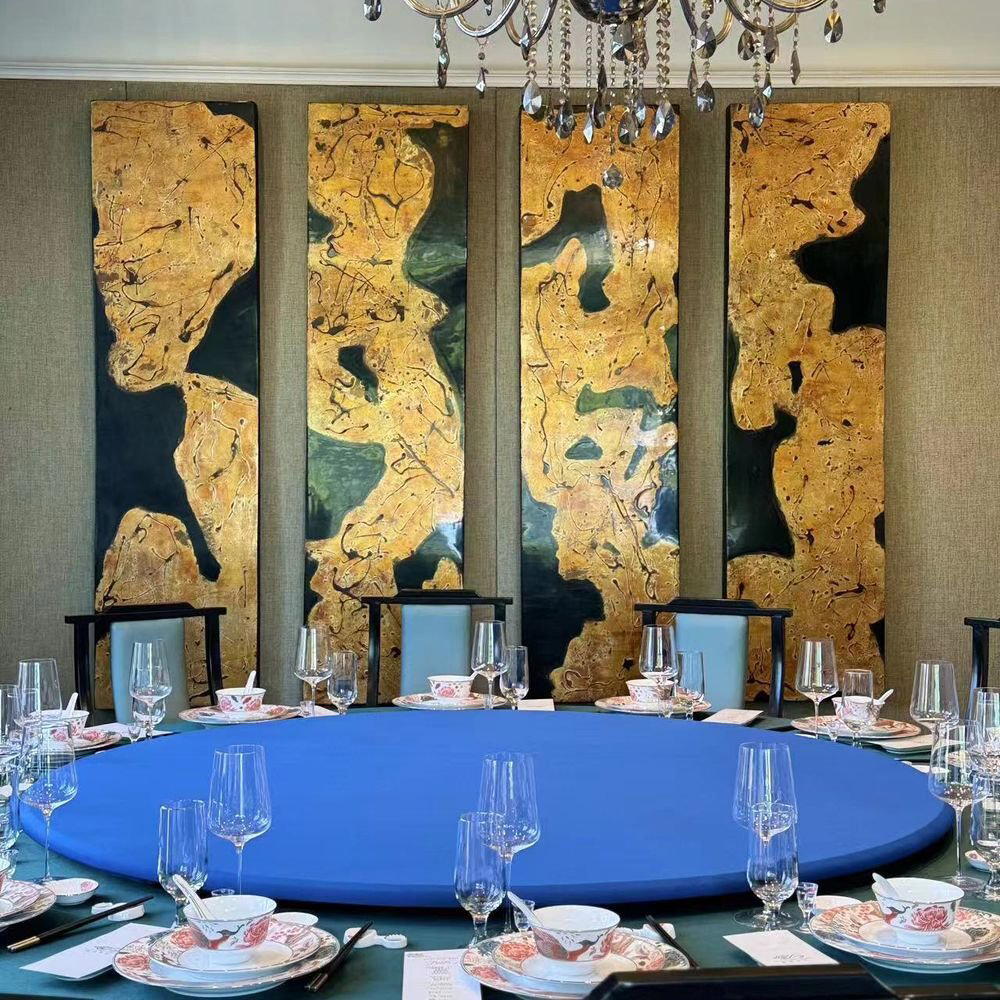
Art on the Walls, Craft in the Kitchen
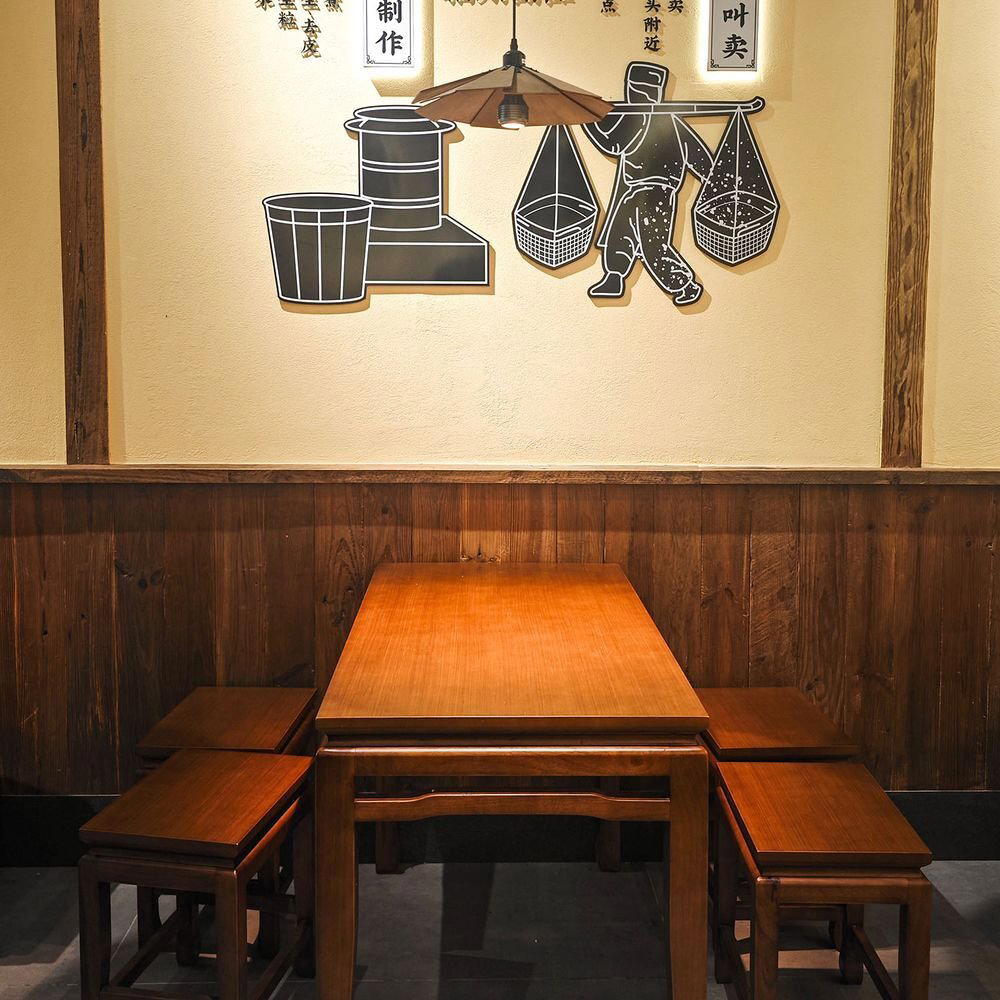
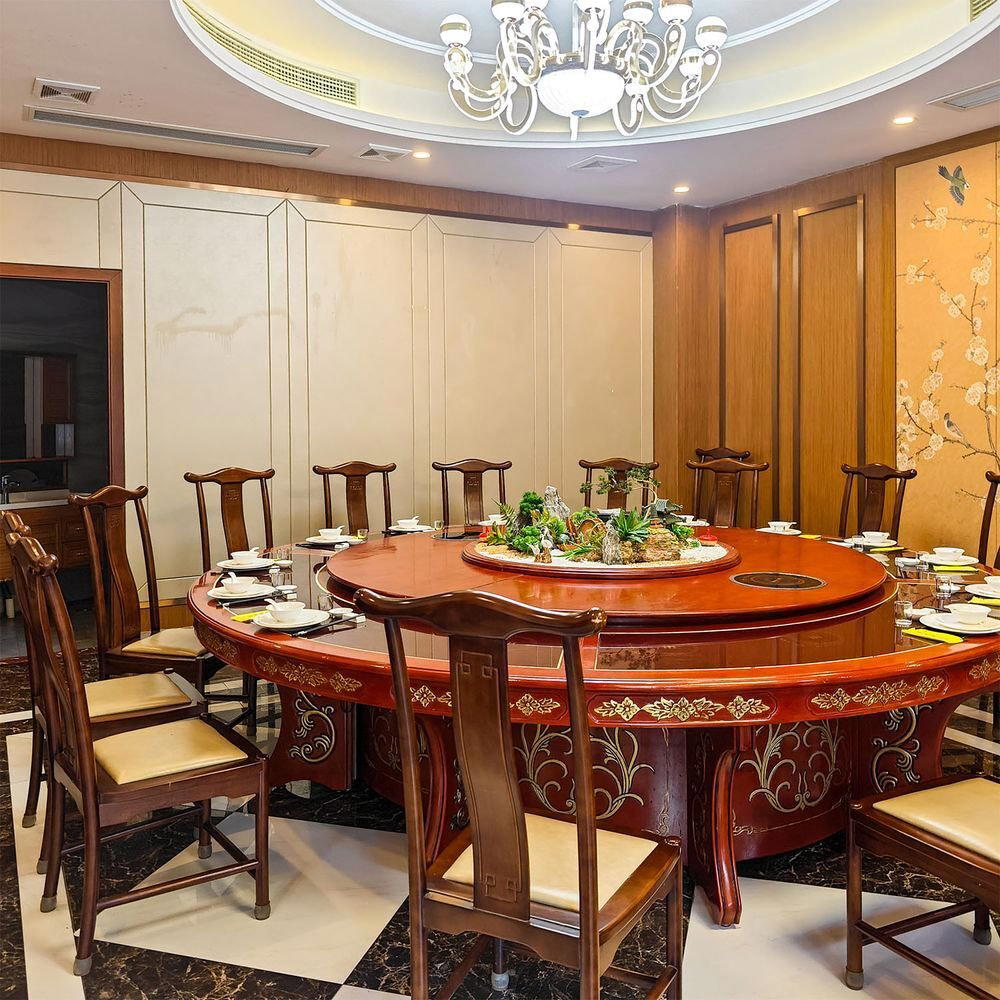
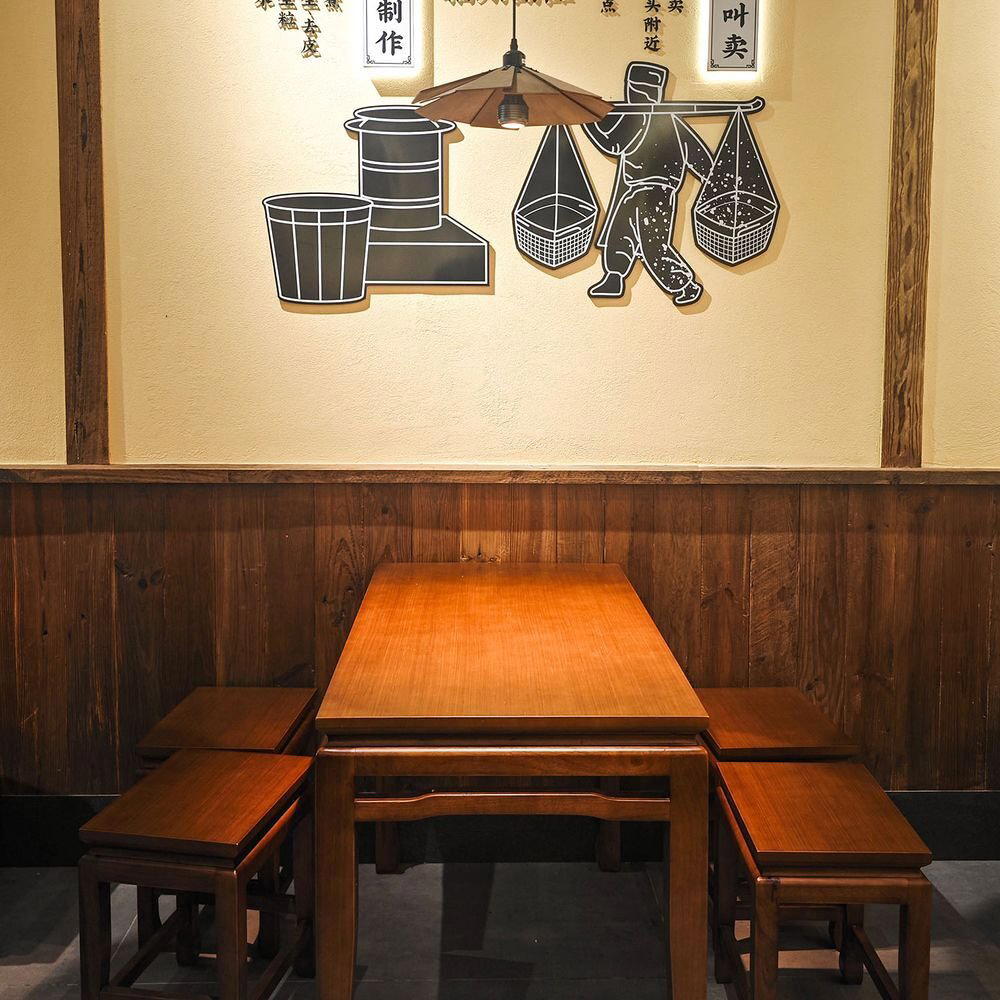
The second floor of the International Building on Wusi Road is not where most visitors to Fuzhou expect to find serious Fujian cooking. The building itself is a standard commercial tower in the Gulou district; the elevator opens onto something else. Yi Tong Lou uses the space as a gallery as much as a dining room, the owner's art collection distributed across the walls in a way that shifts the register from canteen to considered environment. In a city where Fujian cuisine is often served in either banquet-hall formality or stripped-back neighbourhood settings, this format occupies a distinct middle position.
That positioning matters because Fuzhou's Fujian dining scene has been consolidating around a narrower range of mid-tier options that take the cuisine seriously without the ceremony of a private room banquet. Yi Tong Lou's Michelin Bib Gourmand recognition in both 2024 and 2025 places it inside a small, consistent group of Fuzhou restaurants where cooking quality and value align in a way the guide's inspectors consider worth marking publicly. The Bib Gourmand designation, which signals good cooking at moderate prices rather than star-level luxury, is the appropriate benchmark here: this is a ¥¥ room that earns attention through kitchen discipline, not through setting or price point.
The Evolution of a Fujian Tradition
Fujian cuisine has always been defined by a few technical signatures: a preference for light, clear broths; careful handling of seafood; and the fermented complexity that comes from red wine lees, or hong zao. What has shifted in recent years, particularly among younger Fujian cooks, is the willingness to apply those traditional techniques to ingredients and presentations that feel more contemporary without abandoning the flavour logic of the original. This is a wider trend visible in Fujian restaurants across coastal China, including at Hokklo in Xiamen and at Hokkien Cuisine in Chengdu, where the cuisine's diaspora has produced its own regional interpretations.
Yi Tong Lou's kitchen sits inside that evolutionary moment. Putian cooking is a distinct sub-tradition within broader Fujian cuisine, known for its particularly precise handling of seafood and its use of stock as a flavour base rather than a background element. The decision to bring Putian technique into a Fuzhou context is a specific editorial choice about what Fujian cooking can be, not merely a geographic quirk. The result is a menu where classical Fujian dishes appear in slightly altered form, with the underlying logic intact but the execution sharpened by a different training lineage.
What the Kitchen Produces
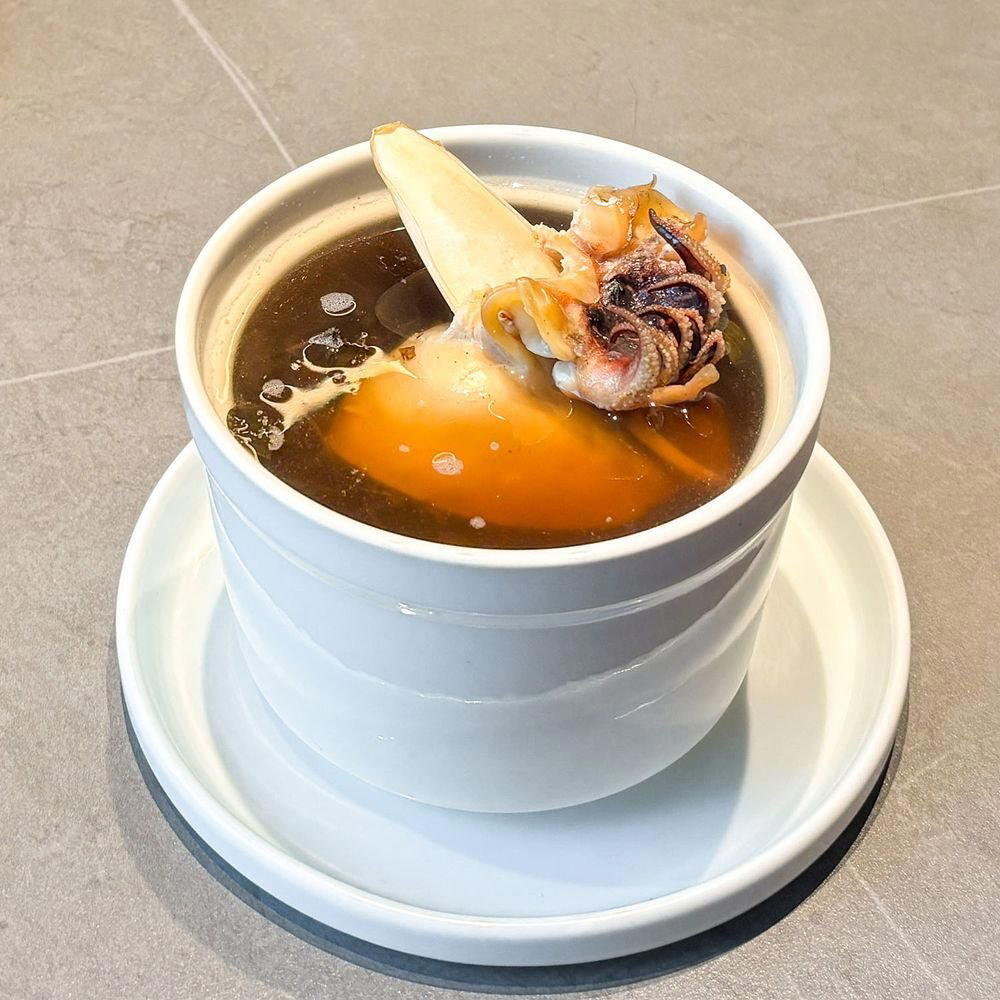
Two dishes anchor the menu's reputation and illustrate the kitchen's approach clearly. The first is large mactra clams, blanched tableside in boiling chicken stock for ten seconds. The cooking is done in the dining room, which makes the technique visible and confirms the precision involved: ten seconds in stock hot enough to cook the clam through without tightening the texture. The result is deep umami from the stock meeting the brine of the shellfish, with a texture that stays firm rather than collapsing. This is Fujian seafood handling at its most direct, where the quality of the stock and the timing of the cooking are the only variables that matter.
The second is traditional sliced conch in wine lees sauce, a dish that appears on Fujian menus across the province but which the restaurant approaches differently. The red vinasse, hong zao, is used in a way that foregrounds its fermented fragrance rather than simply providing a background note. The dish retains its classical identity while arriving at a different sensory emphasis. Both preparations point to a kitchen that understands why the traditional versions exist and has chosen specific points of intervention rather than applying novelty for its own sake.
For broader context on how Fuzhou's Fujian tables compare and contrast with each other, Jing Li operates at the same ¥¥ price tier with a more traditional register, while Fuyuan and Wenru No.9 offer points of comparison across different parts of the Fujian spectrum. The Harmony Garden on Xierhuan North Road and Longkushan Eatery extend the picture of how Fuzhou's mid-range dining market is currently structured.
Fujian cooking has also been gaining recognition well beyond the province. Xin Rong Ji in Beijing and Xin Rong Ji in Chengdu have demonstrated the cuisine's portability to northern and inland markets, while 102 House in Shanghai and Ru Yuan in Hangzhou show how southern Chinese cooking traditions are finding audiences in the Yangtze Delta. Further afield, Chef Tam's Seasons in Macau and Imperial Treasure Fine Chinese Cuisine in Guangzhou represent the premium tier of southern Chinese fine dining for comparative reference.
Planning Your Visit
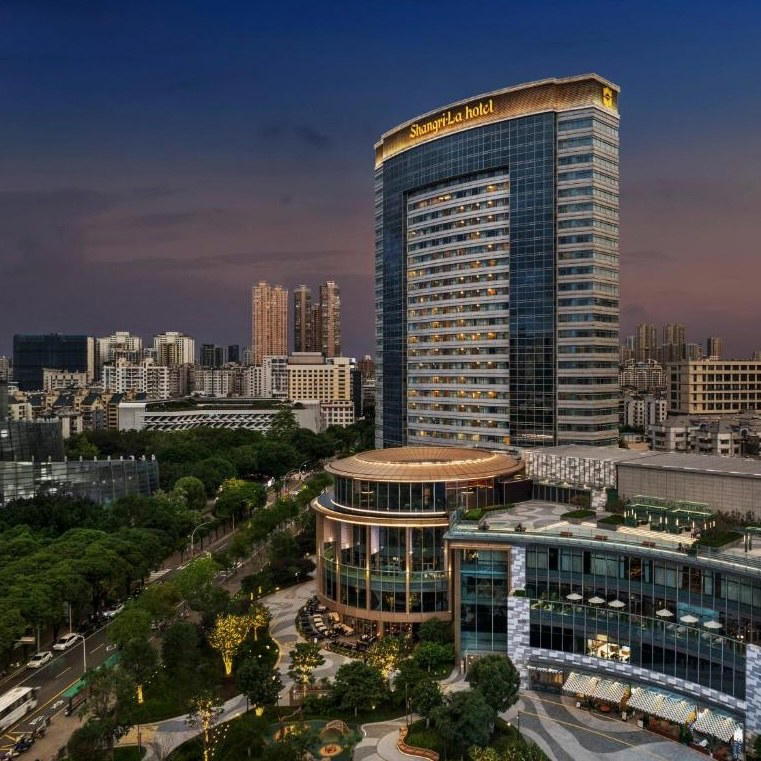
The restaurant is located on the second floor of the International Building at 210 Wusi Road in Gulou district, Fuzhou, with a postcode of 350001. The ¥¥ price positioning means this sits among the more accessible Michelin-recognised tables in the city, which affects both the booking situation and the audience. Consecutive Bib Gourmand listings in 2024 and 2025 have added visibility, and the combination of art-gallery atmosphere and a distinctive cooking approach means the room draws a crowd that mixes local regulars with visitors specifically seeking contemporary Fujian cooking. Arriving with a reservation is advisable; the format and recognition make walk-in availability uncertain, particularly at peak meal times. No phone or website details are currently listed in public databases, so reservations are leading arranged through hotel concierge services or local booking platforms. For a broader view of where the restaurant fits within the city's dining options, our full Fuzhou restaurants guide covers the range. If you are building a full itinerary, our Fuzhou hotels guide, bars guide, wineries guide, and experiences guide complete the picture.
Accolades, Compared
Comparable venues nearby, for context on price, style, and recognition.
| Venue | Cuisine | Price | Awards | Notes |
|---|---|---|---|---|
| Yi Tong LouThis venue — the venue you are viewing | Dining | ¥¥ | Bib Gourmand | Not listed |
| Min Shi Fu | Fujian Live Seafood | $$ | Bib Gourmand | Gulou |
| Yu Xian Lou | Live Tank Fuzhou Seafood | $$ | Bib Gourmand | Cangshan |
| Xingxian (Mawei) | Traditional Fujian Seafood | $$ | Bib Gourmand | Mawei District |
| Jing Li | Modern Fujian Cuisine | $$$ | Bib Gourmand | Taijiang |
| Yut Fei | Refined Cantonese | $$$ | Michelin Plate | Gulou |
Recognition history
Dated appearances from independent guides and award organizations, with the underlying list record or original source where available.
Michelin Bib Gourmand
Michelin
Michelin Bib Gourmand
Michelin
Michelin Bib Gourmand
Michelin
At a Glance
- Sophisticated
- Elegant
- Casual Hangout
- Business Dinner
- Design Destination
- Standalone
A gallery-like dining room with an art-focused atmosphere, giving the restaurant more character than a typical mid-range dining room.