A Vietnamese pho house on Lazimpat's diplomatic strip, Saigon Pho sits opposite Hotel in one of Kathmandu's more quietly international pockets. The kitchen focuses on the kind of broth-centred cooking that rewards patience over spectacle. For a city where Southeast Asian options remain thin on the ground, it fills a specific and underserved gap in the dining map.
Pearl is the En Primeur Club membership app — saves, bookings, and concierge access live there. Same editors, same standards.
- Address
- Lazimpat (Opposite Hotel Shangri-La), काठमाडौं
- Directions
- Get directions
 Saves & bookings on Pearl
A Bowl of Broth in the Himalayan Capital
Lazimpat has a particular character that separates it from the tourist-dense lanes of Thamel or the mercantile energy of New Road. Embassies and heritage hotels anchor the street, and the foot traffic skews toward diplomats, long-stay expats, and the kind of traveller who has already done Kathmandu several times over. It is in this context that a Vietnamese pho restaurant sitting opposite one of the neighbourhood's most recognisable hotel addresses makes a certain kind of sense. The surroundings are quieter than much of the city, the pace more considered, and the appetite for the kind of cooking that requires careful stock work rather than quick-fire wok heat is, higher here than almost anywhere else in Kathmandu.
Southeast Asian food has always been a minor note in Kathmandu's dining composition. The city's restaurant energy concentrates on Nepali dal bhat traditions, Newari feasting formats, and a growing Chinese presence, Dongfang Palace China being among the more established examples of the latter. Vietnamese cooking, with its long-simmered broths and herb-forward plating, occupies a narrower space still. That scarcity is its own form of context: a kitchen working in this format in Kathmandu is not competing with a saturated market, but it is also operating without the comparative reference points that diners in Bangkok, Singapore, or Ho Chi Minh City take for granted.
What Pho Demands, and What That Means in Kathmandu
Pho is one of those dishes that resists shortcuts at the technical level. A properly built broth requires charred ginger and onion, a slow extraction of bone collagen, and a spice profile, star anise, clove, cinnamon, cardamom, calibrated over hours rather than minutes. The result, when done correctly, is a liquid that reads as simultaneously clean and deeply savoury, with a fat layer that carries aromatic compounds in a way that no quick stock can replicate. This is the baseline the dish sets for any kitchen attempting it seriously.
In a city where supply chains for Vietnamese-specific ingredients require workarounds, sourcing becomes part of the story. Fresh herbs, the acidic bite of lime, the specific gauge of rice noodle: these details separate a considered pho program from an approximation of one. Kathmandu's market infrastructure is genuinely capable of producing good fresh produce, the city sits at an elevation where cool-climate greens thrive, but the more specialised Vietnamese pantry items require either import channels or confident local substitution. How a kitchen resolves those pressures is, in a city like this, part of what defines it.
Lazimpat at the Table
The Lazimpat address carries its own sensory logic. Approaching from the south, the street opens into a quieter register than the capital's noisier arteries. The hotel opposite provides a visual anchor, and the restaurant sits within that orbit, positioned to serve both passing trade and deliberate visitors. The neighbourhood's relative calm means that the sounds arriving through a window or open door are more likely to be birds than horns, and the light in the late afternoon carries the particular quality of Kathmandu's Himalayan altitude: clear, shadowless, and cooler than the valley floor suggests.
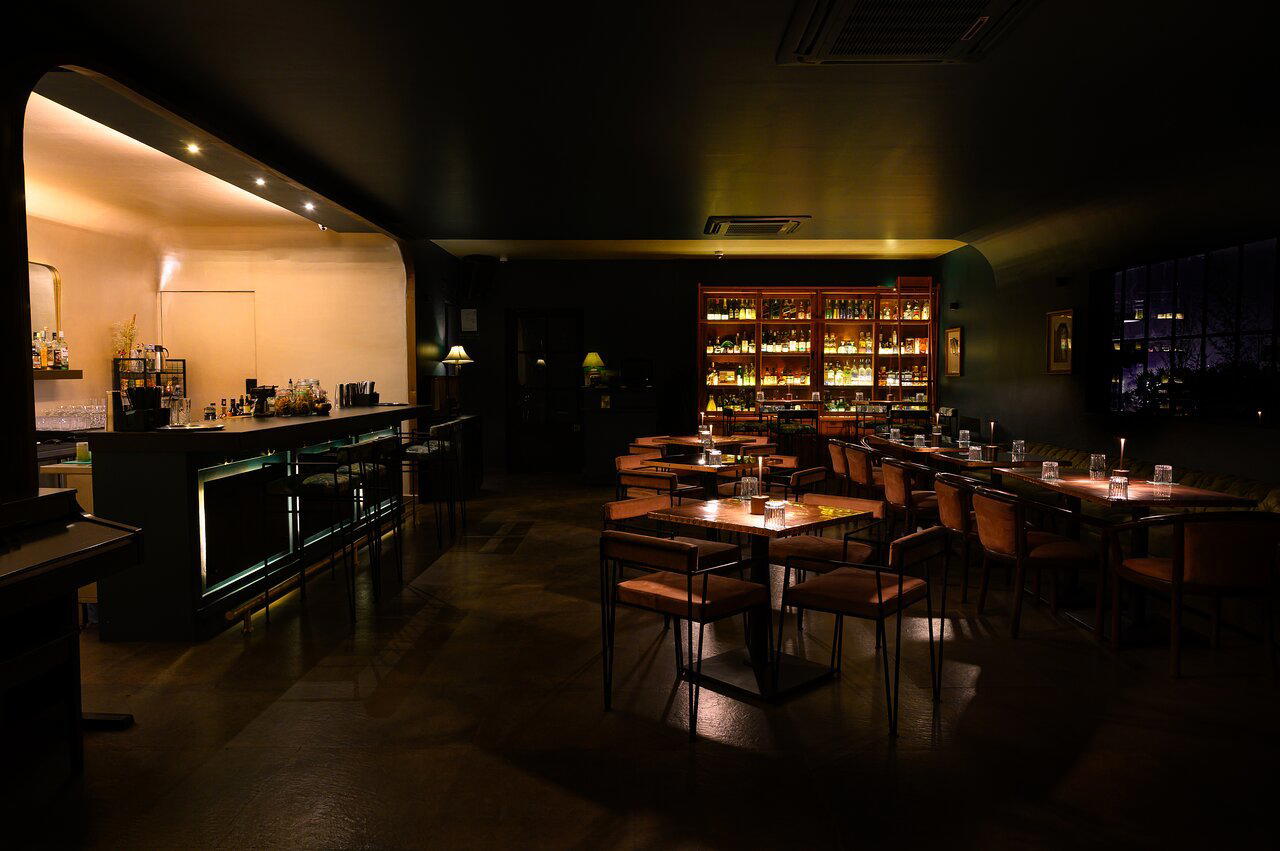
Inside, the atmospheric logic of a pho-focused kitchen tends toward the functional rather than the theatrical. Steam from stock pots, the smell of anise drifting through the dining room, the visual simplicity of a bowl delivered with a side plate of raw accompaniments, these are the sensory markers of the format, and they communicate intent before the first spoonful. This is a register that contrasts with the more elaborate plating and service choreography found at Kathmandu's Thakali houses like BAGAAN Thakali Kitchen, or the cocktail-forward atmosphere of Bitters & Co. and Barc. Pho is, by design, an egalitarian format: the same bowl served to a diplomat and a backpacker carries the same technical demands.
The Broader Kathmandu Dining Map
Kathmandu's restaurant scene has grown considerably more varied over the past decade, with international formats appearing across the city's expanding middle-class and expatriate-facing neighbourhoods. The Italian presence, anchored by long-running institutions like Fire & Ice, shows how a single cuisine can establish genuine local traction over time. Vietnamese cooking has not yet reached that level of embedded presence, which means a dedicated pho house on Lazimpat operates in a category where it defines the benchmark by default rather than competing against an established local comparable set.
Beyond the capital, Nepal's restaurant geography covers significant range. Trekking-route kitchens like Buddha Lodge & Restaurant in Gorak Shep serve functional, altitude-appropriate food at the far end of the Khumbu. Scenic Tea House in Pokhara and Tomodachi Restaurant in the Sagarmāthā Zone reflect the particular hospitality demands of Nepal's tourism infrastructure. Against that backdrop, a Vietnamese restaurant in the capital's diplomatic quarter represents a different kind of ambition, urban, ingredient-focused, and aimed at a repeat-visit clientele rather than transient trekkers.
For reference points elsewhere, the approaches at Le Bernardin in New York City or Alléno Paris au Pavillon Ledoyen show how broth and extraction technique can be handled with precision. Saigon Pho operates in an entirely different register, but the underlying logic, that patient extraction produces depth that faster methods cannot replicate, is the same.
Planning Your Visit
Saigon Pho sits on Lazimpat, directly opposite Hotel, in a part of the city that is direct to reach by taxi from Thamel (a short ride) or on foot from the surrounding embassy district. The address is a practical lunchtime stop for anyone working or staying in the northern part of the city, and the format suits a mid-day meal as naturally as an evening one. Reservations are recommended.
City Peers
Comparable venues nearby, for context on price, style, and recognition.
| Venue | Cuisine | Price | Notes |
|---|---|---|---|
| Saigon PhoThis venue — the venue you are viewing | Authentic Vietnamese Pho | $$ | Not listed |
| Bitters & Co. | Cocktail Bar | $$$ | Lazimpat |
| BAGAAN Thakali Kitchen | Traditional Thakali Kitchen | $ | Thamel |
| Thai Casa En Thamel | Authentic Thai in Thamel | $ | Thamel |
| Yin Yang Restaurant | Authentic Thai with Continental | $$ | Thamel |
| Dongfang Palace China | Authentic Chinese Hand-Pulled Noodles | $ | Thamel |
Continue exploring
More in Kathmandu
Restaurants in Kathmandu
Browse all →
Bars in Kathmandu
Browse all →
At a Glance
- Cozy
- Casual Hangout
- Family
- Open Kitchen
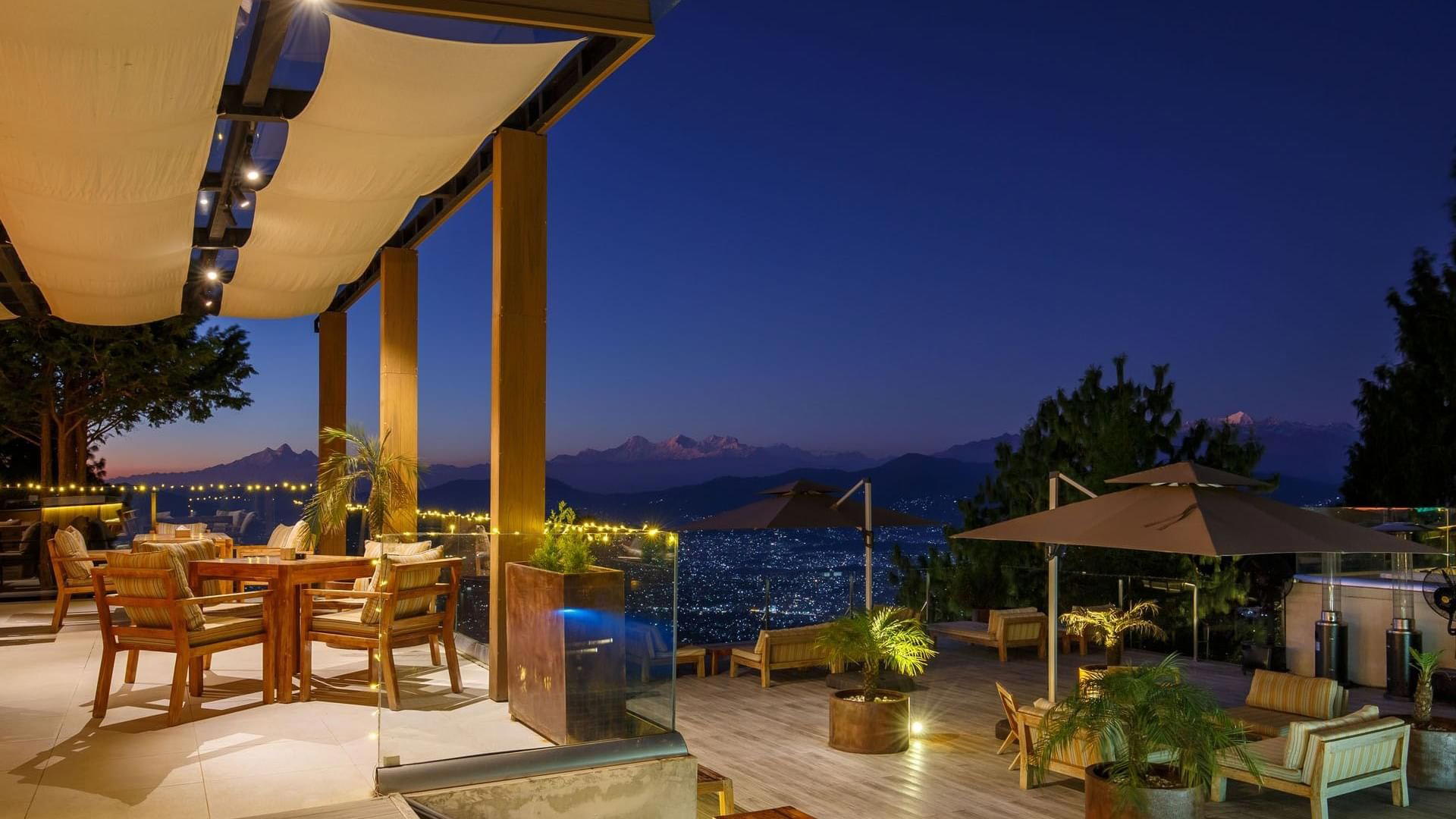
Clean and peaceful ambience with indoor and outdoor seating.