
Open since 1996 and housed in a historic villa in Xiamen's Huli District since 2009, Yin Lu holds consecutive Michelin Plate recognition (2024 and 2025) for its concise, classical Fujian menu. The kitchen anchors on Xiamen staples: double-boiled Muscovy duck soup with crab, oyster omelette, and deep-fried five-spice rolls. A household name for traditional Minnan cooking at the ¥¥¥ tier.
Pearl is the En Primeur Club membership app — saves, bookings, and concierge access live there. Same editors, same standards.
- Address
- China, Fujian, Xiamen, Huli District, 江头建材市场商圈江头东路51号 邮政编码: 361006
- Phone
- +86 592 551 7566
- Directions
- Get directions
 Saves & bookings on Pearl
A Villa, a Soup, and Twenty-Eight Years of Minnan Cooking
The building itself sets the context before a single dish arrives. Yin Lu is a Chinese restaurant in Xiamen's Huli District, known for double-boiled duck soup. In a dining culture where new formats and contemporary plating compete for attention, the older generation of Xiamen household names has largely stayed the course: concise menus, time-intensive techniques, and a room that feels rooted rather than renovated for trend cycles. Yin Lu sits squarely in that camp, and it has been doing so since 1996.
Where Yin Lu Sits in Xiamen's Fujian Dining Tier
Xiamen's Fujian restaurant scene divides roughly into three tiers. At the accessible end, places like Bai Jia Chun Hao De Lai Jiang Mu Ya (Zhongxing Road) operate at the ¥ level, where braised duck and simple noodle dishes dominate. The middle tier, represented by venues like Hokklo, blends Minnan tradition with a more deliberate presentation. Then there is the ¥¥¥ bracket, where Yin Lu operates alongside places like Yanyu (Jiahe Road) and 1927 Dong Yuan Si Chu, restaurants where the expectation is not just good food but a considered version of Xiamen's culinary identity. Yin Lu has held a Michelin Plate since 2024.
That distinction matters less than it might at first seem. The Michelin Plate category in Chinese cities often captures restaurants that are technically accomplished and culturally specific but whose format, atmosphere, or pricing sits outside the guide's starred archetype. Yin Lu fits that description. The value here is in what the kitchen has been refining for nearly three decades, not in whether the room or service matches a Western fine-dining checklist.
The Kitchen's Argument: Classical Minnan Technique in Contemporary Context
Fujian cuisine's defining quality is restraint in seasoning combined with considerable investment in cooking time. The double-boiled method, a technique that uses a sealed inner vessel inside a larger pot of simmering water, produces broths of extraordinary clarity and depth without the muddiness that comes from direct-heat simmering. It is a slow, labour-intensive approach that most modern kitchens avoid on practical grounds. Yin Lu's double-boiled Muscovy duck soup with crab is the kitchen's clearest statement: the meaty density of Muscovy duck and the saline umami of crab are coaxed into a single register through hours of gentle heat, and the result is a broth that reads as both rich and clean simultaneously. The recommended pairing with Xiamen rice noodles is not incidental; the noodles are there to absorb the liquid, acting as a medium for the soup rather than a separate component.
This approach to soup as a primary rather than a supporting dish is characteristic of Minnan cooking across Fujian and extends into the Hokkien diaspora throughout Southeast Asia. Restaurants in Xiamen that do this well are fewer than the city's reputation for seafood might suggest. For context on how Fujian cooking translates outside the province, Hokkien Cuisine in Chengdu and Wenru No.9 in Fuzhou offer useful regional comparisons.
The oyster omelette sits in a different tradition. A street-food staple across Taiwan and Fujian, it has been absorbed into formal dining in Xiamen as a marker of local identity. At ¥¥¥ pricing, the expectation is that the oysters are fresh and the ratio of egg to starch is calibrated precisely enough to produce a custardy rather than gluey texture. The deep-fried five-spice rolls, a Minnan classic made from pork and water chestnuts wrapped in tofu skin, demonstrate the kitchen's command of spice balance: five-spice in this context should be aromatic without being aggressive, and the fry should produce a shell that audibly cracks.
Contemporary Reinterpretation or Preservation?
Yin Lu does not operate in that register. Its contemporary relevance comes from a different source: staying precise about a tradition over nearly three decades while the city around it changed. In a dining culture increasingly interested in provenance and authenticity as values, a restaurant that has been doing the same things correctly since 1996 makes an argument by continuity rather than by reinvention.
That said, the move to the historic villa in 2009 was not incidental. It positioned the restaurant within Xiamen's heritage architecture rather than its commercial strips, a spatial choice that aligns the experience with the food's cultural register. Comparable thinking is visible at A Zhong Shi Fang, another Xiamen address that uses its physical environment to reinforce a culinary identity. Across mainland China, the pattern of serious regional restaurants anchoring in historically significant spaces has become more pronounced since 2010, from Ru Yuan in Hangzhou to the courtyard-set dining rooms that have multiplied in Beijing and Shanghai. 102 House in Shanghai offers a useful Shanghai-side comparison, while Xin Rong Ji in Beijing and Xin Rong Ji in Chengdu demonstrate how regional Chinese cooking at the upper-middle tier is increasingly framed through environment as much as menu. For the broader regional premium context, Chef Tam's Seasons in Macau and Imperial Treasure Fine Chinese Cuisine in Guangzhou show how southern Chinese culinary traditions are performing at the starred tier.
Planning Your Visit
Yin Lu is located at 江头东路51号 in the Huli District, within the Jiangtou building materials commercial area. The address places it away from Xiamen's main tourist corridors around Gulangyu and Zhongshan Road, which means visitors arriving specifically for the restaurant should plan transport accordingly. The ¥¥¥ price point positions it as a considered dinner rather than a casual meal; at this tier in Xiamen, expect to spend meaningfully more than at the city's mid-range seafood restaurants. Given the restaurant's household-name status and the relatively small historic villa setting, booking ahead is advisable, particularly for weekend evenings and during peak travel periods around Chinese national holidays.
Where It Fits
Comparable venues nearby, for context on price, style, and recognition.
| Venue | Cuisine | Price | Awards | Notes |
|---|---|---|---|---|
| Yin LuThis venue — the venue you are viewing | Chinese | $$$ | Michelin Plate | Not listed |
| Lucheng | Modern Fujian & Cantonese | $$$ | Michelin Plate | Siming |
| Xing Wang Seafood · Rongting Hui (Siming) | Seafood | $$$ | Michelin Plate | Not listed |
| Shan Gu Tang (Xiahe Road) | Fujian Herbal Soups | $$ | Bib Gourmand | Siming |
| Kunshō | Modern Innovative Fusion | $$$$ | Michelin Plate | Siming |
| Pan Ya Yuan | Seasonal Vegetarian Fine Dining | $$$ | Bib Gourmand | Huli |
Recognition history
Dated appearances from independent guides and award organizations, with the underlying list record or original source where available.
Michelin Plate
Michelin
Michelin Plate
Michelin
Michelin Plate
Michelin
Continue exploring
More in Xiamen
Restaurants in Xiamen
Browse all →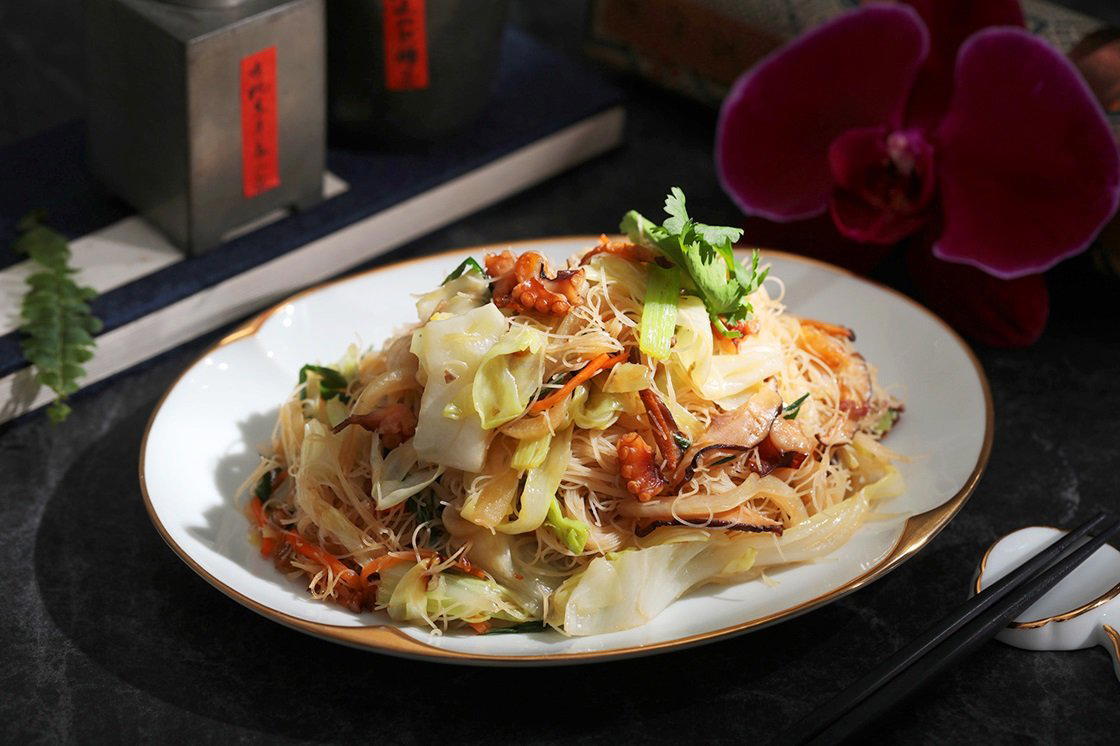
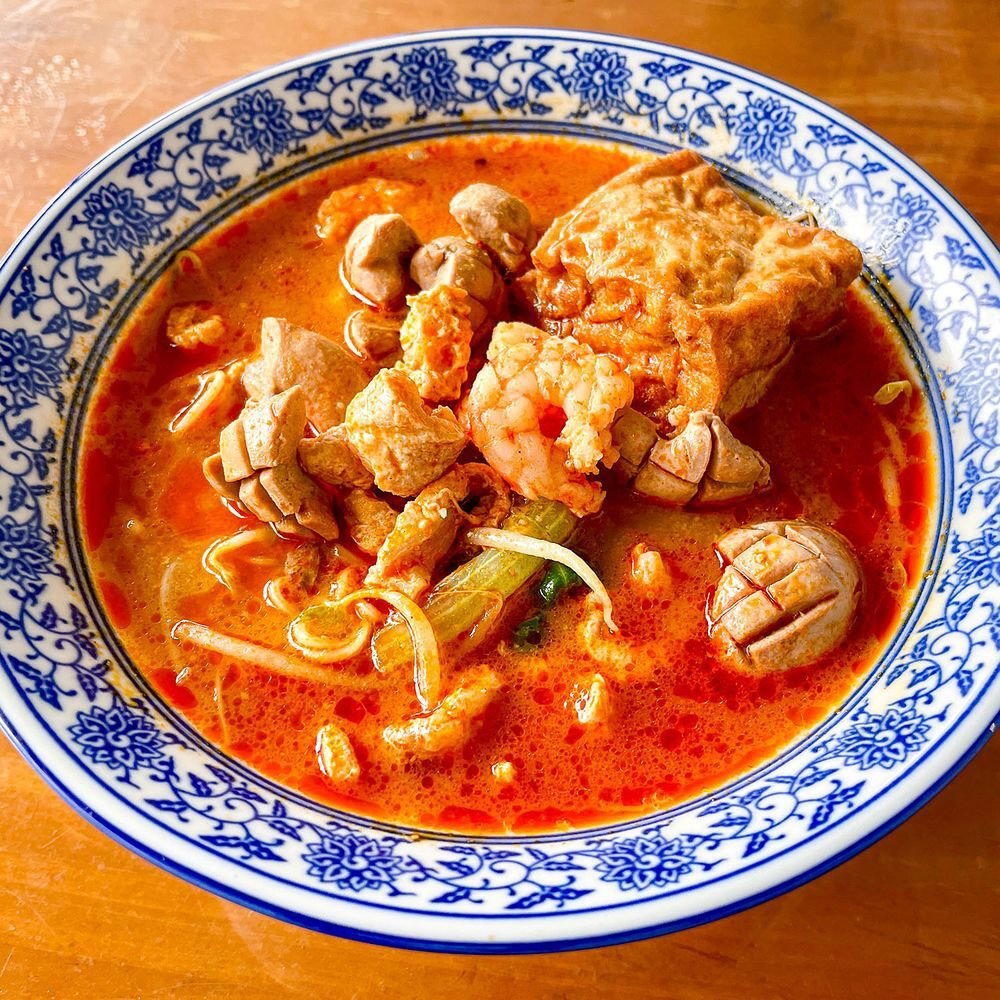
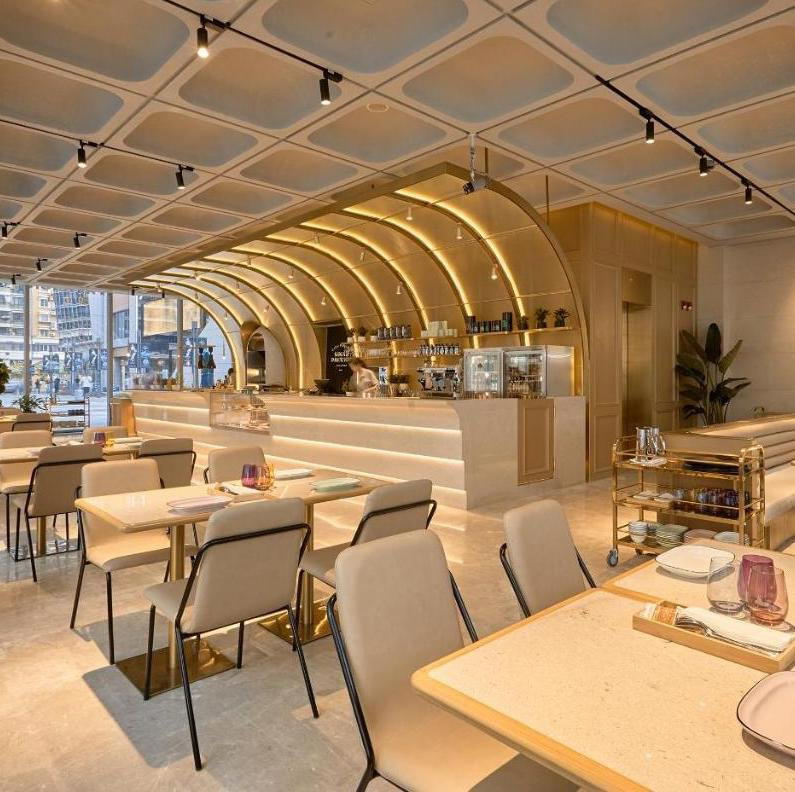
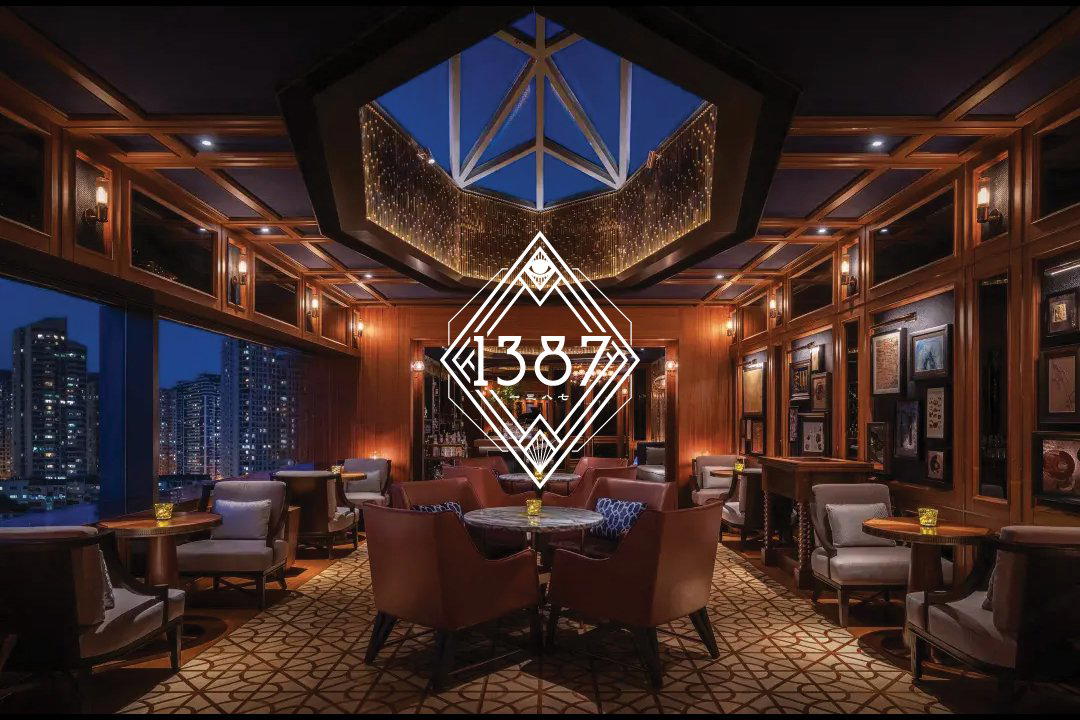
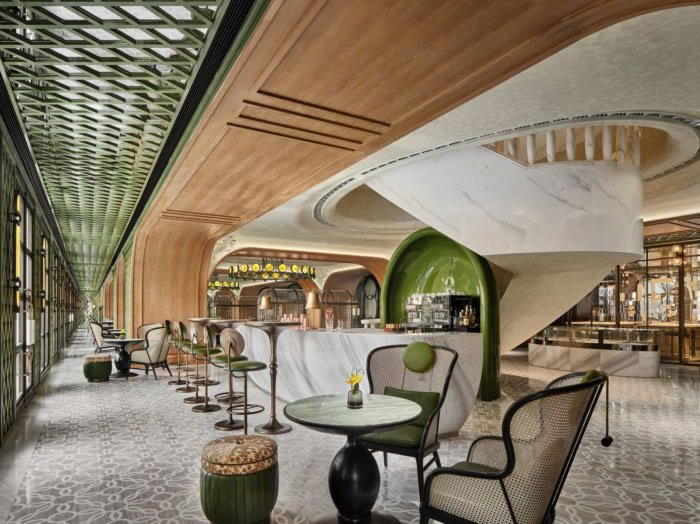
At a Glance
- Classic
- Cozy
- Elegant
- Family
- Casual Hangout
- Historic Building
- Standalone
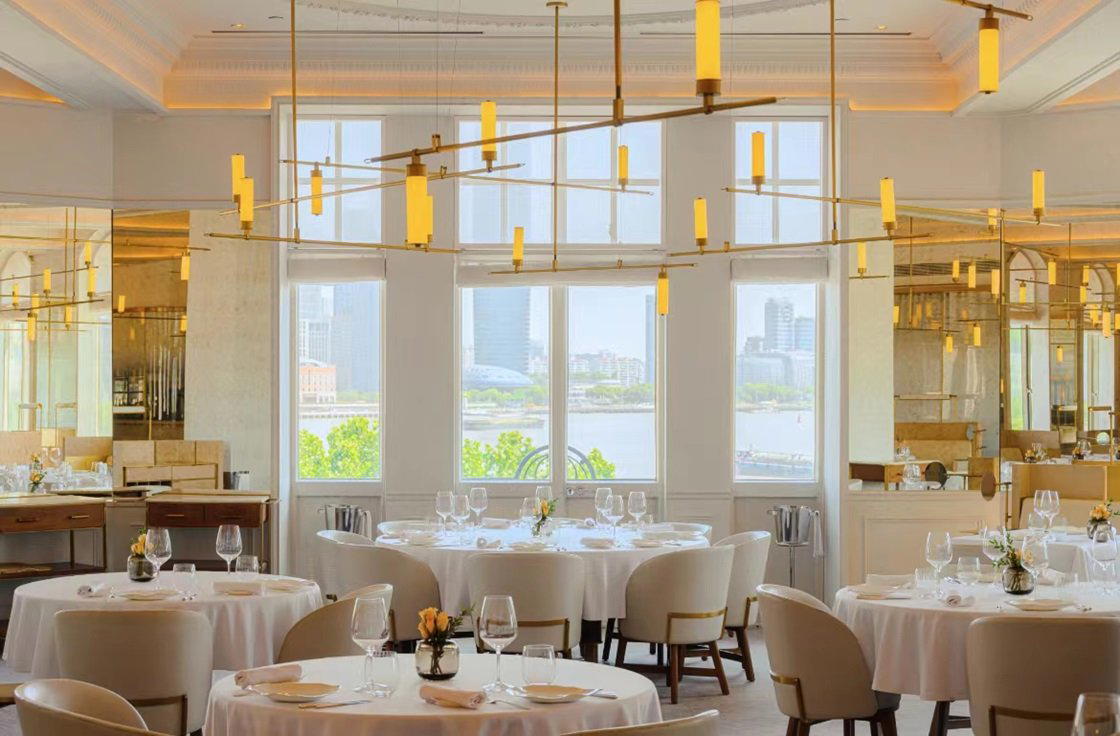
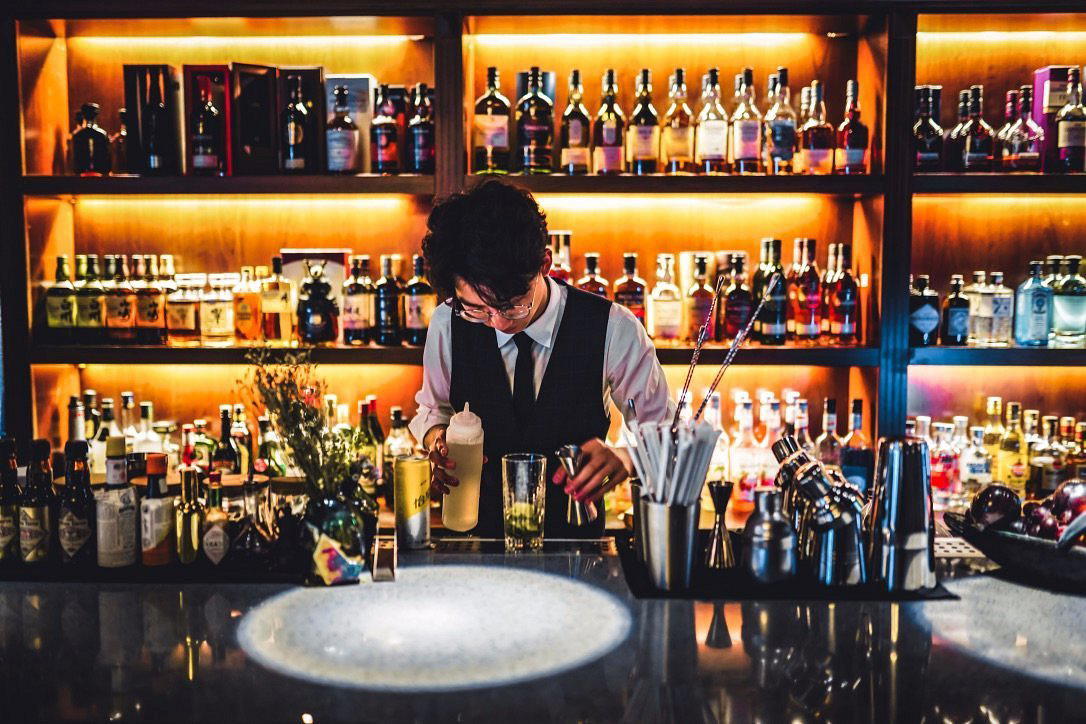
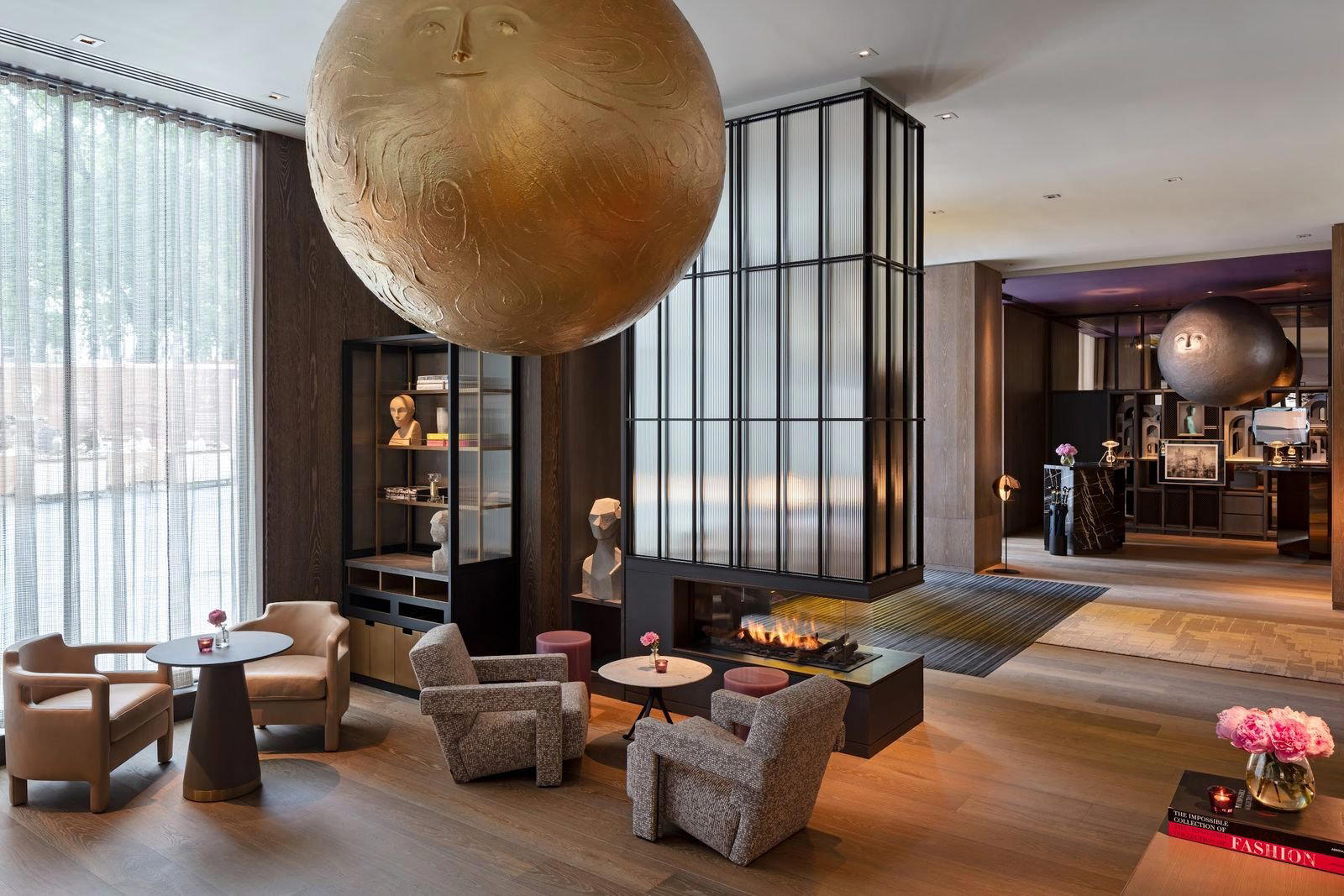
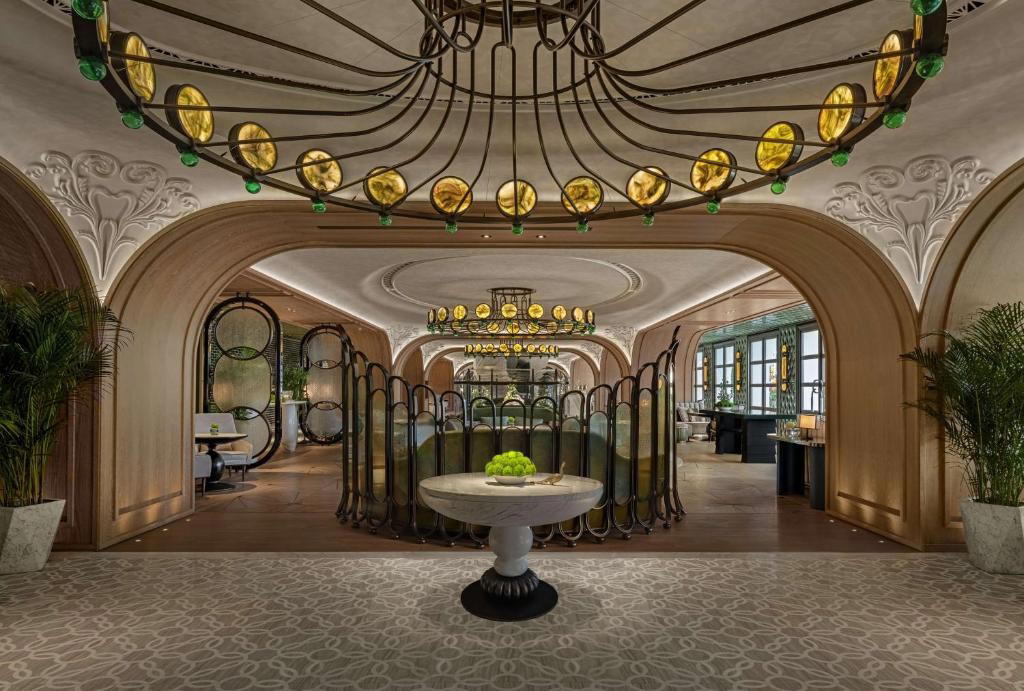
Composed and home-like rather than canteen-like, with a more formal, historic-villa feel that is still approachable.