
Tabelog 100 #19
Our verdict
Yaogen Raikodo Honten belongs to Sakai’s quieter wagashi tradition rather than Osaka’s louder street-food image. Selected for Tabelog 100 Japanese traditional sweets / Japanese sweets cafe WEST 2023, it offers a low-cost, take-out-focused view of Japanese confectionery culture near Hanataguchi, where craft, gifting, and daily ritual matter more than spectacle.

Pearl is the En Primeur Club membership app, where members save venues, book tables and use the concierge.
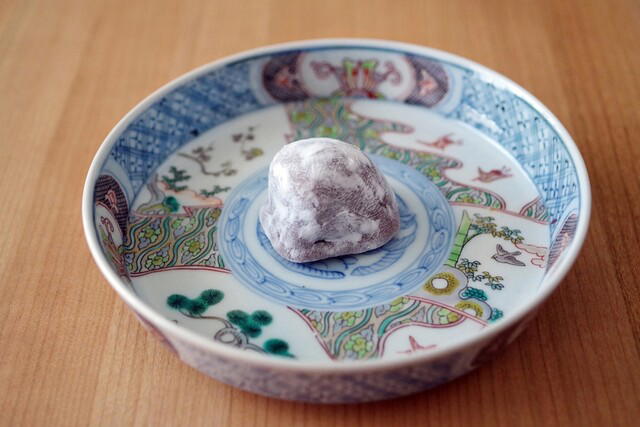
Approaching a traditional sweets shop in Osaka changes the tempo of an Osaka food day. The city’s appetite is often told through griddles, counters, and late-night neon, but Japanese traditional sweets work differently: quieter rituals, seasonal references, and the social grammar of bringing something correct to a host, family table, or tea setting. Yaogen Raikodo Honten belongs to that world. Its recognition in the Tabelog Hyakumeiten 2023 for Japanese traditional sweets places it in a regional category where consistency, local memory, and precise confectionery technique matter more than dining-room theatre.
That matters because Osaka is too often reduced to takoyaki and okonomiyaki shorthand. Those foods shape the city’s public identity, but Japanese traditional sweets tell a longer story: merchant culture, tea practice, gift exchange, and disciplined ideas of sweetness, texture, and seasonal presentation. In Osaka, the category is not merely decorative. It is a format for restraint, built on scale, proportion, and appropriateness: sweets made to be shared, offered, or served with tea rather than treated only as a restaurant finale.
Osaka wagashi as a counterpoint to Osaka's louder eating culture
Osaka rewards appetite, but it also rewards attention. That distinction helps travellers who have worked through the city’s crowded food circuits and want a more local register of taste. Yaogen Raikodo Honten does not need to be read against higher-spend restaurants or chef-led counters. It occupies another tier, closer to civic habit than destination dining. The Tabelog Hyakumeiten 2023 selection is the trust signal: not a luxury claim, but proof that this small category has enough depth for regional specialists to stand apart from ordinary sweet shops.
Within Osaka, the comparison is revealing. Nankai Grill Higashi ten sits in a much higher spend bracket, built around a restaurant meal rather than a sweets-focused stop. Ginshari en, Sakai Udon Chihaya, and Menza Gin represent everyday Kansai eating at approachable prices, but their formats remain meal-based. Japanese traditional sweets change the decision. They ask whether the day needs another seated lunch, or whether the more telling stop is a confectionery shop showing how sweetness functions in Japanese daily life: as gift, seasonal marker, tea companion, and regional craft.
That broader Osaka picture is worth mapping carefully. Travellers comparing casual, specialist, and international formats can place this stop alongside other Osaka dining rooms, bakeries, quick-service institutions, and reservation restaurants. The point is contrast. Osaka’s dining character is strongest when quick-service institutions, bakeries, sweets shops, and reservation restaurants are read together rather than ranked by expense.
The sweets-shop format puts craft before ceremony
Japanese traditional sweets shops often operate with a clarity restaurant diners can mistake for simplicity. Much of the work is embedded in preparation, shaping, portioning, presentation, and maintaining texture across a product’s short life. A sweets-focused visit reinforces that logic. There is no need for a long menu performance or dining room to inflate the experience. The craft has to register in the sweet itself.
That format also changes value. The listed spend sits at - JPY 999 - JPY 999, making the stop useful not because it is generically cheap, but because it gives access to a recognized regional confectionery category without necessarily taking a full meal slot. In a city where premium dining can dominate planning, Japanese traditional sweets offer a different editorial return: precision outside fine dining, and a small purchase carrying cultural information. The shop’s Tabelog score of 3.60 adds a second public signal, but the award category matters more than the number because it identifies the venue within Japanese traditional sweets rather than the broader restaurant field.
There is a practical cultural point too. Japanese traditional sweets are not dessert in the Western restaurant sense. They are often tied to tea, visiting etiquette, family occasions, and seasonal display. The strongest way to understand the category is to treat the stop as part of the day’s rhythm, not a lunch replacement. That is why Osaka makes sense: the city gives the category room to register alongside louder forms of eating. Central food itineraries can make every stop feel like an event; quieter formats let restraint read properly.
Where it fits in a wider Osaka itinerary
Yaogen Raikodo Honten suits travellers using Osaka as more than a restaurant checklist. A focused food day might pair an Osaka sweets stop with a meal elsewhere, using the contrast to understand how Kansai eating moves between public appetite and private ritual. For broader planning, Our full Osaka restaurants guide gives the dining context, while Our full Osaka hotels guide, Our full Osaka bars guide, Our full Osaka wineries guide, and Our full Osaka experiences guide place the stop within a full trip rather than a single errand.
The broader Japan comparison is equally useful. Regional specificity separates memorable food travel from generic sampling. A formal meal, a counter format, or a stop elsewhere in Japan each tells a different story about locality. So do casual specialists, everyday shops, contemporary counters, and Japanese food culture abroad. Osaka’s Japanese traditional sweets tradition is quieter than those comparisons, and that is exactly its value.
The critical read is simple: this is not for travellers seeking a long meal, chef narrative, or performance-driven room. It is for those who understand that Japanese food culture is often clearest in small formats. A recognized sweets shop in Osaka can teach as much about Kansai taste as a restaurant reservation, if treated as cultural evidence rather than a snack run.
Frequently asked questions
What part of town is Yaogen Raikodo Honten in?
Osaka.
What's the pricing like at Yaogen Raikodo Honten?
Pricing at Yaogen Raikodo Honten is listed as - JPY 999 - JPY 999.
Is Yaogen Raikodo Honten open every day?
Opening days and hours are not specified in the provided venue details; check directly before visiting.
What is Yaogen Raikodo Honten known for?
Yaogen Raikodo Honten is known for Japanese traditional sweets in Osaka and was recognized in the Tabelog Hyakumeiten 2023 for Japanese traditional sweets.
Cost Snapshot
Comparable venues at similar price and category levels.
| Venue | Cuisine | Price | Awards | Notes |
|---|---|---|---|---|
| Yaogen Raikodo HontenThis venue (the venue you are viewing) | Japanese Traditional Sweets (Wagashi) | $10–20 | Tabelog 100 #19 | Not listed |
| Seoul | Yakiniku (Japanese BBQ) with black wagyu beef | $30–50 | Tabelog 100 #48 | Naniwa, Yakiniku (Japanese BBQ) with black wagyu beef |
| Havana | Creative Japanese Izakaya & Stand-Up Bar | $20–30 | Tabelog 100 #62 | Chūō, Creative Japanese Izakaya & Stand-Up Bar |
| Akira Curry | Japanese curry & spice izakaya | $20–30 | Tabelog 100 #4 | Nishi, Japanese curry & spice izakaya |
| Jukusei Udon Nakaya | Japanese Udon / Izakaya | Not listed | Tabelog 100 #67 | Yodogawa, Japanese Udon / Izakaya |
| Lilo Coffee Kissa | Not listed | $1–10 | Not listed | Chuo Ward, Shinsaibashi, Japanese Specialty Coffee Kissa |
Recognition history
Dated appearances from independent guides and award organizations, with the underlying list record or original source where available.
Tabelog 100 #19 · No. 19
Tabelog · Tabelog 100 - Japanese traditional sweets / Japanese sweets cafe - WEST - 2023
Continue exploring
More in Osaka
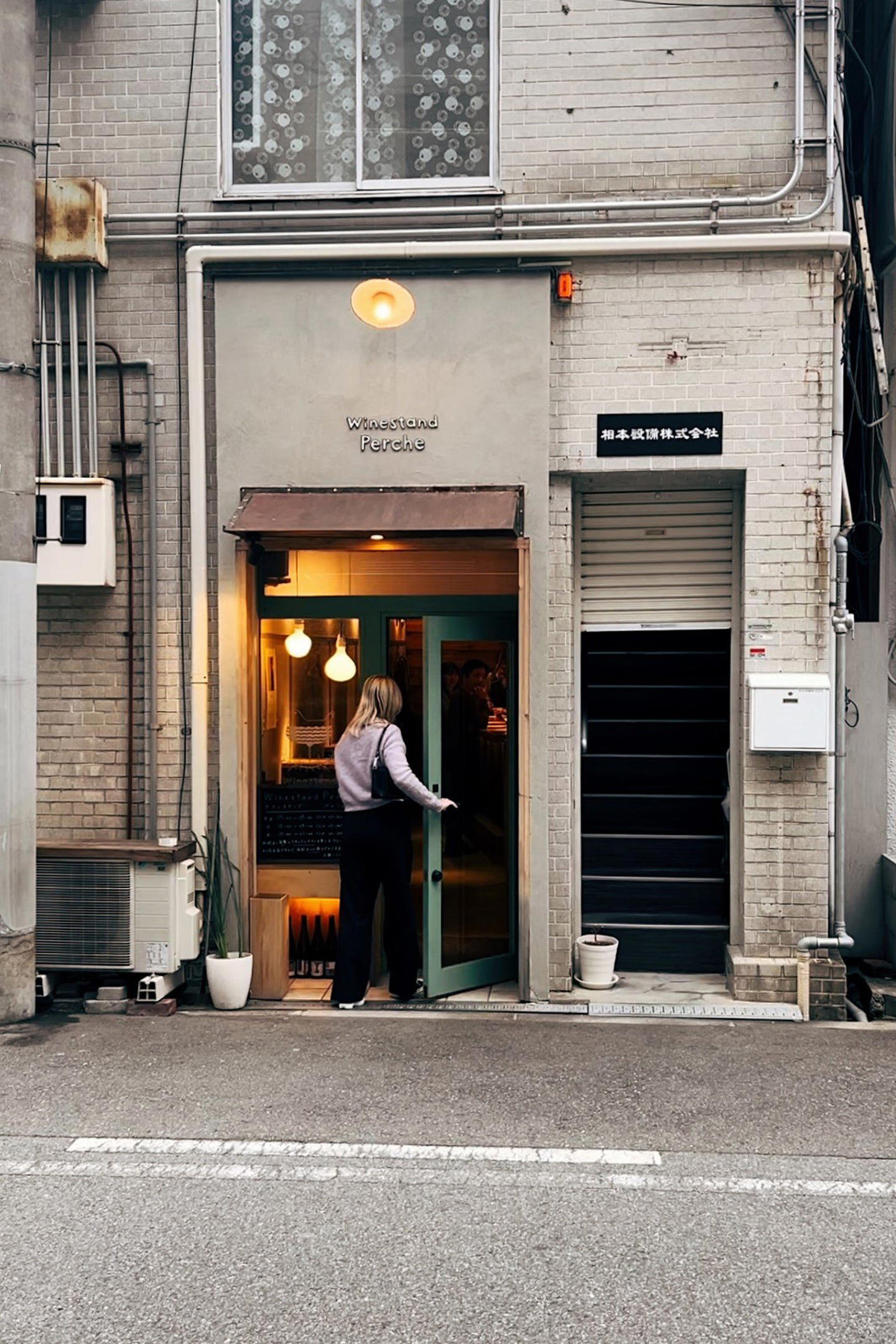
Restaurants in Osaka
All restaurants in Osaka →


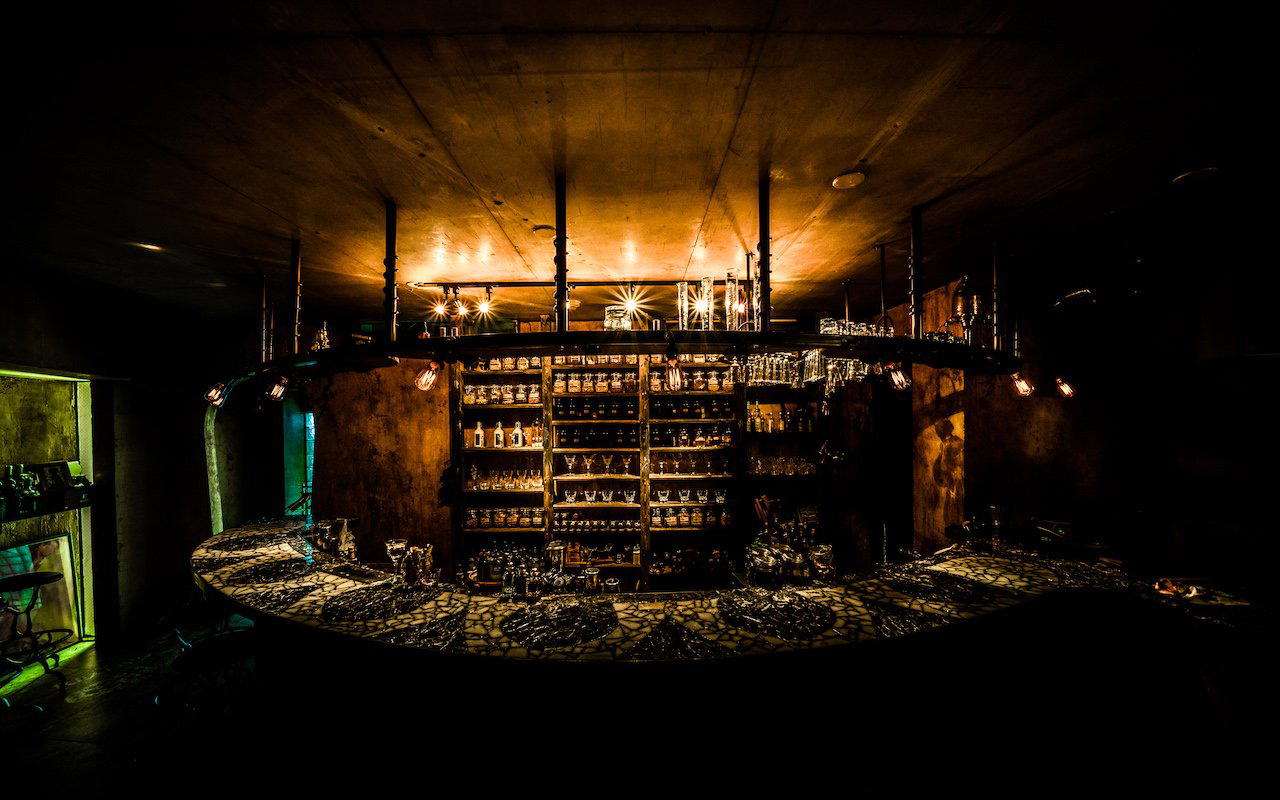
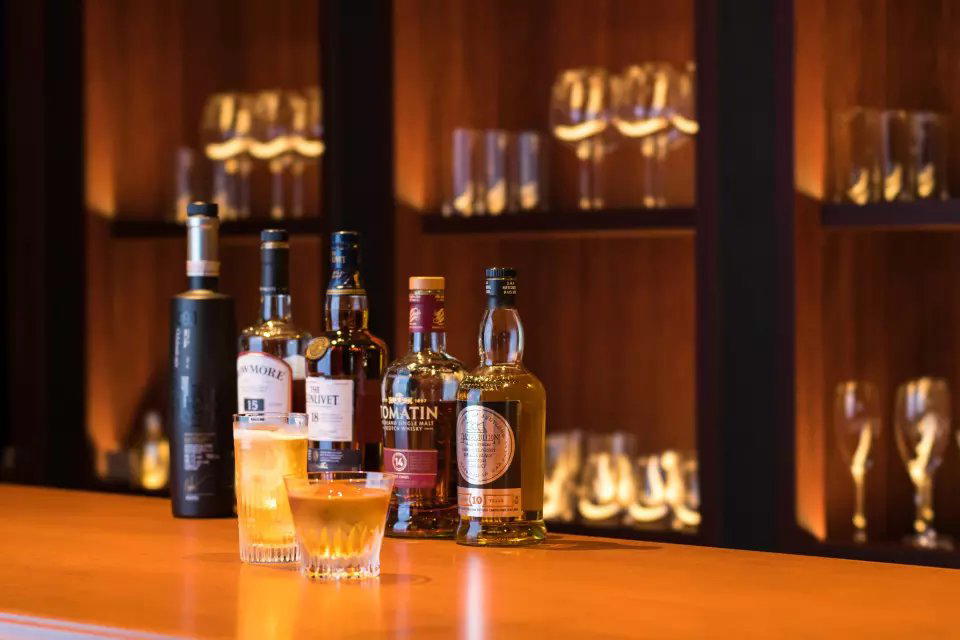
Bars in Osaka
All bars in Osaka →
Hotels in Osaka
All hotels in Osaka →



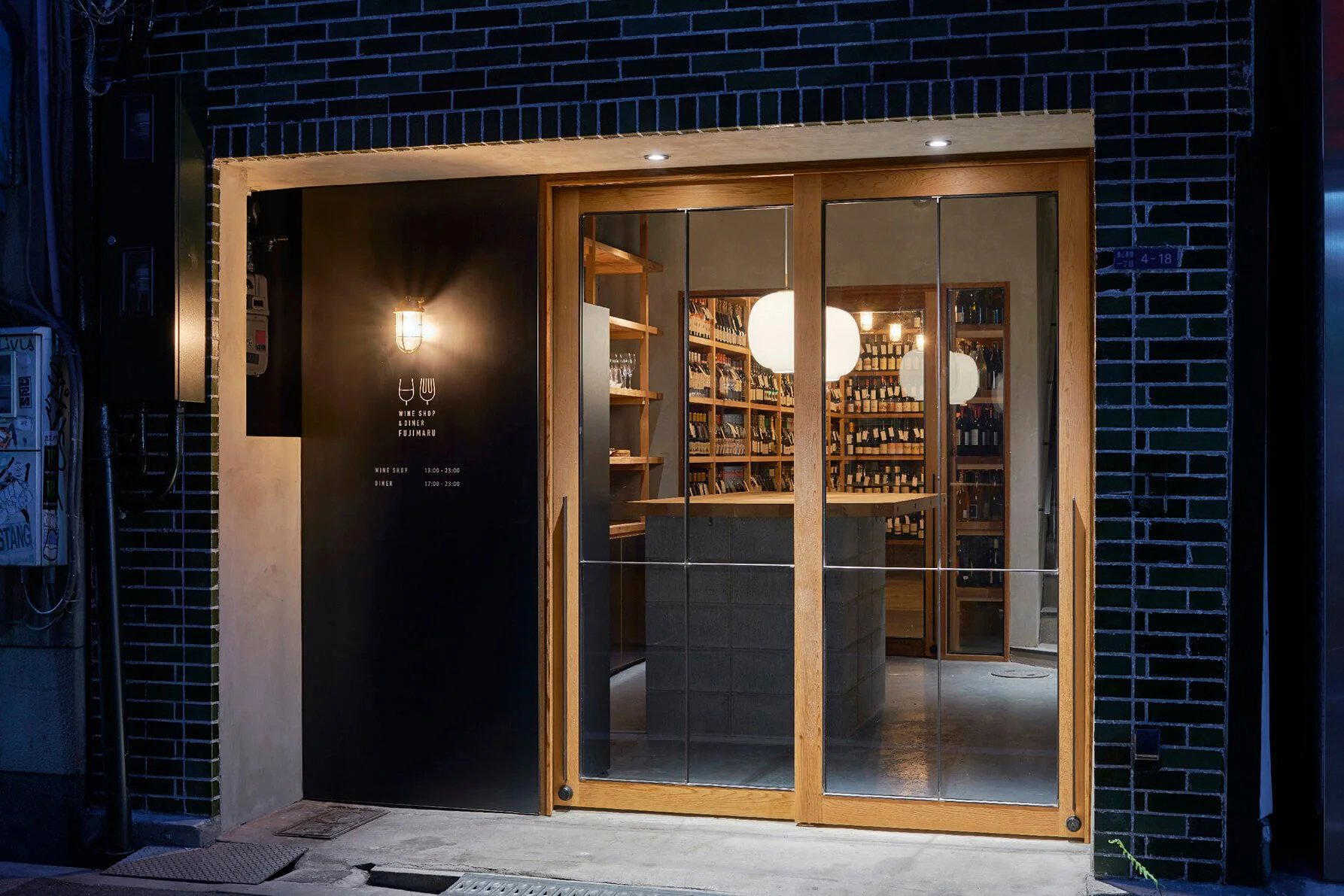
Wineries in Osaka
Browse all →
Details
- Classic
- Cozy
- Casual Hangout
- Family
- Solo
- Historic Building
- Standalone
- Street Scene
- A La Carte
Current opening hours
- Monday
- 9 AM–5 PM
- Tuesday
- 9 AM–5 PM
- Wednesday
- 9 AM–5 PM
- Thursday
- 9 AM–5 PM
- Friday
- 9 AM–5 PM
- Saturday
- 9 AM–5 PM
- Sunday
- 10 AM–3 PM
Hours can change for holidays and private events. Last verified .
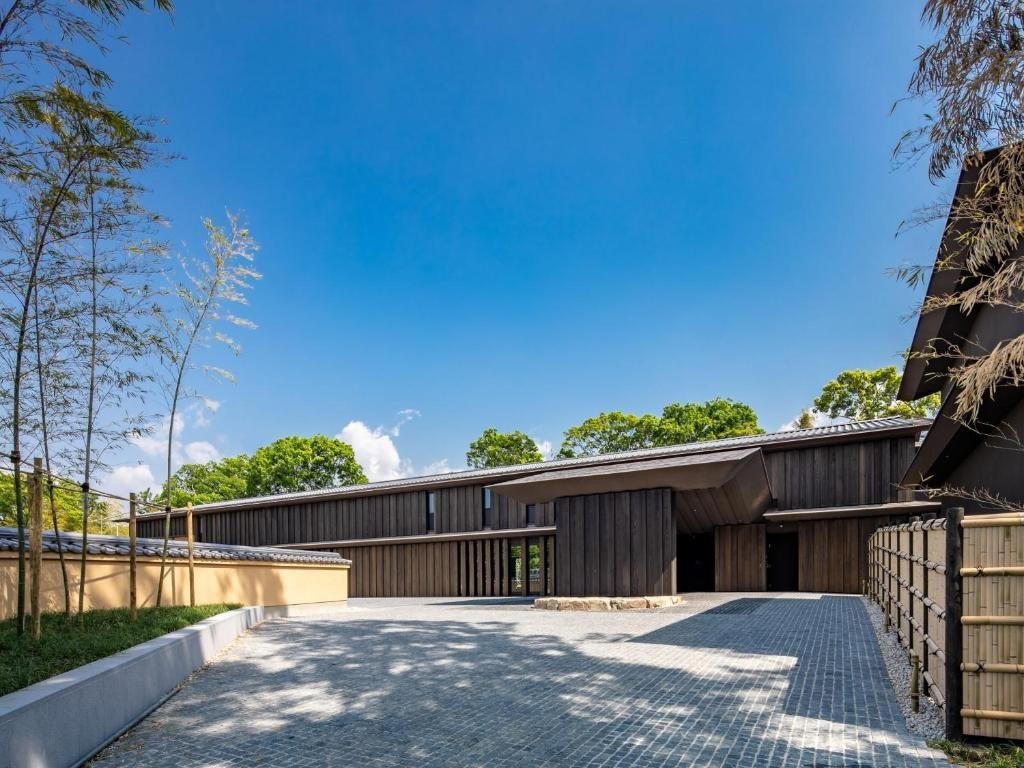
Traditional, historic, and shoplike rather than a formal dining room, with an atmosphere centered on Japanese confectionery craftsmanship and takeaway retail.