
Tabelog 100 #67
Our verdict
Jukusei Udon Nakaya gives Osaka’s udon culture a quiet, ritual-led expression: aged noodles, a compact room, and a format that moves between solo bowls, table meals, and izakaya-adjacent drinking. Its 2024 Tabelog 100 Udon WEST selection and 3.70 score place it in a serious regional bracket without pushing it into luxury-restaurant theatre.

Pearl is the En Primeur Club membership app, where members save venues, book tables and use the concierge.
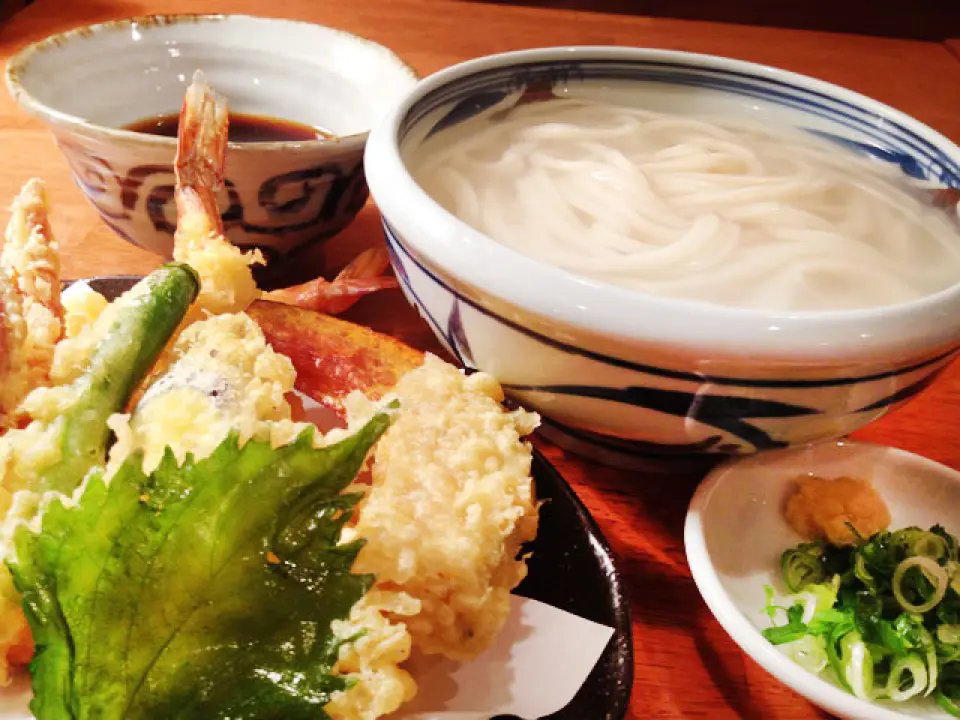
The menu
What to order
- Udon-suki
- Homemade aged udon
- Chilled tomato
Approaching an udon shop in Osaka is about rhythm: the short wait, quick read of the room, and expectation that noodles arrive as the meal’s centre, not a side act. In Osaka, that rhythm matters. This commuter, hotel, office, and residential city knows the difference between a convenient bowl and a shop with craft behind it.
Jukusei Udon Nakaya is the latter. Its place on the 2024 Tabelog 100 Udon WEST list is the useful signal: not because awards improve noodles, but because western Japan’s udon field is crowded, locally loyal, and consistency-driven. A 3.70 Tabelog score reinforces the point. This is not an expensive tasting-menu address reframing udon for visitors, but a focused Osaka shop working inside a demanding everyday tradition.
Aged noodles, Kansai pacing, and the discipline of a simple bowl
Udon culture rewards restraint. The ritual is direct: order, wait, eat while the noodles hold their intended texture, and move with the room. Craft sits in flour handling, resting, boiling, broth balance, and temperature control. Nakaya’s identity is built around udon, and the appeal is in how a simple format can still reveal precision. That matters because udon is judged by chew, structure, and timing, even when the meal remains casual and affordable.
The format sits between quick lunch and slower evening use. Listed categories include udon, izakaya, and udon-suki, which defines the meal structure more than any single dish: noodles can anchor a solo stop, while the room also supports a more social table. The useful expectation is not luxury polish, but a restaurant that treats an everyday bowl as something worth attention.
Osaka is often discussed through street food, casual drinking, and energetic everyday dining, yet its noodle culture is just as revealing. Udon here is not luxury code; it is a test of execution at modest spend, where regulars notice if the boil is off or the room loses pace. Compared with Jonetsu Udon Sanshu Shin'osaka ten, another low-cost udon reference in Osaka, Nakaya adds the Tabelog 100 Udon WEST signal. Compared with Moja Curry Shin osaka honten, in a similar accessible price band but a different comfort-food lane, the choice is less budget than craving: curry for density, udon for texture and timing.
The Osaka advantage: serious food without central-Osaka theatre
Osaka gives many casual restaurants a practical character. Dining often serves people in motion: arrivals, departures, work trips, errands, hotel nights. That can mean forgettable convenience food, but it also creates demand for places that deliver quickly without feeling anonymous. Nakaya suits that pattern. Solo diners can treat it as a direct noodle stop; small groups can make the meal more social.
The scale frames expectations. This is not a room for long-form restaurant theatre, and that is the point. Udon is strongest when guests understand the pace: arrive ready to order, do not use the table as a lounge, and let the noodles define timing. In a city shaped by movement and repeat local habits, a focused udon address needs consistency more than spectacle. That operating discipline is what gives the restaurant its appeal.
For a broader Osaka itinerary, Nakaya works as a counterweight to louder dining modes. A visitor could build a day around casual precision rather than trophy dining: other bakeries, snack counters, coffee stops, and casual restaurants all show different sides of the city’s everyday appetite. For formal contrast, Osaka also has dining rooms in a more polished register. The useful comparison is not superiority, but how Osaka lets high-skill cooking appear at several levels of formality.
How to read the meal: etiquette, value, and who it suits
The value proposition is clear. Lunch is listed up to JPY 999, while dinner is listed at JPY 1,000 to JPY 1,999. That belongs in planning, but also says something cultural: this remains an everyday Japanese restaurant format, not an internationally smoothed hospitality product. The price band makes the award recognition more meaningful, because it places attention on execution rather than expense.
Families can work if they align with the room. That is a familiar small-restaurant boundary in Japan, where limited space and kitchen pacing often depend on everyone participating in the meal. For solo diners, the appeal is easy to understand. For friends, the izakaya and udon-suki identity gives the meal flexibility without changing its centre of gravity: noodles first, with the rest of the experience built around them.
The practical reading is simple: this is a focused udon address for people who care about noodle texture, Kansai dining manners, and a meal that needs no luxury cues to justify attention. Its award signal places it inside the western Japan udon conversation; its Osaka setting keeps it grounded. For travellers mapping the city, pair it with a broader Osaka restaurants guide, then plan through general Osaka hotels, bars, wineries, and experiences resources. Beyond Osaka, comparable casual-specialist thinking appears across Japan and abroad in many unnamed noodle shops, counters, and small dining rooms where everyday formats carry serious craft.
Frequently asked questions
Does Jukusei Udon Nakaya work for a family meal?
Yes. It is a casual Osaka udon address with listed lunch pricing up to JPY 999, which keeps it practical for an everyday family stop.
What's the vibe at Jukusei Udon Nakaya?
It reads as a focused, casual udon shop in Osaka. The Tabelog 100 Udon WEST 2024 selection gives it a clear local credibility.
Is Jukusei Udon Nakaya more mid-range or high-end?
Pricing at Jukusei Udon Nakaya is listed as Dinner: JPY 1,000 - JPY 1,999; Lunch: - JPY 999.
What days is Jukusei Udon Nakaya closed?
Specific closing-day information is not provided here. Check directly with Jukusei Udon Nakaya before visiting.
Cuisine and Credentials
Comparable venues by price and recognition.
| Venue | Cuisine | Price | Awards | Notes |
|---|---|---|---|---|
| Jukusei Udon NakayaThis venue (the venue you are viewing) | Japanese Udon / Izakaya | Not listed | Tabelog 100 #67 | Not listed |
| 寿司常 | Traditional Osaka Sushi | $30–50 | Michelin Bib Gourmand | Tsukamoto |
| Chitose (千とせ) | Osaka-style Okonomiyaki | $10–20 | Not listed | Minami Horie |
| yacipoci | Modern Japanese standing bar (izakaya-style) | $20–30 | Tabelog 100 #31 | Chūō |
| Tanaka no Chuka Soba | Japanese Ramen | Not listed | Tabelog 100 #43 | Nishi |
| Revo Honten | Japanese Yoshoku (Steak & Hamburger Steak) | $10–20 | Tabelog 100 #94 | Nishinari |
Recognition history
Dated appearances from independent guides and award organizations, with the underlying list record or original source where available.
Tabelog 100 #67 · No. 67
Tabelog · Tabelog 100 - Udon - WEST - 2024
Continue exploring
More in Osaka
Restaurants in Osaka
All restaurants in Osaka →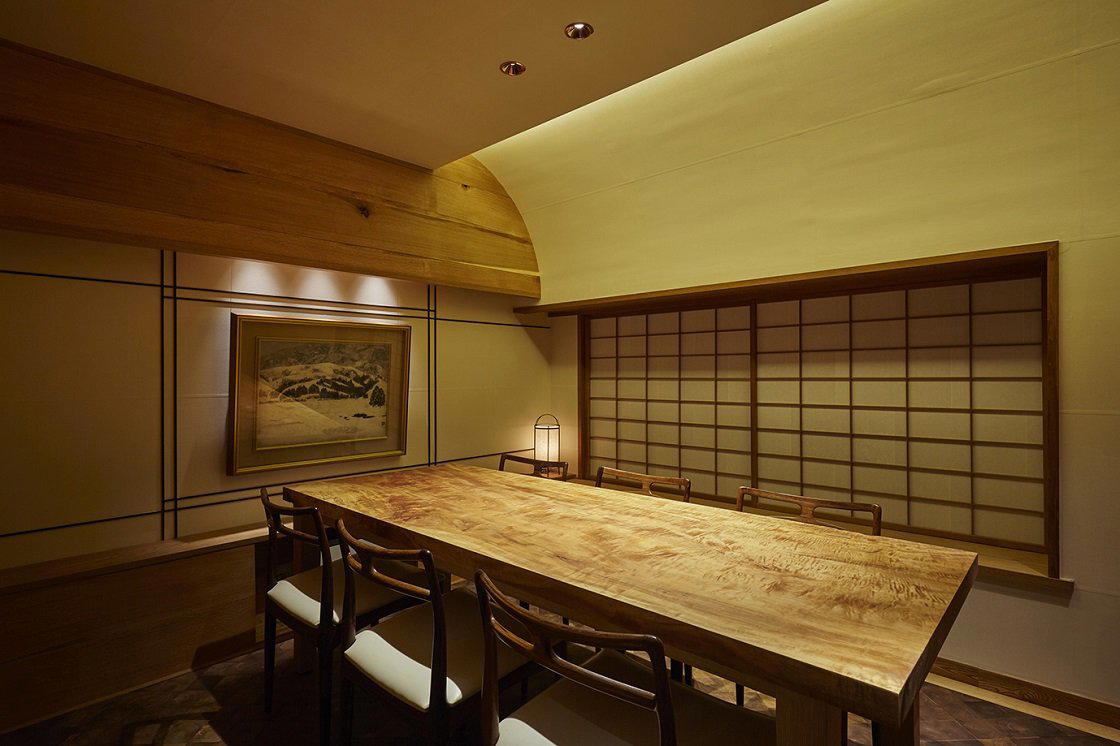




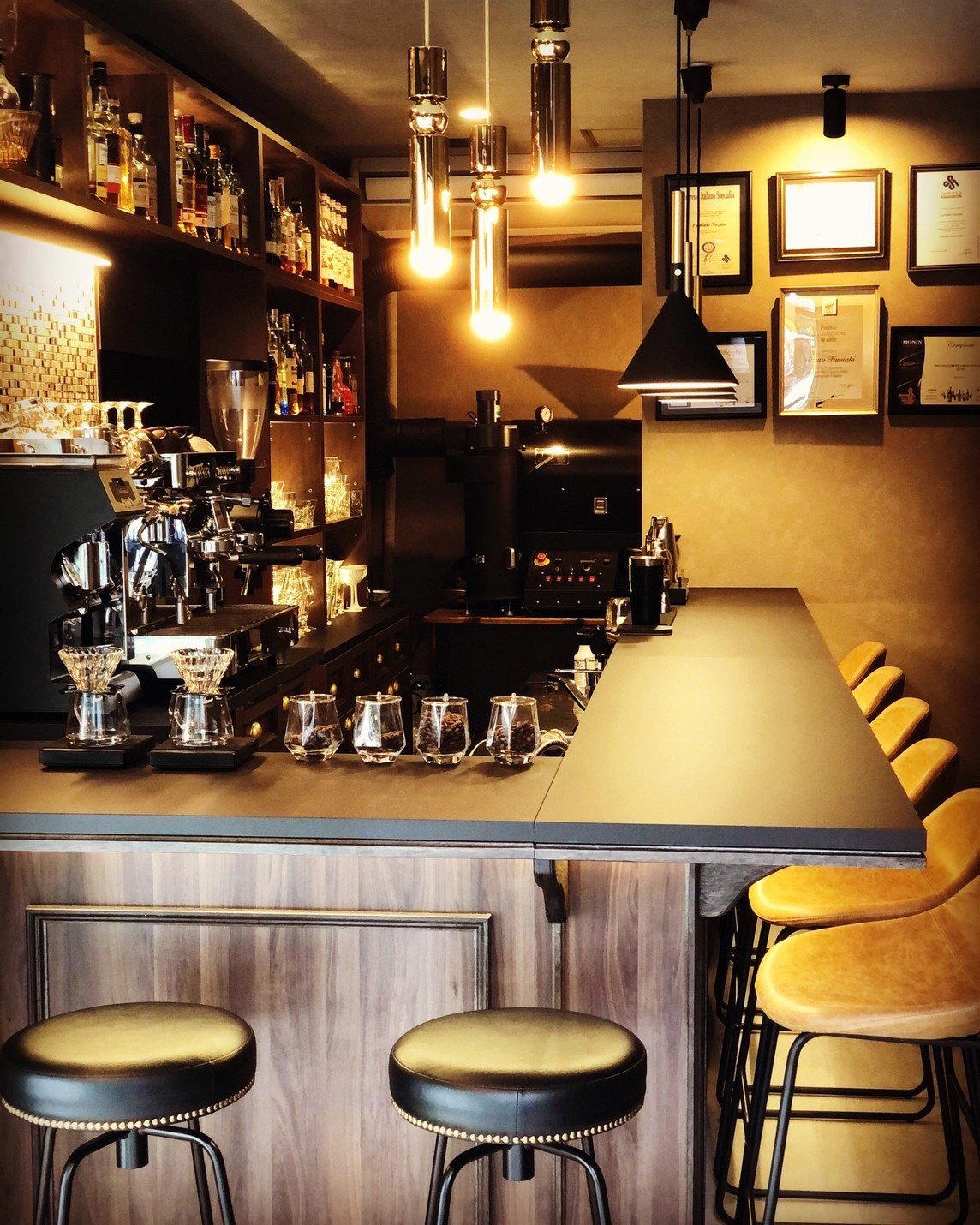
Bars in Osaka
All bars in Osaka →



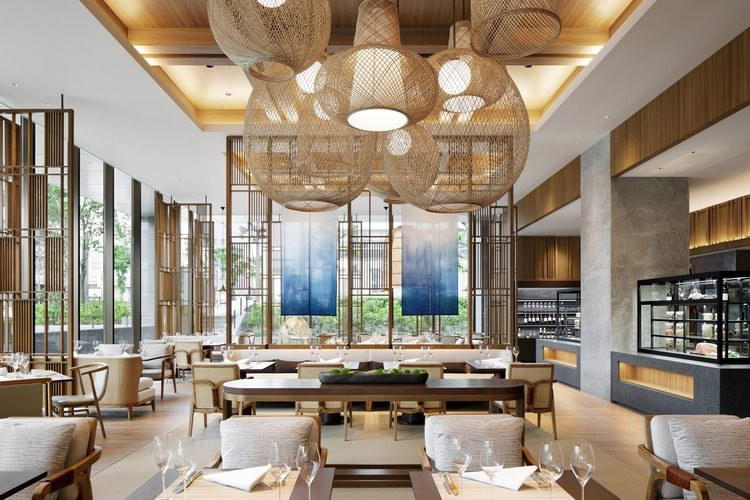
Hotels in Osaka
All hotels in Osaka →



Wineries in Osaka
Browse all →
Details
- Cozy
- Classic
- Group Dining
- After Work
- Casual Hangout
- Standalone
- Beer Program
- A La Carte
- Set Menu
- Beer
Current opening hours
- Monday
- 11:15 AM–2:15 PM, 6–9:30 PM
- Tuesday
- 11:15 AM–2:15 PM, 6–9:30 PM
- Wednesday
- 11:15 AM–2:15 PM, 6–9:30 PM
- Thursday
- 11:15 AM–2:15 PM, 6–9:30 PM
- Friday
- 11:15 AM–2:15 PM, 6–9:30 PM
- Saturday
- 11:15 AM–2:15 PM, 5:30–9:30 PM
- Sunday
- Closed
Hours can change for holidays and private events. Hours as of .
A compact, casual neighborhood spot with counter and table seating, suited to relaxed meals and group drinking gatherings.