Yamada


Our verdict
Yamada occupies a compact address on Elizabeth Street in Manhattan's Chinatown-adjacent corridor, operating in a tier of New York dining where format discipline and editorial recognition carry more weight than scale. The restaurant has built its presence through a studied evolution rather than a static identity, placing it alongside the city's more deliberate high-end operators. Booking demand reflects a reputation earned over time rather than through marketing volume.

Pearl is the En Primeur Club membership app, where members save venues, book tables and use the concierge.
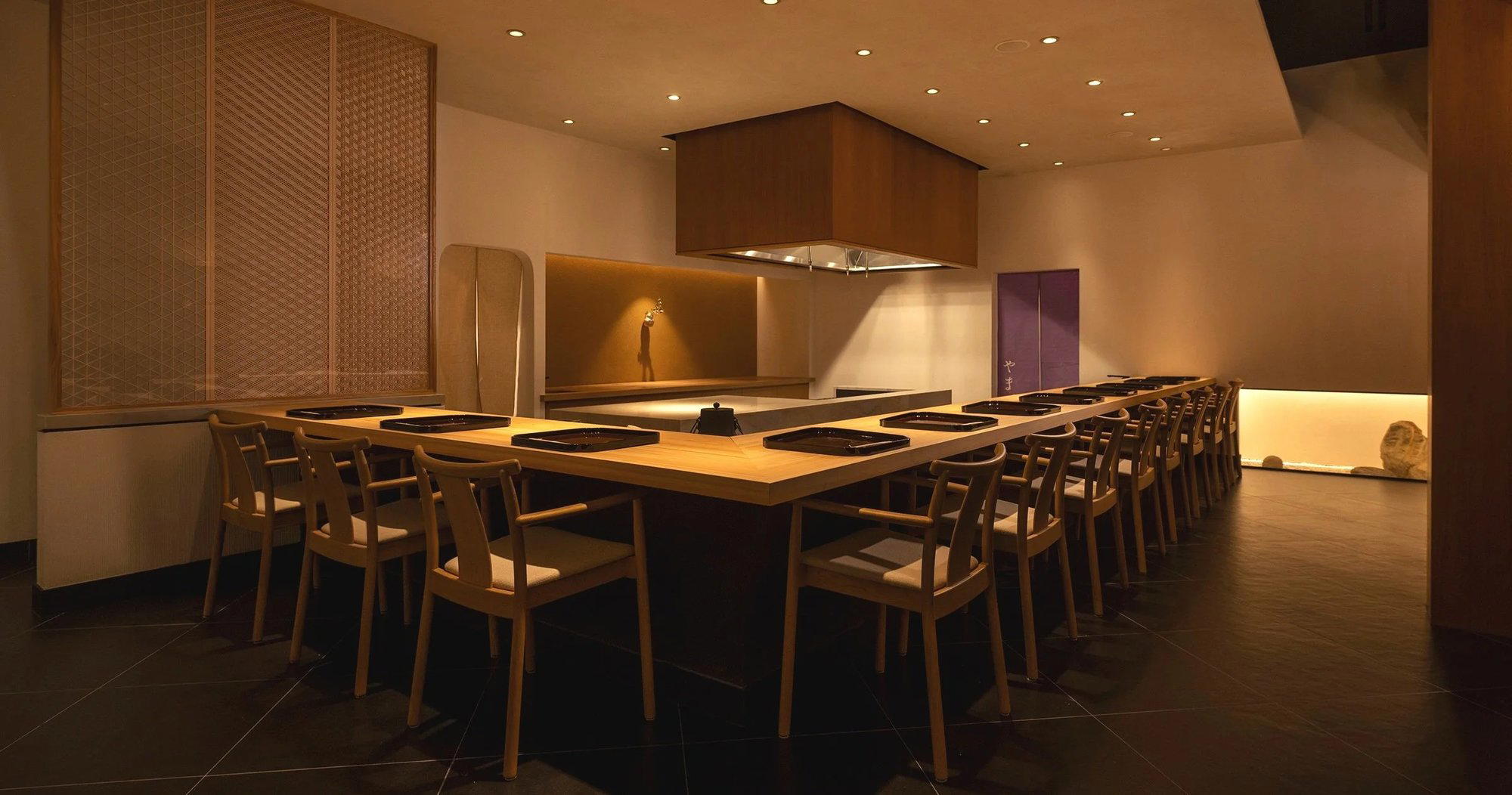
If There Is One Restaurant on Elizabeth Street Worth Your Serious Attention, It Is Yamada
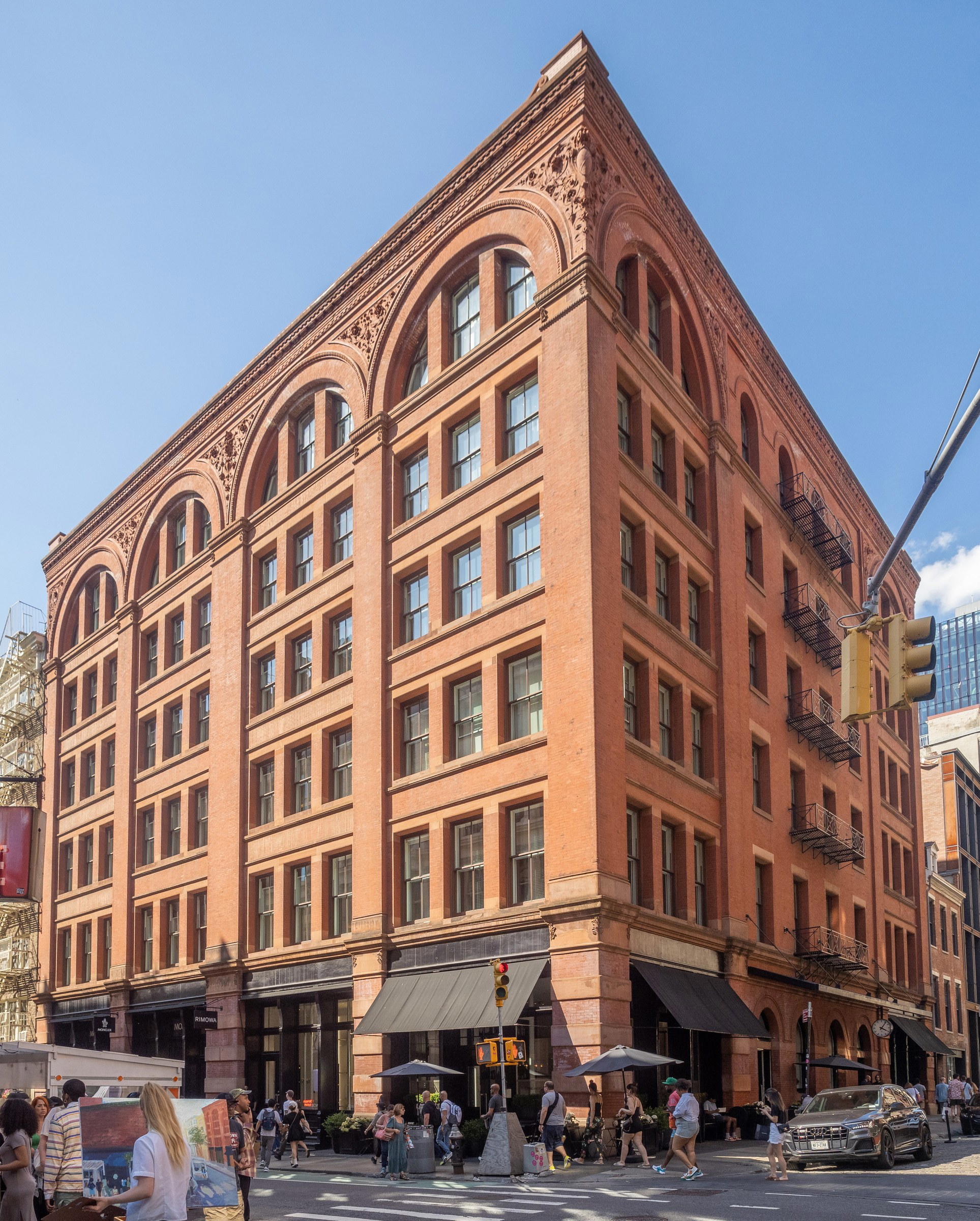
New York's fine dining map has shifted considerably over the past decade. The city's most discussed high-end tables no longer cluster exclusively in Midtown or the Upper West Side; they have spread into neighborhoods that once functioned purely as residential or commercial corridors. Elizabeth Street in lower Manhattan sits at the edge of that dispersal, in a block that runs between Canal and Hester, close enough to Chinatown's wholesale markets to feel grounded and far enough from the tourist circuit to attract a different kind of diner. Yamada, at number 16, is part of a broader pattern: serious restaurants choosing addresses that require a little intention to reach.
Where Elizabeth Street Fits in New York's High-End Tier
The $$$$ price bracket in New York encompasses a wide spectrum. At one end sit multi-course tasting menus with long lead booking windows and prix-fixe structures running several hundred dollars per head, the tier occupied by counters like Masa and formal European rooms like Per Se and Le Bernardin. At the other end are neighborhood-anchored restaurants that price at the high end of à la carte without operating a prix-fixe lock-in.
The city's Korean fine dining scene offers a useful comparison. Atomix and Jungsik New York have built sustained editorial credibility through format consistency and a willingness to operate in controlled-capacity settings. Yamada operates in an analogous space, where the room size, the booking dynamic, and the neighborhood context collectively do more to define the experience than the cuisine category alone.
The Evolution Frame: How a Lower Manhattan Restaurant Changes Without Losing Its Address
Editorial angle on Yamada is not a single moment of recognition or a signature dish frozen in amber. It is the evolution: what a restaurant at this address, in this price tier, has had to become as the neighborhood around it shifted and as the competitive reference points changed. Lower Manhattan's dining scene in the early 2010s was sparse by the standards of what it became by the early 2020s. A restaurant that opened or established itself in that earlier period and remained operational through the expansion of the neighborhood's restaurant culture has necessarily adapted, whether in format, menu structure, or the profile of its regular guests.
That kind of adaptation is not unique to Yamada; it characterizes the most durable operators across the country. Alinea in Chicago has reinvented its format multiple times since its 2005 opening, moving from tasting menu to fully theatrical immersive structure and back toward a more focused format. The French Laundry in Napa underwent a significant physical renovation and menu recalibration in the late 2010s. Lazy Bear in San Francisco pivoted from an underground supper club model to a licensed, critically recognized permanent address. What separates restaurants that evolve successfully from those that simply change is the degree to which the core identity remains legible through the transitions.
Yamada's version of that continuity, based on its presence at a fixed Elizabeth Street address and its positioning in the city's serious dining tier, suggests a restaurant that has made deliberate decisions about what to preserve and what to update. The neighborhood itself has changed around it; what was once peripheral to Manhattan's dining circuit has become a destination zone, and restaurants that predate that shift carry a different kind of authority than those that arrived to capitalize on it.
The Broader Context: Premium Dining in a Shifting City
New York's high-end dining tier is not static. Restaurants that held Michelin recognition in one cycle lose it in another; chefs move between projects; neighborhoods cycle through periods of critical attention. The Elizabeth Street corridor sits within a part of Manhattan that has received increased restaurant media coverage as the boundaries of the city's dining geography have expanded southward from the traditional Flatiron and Midtown anchors.
The comparison set for a restaurant at this address and price point extends beyond New York. Across the country, destination restaurants have consolidated around formats that prioritize controlled capacity and booking scarcity over walk-in volume. Single Thread Farm in Healdsburg operates at the intersection of agricultural sourcing and Japanese-influenced technique in a way that has defined its regional position. Blue Hill at Stone Barns in Tarrytown built its national profile on a farm-to-table format that preceded the trend's peak and outlasted its commodification. Providence in Los Angeles, Addison in San Diego, and The Inn at Little Washington each represent regional approaches to the question of what a serious American restaurant looks like at the top of its local tier. Internationally, the same question plays out at places like 8½ Otto e Mezzo Bombana in Hong Kong and Alain Ducasse's Louis XV in Monte Carlo, where longevity and format discipline define the competitive set more than any single vintage of recognition.
Yamada at 16 Elizabeth Street belongs in that conversation, not because it has been confirmed against the same award benchmarks, but because its address, its price tier, and its operating context place it among restaurants where format decisions carry weight. For a fuller map of where it sits within New York's broader high-end offer, see our full New York City restaurants guide.
Planning Your Visit
16 Elizabeth Street sits in the lower Manhattan block between Canal and Hester, in a part of the city where subway access via the J, Z, N, Q, R, 6, and Canal Street stations keeps the address reachable from most of Manhattan within 20 minutes. The neighborhood runs quiet on weekday evenings relative to Midtown, which makes street parking and rideshare drop-off more manageable than in denser dining corridors. Given the restaurant's positioning in the $$$$ tier and its presence in a neighborhood that has seen increasing dining traffic, advance planning is the practical default; walk-in availability at this level of the market is rarely reliable. Phone and website details were not available at the time of publication, so confirming current booking arrangements directly is advisable before planning travel around a specific date. For comparison and broader planning, restaurants such as Emeril's in New Orleans and Bacchanalia in Atlanta represent the kind of destination-dining format that rewards advance research across U.S. cities.
Frequently asked questions
Where is Yamada located?
Yamada is located at 16 Elizabeth St, New York, NY 10013, New York City.
Is Yamada a good option for a private dinner or special occasion in lower Manhattan?
16 Elizabeth Street in New York City sits in a part of lower Manhattan with strong subway access via multiple lines, making it logistically accessible from most of the city without requiring a Midtown reservation. At the $$$$ price bracket, Yamada operates in a tier where the dining room scale and pacing typically suit occasion dining rather than casual throughput. check the venue's official channels to confirm private arrangement options and current booking terms.
What dish is Yamada famous for?
No specific signature dish has been confirmed through a verifiable source, and naming one without documentation would be speculative. What the Elizabeth Street address does signal is a focused, considered menu approach consistent with New York's $$$$ fine dining tier, where the kitchen's point of view tends to matter more than a single showpiece plate.
How hard is it to get a table at Yamada?
At the $$$$ price point in New York City, restaurants that have built presence through editorial attention rather than high-volume marketing typically carry meaningful lead times on reservations. Yamada's position in lower Manhattan, slightly removed from the Midtown concentration of tourist-facing fine dining, means demand skews toward a deliberate, return-visitor audience.
What has Yamada built its reputation on?
Yamada's standing in New York City's serious dining tier is anchored by a sustained presence at 16 Elizabeth Street, a fixed address in lower Manhattan that places it within a neighborhood whose restaurant scene has grown in editorial relevance over the past decade. Its $$$$ positioning aligns it with restaurants where precision of execution and consistency across visits carry more weight than novelty or scale.
Booking and Cost Snapshot
Comparable venues nearby, for context on price, style, and recognition.
| Venue | Cuisine | Price | Awards | Notes |
|---|---|---|---|---|
| YamadaThis venue (the venue you are viewing) | Seasonal Kaiseki | $300–500 | Not listed | Not listed |
| Sushi Inoue | Traditional Japanese Omakase | Not listed | Not listed | Harlem, Traditional Japanese Omakase |
| E Broadway | Japanese Yakitori Omakase | Not listed | Not listed | Chinatown-Two Bridges, Japanese Yakitori Omakase |
| Zuma New York | Modern Japanese Izakaya | $50–100 | Wine Spectator Best of Award of Excellence | Midtown-Times Square, Modern Japanese Izakaya |
| Ume | Modern Japanese Sushi Omakase | $50–100 | Not listed | Williamsburg, Modern Japanese Sushi Omakase |
| THE GALLERY by odo | Modern Japanese Small Plates & Sushi | $50–100 | Not listed | Midtown South-Flatiron-Union Square, Modern Japanese Small Plates & Sushi |
Recognition history
Dated appearances from independent guides and award organizations, with the underlying list record or original source where available.
New York Times Best Restaurants in New York City #2
New York Times
Robb Report The 10 Best New Restaurants in America #5
Robb Report
Continue exploring
More in New York City
Restaurants in New York City
All restaurants in New York City →


Bars in New York City
All bars in New York City →






Details
- Intimate
- Elegant
- Sophisticated
- Minimalist
- Special Occasion
- Solo
- Date Night
- Chefs Counter
- Local Sourcing
- Tasting Menu
- Vegetarian Friendly
Current opening hours
- Monday
- Closed
- Tuesday
- 5:30–11:30 PM
- Wednesday
- 5:30–11:30 PM
- Thursday
- 5:30–11:30 PM
- Friday
- 5:30–11:30 PM
- Saturday
- 5:30–11:30 PM
- Sunday
- Closed
Hours can change for holidays and private events. Hours as of .
Light maple wood interior creating a serene, Kyoto-like atmosphere with luxury that whispers rather than shouts.