
Tabelog 100 #7
Our verdict
Amakusa’s sushi culture is shaped by proximity to fishing grounds rather than metropolitan theatre. Yakko Zushi belongs to that small coastal-counter category: six counter seats, seafood-led sushi, and selection for Tabelog Sushi WEST 100 in 2021, 2022, and 2025 give it a different weight from casual local seafood rooms.

Pearl is the En Primeur Club membership app — saves, bookings, and concierge access live there. Same editors, same standards.
- Address
- 熊本県天草市東町76-1
- Phone
- +81969234055
- Website
- t-island.jp
- Directions
- Get directions
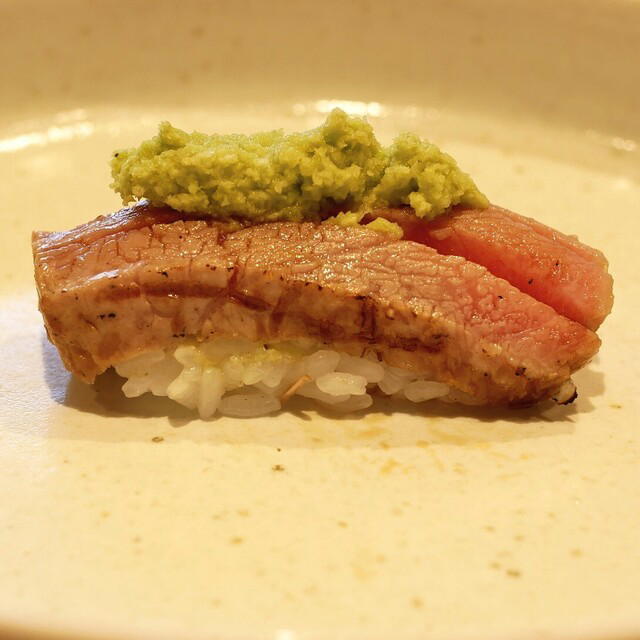
The menu
What to order
- Lunch omakase 12 pieces
- Dinner omakase with tsumami and 12 pieces
- Seasonal Amakusa local fish sushi
- Seasonal sashimi
Approaching sushi in Amakusa means adjusting the usual hierarchy. The drama is not a Ginza corridor, hotel lobby, or hushed urban room built around ceremony. It is the setting: a city with a strong seafood identity and a confidence that the local table can carry its own argument. In that context, Yakko Zushi feels less like a destination imported into Amakusa than a local expression of what a serious sushi restaurant can be when fish is the organizing principle.
The useful comparison is not Tokyo’s luxury omakase economy, where scarcity, chef lineage, and reservation theatre can shape perception before the first piece. Amakusa works by another logic: a dining culture closely associated with seafood. Sushi and seafood restaurants here draw authority from product, seasonality, and repetition rather than design language. Recognition in the Tabelog Hyakumeiten context for 2025 places this restaurant inside a noted sushi conversation, but the more interesting point is geographic: a sushi restaurant in Amakusa can stand out because the ingredient base is central to the experience.
Amakusa seafood gives the counter its point of view
Japan’s regional sushi map is often flattened into Edo-style prestige in Tokyo and everything else as local color. That misses how regional seafood restaurants work. In Amakusa, authority can come from a tight loop between local appetite, seafood supply, and service rhythm. The category here is sushi and seafood, with an emphasis on fish rather than broader luxury tasting-menu vocabulary. It signals a restaurant built around marine flavors, not a parade of expensive ingredients detached from place.
The western Japan sushi field runs from urban counters to smaller regional rooms, and Tabelog Hyakumeiten recognition puts Yakko Zushi in conversation with that wider group. It also separates the restaurant from Amakusa’s more casual seafood tier. Uomasa, for example, can help show how broad the city’s seafood culture can be. The distinction is format as much as cost: everyday coastal appetite at one end, and a sushi restaurant compressing attention onto a focused seafood-led meal at the other.
That is why Amakusa deserves more than a quick Japan stop. The city’s restaurant conversation is strongest when seafood is infrastructure, not decoration. For a wider view, our full Amakusa restaurants guide gives the broader map, while our full Amakusa hotels guide is the practical companion for travellers making dinner the anchor of an overnight stay.
A focused sushi setting changes the tempo
A focused sushi setting creates concentration different from larger all-purpose dining rooms. The format reduces distraction, shortens the distance between preparation and service, and makes pacing part of the experience. It leaves little room for casual indecision. In a city known here through its seafood, that intimacy sharpens the meal’s central question: how much of Amakusa can be expressed through fish without spectacle?
The room’s appeal is tied to Amakusa itself, a reminder that the city’s dining identity is inseparable from geography. The restaurant is not a generic luxury module dropped into a regional town. It belongs to a place where seafood restaurants and more focused sushi formats can coexist. That mixture is part of the appeal: the city does not need to perform exclusivity like major capitals, but the best meals here can still feel selective because the product is so closely tied to place.
The pairing logic is best understood through fit rather than display. A serious Amakusa sushi meal does not need to imitate a capital-city luxury model too closely; it can make sense through the surrounding dining culture, the rhythm of service, and the way seafood is handled. The point is not novelty. It is coherence: sushi and seafood in a city where the local context is not background scenery but the central argument.
How it fits into a Kyushu dining itinerary
Yakko Zushi is most persuasive for travellers who know regional Japan rewards detours. The restaurant is not trying to solve every Amakusa dining need. It is a seafood-led sushi experience, and that narrowness is the reason to pay attention. Some travellers may want a more casual plan elsewhere in the city, but the appeal remains: a compact sushi stop in a place where fish is the local advantage.
For planning, Amakusa works better as a small ecosystem than as a single reservation. Restaurants carry the main weight, but surrounding categories matter. Our full Amakusa bars guide, our full Amakusa wineries guide, and our full Amakusa experiences guide frame what else can sit around a seafood-led itinerary. Travellers building a broader Japan route can compare Amakusa’s specificity with other dining formats across Japan, while keeping Yakko Zushi’s point clear: this is a sushi and seafood address whose case begins with Amakusa itself.
The stronger editorial read is this: Amakusa need not mimic the capital to justify a serious sushi stop. Its case rests on seafood proximity, focused discipline, and recognition in a Tabelog Hyakumeiten context for 2025. That combination gives the meal a clear reason to exist within a Kyushu route. Across the broader EP Club map, there are many kinds of Japanese and Japanese-adjacent dining, from polished counters to casual specialist rooms and overseas formats. Against that range, Yakko Zushi’s value is restraint: an Amakusa restaurant whose strongest argument is the fish, the place, and the discipline of keeping the format focused.
Frequently asked questions
Is Yakko Zushi okay with children?
Check the venue's official channels for the latest details on age policies and dining suitability. Yakko Zushi is in Amakusa and is best understood as a sushi and seafood restaurant rather than a general family-dining address.
What kind of setting is Yakko Zushi?
Yakko Zushi is listed in the sushi and seafood categories. Its appeal is closely tied to Amakusa’s dining culture and to a focused seafood-led meal rather than to a broad, all-purpose restaurant format.
Is Yakko Zushi more mid-range or high-end?
Pricing at Yakko Zushi is listed as Dinner: JPY 20,000 - JPY 29,999; Lunch: JPY 8,000 - JPY 9,999.
What's the address for Yakko Zushi?
Amakusa.
Do they take walk-ins at Yakko Zushi?
Check the venue's official channels for the latest reservation and walk-in details. With Tabelog Hyakumeiten recognition in 2025, it is the sort of restaurant that rewards advance planning.
What's the signature at Yakko Zushi?
The clearest anchor is its fish-focused sushi and seafood listing, supported by Tabelog Hyakumeiten recognition in 2025. Check the venue's official channels for the latest menu and service details.
A Quick Peer Check
Comparable venues by cuisine and price in the same metro.
| Venue | Cuisine | Price | Awards | Notes |
|---|---|---|---|---|
| Yakko ZushiThis venue — the venue you are viewing | Michelin-listed Traditional Sushi Omakase | $150–200 | Tabelog 100 #7 | Not listed |
| Uomasa | Casual Japanese cafeteria | $10–20 | Tabelog 100 #6 | Ushibukamachi |
| ユキフラン佐藤 | Seasonal Japanese Kaiseki | $100–150 | Not listed | Gion |
| 鮨よしたけ | 3-Michelin-Star Omakase Sushi | $500+ | La Liste Top Restaurants · Tabelog Bronze #530 | Ginza |
| Yukimoto | Modern Japanese Kaiseki with Wild Game | $200–300 | La Liste Top Restaurants · Tabelog Gold #36 | Iida |
| さえ㐂 | Traditional Edomae Sushi Omakase | Not listed | Not listed | Nakagyo Ward |
Recognition history
Dated appearances from independent guides and award organizations, with the underlying list record or original source where available.
Tabelog 100 #7 · No. 7
Tabelog · Tabelog 100 - Sushi - WEST - 2025
Continue exploring
More in Amakusa
Restaurants in Amakusa
Browse all →
Details
- Classic
- Elegant
- Intimate
- Well Known
- Cozy
- Special Occasion
- Date Night
- Celebration
- Business Dinner
- Solo
- Chefs Counter
- Waterfront
- Design Destination
- Standalone
- Private Dining
- Sake Program
- Local Sourcing
- Sustainable Seafood
- Waterfront
- Omakase
- Counter Dining
- Tasting Menu
- Set Menu
- Sake
- Beer
- Tea
- Pescatarian Friendly
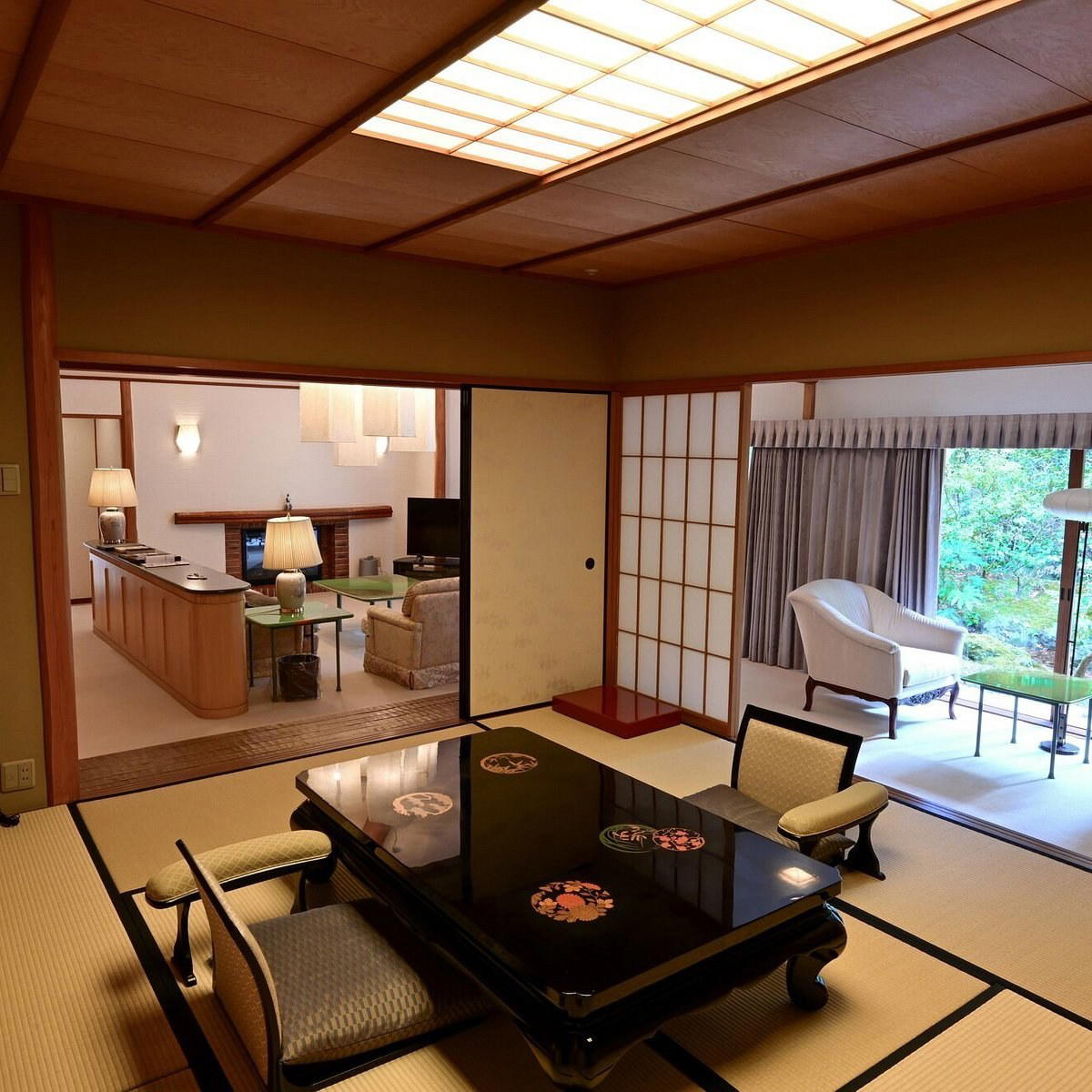
Refined and traditional, with lacquer-red interior, tatami around the counter, and a quiet, intimate atmosphere focused on chef-led omakase.