
Tabelog 100 #6
Our verdict
Uomasa is a fish-led cafeteria and seafood address in Ushibukamachi, Amakusa, where the appeal is tied to port-town proximity rather than metropolitan polish. Its Tabelog 100 Diner 2026 selection places a modest local format inside a national conversation about everyday Japanese dining, with a room suited to families, friends, and seafood-focused lunches.

Pearl is the En Primeur Club membership app — saves, bookings, and concierge access live there. Same editors, same standards.
- Address
- 熊本県天草市牛深町2286-101
- Phone
- +81969723144
- Website
- uomasa.cc
- Directions
- Get directions
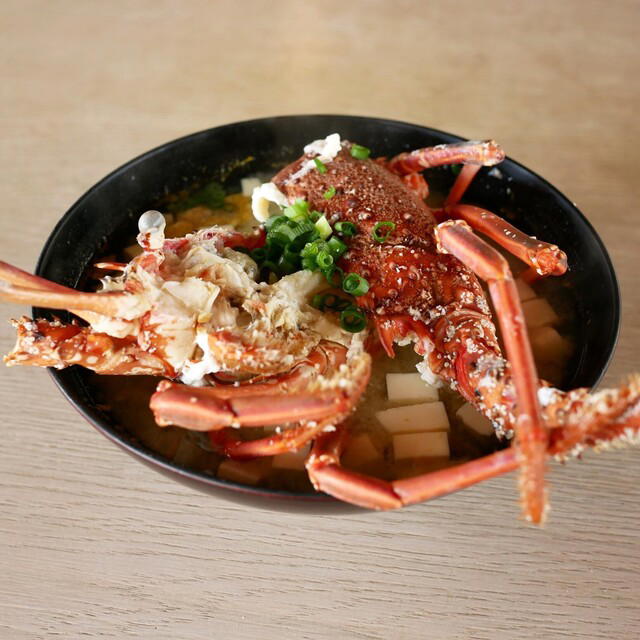
Approaching Amakusa, the dining proposition changes. This is not the Japan of tower hotels and appointment-only counters; it is a coastal rhythm, with the sea close enough to define what a meal is allowed to be. In Amakusa, fish is not only a luxury signifier. It can also be the baseline. Uomasa belongs to that practical local category: cafeteria and seafood, coastal in spirit, built around what a fishing area can put on the table without turning lunch into theatre.
That distinction matters. Japan’s seafood hierarchy is often explained through sushi counters, omakase pricing, and chef lineage, but many coastal communities judge fish through a plainer lens: freshness, portion, rice, soup, ease, and whether the room works for everyday use. Uomasa’s recognition in the Tabelog 100 Diner 2026 list is useful because it points to a different kind of credibility. The format is not haute cuisine. It is a local dining room with fish as its argument, judged within a national diner category rather than against fine-dining seafood restaurants.
Amakusa fish culture without the counter-service ceremony
Amakusa’s geography gives seafood restaurants an advantage that city dining rooms spend heavily to imitate. The area’s food culture has long leaned on fishing, coastal movement, and small-town meal formats. In that context, a cafeteria serving seafood can be more revealing than a formal tasting menu. The cooking does not need to translate the coast into a concept; the coast is already the operating condition.
Uomasa’s listed category, cafeteria and seafood, is the clue. It signals a room where the meal is likely organised around accessibility rather than performance: a straightforward format, local use, and a menu logic that makes sense for daytime traffic. The point is not to stage seafood as luxury, but to let it function as the centre of an everyday meal. That is a different pleasure from the choreographed counter, and in Amakusa it may be the more direct one.
The comparison within Amakusa is instructive. Yakko Zushi represents another way of reading the area’s fish culture, while Uomasa sits in a diner-format seafood lane. The point is not that one model replaces the other. Together with other Amakusa dining rooms, they show how the area can support both special-occasion fish and everyday fish, which is exactly what separates a serious seafood town from a place with only a few good restaurants.
Why the Tabelog Diner selection matters here
Tabelog’s 100 Diner selection is not a Michelin-style fine-dining signal, and that is precisely why it matters for Uomasa. The diner category rewards a different form of competence: consistency, local usefulness, value perception, and the kind of food people return to rather than merely photograph. Uomasa was selected for Tabelog 100 Diner in 2026, with a listed score of 3.59, which gives the recognition a clear public frame.
The format also keeps expectations in the right place. This is a seafood cafeteria rather than a controlled private-room experience or a chef-driven tasting counter. Those details describe a public, practical style of dining rather than a highly ritualised one. For travellers used to Tokyo or Kyoto dining, that is part of the appeal: fewer rituals, more direct contact with the local seafood economy.
Amakusa rewards travellers who understand scale. A seafood lunch here should not be read through the grammar of Ginza sushi, nor through the resort language often attached to island travel. The better comparison is with regional Japanese shokudo culture, where a meal is measured by how clearly it reflects the place around it. Uomasa’s fish emphasis and diner recognition put it in that tradition. It is a strong choice for visitors who want the local seafood story without committing to a high-ticket counter meal.
Planning the meal around Amakusa rather than around ceremony
The room is best approached as practical dining: a cafeteria and seafood venue with lunch listed at JPY 1,000 - JPY 1,999 and dinner not separately priced in the provided listing. That combination makes expectations matter. A traveller should think of this as an accessible coastal stop rather than a long-form destination meal. The value proposition is central to the appeal, because the listed budget places Uomasa firmly in the everyday-meal bracket.
The Amakusa setting gives the meal a natural place in a broader coastal itinerary. That matters because Amakusa is not a city where restaurants can be treated as interchangeable points on a subway map. Driving routes, timing, and daylight may shape the day. Pairing a seafood lunch with the wider area is the sensible move, especially for travellers connecting food with coastal geography rather than treating the restaurant as an isolated destination.
For a broader read on the area, start with our full Amakusa restaurants guide, then map the rest of the trip through our full Amakusa hotels guide, our full Amakusa bars guide, our full Amakusa wineries guide, and our full Amakusa experiences guide. For wider Japan and Japanese-dining context, look to other regional dining rooms and casual food stops across Japan and beyond; Uomasa is best understood not by stacking it against unrelated city venues, but by reading it within Amakusa’s own seafood culture.
Frequently asked questions
Would Uomasa be comfortable with kids?
Uomasa is best understood as a casual cafeteria and seafood venue in Amakusa. The Tabelog 100 Diner 2026 selection signals a place built for broad use rather than only special-occasion dining.
Is Uomasa formal or casual?
Casual. It is listed as a cafeteria and seafood spot, with lunch priced at JPY 1,000 - JPY 1,999. The format fits an easy meal in Amakusa rather than a formal dining room.
What does dinner at Uomasa typically cost?
Pricing at Uomasa is listed as JPY 1,000 - JPY 1,999 View spending breakdown.
What is Uomasa known for?
Uomasa is known as a cafeteria and seafood venue in Amakusa, selected for Tabelog 100 Diner 2026.
At-a-Glance Comparison
Comparable venues by cuisine and price in the same metro.
| Venue | Cuisine | Price | Awards | Notes |
|---|---|---|---|---|
| UomasaThis venue — the venue you are viewing | Casual Japanese cafeteria | $10–20 | Tabelog 100 #6 | Not listed |
| Yakko Zushi | Michelin-listed Traditional Sushi Omakase | $150–200 | Tabelog 100 #7 | Amakusa |
| Nagata in Kanoka (長田 in 香の香) | Sanuki Kamaage Udon | Not listed | Not listed | 金蔵寺町 |
| ラーメン チョンマゲ 大阪天六店 | Japanese Ramen | $10–20 | Not listed | Tenjinbashi |
| Ramen Nikkou | Japanese Ramen | $10–20 | Tabelog 100 #46 | Hikone City |
| ラーメン亭「十五夜」 | Japanese Ramen | Not listed | Not listed | Kushiro |
Recognition history
Dated appearances from independent guides and award organizations, with the underlying list record or original source where available.
Tabelog 100 #6 · No. 6
Tabelog · Tabelog 100 - Diner - 2026
Details
- Quiet
- Cozy
- Casual Hangout
- Family
- Solo
- Group Dining
- Standalone
- A La Carte