
Tabelog 100 #41
Our verdict
Tokyo yakitori has moved far beyond casual after-work skewers, and Yakitori Ogawa sits in the serious counter-led tier: small room, charcoal discipline, sake and wine in play, and repeat selection in Tabelog’s Yakitori 100. In Arakicho, it belongs to a neighbourhood where compact dining rooms reward diners who value pacing, heat control, and service choreography over spectacle.

Pearl is the En Primeur Club membership app, where members save venues, book tables and use the concierge.
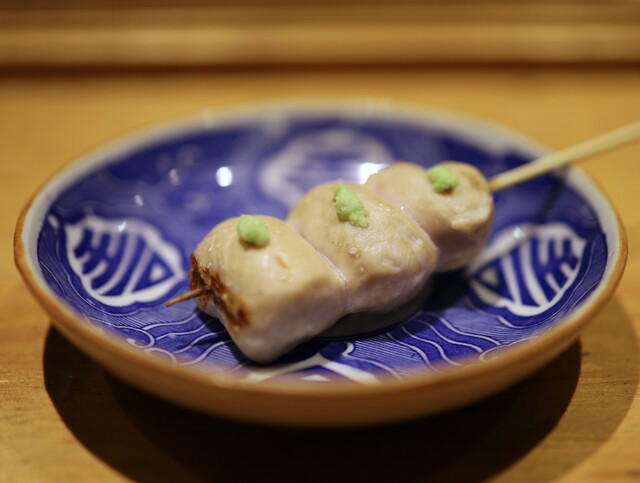
The menu
What to order
- Yakitori full course
- Yakitori half course
- Chicken sashimi
- Chicken liver pâté
Tokyo changes scale quickly after dark: streets narrow, room counts drop, and dinner becomes less about grand entrances than disciplined small counters. Here, yakitori is not its casual izakaya cousin; the grill is the organising principle. Yakitori Ogawa belongs to Tokyo’s tighter category, where timing, smoke management, drink pacing, and front-of-house restraint matter as much as the chicken.
The useful comparison is with counters that turn a limited format into a full evening. In Tokyo, Arakicho Tatsuya, の弥七, Yotsuya Minemura, Kan Coffee Fujifuji, and Gekko show how compressed dining rooms can carry serious intent without broader fine-dining ceremony. Yakitori Ogawa sits on the charcoal side of that conversation, with recognition in Tabelog’s Yakitori Hyakumeiten for 2025.
Charcoal, counter timing, and the small-room hierarchy of Tokyo yakitori
Serious Tokyo yakitori depends on sequence. A skewer counter cannot hide behind abundance; the meal rises or falls on how heat, fat, salt, smoke, and rest follow one another. A compact counter also puts cook, drinks, and service in the same field of attention, making coordination visible even when quiet. That team dynamic separates destination yakitori from a drink-led chicken shop: the grill sets tempo, the drinks program extends the meal, and the floor prevents the evening becoming a queue of skewers.
Yakitori Ogawa’s appeal sits in the way modern Tokyo yakitori increasingly competes with tasting-menu restaurants for the same diners. Drinks can extend the table language, but the core remains focused rather than diffuse. That range is not fusion; it reflects how serious yakitori has become more flexible. The question is no longer whether charcoal chicken can support a full night out, but how tightly the counter can control rhythm without rigidity.
Recognition gives context without overstatement. Tabelog’s Yakitori Hyakumeiten is category-specific, and Yakitori Ogawa’s 2025 listing places the restaurant within a relevant yakitori frame, not as a vague all-purpose recommendation. For diners comparing Tokyo counters, that matters more than broad acclaim: it means the restaurant is being considered within its craft category, where heat control, sourcing discipline, service pace, and repeat diner confidence carry weight.
Tokyo rewards restraint over theatre
Tokyo suits this style of eating. Its appeal is density rather than display: small bars, Japanese counters, and restaurants built for regulars and planned evenings. It can feel close to the city’s busiest dining currents while remaining a different register from high-volume, station-area meals. Where premium meals often announce themselves through architecture or ritual, this kind of Tokyo counter is built on compression: modest rooms, deliberate decisions, and attention kept close to the grill.
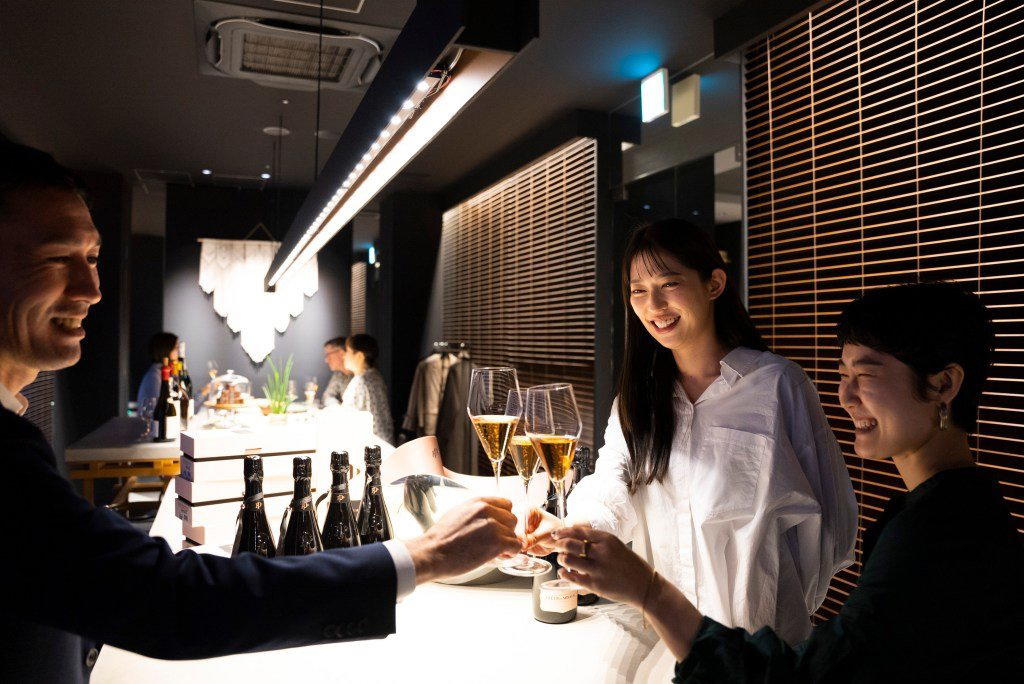
That explains why Yakitori Ogawa works as a specialist address rather than a general-purpose dinner recommendation. It is for diners who want a focused yakitori meal, not a sprawling Tokyo menu tour. The counter-led setup suits pairs and small groups comfortable with a paced evening, where service keeps the grill’s cadence aligned with conversation and drinks. Private-room theatre is not the appeal; proximity to the cooking, staff, and sequence is the point.
The price tier places the meal in a serious yakitori bracket. Tokyo still offers excellent casual skewers for far less, but premium counters ask diners to pay for curation, consistency, and a narrower margin for error. Against broader Japanese dining, Yotsuya Minemura and Gekko can be useful reference points for intimate Tokyo rooms with their own formats. These comparisons show how the city supports focused dining across Japanese counters and small-room formats without forcing them into one category.
How to read the evening before committing
For planning, the key signals are format and intent. Yakitori Ogawa is listed in the yakitori category, with a published dinner budget of JPY 15,000 - JPY 19,999 and no published lunch budget in the provided listing. The useful planning posture is to treat it as a focused Tokyo dinner rather than a casual drop-in, checking current booking and payment details directly before committing.
The restaurant’s current recognition and published score give a grounded way to read expectations without inflating them. Tabelog’s provided data lists Yakitori Ogawa with a 2025 Yakitori Hyakumeiten source and a score of 3.66. For travellers, that distinction matters: this is not for a last-minute, high-energy group dinner after shopping, but for a planned yakitori evening where counter, grill, drinks, and service team form the experience.
For broader Tokyo planning, place it within city-specific research rather than treating it as an isolated booking. EP Club’s Our full Tokyo restaurants guide gives the wider dining frame, while Our full Tokyo hotels guide, Our full Tokyo bars guide, Our full Tokyo wineries guide, and Our full Tokyo experiences guide help build the rest of the trip around the meal. Nearby or category-adjacent research can also run through other Tokyo dining rooms, cafés, and small-format counters.
Travellers extending the food itinerary beyond Tokyo can compare how focused formats change by city, using unnamed dining rooms and bars as reference points rather than assuming cuisine similarity. The through-line is not a shared genre label, but the value of choosing venues by format, scale, and service logic rather than broad categories alone.
Frequently asked questions
Is Yakitori Ogawa more mid-range or high-end?
Pricing at Yakitori Ogawa is listed as JPY 15,000 - JPY 19,999.
Is Yakitori Ogawa open every day?
Check Yakitori Ogawa’s current opening schedule directly before booking, as specific hours are not provided in the verified listing here.
Where is Yakitori Ogawa in Tokyo?
Tokyo.
What's Yakitori Ogawa best at?
Yakitori is the focus here. Its selection for Tabelog Yakitori Hyakumeiten 2025 gives it clear weight in Tokyo's yakitori scene.
Do they accommodate allergies at Yakitori Ogawa?
Guests with allergies should raise them before booking and be specific about ingredients. Early notice gives the restaurant more room to assess requests.
At a Glance
Comparable venues by cuisine and price in the same metro.
| Venue | Cuisine | Price | Awards | Notes |
|---|---|---|---|---|
| Yakitori OgawaThis venue (the venue you are viewing) | Yakitori | $50–100 | Tabelog 100 #41 | Not listed |
| Arakicho Tatsuya | Seasonal Kaiseki | $150–200 | Michelin Plate | Japanese |
| Yotsuya Minemura | Kappo Omakase with Soba | $300–500 | 1 Michelin Star | Japanese |
| Kan Coffee Fujifuji | Izakaya with Coffee | $30–50 | Michelin Plate | Izakaya |
| Gekko | Traditional Japanese Izakaya & Bar | Not listed | Tabelog 100 #35 | JPY 10,000 - JPY 14,999 View spending breakdown |
Recognition history
Dated appearances from independent guides and award organizations, with the underlying list record or original source where available.
Tabelog 100 #41 · No. 41
Tabelog · Tabelog 100 - Yakitori - EAST - 2025
Continue exploring
More in Tokyo
Restaurants in Tokyo
All restaurants in Tokyo →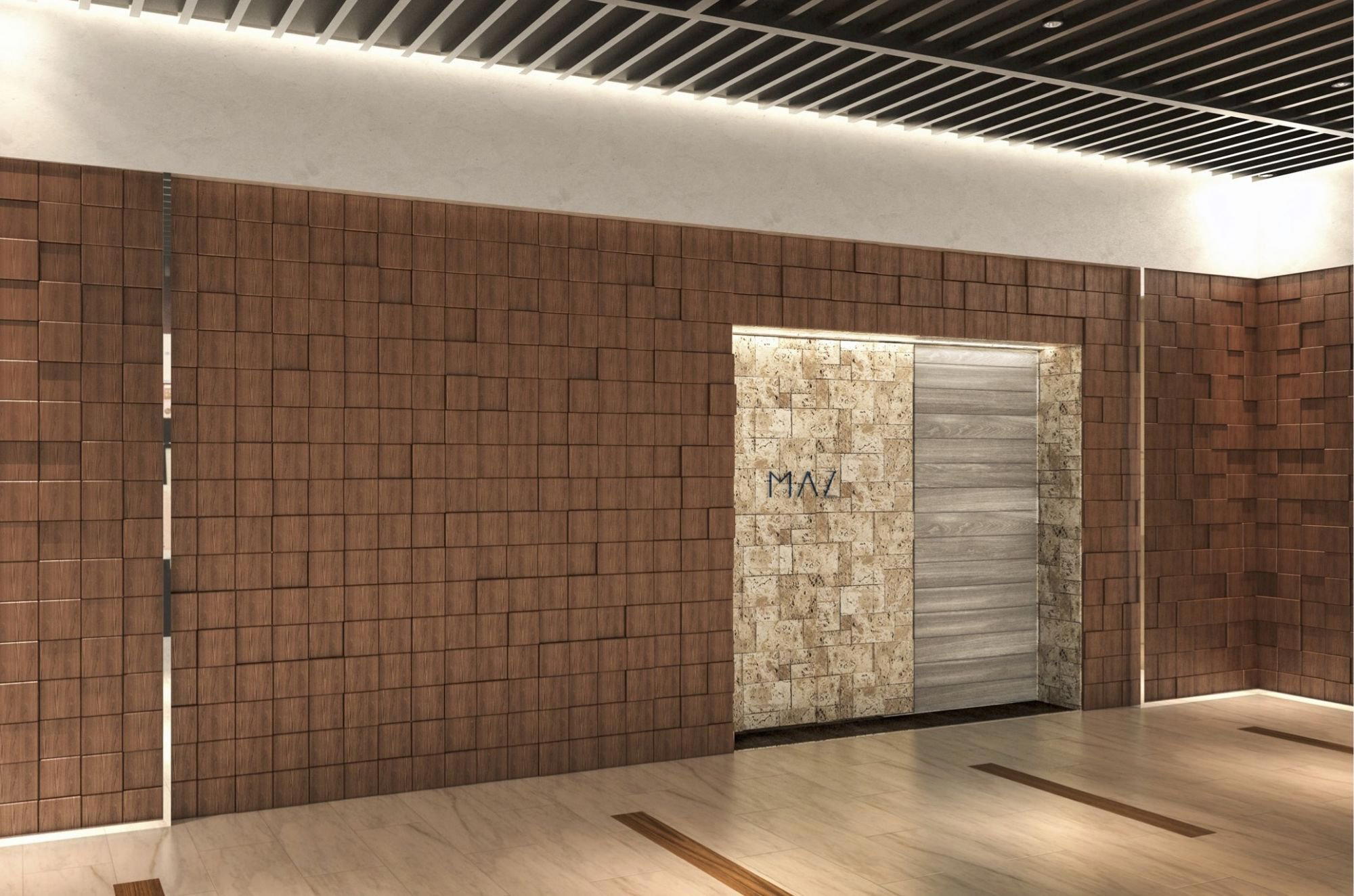




Bars in Tokyo
All bars in Tokyo →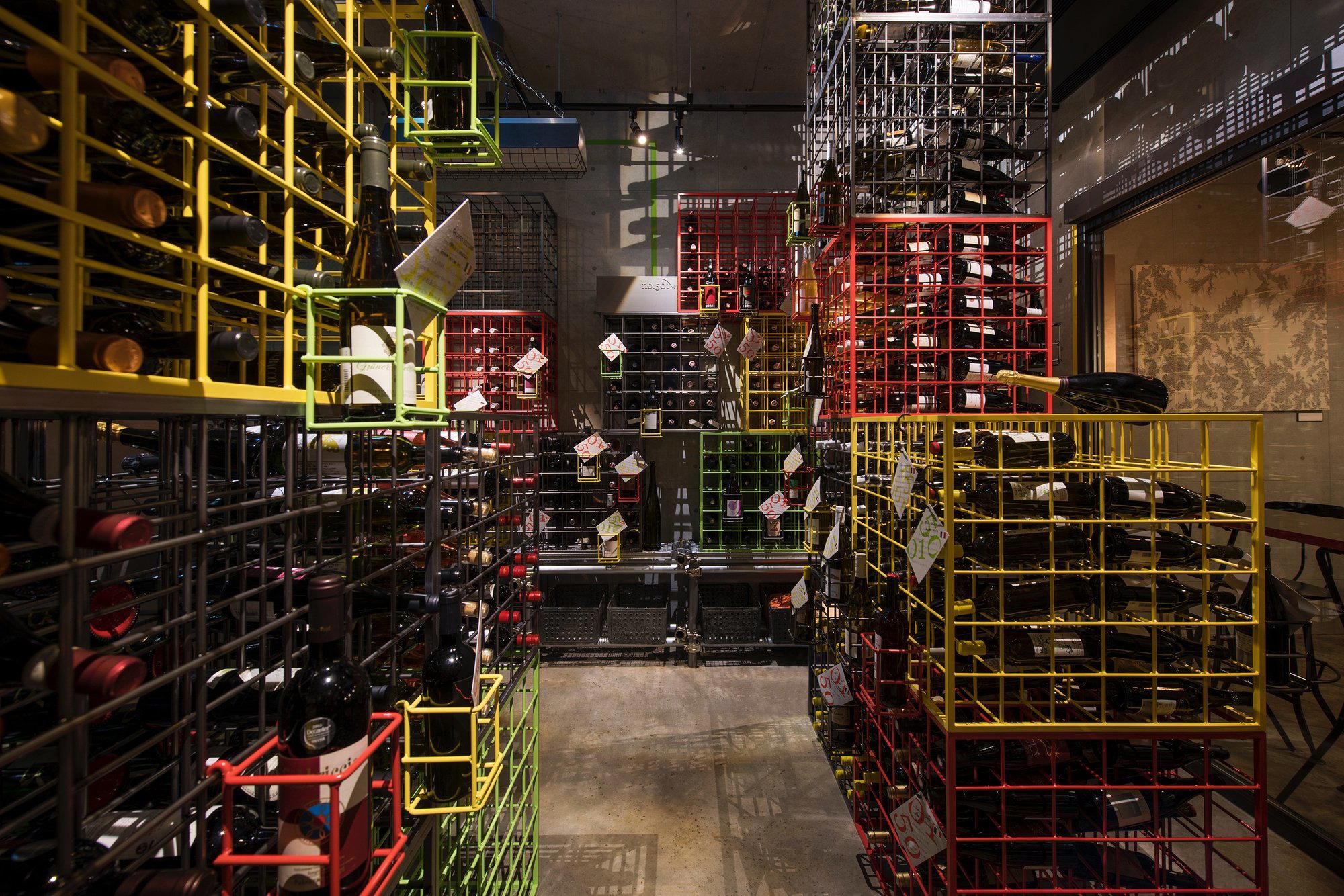



Details
- Cozy
- Intimate
- Classic
- Date Night
- Solo
- Special Occasion
- Casual Hangout
- Chefs Counter
- Standalone
- Sake Program
- Beer Program
- Local Sourcing
- Street Scene
- Set Menu
- Counter Dining
- Omakase
- Sake
- Wine
- Pescatarian Friendly
Current opening hours
- Monday
- Closed
- Tuesday
- 5–11 PM
- Wednesday
- 5–11 PM
- Thursday
- 5–11 PM
- Friday
- 5–11 PM
- Saturday
- 5–11 PM
- Sunday
- 5–10:30 PM
Hours can change for holidays and private events. Hours as of .
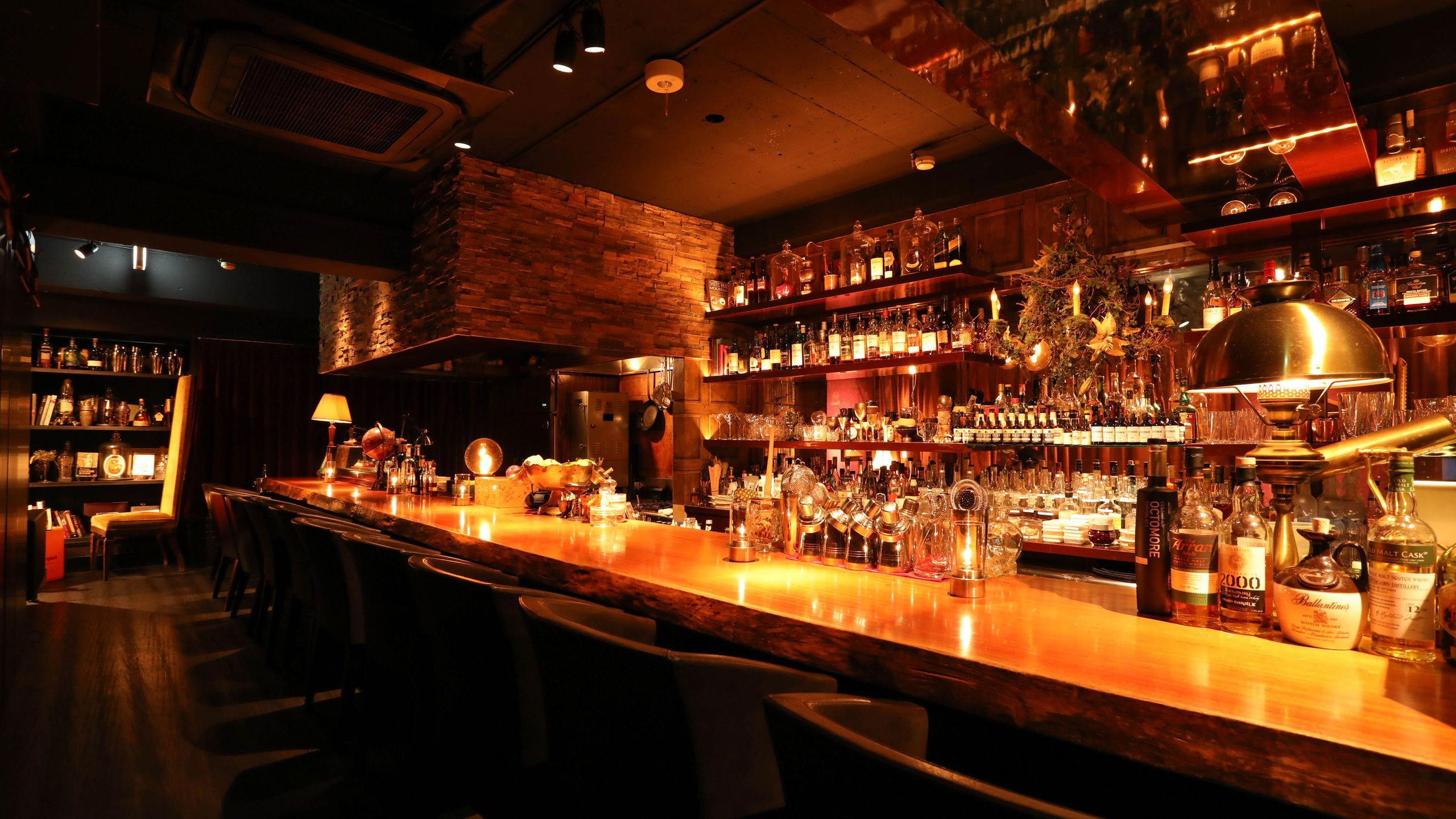
A quiet, tucked-away counter restaurant with an intimate backstreet feel and the live energy of skewers being grilled in front of guests.