
Morioka’s yakiniku culture is built for diners who care about provenance, heat control, and the difference between a casual grill night and a meat-focused counter meal. Yakiniku Segawa sits in the serious local bracket, with Tabelog 100 Yakiniku EAST selections in 2022, 2024, and 2025, an 18-seat format, and a price tier that signals a focused dinner rather than a quick stop.
Pearl is the En Primeur Club membership app — saves, bookings, and concierge access live there. Same editors, same standards.
- Address
- 岩手県盛岡市本町通1-16-33
- Phone
- +81196253337
- Website
- tabelog.com
 Saves & bookings on Pearl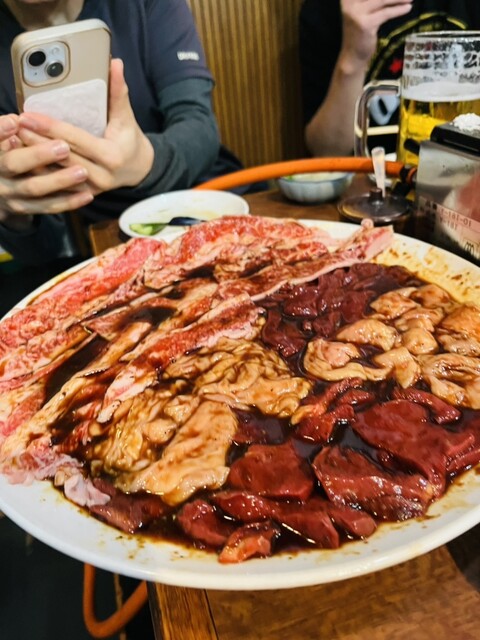
Honchōdōri is not Ginza theatre or Shinjuku neon compression; Morioka moves lower, which suits yakiniku. The pleasure is attention: cuts meant for the grill, smoke and heat folded into the meal, and a room small enough for the cooking format to shape the evening. Yakiniku Segawa belongs to a category that matters more in regional Japan than many visitors realise: the serious neighbourhood meat restaurant where sourcing, trimming, and timing carry the argument.
Yakiniku is often misread abroad as simply Japanese barbecue. In Japan, the better version is a negotiation between butcher, grill, and diner. The cut list tells only part of the story; thickness, fat distribution, offal handling, and grilling sequence can matter as much as seasoning. Morioka adds another layer: Iwate is cattle country, within a Tōhoku food culture shaped by cold winters, rice, dairy, beef, and preservation. Judge a yakiniku dinner here less by novelty than by whether the local meat economy becomes visible on the table.
A small grill room in Morioka's meat country
Yakiniku Segawa’s scale is part of its editorial relevance. The room has 18 seats, split between 10 counter seats and 8 seats on a raised platform, placing it closer to a specialist format than a group barbecue hall. That matters for meat: smaller rooms can move through stock with tighter control, and counter seating shifts the rhythm so the diner watches the grill, not courses from a distant kitchen. There are no private rooms, so the experience reads compact and social rather than secluded.
The menu category is precise: yakiniku, steak, and tripe. The last word is a useful signal. Offal is not garnish in yakiniku culture; it tests sourcing and preparation discipline. A restaurant that treats tripe as core speaks to diners who understand texture, freshness, and grilling margin. Steak brings another register, especially in a region where beef carries local weight, but the point is the same: the meal is built around cuts, not chef biography.
Recognition reinforces that position. Selection for Tabelog 100 Yakiniku EAST in 2025, with earlier selections in the yakiniku and grill categories in 2022 and 2024, places the restaurant in a regional field, not only a Morioka one. Tabelog’s eastern Japan lists are not Michelin-style star systems, but they help read specialist demand outside the dominant dining capitals. A 3.70 Tabelog score also signals sustained local attention, especially where regulars judge consistency over novelty.
Why the sourcing question matters more than luxury signals
Ingredient sourcing is the correct lens. Premium yakiniku does not need long tasting-menu vocabulary; it needs credible meat, clean handling, and a format that lets cuts behave differently over heat. In Morioka, the wider food scene already rewards specificity. Wanko soba at Azumaya Honten, everyday bread culture at Fukuda Pan Nagata chou honten, and seafood-led local eating at Aji no Mise Iwashi each argue for the city through ingredients and habit rather than decoration. Yakiniku belongs in that conversation when the meat program is serious.
The price band puts Yakiniku Segawa in a useful middle-high slot for Morioka: more committed than casual noodles or café meals, less ceremonial than destination kaiseki in larger cities. Within Morioka, Chikyuya Honchou honten operates at a much lower listed price bracket, while Kakashi Ya appears in a similar dinner band. That helps planning: this is not the city’s cheap-eats lane, but it is not priced like Tokyo’s luxury beef rooms.
Drink support follows Japanese grill grammar: sake, shochu, and wine are listed. That suits yakiniku because fat, char, and sauce respond to different pairings. Sake can soften salt and sweetness, shochu handles richer cuts without excess weight, and wine gives diners a familiar route into steak. The point is not encyclopedic beverage service, but enough range to keep a meat-led meal from monotony.
How to place it within a Morioka itinerary
Morioka rewards travellers who do not treat it as a single-dish city. Wanko soba may dominate the shorthand, but the better itinerary moves between daily institutions, specialist counters, and compact evening rooms. Golot and other small-format venues show the city’s restaurant culture at human scale, while a meat-focused dinner adds another register after noodles, seafood, or bakery stops. For the wider map, use Our full Morioka restaurants guide alongside Our full Morioka hotels guide, Our full Morioka bars guide, Our full Morioka wineries guide, and Our full Morioka experiences guide.
The practical read is simple: go when the evening can revolve around grilled beef, not as an add-on between stops. The restaurant accepts reservations, operates in a small-seat format, and sits near Kami-Morioka Station, with parking listed for diners arriving by car. Smoking is allowed, a deciding factor for some travellers and irrelevant to others; treat it as part of the room’s old-school yakiniku character rather than a footnote.
Within Japan’s broader meat culture, Yakiniku Segawa is a regional specialist, not a luxury trophy. That distinction is the appeal. Travellers seeking chef-led storytelling or a choreographed tasting menu should look elsewhere. Diners interested in how Tōhoku beef culture, compact service, and grill-at-the-table dining intersect in Morioka will find a clearer argument here than in many bigger-city rooms with louder design.
For broader Japan planning, compare how beef and grill formats shift by region: -Grilled beef Sukiyaki- KAMAKURA TANUKIAN 鎌倉 たぬき庵 in Kamakura points toward sukiyaki structure,. 鮪と炭火焼き うお炭 秋葉原店 in Tokyo toward urban charcoal dining,.cafe in Osaka toward café pacing,.know in Kumamoto toward Kyushu dining culture, (Shoku) Vietnam in Kawasaki toward immigrant-influenced casual eating, and [Curry Senmon Ten] Maruyama Kyoju. in Sapporo toward Hokkaido’s everyday specialist scene. Overseas Japanese drinking and rice-focused formats, such as Jōdo Saké Bar in Los Angeles and Onigiri Time in Pasadena, underline the same principle: narrow formats often explain a food culture more clearly than sprawling menus.
In Context: Similar Options
Comparable venues by cuisine and price in the same metro.
| Venue | Cuisine | Price | Awards | Notes |
|---|---|---|---|---|
| Yakiniku SegawaThis venue — the venue you are viewing | Traditional Yakiniku & Wagyu Steak | $$$ | , | |
| Shokudoen | Yakiniku with Morioka Reimen | $$ | , | Odori |
| Seirokaku | Yakiniku & Morioka Reimen | $$ | , | Moriokaekimaedori |
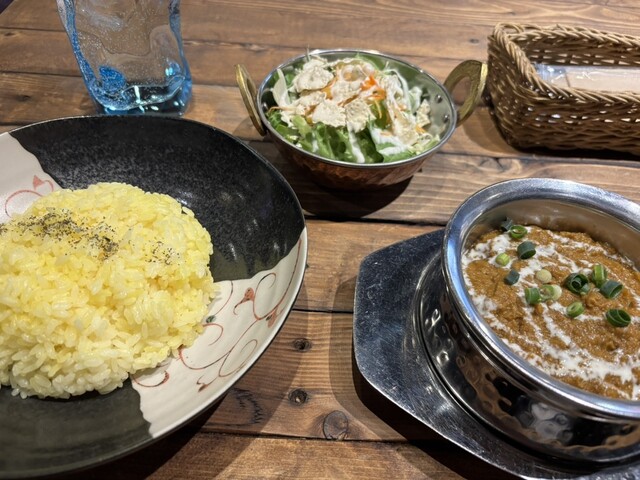
| Chikyuya Honchou honten | Indian curry house in Morioka | $ | , | Morioka |
| 東家 本店 | 盛岡わんこそばの老舗 | $$ | , | 中ノ橋通 |
| 元祖平壌冷麺 食道園 | Morioka Cold Noodles (Pyongyang-style Reimen) | $ | , | Morioka Central (Odori) |
At a Glance
- Hidden Gem
- Cozy
- Classic
- Intimate
- Date Night
- Solo
- Casual Hangout
- Special Occasion
- Chefs Counter
- Standalone
- Sake Program
Small, nostalgic Showa-era house-restaurant with counter and tatami seating, creating a cozy, intimate hideout feel focused on the aroma and spectacle of meat grilling over the fire.