
Yakiniku Hachina places Nara’s table-grill culture in a practical, ingredient-led frame: beef, tripe, Korean-influenced sides, and drinks built for charcoal cooking rather than ceremony. Its selection for Tabelog’s Yakiniku WEST 100 in 2025 gives it a clear quality signal in a region where everyday yakiniku and serious meat sourcing often share the same format.
Pearl is the En Primeur Club membership app — saves, bookings, and concierge access live there. Same editors, same standards.
- Address
- 奈良県奈良市横井1-713-1
- Phone
- +81742619902
- Website
- tabelog.com
 Saves & bookings on Pearl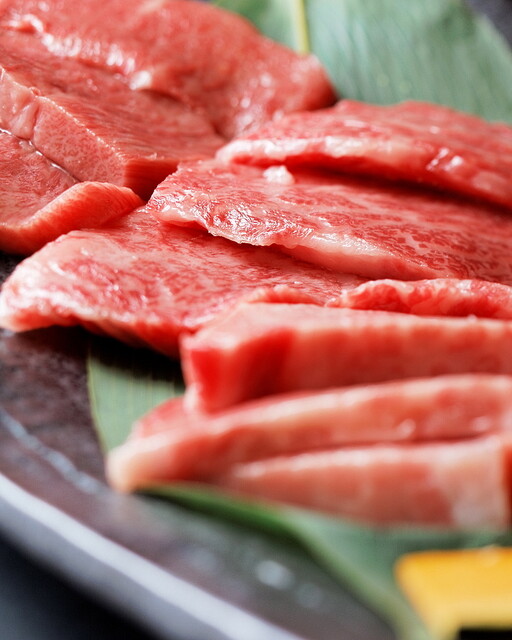
Approaching a suburban yakiniku room in Yokoi is a different proposition from entering a temple-adjacent kaiseki counter or a station-front ramen shop. The grammar is louder and more communal: table grills, platters designed for sharing, and the steady rhythm of diners managing heat themselves. That matters in Nara, where serious eating is often discussed through refinement and seasonality; yakiniku asks a sharper question about sourcing, trimming, cut selection, and how much trust a kitchen gives the table.
Yakiniku Hachina belongs to that second conversation. Its public category set is direct: yakiniku, tripe, and Korean cooking. That combination says more than a generic beef-house label. In western Japan, yakiniku culture has long absorbed Korean technique, offal appreciation, tare seasoning, rice, soup, and drinking habits into a format that can feel casual while relying on highly specific procurement. The point is not only the beef brand on a menu, but the way a restaurant handles less forgiving cuts, balancing fat, chew, smoke, salt, and sauce across a meal.
Yakiniku in Nara is judged by sourcing, not spectacle
Nara’s dining identity is often pulled toward heritage foodways, tea, sweets, and the formal calm of old capital tourism. Yakiniku sits outside that postcard frame, which is exactly why it can be revealing. A good grill table compresses several decisions into one service: which cuts are bought, how offal is cleaned and portioned, whether seasoning obscures or clarifies the meat, and whether the drinks list understands smoke and fat. Here, the listed drinks move across sake, shochu, and wine, a pragmatic spread for a meal that can swing from lean beef to richer tripe.
The strongest trust signal is external rather than decorative: selection for Tabelog 100 - Yakiniku - WEST - 2025, with earlier selections in 2023 and 2022 also listed. Tabelog’s Hyakumeiten lists are not Michelin-style inspections, but in Japan they carry weight because they reflect a crowded, opinionated domestic restaurant culture. For yakiniku, the WEST scope is especially competitive, taking in Kansai and surrounding regions where beef culture has deep roots and diners are exacting about value.
Within the comparison set available around Nara, the contrast is useful. Menya Eguchi, Gamushara Nara, and Men Shokudo 88 sit in the ramen lane; Noto Toto Teuchisoba Tabiki is soba; Ristorante L'incontro occupies Italian dining. Yakiniku Hachina answers a different need: a meat-led table built around shared cooking rather than a single bowl, noodle craft, or composed courses. That distinction matters when choosing where a meal should sit in an itinerary. This is not the same tempo as a quick lunch counter; it is a group-table format where ordering strategy and appetite shape the evening.
The meal works when the table takes responsibility
Yakiniku is sometimes misread by travelers as a simple barbecue category. It is more precise than that. The kitchen controls sourcing, but the diner controls the last seconds of cooking. That makes the format revealing and unforgiving. Thin cuts punish distraction; fattier pieces demand patience; offal rewards diners who understand texture rather than defaulting to tenderness as the only measure of quality. A room focused on beef and tripe is therefore making an editorial argument of its own: the full animal belongs in the meal, not only the prestige cuts.
The presence of Korean categories alongside yakiniku points to the tradition’s real lineage rather than a sanitized version of it. Across Japan, yakiniku developed through postwar Korean and Japanese exchange, with table grilling, sauces, kimchi, soups, and rice forming a shared dining language. In Nara, that format gives visitors a useful counterpoint to temple-district restraint. It is a more social, less choreographed way to eat, and its quality is measured through consistency across cuts rather than through a single photogenic plate.
For readers mapping a broader Japan route, the category also connects to other ingredient-specific decisions across the country. A beef-focused stop such as -Grilled beef Sukiyaki- KAMAKURA TANUKIAN 鎌倉 たぬき庵 in Kamakura frames meat through sukiyaki, while #肉といえば松田 奈良本店 in Kashihara keeps the conversation close to Nara. The broader national spread runs from seafood and charcoal at . 鮪と炭火焼き うお炭 秋葉原店 in Tokyo to minimalist cafe culture at .cafe in Osaka, regional dining at .know in Kumamoto, and casual specialists such as (Shoku) Vietnam in Kawasaki, [Curry Senmon Ten] Maruyama Kyoju. in Sapporo, [ki:] in Kyoto, 1/3 HAMBURGER FACTORY in Kanazawa, 1000 in Yokohama, and 1000mヒュッテ 1000m Hut in Kutchan. Outside Japan, Jōdo Saké Bar in Los Angeles and Onigiri Time in Pasadena show how Japanese formats change when translated abroad.
How it fits a Yokoi dining plan
The practical appeal is that the format suits groups without reducing the meal to compromise. Children are welcome, private rooms are not part of the setup, and the seating mix includes tables and tatami-style areas, so the room reads as social rather than hushed. That makes it more flexible than counter-led formats, but less anonymous than a chain grill room. The non-smoking policy also matters for diners who want the smoke to come from the grill, not the next table.
For an itinerary, place this meal where appetite can do the work. Yakiniku is poorly served by over-scheduling: the pleasure comes from pacing cuts, adding rice or soup as needed, and letting drinks follow the grill rather than treating the meal as a stop between attractions. The location near Obitoke puts it outside the densest tourist flow of central Nara, which gives the restaurant a more local-use character than places built around passing foot traffic.
Use the city guides to plan around it rather than forcing every category into one day: Our full yokoi restaurants guide covers the dining frame, while Our full yokoi hotels guide, Our full yokoi bars guide, Our full yokoi wineries guide, and Our full yokoi experiences guide help set the rest of the route. The case for Yakiniku Hachina is clear: it gives Nara a meat-led, ingredient-sensitive meal with enough recognition to merit attention and enough everyday utility to avoid feeling staged for travelers.
Comparable Spots, Quickly
Comparable venues by cuisine and price in the same metro.
| Venue | Cuisine | Price | Notes |
|---|---|---|---|
| Yakiniku HachinaThis venue — the venue you are viewing | Japanese Yakiniku BBQ | $$ | Not listed |
| りんすけ | 南予郷土料理 たいめし | $$ | 内子町内子 |
| Tengoku | Retro Japanese Cafe | $$ | Asakusa |
| れんが屋 | Yakushima Yakiniku with Jomon Beef & Venison | $$ | Anbo |
| Cafe Salon Nakaoku | Japanese Comfort Cafe | $$ | Honmura |
| Kuroyuri (黒百合) | Traditional Kanazawa Oden Izakaya | $$ | Kanazawa Station |
Recognition history
Dated appearances from independent guides and award organizations, with the underlying list record or original source where available.
Tabelog 100 #28 · No. 28
Tabelog · Tabelog 100 - Yakiniku - WEST - 2025
Continue exploring
More in yokoi
Restaurants in yokoi
Browse all →




Bars in yokoi
Browse all →


Hotels in yokoi
Browse all →



Wineries in yokoi
Browse all →
At a Glance
- Classic
- Cozy
- Family
- Group Dining
- Casual Hangout
- Standalone
- Sake Program
- Beer Program
A relaxed, family-friendly yakiniku restaurant with spacious seating, tatami areas, and a comfortable non-smoking dining room suited to casual group meals.