
Michelin Plate
Our verdict
Lin Ju occupies a refined room within Illume Taipei, bringing Hong Kong Cantonese tradition to Da'an District through season-driven cooking and premium dried seafood. The veteran chef, now in his 70s, works two customisable menus around ingredients that shift with the calendar. this is a table that rewards planning.

Pearl is the En Primeur Club membership app, where members save venues, book tables and use the concierge.
The menu
What to order
- Barbecue Iberico Pork
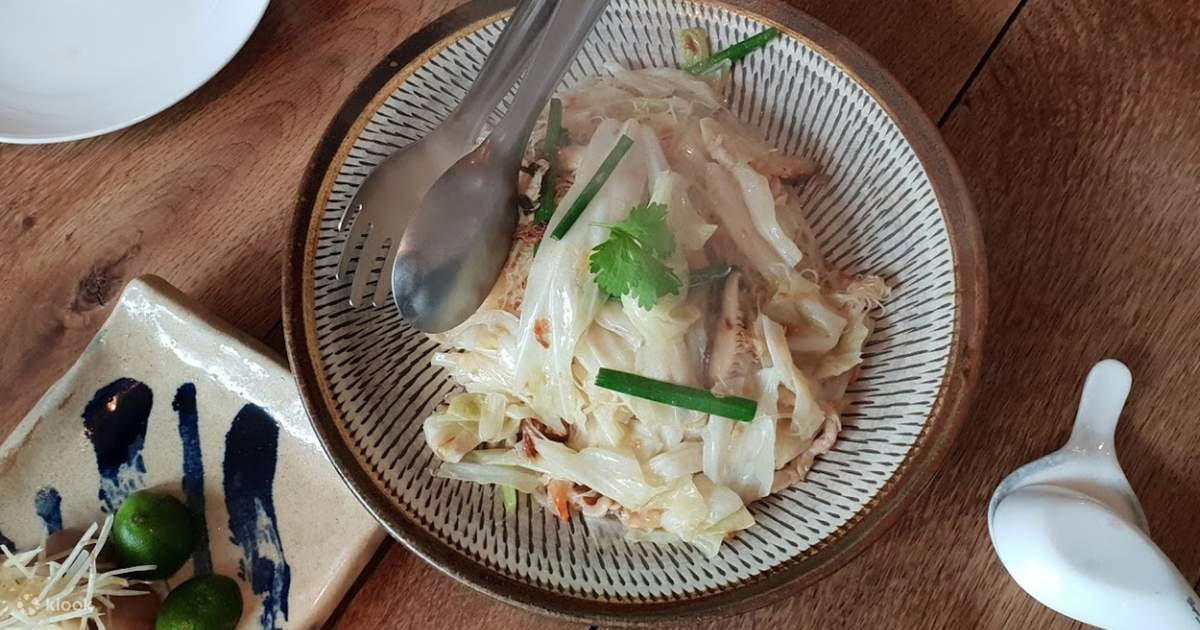
- Stewed Crab with Abalone and Shiitake Mushroom
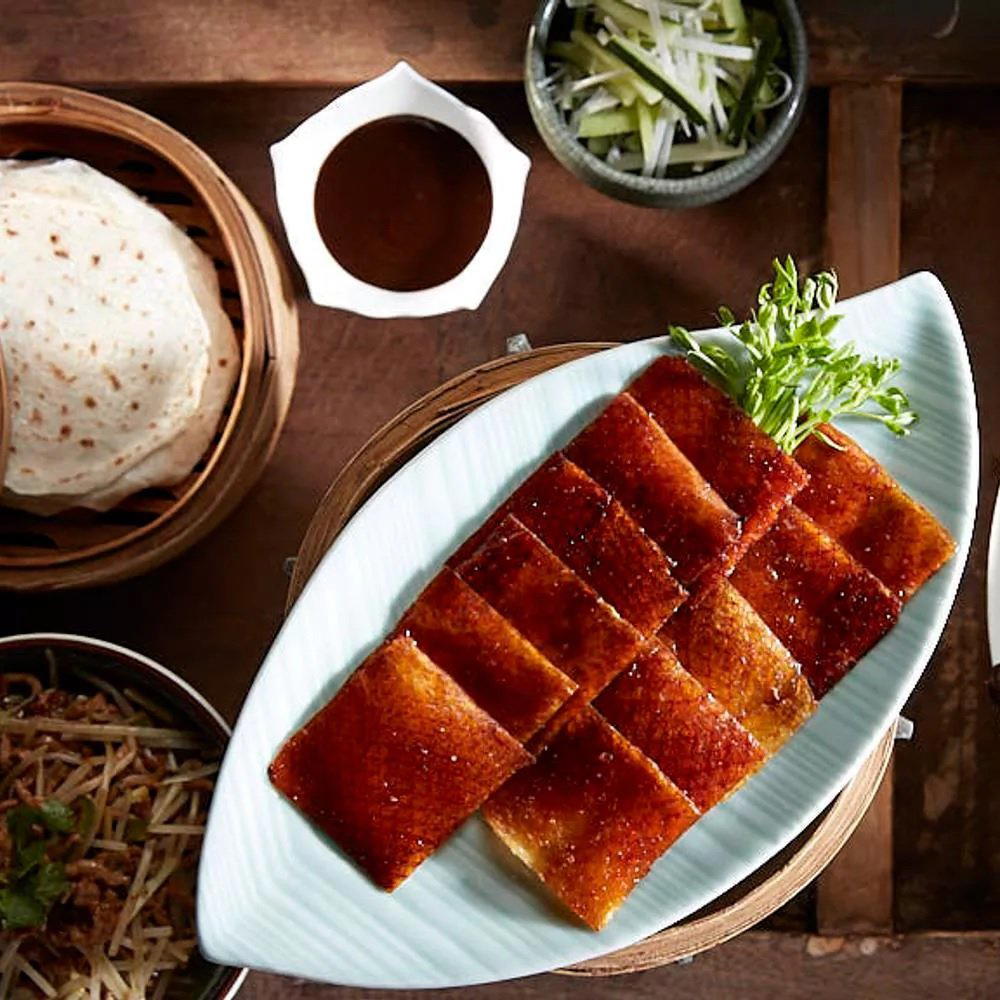
- Roasted Duck Served in Sliced and Roll
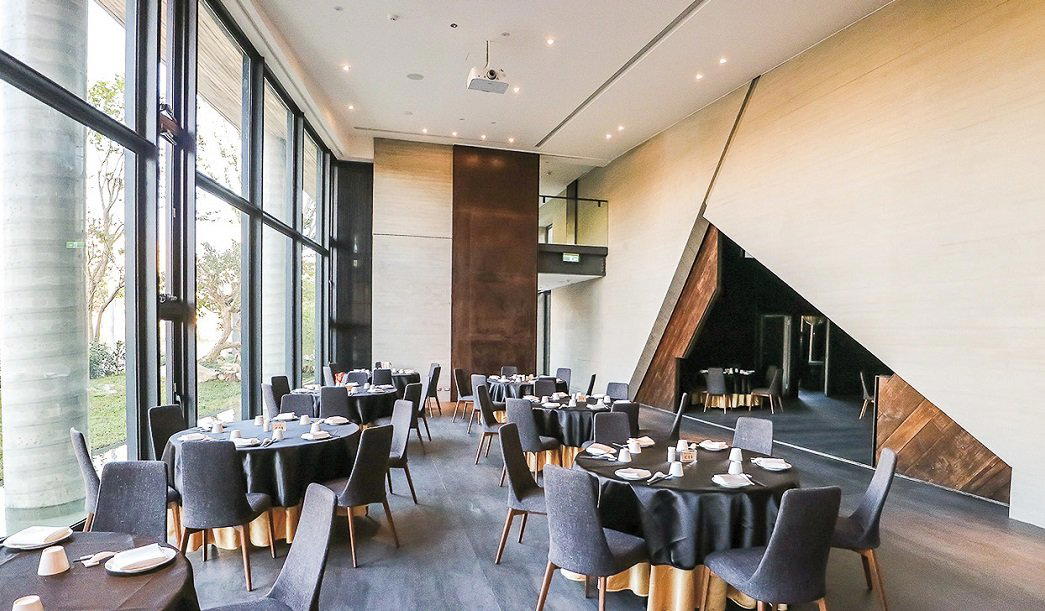
A Room That Sets Expectations Before the First Course
Da'an District positions Lin Ju well before any dish arrives. The neighbourhood around Section 4 of Ren'ai Road carries a particular register in Taipei dining: quieter than Zhongshan's gallery strip, less tourist-facing than the old lanes of Dadaocheng, and consistently home to restaurants whose primary audience is the city's own professional and business class. Within that context, Illume Taipei provides a setting that signals occasion dining from the lobby upward. Lin Ju occupies that building's upper-tier dining position, and the room reflects it: understated materials, controlled light, the kind of space designed to disappear behind a conversation rather than compete with it.
That restraint is not incidental. In Taipei's premium Cantonese tier, where Le Palais anchors the Michelin-starred end and Ya Ge holds its own position in the Grand Hotel's more formal register, Lin Ju operates with a different kind of authority: the quiet confidence of a Hong Kong lineage kitchen that doesn't need to announce itself. The room is designed for the lunch where you close something important, or the dinner where you mark something that matters.
Cantonese Cooking in a City That Takes It Seriously
Taipei has a longer and more specific relationship with Cantonese cuisine than many outside Taiwan appreciate. The post-war migration of Cantonese chefs and families created a dining culture that, at its upper tier, holds Hong Kong technique to genuine account rather than accepting a diluted version. That scrutiny matters when assessing where Lin Ju sits. The kitchen is led by a veteran Hong Kong chef in his 70s, whose career represents a lineage of practice that is increasingly rare even in Hong Kong itself. His specialism in season-driven dishes and dried seafood places him in a culinary tradition that requires years to execute credibly: the sourcing of quality abalone, shark's fin alternatives, fish maw, and sea cucumber; the patient rehydration and braising that transforms dried ingredients into dishes of depth. This is not the kind of cooking that can be approximated by a younger kitchen without the accumulated judgement behind it.
Across the Taiwan dining scene, that depth of Cantonese tradition appears at different registers. JL Studio in Taichung works at the intersection of Singaporean-Chinese heritage and contemporary fine dining. Longyue takes a different angle on Chinese culinary tradition within Taipei itself. But the practitioner-led, ingredient-obsessed format of Lin Ju connects more directly to the Hong Kong and Macau Cantonese houses: Forum in Hong Kong, Chef Tam's Seasons in Macau, and 102 House in Shanghai each occupy equivalent positions in their cities. Lin Ju belongs to that peer conversation, transplanted to Taipei.
The Occasion Case: Why This Table Works for Milestone Meals
Taipei's $$$$-tier restaurant list has grown considerably over the past decade, but the occasions that warrant that spend tend to cluster around specific formats. Modern European tasting menus, like those at logy or Taïrroir, offer narrative and spectacle alongside technical precision. They work well when the dinner itself is the event. Lin Ju functions differently. Here, the meal is the frame for something else: the business dinner where trust is being built across a table, the birthday where the guest of honour wants substance over theatre, the family gathering where generational respect is expressed through the quality of what's ordered.
Cantonese cuisine carries social weight in Chinese dining culture that few other traditions match. The choice of premium dried seafood, the way a whole fish is divided at table, the decision to order a particular braised preparation: these gestures communicate care and consideration in ways that a tasting menu's fixed format cannot replicate. At Lin Ju, two customisable menus allow hosts to shape the meal toward their occasion rather than accept a predetermined sequence. That flexibility is itself a meaningful signal to guests who understand what it represents.
The baked crab shell stuffed with crabmeat, roe and cheese is the most-noted dish in the public record, carrying the deep umami that comes from combining high-quality crab with the salt and fat of aged roe. It functions well as a set-piece within a longer meal, the kind of dish that marks a moment in a progression rather than simply being plated and passed.
Seasonal Timing and What It Changes
The season-driven emphasis of the kitchen means that the calendar genuinely matters here. Cantonese cooking's relationship with seasonality is not the same as European cuisine's: the logic runs through particular ingredients becoming available, through the lunar calendar's influence on festive demand, and through the chef's accumulated sense of when a specific ingredient is at its most useful. Visiting in the autumn and winter months typically brings the richest expression of dried seafood cooking, when colder temperatures align with the culinary tradition's preference for more substantial, braised preparations. Spring shifts the kitchen toward lighter approaches. The menu you experience in February will differ meaningfully from the one in October, and that difference is worth factoring into when you book, not just whether you book.
For the significant occasions that warrant the planning, that seasonal variation adds a dimension that fixed menus cannot offer. A table at Lin Ju reserved for a winter anniversary dinner occupies a different culinary moment than the same table in summer, and a host who knows that can calibrate expectations accordingly.
Booking and Planning
Lin Ju requires a minimum of three days' advance booking, a policy that functions as both logistical necessity and quality signal: the customisable menu format means the kitchen needs preparation time, and the premium ingredient sourcing does not lend itself to walk-in volumes. In practice, for occasion dining at this level in Taipei, three days is a floor rather than a guide. Tables for larger groups or specific dates around Lunar New Year, Mid-Autumn Festival, or key business calendar periods move significantly faster. Anyone planning a milestone meal here should be thinking two to three weeks ahead at minimum, and further for peak festive windows.
The address is in Da'an District, accessible from the main Ren'ai Road corridor. Illume Taipei provides the surrounding hotel infrastructure, which matters for guests travelling from outside the city or entertaining visitors who may be staying nearby.
For broader context on where this table sits within Taipei's dining options, our full Taipei restaurants guide maps the city's current range. Those extending a trip beyond the capital will find relevant reference points in our full Taipei hotels guide, bars guide, and experiences guide, as well as destination profiles for dining elsewhere in Taiwan including Akame in Wutai Township, GEN in Kaohsiung, and A Cun Beef Soup on Baoan Road in Tainan. For those with an interest in the broader Taiwanese fine dining context, JUNTO and 85TD offer different angles on where Taipei's restaurant scene is currently pointed. The Volando Urai Spring Spa and Resort in Wulai District provides a contrast in setting and format for those whose occasion extends beyond the city. And for Cantonese dining comparison elsewhere in the region, our full Taipei wineries guide offers additional context on what Taipei's premium hospitality circuit looks like taken as a whole.
Frequently asked questions
at Lin Ju?
What's the ideal way to book Lin Ju?
Same-City Peers
A quick snapshot of similar venues for side-by-side context.
| Venue | Cuisine | Price | Awards | Notes |
|---|---|---|---|---|
| Lin JuThis venue (the venue you are viewing) | Refined Cantonese Private Kitchen | $100–150 | Michelin Plate | Not listed |
| logy | Modern Japanese-Taiwanese Fusion Omakase | $100–150 | 2 Michelin Stars · World's 50 Best #22 | Modern European, Asian Contemporary |
| Le Palais | Fine Dining Cantonese | $150–200 | 3 Michelin Stars · La Liste Top Restaurants | Cantonese |
| Taïrroir | Taiwanese-French Fusion Fine Dining | $150–200 | 3 Michelin Stars · La Liste Top Restaurants | Taiwanese/French, Taiwanese contemporary |
| Mudan Tempura | Michelin-Starred Tempura | Not listed | 2 Michelin Stars · La Liste Top Restaurants | Tempura |
| de nuit | Contemporary French | $150–200 | 1 Michelin Star · Star Wine List | French Contemporary |
Recognition history
Dated appearances from independent guides and award organizations, with the underlying list record or original source where available.
Michelin Plate
Michelin
Full recognition history (4 entries)
Michelin Plate
Michelin
Michelin Plate
Michelin
Michelin Plate
Michelin
Continue exploring
More in Taipei
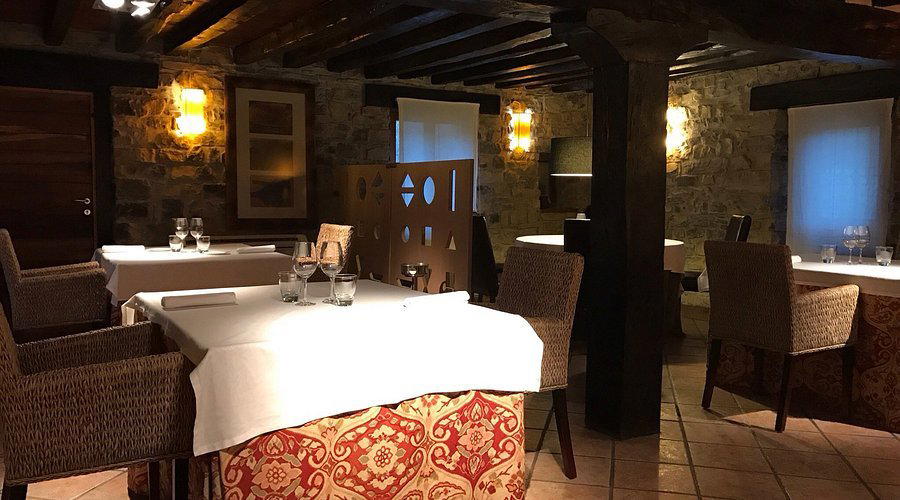
Restaurants in Taipei
All restaurants in Taipei →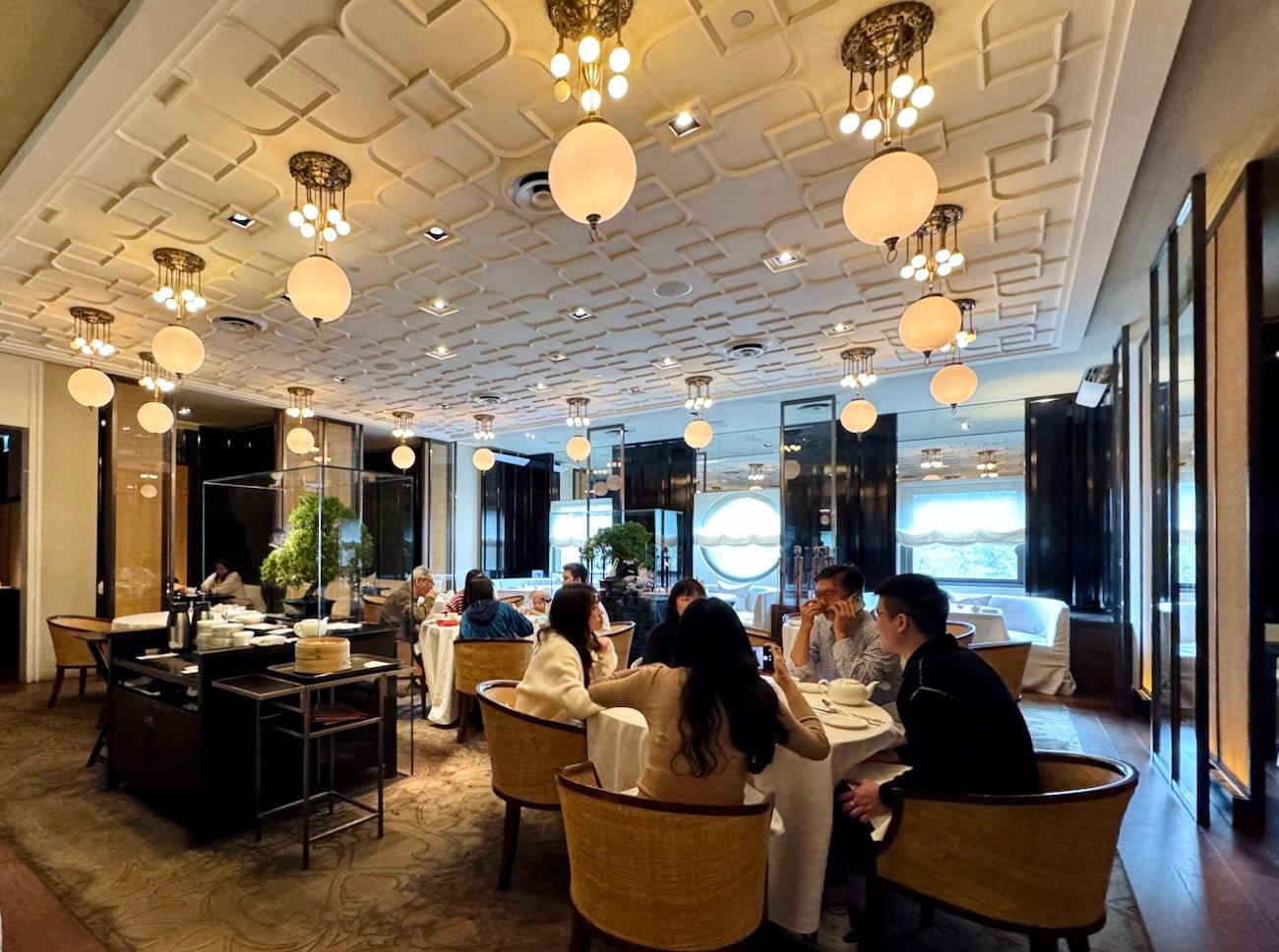
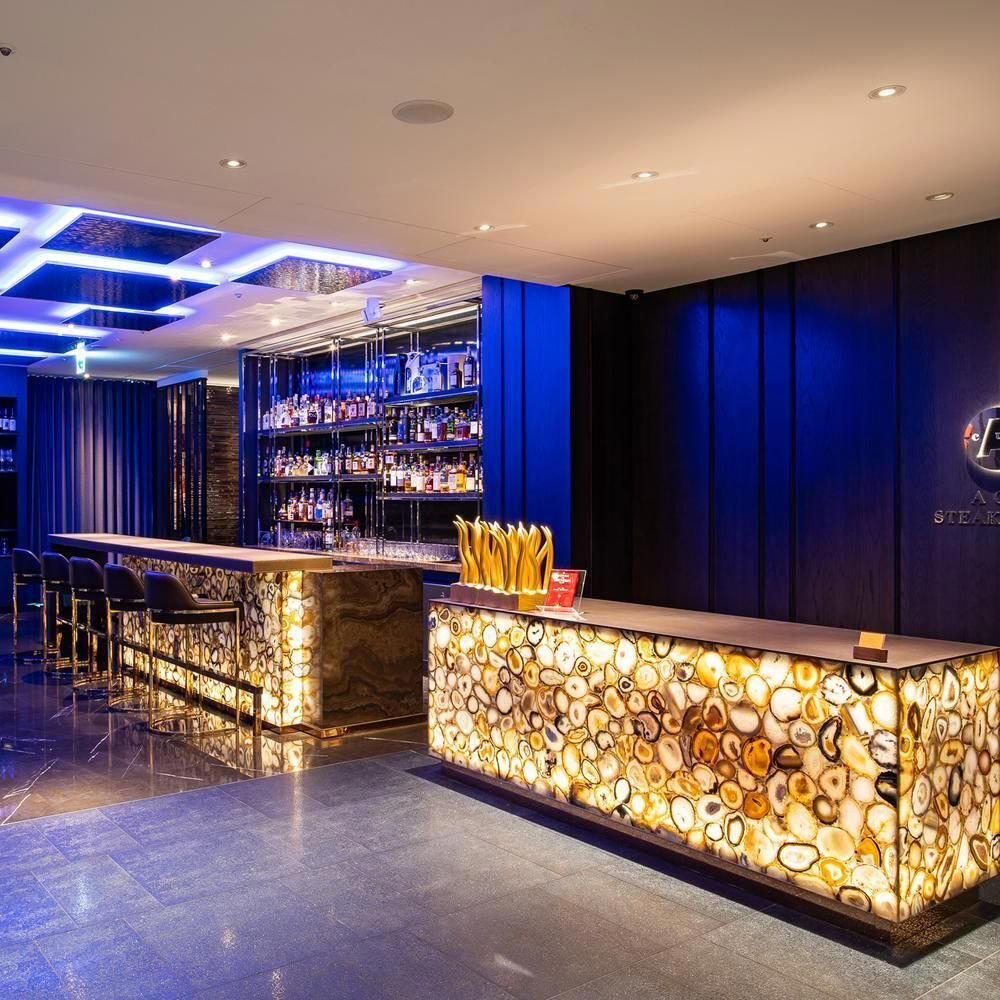
Bars in Taipei
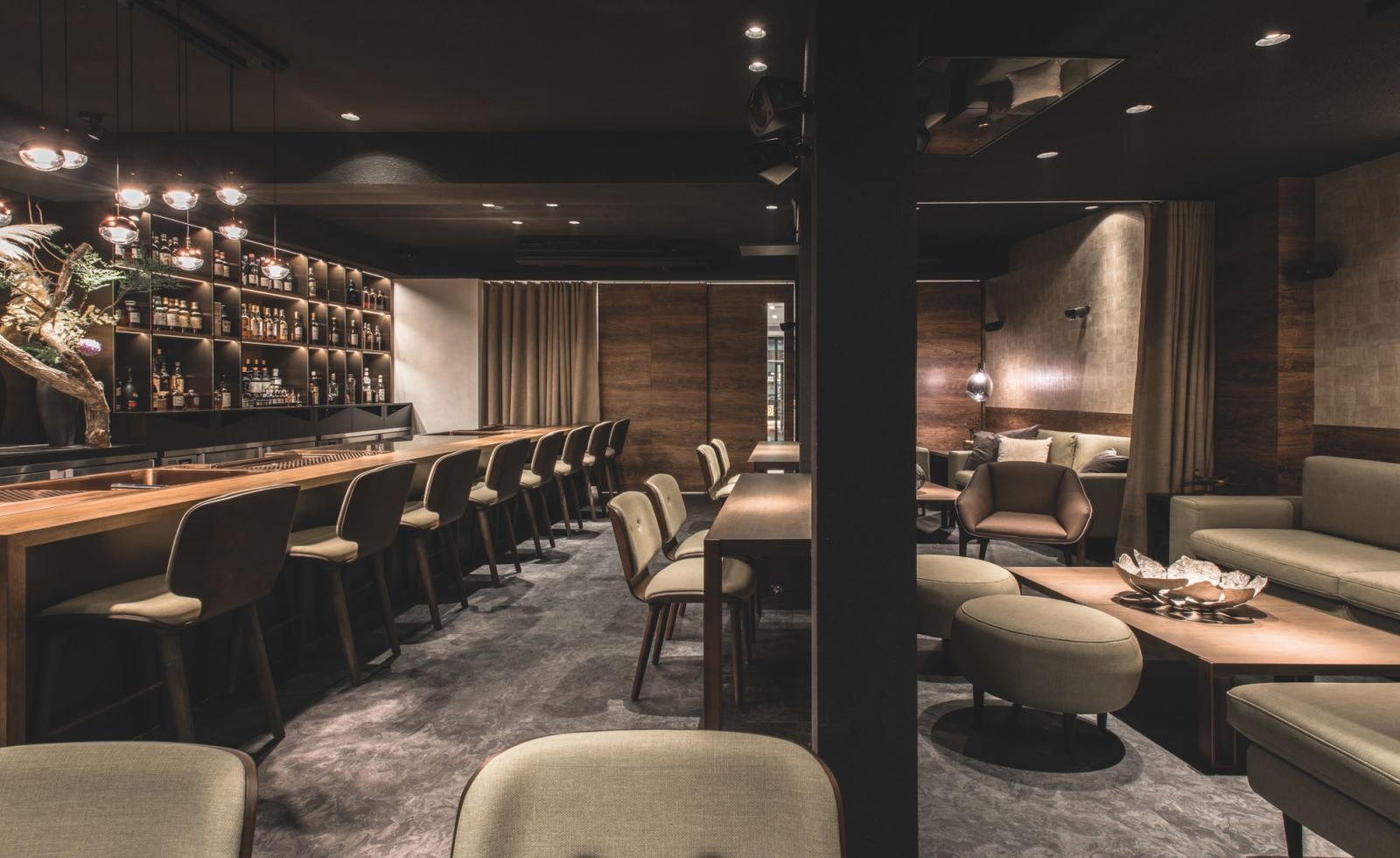
All bars in Taipei →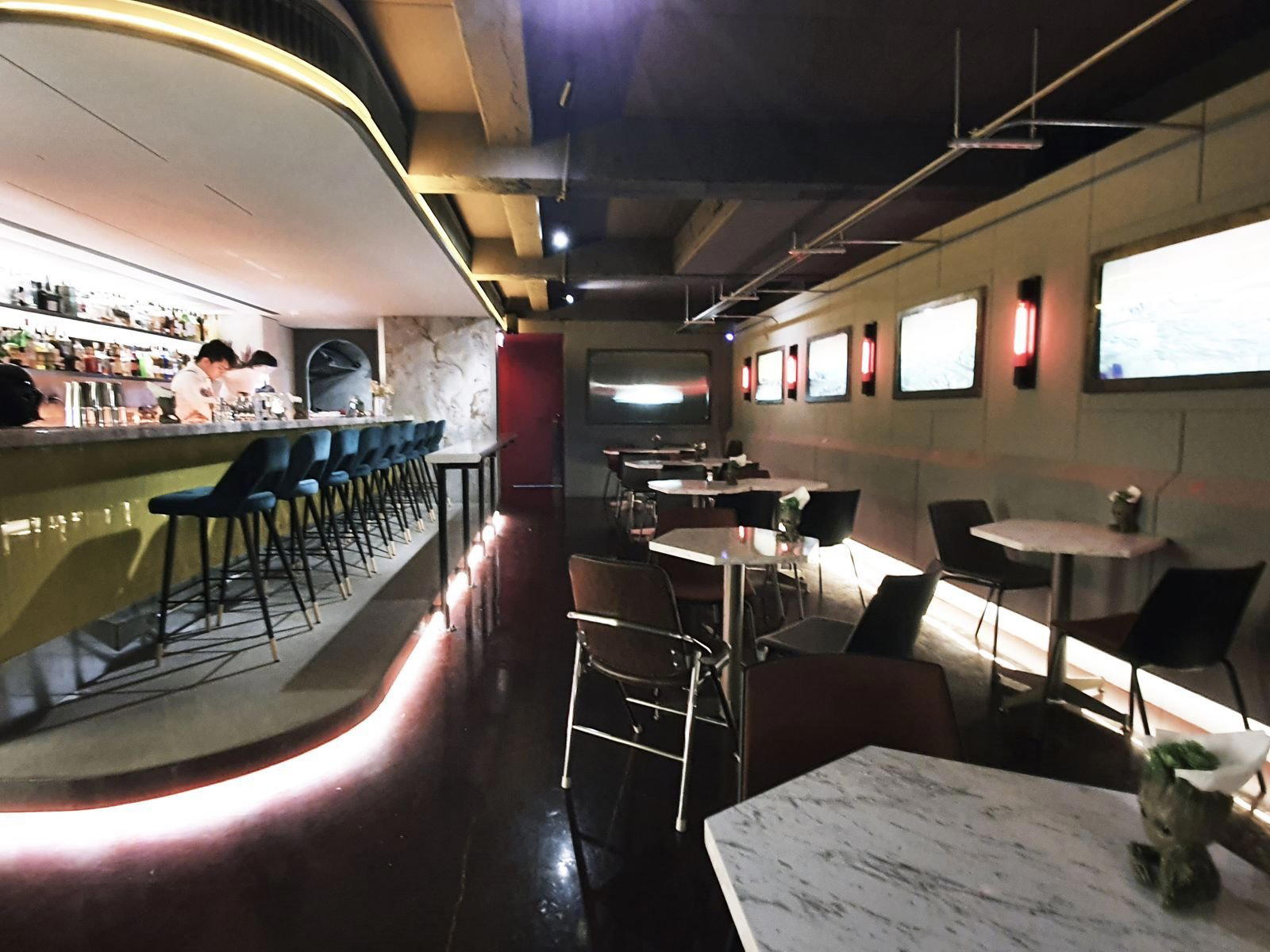
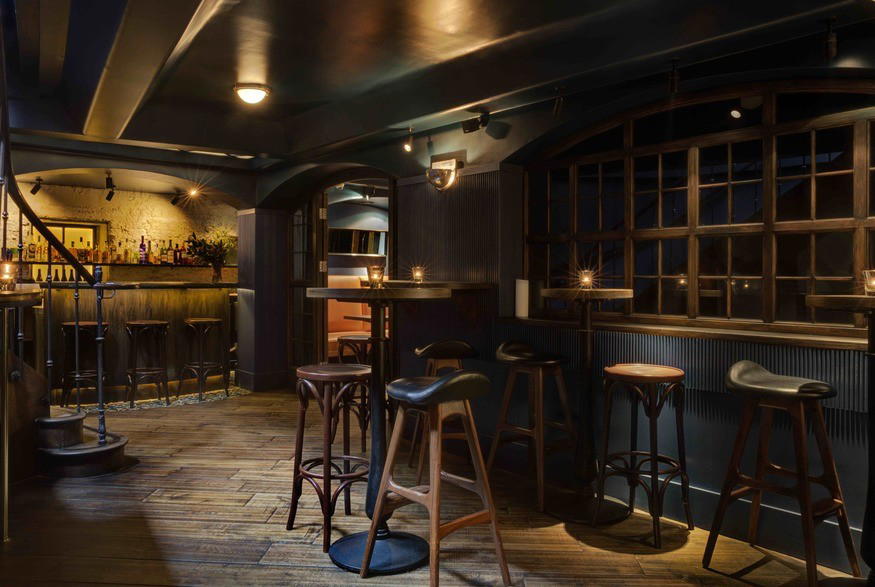
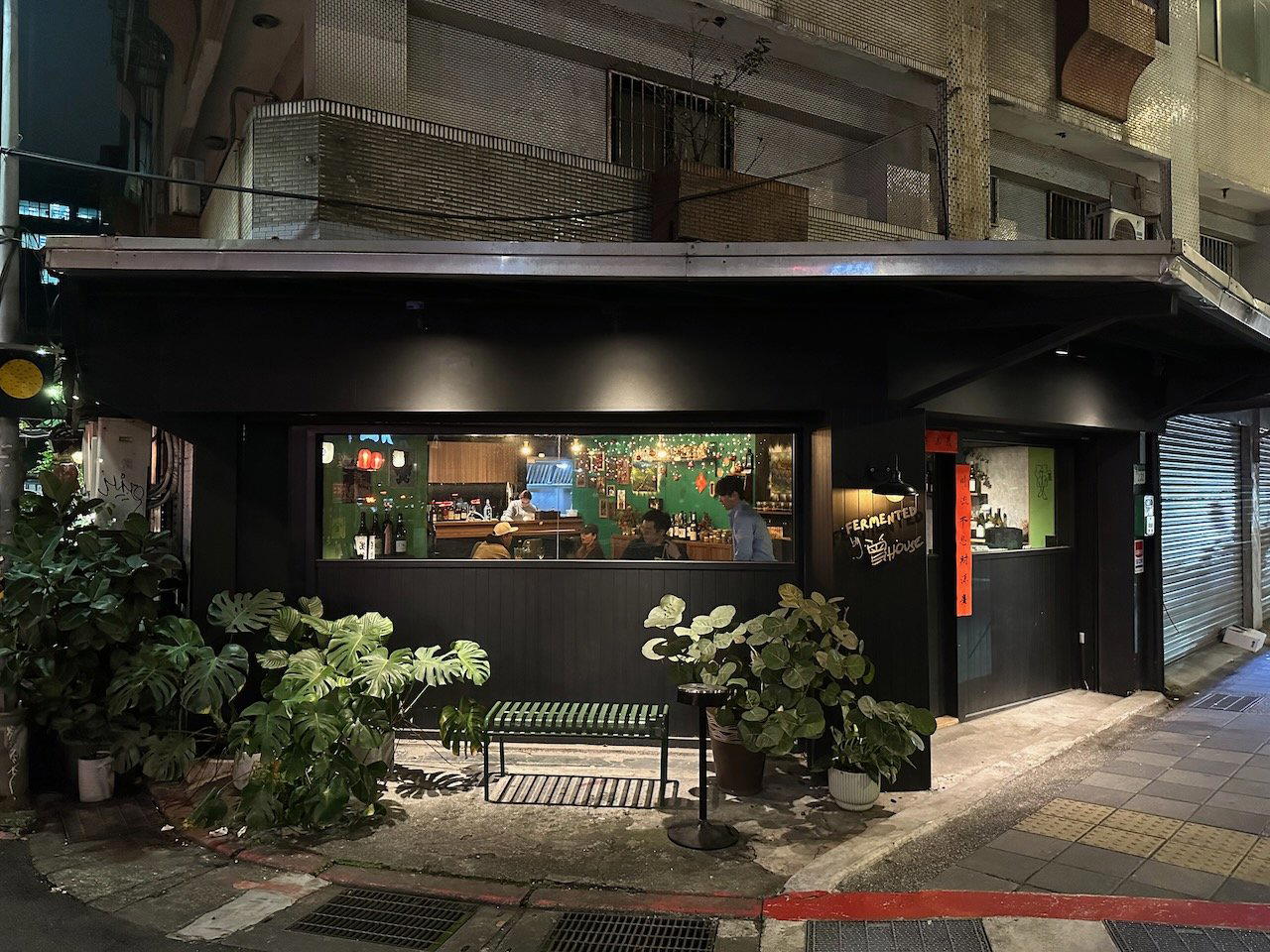
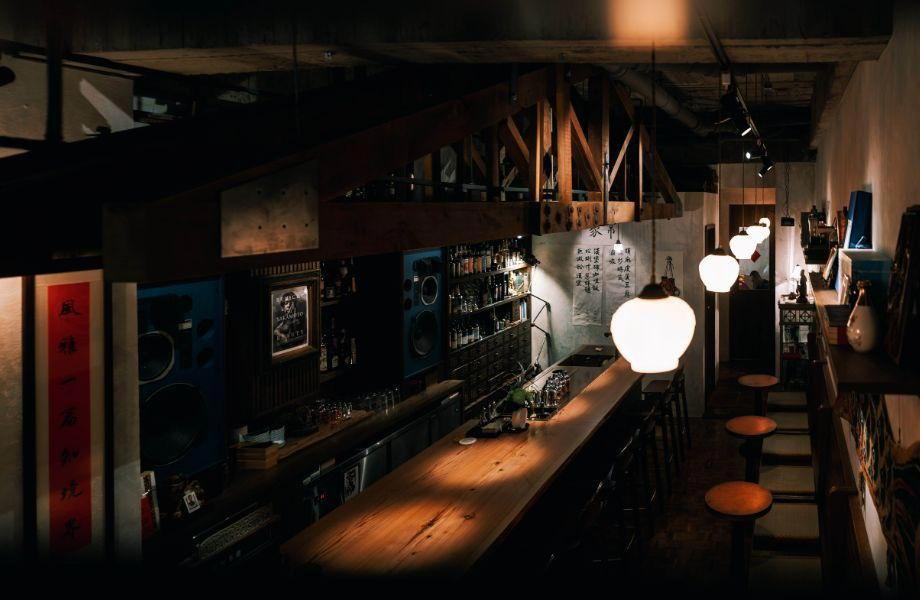
Hotels in Taipei
All hotels in Taipei →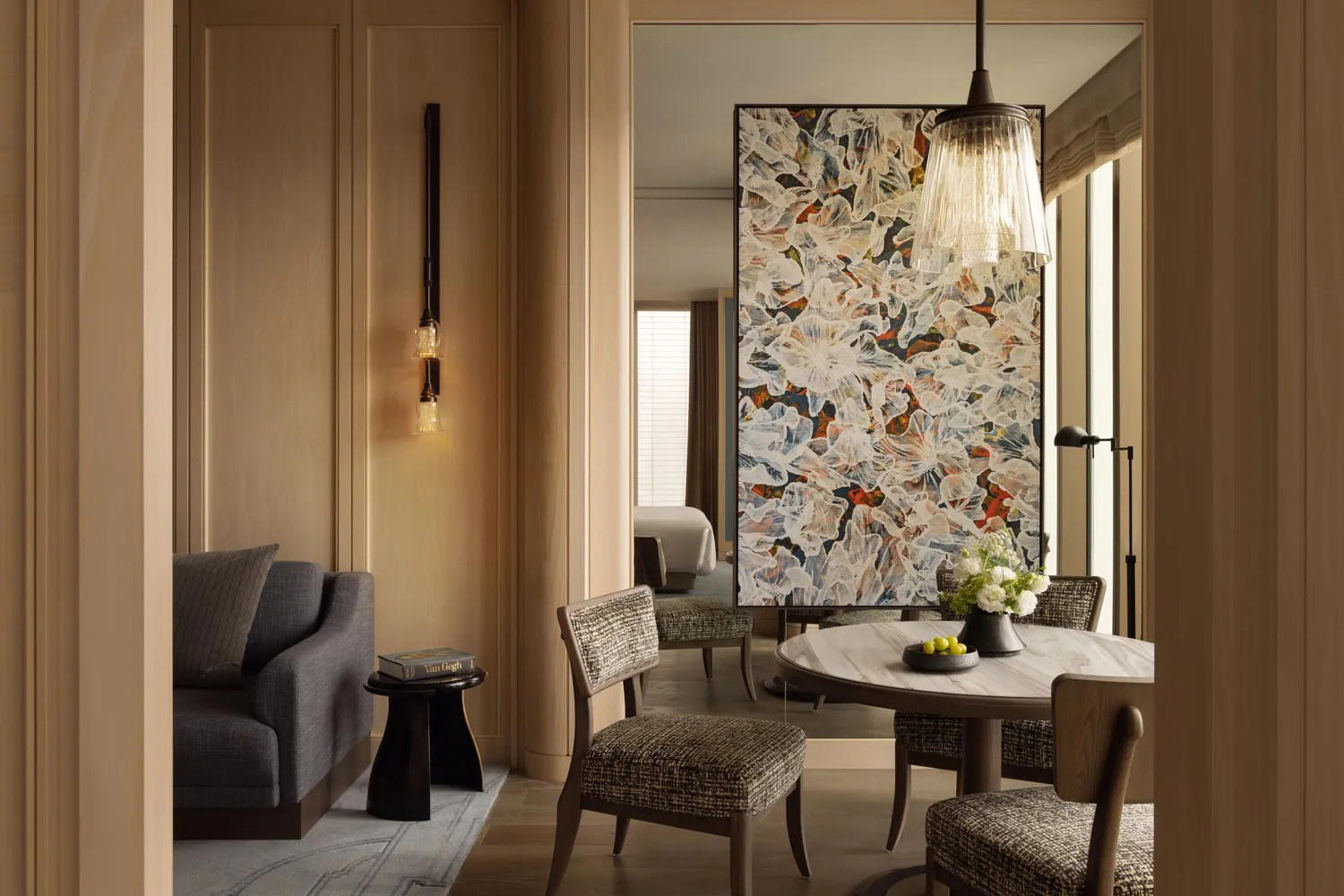

Wineries in Taipei
Browse all →
Details
- Elegant
- Sophisticated
- Intimate
- Special Occasion
- Business Dinner
- Group Dining
- Private Dining
- Corkage Allowed
- A La Carte
- Set Menu
Current opening hours
- Monday
- Closed
- Tuesday
- 6–10 PM
- Wednesday
- 6–10 PM
- Thursday
- 6–10 PM
- Friday
- 12–2 PM, 6–10 PM
- Saturday
- 12–2 PM, 6–10 PM
- Sunday
- Closed
Hours can change for holidays and private events. Hours as of .
Understated elegance with refined atmosphere focused on premium ingredients and chef's skills.