Skip to Main Content

UpcomingDrink over $25,000 of Burgundy at La Paulée New York

← Collection
CuisineCantonese
Executive ChefFook Chun-Wu
LocationTaipei, Taiwan
Opinionated About Dining

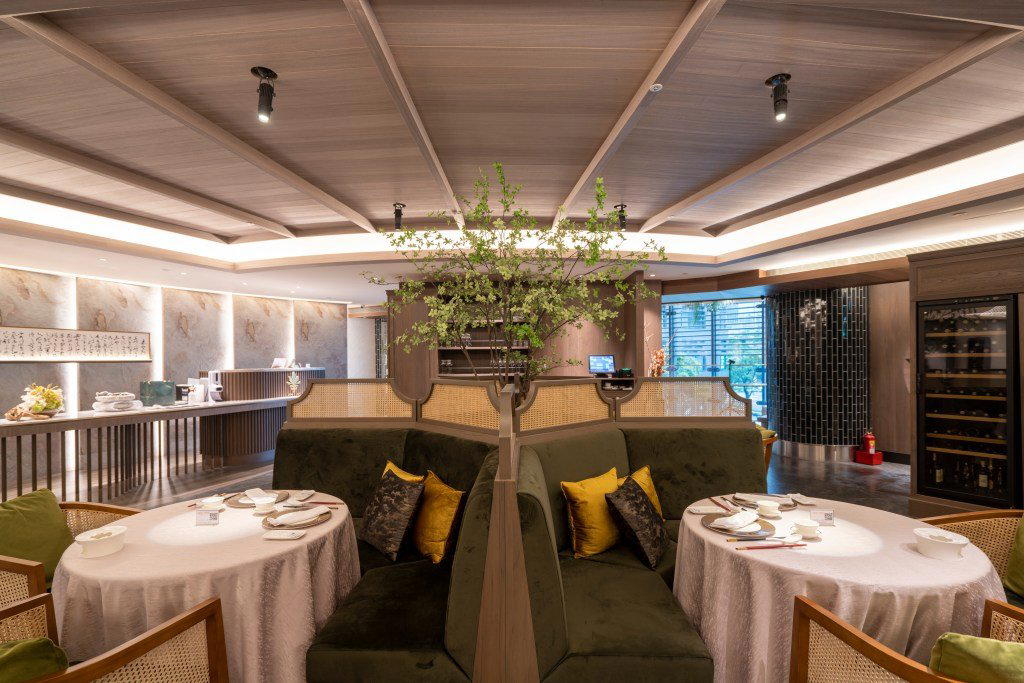
A Cantonese address on Zhongshan's Lequn Third Road, Longyue holds a 2025 ranking on the Opinionated About Dining Top Restaurants in Asia list and earns a 4.3 across more than 600 Google reviews. Chef Fook Chun-Wu leads the kitchen with a focus on the techniques and flavours that define serious Cantonese cooking in a city where the tradition has taken deep root.

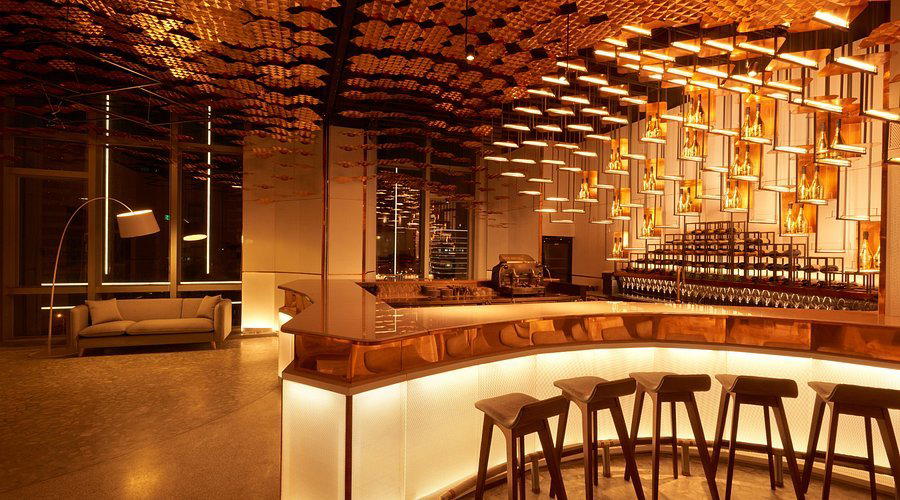
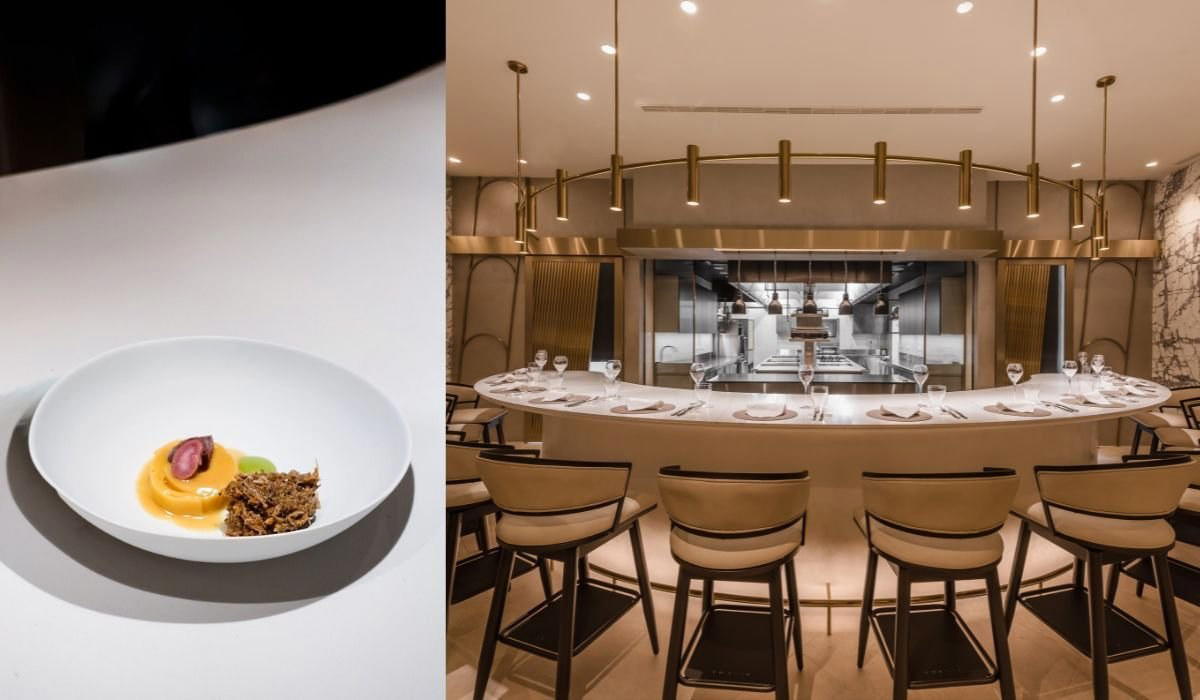
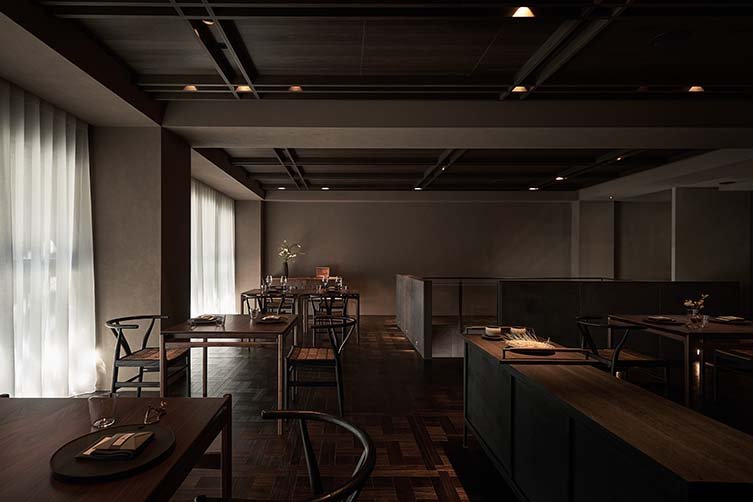
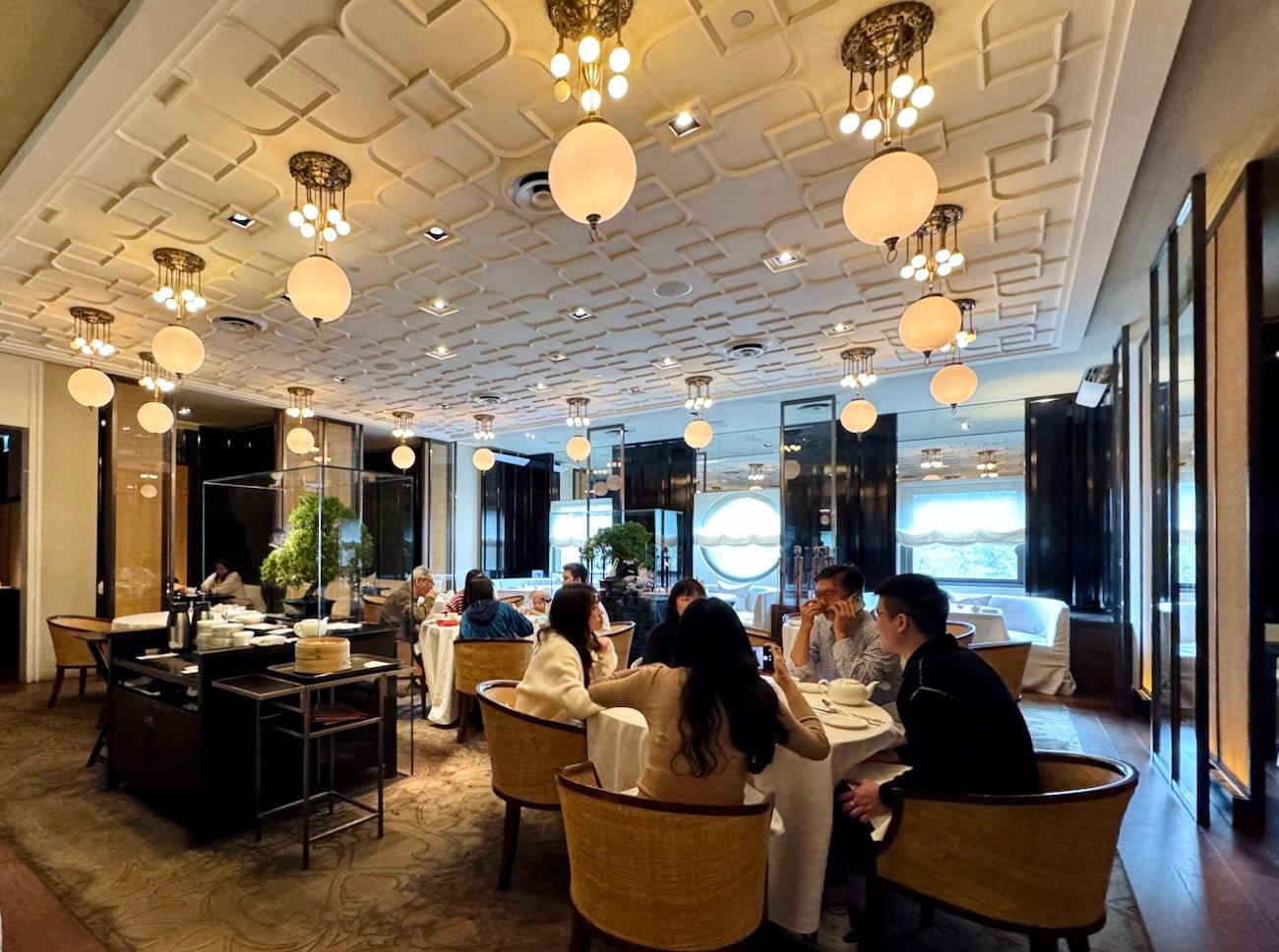
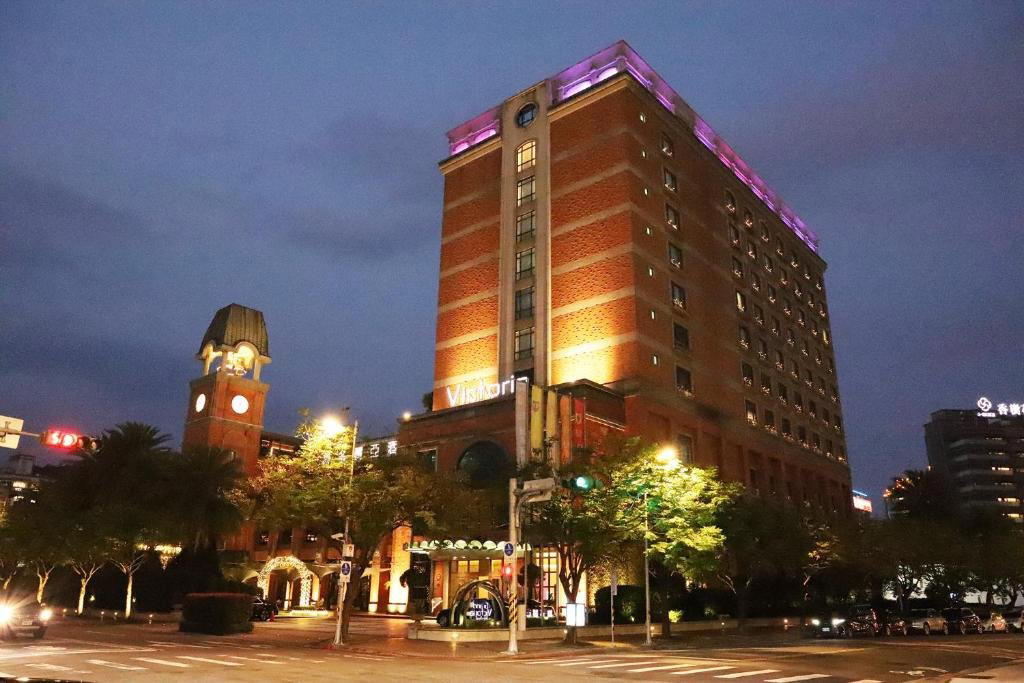
Longyue restaurant in Taipei, Taiwan
About

Cantonese Cooking in Taipei: Context First

Taipei's relationship with Cantonese cuisine runs deeper than casual dining. Waves of migration from Hong Kong and Guangdong across the latter half of the twentieth century seeded the city with cooks who carried their techniques with them, and the tradition has since evolved into something distinctly rooted in the island's culinary culture. Today, the city maintains a serious tier of Cantonese restaurants that benchmark against Hong Kong peers, with Le Palais at the ceiling of that bracket and a number of committed mid-tier addresses feeding a market that understands the difference between dim sum made with care and dim sum made for volume.

Longyue sits in Zhongshan District on Lequn Third Road, an area that rewards the visitor willing to move beyond the central tourism corridor. The second-floor position is standard for Taipei's more focused dining addresses, where street-level real estate rarely supports the kind of room a serious kitchen needs. Zhongshan itself has become one of the more interesting dining corridors in the city, home to everything from izakaya-style counters to the refined Taiwanese cooking at Ya Ge and the modern European work at venues like JUNTO. Cantonese fits naturally into that mix, offering a counterweight to the wave of contemporary tasting menus that now defines much of Taipei's premium dining conversation.

The Dim Sum Tradition and What It Demands

Proper dim sum is one of the most technically demanding formats in Chinese cuisine. The geometry of a har gow wrapper, the elasticity required in a cheung fun, the ratio of meat-to-fat in a siu mai filling — these are not decisions made quickly or casually. Classic Cantonese dim sum culture is built around the morning ritual of yum cha: tea poured before food arrives, bamboo steamers stacked high, trolleys navigating packed dining rooms, tables shared between strangers who are not strangers for long. The format is fundamentally social, and venues that understand it tend to design their rooms and service rhythms accordingly.

Taiwan's version of that tradition has absorbed local ingredients and preferences over decades. Pork preparations shift slightly, seafood sourcing reflects the island's fishing culture, and the pace of service often moves a little differently from the frenetic pace of a Hong Kong tea house at peak hours. What doesn't change is the underlying craft standard: the test of a serious Cantonese kitchen is still the dumpling, and a kitchen that can turn out technically correct dumplings in volume without compromising on wrapper thickness or filling texture is a kitchen with real discipline behind it.

Chef Fook Chun-Wu leads the kitchen at Longyue. In the Cantonese tradition, the chef's lineage and the kitchen's method carry more weight than any single signature dish, and a 4.3 rating across 603 Google reviews suggests the address has found consistent support from a local audience that eats Cantonese food regularly and has reference points for the craft. For a cuisine where repeat visits accumulate meaning, that sustained approval is more instructive than a single high score on a one-time visit.

Recognition and Where Longyue Sits in the Regional Picture

The Opinionated About Dining Leading Restaurants in Asia ranking places Longyue at number 301 in its 2025 list. OAD rankings are compiled from votes cast by a community of experienced diners rather than by a fixed panel of inspectors, which makes the list particularly useful as a signal of sustained quality perceived by people eating across the region regularly. A position in the top 301 across all of Asia is a meaningful credential, especially for a cuisine category as competitive as Cantonese, where the peer set runs from the Michelin-starred houses of Hong Kong to the long-standing Guangzhou institutions.

The Cantonese category at that level of recognition places Longyue in company with addresses operating across a wide geographic spread. Comparable commitments to the tradition can be found at Forum in Hong Kong, at Chef Tam's Seasons in Macau, and at 102 House in Shanghai, all of which operate in cities with larger and more established Cantonese dining markets. That Longyue has secured its position in the same regional conversation from a Taipei base reflects both the restaurant's own standard and the seriousness with which Taipei's dining culture now engages with the cuisine.

Within Taipei, the Cantonese segment is less crowded than the Taiwanese or Japanese-influenced categories. Le Palais, with its Michelin recognition, occupies the leading of the price bracket; addresses like Longyue operate in the tier where the combination of craft and value becomes the primary argument for the table. For the diner who wants rigorous Cantonese technique without the full ceremonial weight of a major tasting-menu format, this mid-tier is often the more honest place to eat.

Taipei's Broader Dining Frame

For visitors building a full Taipei itinerary, Cantonese sits alongside a much wider set of options. The city's contemporary cooking scene has drawn international attention through addresses like Lin Ju and the progressive formats visible at 85TD, and there is serious cooking beyond the capital at JL Studio in Taichung, GEN in Kaohsiung, and the more locally rooted work at A Cun Beef Soup in Tainan. Regional cooking traditions from indigenous communities also reach the table at Akame in Wutai Township and the mountain retreat context of Volando Urai Spring Spa and Resort in Wulai District.

That breadth makes Taipei one of the more intellectually interesting food cities in Asia, and Cantonese addresses like Longyue anchor the Chinese culinary tradition within a scene that is otherwise pulling hard toward new forms. The practical guides for hotels, bars, and experiences across the city are available in our full Taipei hotels guide, our full Taipei bars guide, our full Taipei wineries guide, and our full Taipei experiences guide. The full restaurant picture is in our full Taipei restaurants guide.

Know Before You Go

Address: 2F, 303 Lequn 3rd Road, Zhongshan District, Taipei City 104, Taiwan

Cuisine: Cantonese

Chef: Fook Chun-Wu

Recognition: Opinionated About Dining Leading Restaurants in Asia, #301 (2025)

Google Rating: 4.3 from 603 reviews

Booking: Contact details not confirmed; check current listings for reservation options

Hours: Not confirmed; verify before visiting

What Dish Is Longyue Famous For?

Longyue's kitchen operates in the Cantonese tradition, a cuisine where craft is demonstrated through the precision of dim sum preparations — har gow, siu mai, and steamed rice rolls among the formats where quality diverges most sharply between serious and casual kitchens. No specific signature dish has been documented through public record, but the combination of Chef Fook Chun-Wu's leadership and a 2025 OAD Asia ranking at #301 points to a kitchen with consistent output across the classical Cantonese repertoire rather than a single marquee preparation. For those familiar with the tradition, the surest measure of quality is always the dumpling: if the wrapper holds its geometry without tearing and the filling balances texture against seasoning, the rest of the menu tends to follow.

Collector Access

Need a table?

Our members enjoy priority alerts and concierge-led booking support for the world's most difficult tables.

Access the Concierge