Xing Yan sits in Bankstown, one of Sydney's most concentrated corridors of Chinese and pan-Asian cooking, where the competition is unforgiving and the regulars know exactly what they want. The address at 8 Greenfield Parade places it within a suburb that functions as a practical benchmark for Chinese dining across the city. Booking ahead is advisable, particularly on weekends when the neighbourhood draws diners from well beyond the local catchment.
Pearl is the En Primeur Club membership app — saves, bookings, and concierge access live there. Same editors, same standards.
- Address
- 8 Greenfield Parade, Bankstown NSW 2200, Australia
- Phone
- +61297229888
- Website
- bankstownsports.com
- Directions
- Get directions
 Saves & bookings on Pearl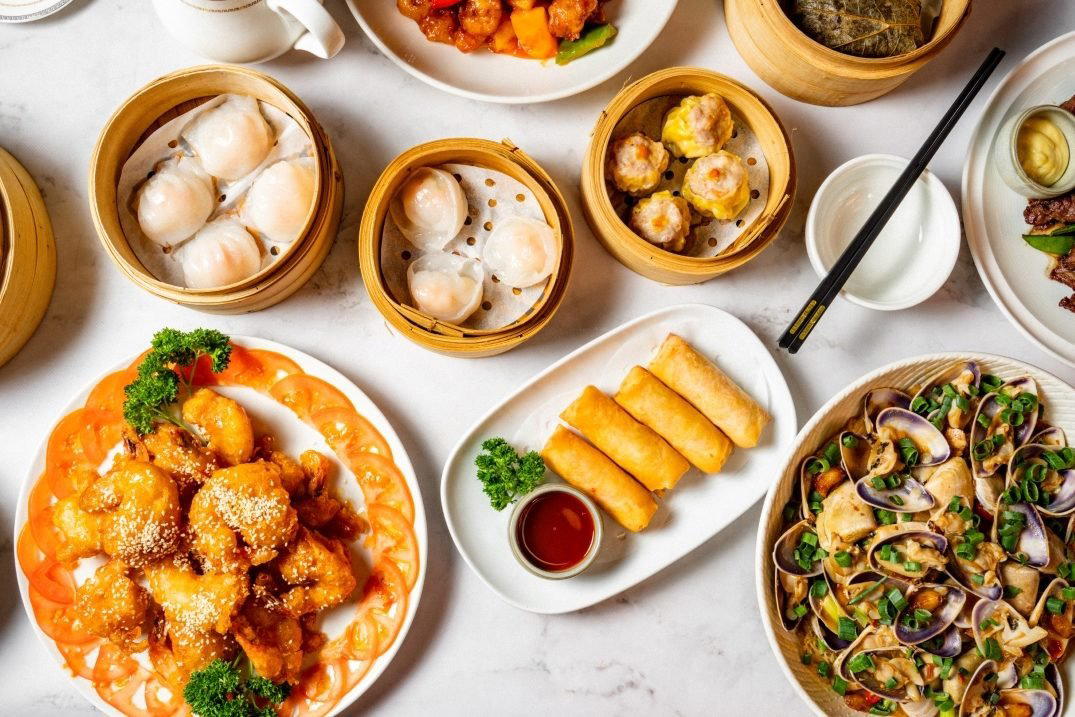
Bankstown's Chinese Dining Corridor and Where Xing Yan Fits
Bankstown has operated as one of Sydney's most serious concentrations of Chinese cooking for decades. The suburb's dining strip is not a tourist circuit, it is a working, high-turnover ecosystem where restaurants are held to the standard of the community they serve. Diners here compare dishes against memory and family cooking, not against a guidebook rubric. That context shapes everything: the flavour profiles tend to run bolder, the menus longer, and the tolerance for compromise lower than in the harbour-adjacent dining precincts that attract more editorial attention. Xing Yan is a Cantonese Yum Cha restaurant at 8 Greenfield Parade, Bankstown NSW 2200, Australia, with a casual dress code and recommended reservations. Xing Yan, at 8 Greenfield Parade, operates inside that ecosystem.
Sydney's Chinese dining scene has historically stratified along two axes: the harbour-side venues that pitch themselves at expense-account tables and hotel guests, and the suburban restaurants in Bankstown, Ashfield, Hurstville, and Burwood that anchor themselves to community regulars. The latter group tends to produce more technically consistent cooking over time, because the audience is less forgiving of slippage. The restaurant sits in that suburban tier, which means its comparable set is determined by postcode reputation and repeat custom rather than by Michelin recognition or placement in the kind of lists that feature Rockpool or Saint Peter.
The Sensory Register of a Bankstown Chinese Restaurant
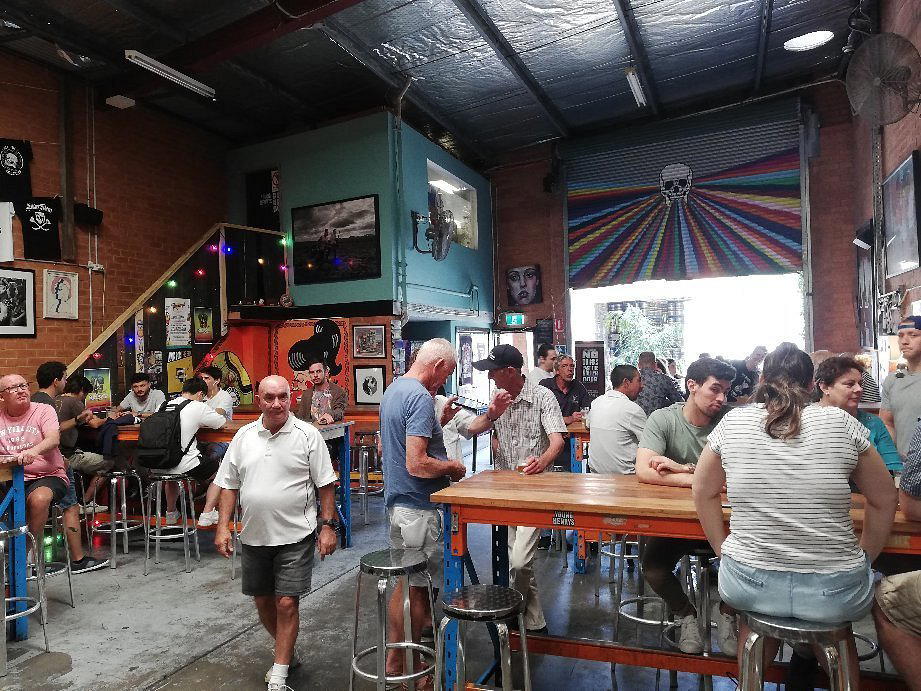
Approaching Greenfield Parade on a weekend evening, the sensory cues are specific: the smell of wok smoke threading through the street, the sound of clattering crockery and rapid-fire Cantonese or Mandarin from kitchen pass to floor, and the visual density of full tables turning quickly. This is not the hushed, deliberately spare atmosphere that defines Sydney's contemporary fine-dining rooms, venues that occupy a different register entirely. Bankstown Chinese restaurants tend to run loud, bright, and busy by design, and that sensory environment is part of the offering rather than incidental to it.
The lighting in venues of this type is almost always high, fluorescent or close to it, because these restaurants are built around the food itself, not around creating a mood that flatters the room. The tables fill fast; the service moves at pace. If you are arriving from the quieter dining environments of the inner city, the shift in tempo is immediate. It is a different contract between restaurant and diner: the kitchen produces at volume, the diner engages with the food directly, and the transactional clarity of the exchange is its own form of hospitality.
What the Bankstown Setting Signals About the Food
Restaurants that survive in Bankstown's Chinese dining corridor do so on consistency rather than novelty. The suburb's demographic is not looking for quarterly menu reinventions or chef's table experiences of the kind offered at Attica in Melbourne or Brae in Birregurra. It is looking for dishes that are executed correctly, priced fairly, and served without friction. At roughly US$30 per person, the restaurant sits in a modest price tier. That is a harder standard to meet consistently than it might appear, because the regular customer base has a precise internal benchmark.
Chinese cooking in Sydney's suburban southwest corridor covers a wide range of regional traditions, Cantonese roasting and dim sum, Sichuan ma la preparations, Shanghainese cold dishes, Fujianese seafood technique. Bankstown restaurants typically anchor to one or two of these traditions with depth rather than attempting a pan-Chinese survey menu. The constraint produces better cooking; breadth dilutes kitchen focus in a way that high-volume Chinese restaurants cannot easily absorb.
Positioning Xing Yan in Sydney's Broader Dining Map
For readers who move across Sydney's full dining range, the restaurant represents a different axis of quality than venues like 10 Pounds, 10 William St, or 1021 Mediterranean. Those venues compete on wine program, kitchen philosophy, and urban positioning. The restaurant competes on the strength of its cooking within a category that rewards specificity and repetition. Neither axis is superior; they serve different purposes for the diner.
The distinction is worth drawing explicitly because Sydney's food media has historically over-indexed on the inner-city and waterfront dining tier, leaving the southwestern corridor underrepresented relative to its actual output. This is a pattern visible in other cities too, comparable dynamics play out in the outer-borough Chinese dining scenes in New York, where venues like Le Bernardin and Atomix dominate editorial coverage while the Flushing dining corridor operates on an entirely different economy of quality. The media gap does not reflect a quality gap.
For comparison within Sydney's own scene, venues such as Bayly's Bistro in Kirribilli, bills in Bondi Beach, and Johnny Bird in Crows Nest serve their own neighbourhood audiences with a similar logic of consistency and community anchoring, even if the cuisine type differs considerably. The principle, that neighbourhood restaurants earn longevity through repeat trust rather than destination marketing, applies across categories.
The same pattern extends to other Australian cities. Bar Carolina in South Yarra, Barry Cafe in Northcote, Jaani Street Food in Ballarat, Kulcha Restaurant Wollongong, and Hungry Wolfs Italian Restaurant in Newcastle each operate in their own neighbourhood ecosystems with similar dynamics: community-first positioning, lower media profile relative to quality, and a diner base that self-selects through knowledge rather than marketing reach.
Planning Your Visit
The restaurant is located at Address: 8 Greenfield Parade, Bankstown NSW 2200. Bankstown is accessible by train on the T3 Bankstown Line from Central Station, with Bankstown station a short walk from Greenfield Parade. Dress: Casual is standard. Budget: Around US$30 per person. Timing: Weekend lunches and dinners are the peak periods for the Bankstown corridor; weeknight visits offer a quieter experience of the same kitchen.
Booking and Cost Snapshot
Comparable venues nearby, for context on price, style, and recognition.
| Venue | Cuisine | Price | Notes |
|---|---|---|---|
| Xing YanThis venue — the venue you are viewing | Bankstown, Cantonese Yum Cha | $$ | Not listed |
| 25 Spices Hunan | Haymarket, Hunan Chinese | $$ | Not listed |
| One Dining Teahouse & Restaurant | Sydney, Modern Chinese Yum Cha | $$$ | Not listed |
| Spicy Joint Chinatown | Sydney, Authentic Sichuan | $$ | Not listed |
| Wan's Cantonese | Not listed | $$$ | Darlinghurst, Classic Cantonese Seafood & Dim Sum |
| Mazi - Lantern Club | Not listed | $$ | Roselands, Modern Australian with Mediterranean influences |
Continue exploring
More in Sydney
Restaurants in Sydney
Browse all →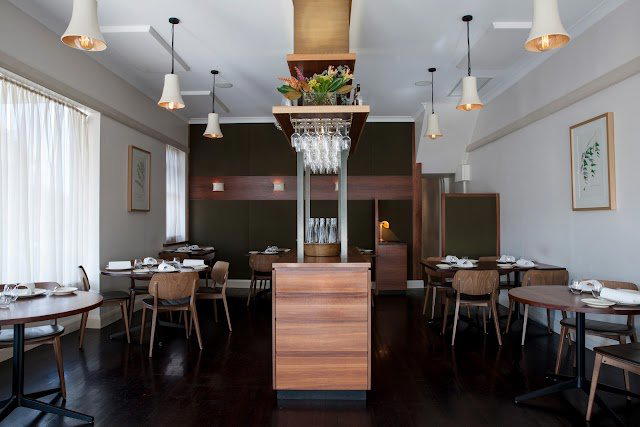
Bars in Sydney
Browse all →
Hotels in Sydney
Browse all →
At a Glance
- Family
- Casual Hangout
- Group Dining
- Open Kitchen
- Local Sourcing
Current opening hours
- Monday
- Closed
- Tuesday
- 11 AM–2:30 PM, 5:30–9:30 PM
- Wednesday
- 11 AM–2:30 PM, 5:30–9:30 PM
- Thursday
- 11 AM–2:30 PM, 5:30–9:30 PM
- Friday
- 11 AM–2:30 PM, 5–10 PM
- Saturday
- 10:30 AM–2:30 PM, 5–10 PM
- Sunday
- 10:30 AM–2:30 PM, 5:30–9:30 PM
Hours can change for holidays and private events. Last verified .
Pleasant and spacious with a warm, welcoming atmosphere.