Our verdict
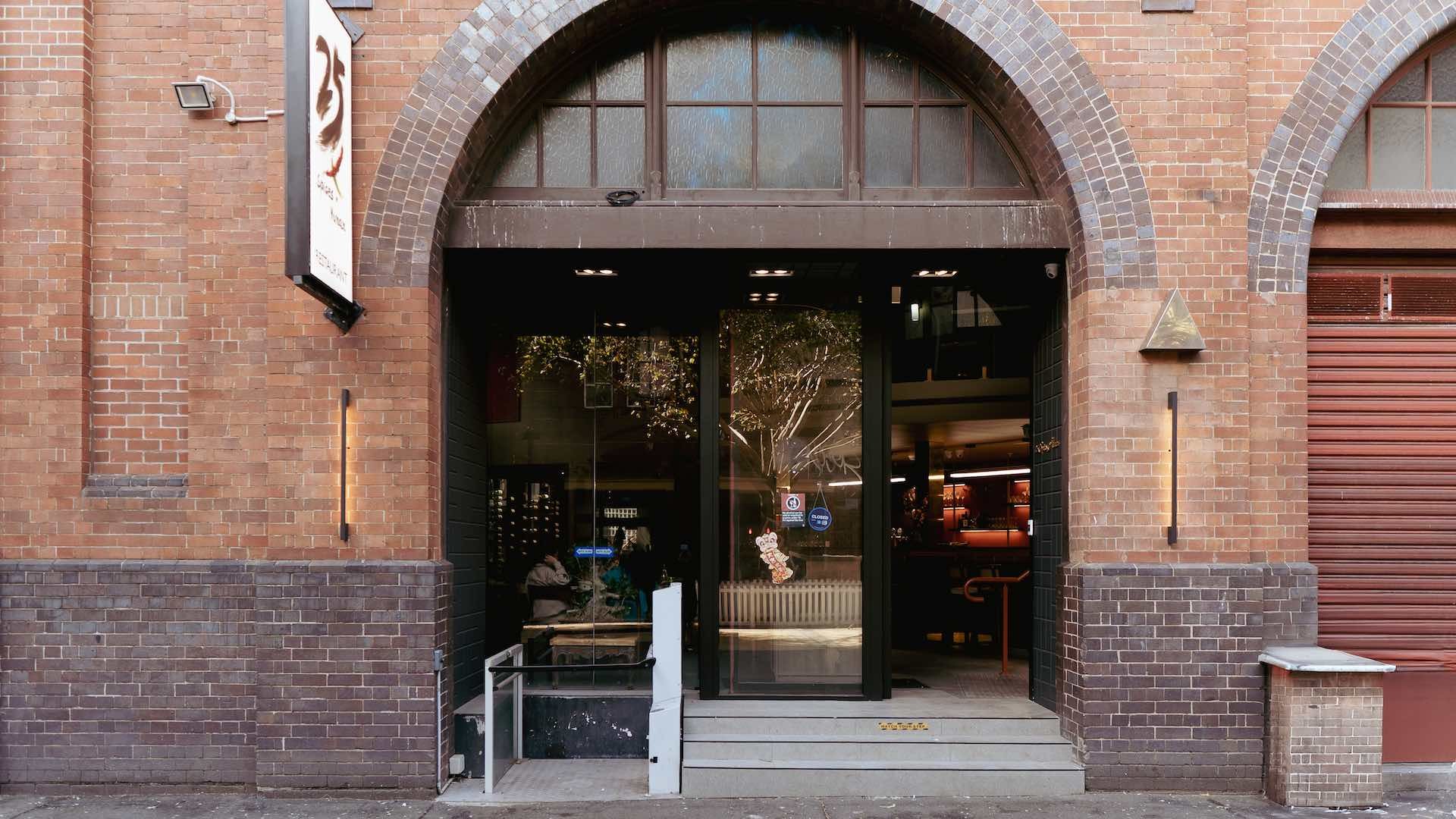
25 Spices Hunan occupies a ground-floor shopfront on Hay Street in Haymarket, Sydney's most concentrated block of regional Chinese dining. The kitchen draws on Hunan province's tradition of fermented, dried, and fresh chillies layered across a meal rather than stacked into a single heat note. It sits in a neighbourhood where the competition is dense and the regulars are opinionated.

Pearl is the En Primeur Club membership app — saves, bookings, and concierge access live there. Same editors, same standards.
The menu
What to order
- Smoked pork belly
- Beef with pickled green chili
- Spicy braised pig ears
Haymarket and the Hunan Question
Sydney's Haymarket precinct does not lack for Chinese restaurants. The blocks around Hay Street and Dixon Street contain one of the most concentrated clusters of regional Chinese kitchens in the Southern Hemisphere, ranging from Cantonese roast meat counters and Shanghainese soup dumpling houses to newer Sichuan operations that have colonised the area over the past decade. Within that competitive field, Hunan cooking occupies a specific and often misunderstood position. It is frequently collapsed into the broader category of "spicy Chinese," grouped with Sichuan cuisine in a way that flattens the considerable differences between the two traditions. Where Sichuan heat is built around the numbing, floral quality of the huajiao peppercorn, Hunan food uses fermented black beans, dried chillies, and fresh aromatics to build a more direct, persistent burn. The approach is less about spectacle and more about accumulation.
25 Spices Hunan, at the ground floor of 9-13 Hay Street, sits inside this culinary conversation. The address places it at the working heart of Haymarket, where foot traffic is constant and the diners arriving at neighbouring tables are rarely tourists consulting a guidebook. This is a neighbourhood with strong community knowledge, and restaurants here are held to a practical standard: the food has to be correct, not merely plausible.
How a Hunan Meal Moves
Hunan cooking has a structural logic that differs from the all-at-once banquet format common in Cantonese dining. A meal at a Hunanese table tends to progress through layers of flavour intensity, with cold dishes and preserved ingredients opening proceedings before the kitchen shifts into hotter, more assertive territory. This sequencing is not accidental. The province's culinary tradition developed around preservation techniques born from necessity, and those fermented and pickled components are not merely condiments: they function as the first chapter of the meal.
The cold-dish opening in Hunan cooking typically includes items built on fermented black beans, smoked or cured pork products, and pickled vegetables. These establish the palate rather than challenge it. The heat arrives incrementally, through dishes that use fresh chilli, dried chilli, and chilli paste in different ratios and applications. By the time a table reaches the main body of a Hunanese meal, the cumulative effect is considerable, but a well-executed progression means it feels earned rather than assaulting.
This architecture matters in a dining room context because it requires a different pacing instinct from both kitchen and guest. Sydney diners accustomed to the share-plate simultaneity of broader Chinese restaurant culture may initially read Hunan sequencing as an invitation to order everything at once. The better approach is to trust the cold-dish logic and let the meal build. Among the Haymarket restaurants covering regional Chinese traditions, the ones that handle Hunan cooking most seriously tend to be those where the kitchen resists pressure to flatten the progression into generic stir-fry territory. For a broader picture of where Sydney's dining ambitions sit across categories, the full Sydney restaurants guide maps the scene across neighbourhoods and cuisine types.
Haymarket in Its Competitive Context
The Hay Street corridor competes on specificity. The restaurants that endure here do so because they occupy a clear position within a regional tradition, not because they offer a generalised version of Chinese food designed for the broadest possible audience. The Hunan category in this precinct is smaller than the Cantonese or Sichuan contingent, which gives places like 25 Spices Hunan a niche identity but also a narrower safety net. A kitchen that loses confidence in its regional references has nowhere to retreat except into genericness, which Haymarket regulars notice quickly.
The Haymarket model is built on volume, consistency, and community loyalty rather than tasting menus and curated wine lists. That is not a compromise; it is a different kind of discipline. The comparison venues that genuinely illuminate Sydney's broader dining range, places like Rockpool for Australian fine dining or Saint Peter for seafood-led modernism, operate under a different set of pressures and expectations. The Haymarket regional Chinese category answers to its own standards.
Beyond Sydney, the regional Chinese dining conversation in Australia plays out differently in Melbourne, where Attica and Brae in Birregurra represent the country's fine-dining ambition in a different register entirely. The point is not comparison but context: Sydney's Haymarket functions as a living archive of regional Chinese cooking traditions in a way that very few precincts outside of mainland China can match. For travellers moving between the two cities, the contrast between Bar Carolina in South Yarra or Barry Cafe in Northcote and Sydney's Haymarket density illustrates how differently the two cities have absorbed and sustained immigrant food traditions.
Practical Framing for the Haymarket Visit
Hay Street operates across a wide range of the day, with lunch services beginning around midday and dinner extending through the evening on most nights. The neighbourhood's density means that peak-hour queues form across multiple restaurants simultaneously, and Haymarket's informal dining culture generally does not lend itself to advance booking in the way that Sydney's fine-dining tier does. Walk-in timing in the early evening typically offers better access than arriving at peak weekend dinner hours. Diners planning a broader Haymarket session might cross-reference nearby options including 10 Pounds and 10 William St, which represent different points on Sydney's dining spectrum, or consider the Mediterranean register at 1021 Mediterranean for a contrasting evening.
For visitors building a Sydney itinerary that reaches beyond the centre, options like bills in Bondi Beach, Bayly's Bistro in Kirribilli, and Johnny Bird in Crows Nest extend the dining map into the inner suburbs. Further afield, Hungry Wolfs in Newcastle, Jaani Street Food in Ballarat, and Kulcha Restaurant Wollongong illustrate how regional dining culture operates outside the major city centres.
Know Before You Go
- Address: Ground Floor, Shop 1B, 9/13 Hay Street, Haymarket NSW 2000
- Neighbourhood: Haymarket, Sydney CBD fringe, within walking distance of Central Station
- Cuisine: Hunan regional Chinese
- Booking: Walk-in format typical for this Haymarket precinct; peak weekend evenings may involve a wait
- Dress code: Casual; this is a working neighbourhood restaurant
- Leading for: Shared table dining with a group willing to let the meal build progressively
- Context: Sits within one of Sydney's most competitive regional Chinese dining clusters
Frequently asked questions
Is 25 Spices Hunan good for families?
Haymarket's Hay Street corridor is built around shared-table dining, and Hunanese cooking suits groups that want to order widely across a menu. The format at a Hunanese table — multiple dishes arriving progressively rather than all at once — works well when you have several people ordering. The chilli intensity of Hunan cooking is worth flagging for younger children, as it sits at a different heat register than Cantonese or dim sum.
Is 25 Spices Hunan formal or casual?
The ground-floor Haymarket address at 9–13 Hay Street positions this squarely in casual territory — the kind of room where the cooking is the point and the dress code is whatever you walked in off the street wearing. Haymarket restaurants of this type prioritise throughput and flavour over ceremony.
How does Hunan cuisine at 25 Spices Hunan differ from the Cantonese cooking dominant elsewhere in Haymarket?
Hunan and Cantonese cooking are structurally different traditions: Cantonese tends toward subtlety, steaming, and fresh seafood, while Hunan cooking relies on dried chillies, fermented ingredients, and cured meats to build depth and heat. In Sydney's Haymarket — where Cantonese restaurants have historically shaped the neighbourhood's reputation — a Hunanese kitchen occupies a distinct regional position. 25 Spices Hunan at Hay Street offers one of the more direct routes to that interior Chinese province's flavour profile in the precinct.
What's the best thing to order at 25 Spices Hunan?
What can be said is that Hunan cooking is defined by dried chillies, fermented black beans, and smoked or cured pork — so look for dishes that foreground those elements rather than milder stir-fry preparations if you want the regional identity of the kitchen to come through.
Where is 25 Spices Hunan in Sydney?
25 Spices Hunan is located at Ground Floor, Shop 1B 9/13 Hay St, Haymarket NSW 2000, Australia, Sydney.
Is 25 Spices Hunan reservation-only?
No booking or reservation policy is documented for 25 Spices Hunan at this time. Haymarket restaurants at this address and price tier typically operate on a walk-in basis, particularly at lunch, though weekend evenings on Hay Street can move quickly given the density of the precinct.
Price Lens
Comparable venues nearby, for context on price, style, and recognition.
| Venue | Cuisine | Price | Notes |
|---|---|---|---|
| 25 Spices HunanThis venue — the venue you are viewing | Hunan Chinese | $20–30 | Not listed |
| Lucky88 | Modern Chinese | Not listed | Ryde, Modern Chinese |
| The East Chinese Restaurant | Fine Dining Cantonese & Szechuan | $50–100 | Sydney, Fine Dining Cantonese & Szechuan |
| China Diner Bondi | Modern Cantonese Dumplings | Not listed | Bondi Beach, Modern Cantonese Dumplings |
| Spicy Joint Chinatown | Authentic Sichuan | $20–30 | Sydney, Authentic Sichuan |
| East Ocean | Traditional Chinese Dim Sum & Seafood | Not listed | Haymarket, Traditional Chinese Dim Sum & Seafood |
Continue exploring
More in Sydney
Restaurants in Sydney
All restaurants in Sydney →
Bars in Sydney
All bars in Sydney →

Details
- Trendy
- Modern
- Energetic
- Group Dining
- Casual Hangout
- Open Kitchen
- A La Carte
- Vegetarian Friendly
Current opening hours
- Monday
- 11 AM–10:30 PM
- Tuesday
- 11 AM–10:30 PM
- Wednesday
- 11 AM–10:30 PM
- Thursday
- 11 AM–10:30 PM
- Friday
- 11 AM–10:30 PM
- Saturday
- 11 AM–10:30 PM
- Sunday
- 11 AM–10:30 PM
Hours can change for holidays and private events. Last verified .
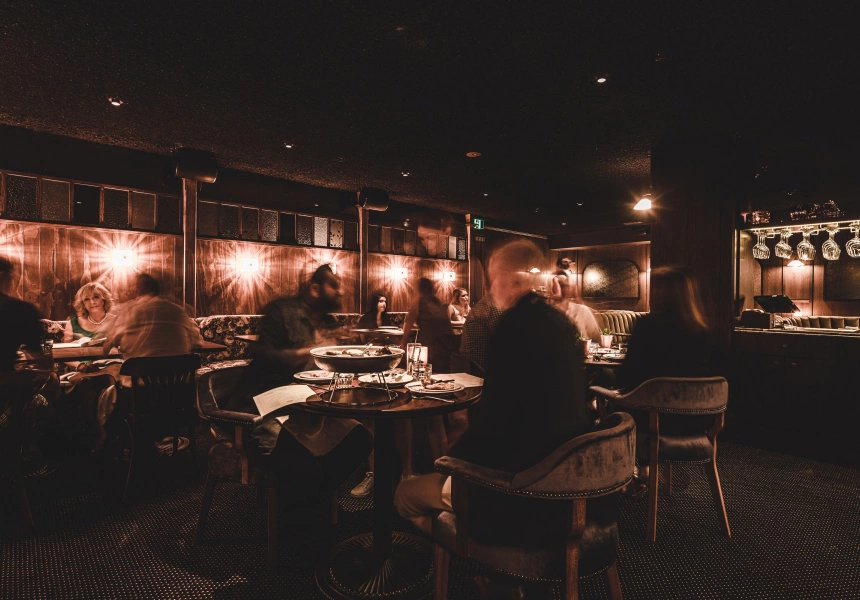
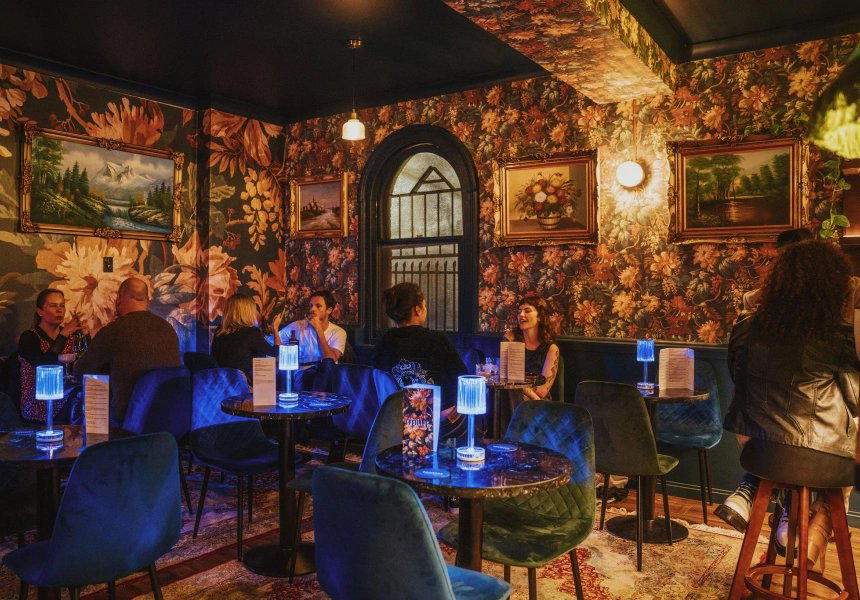
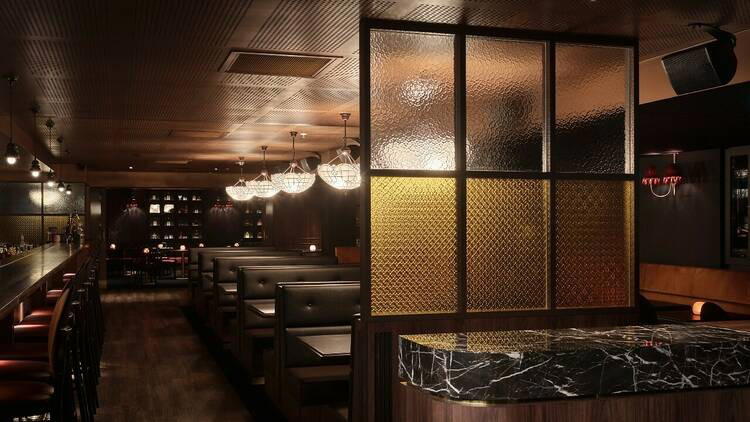
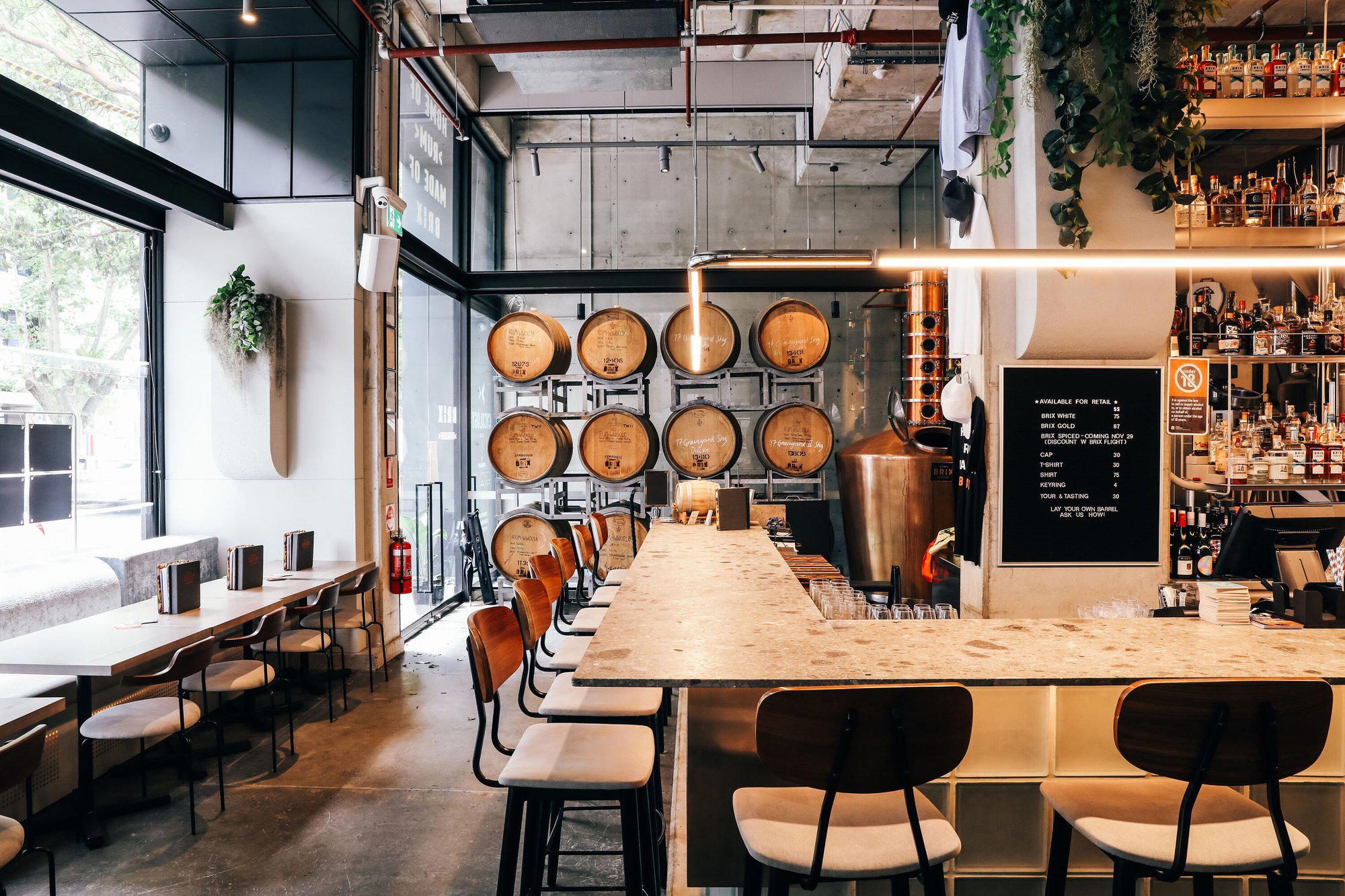
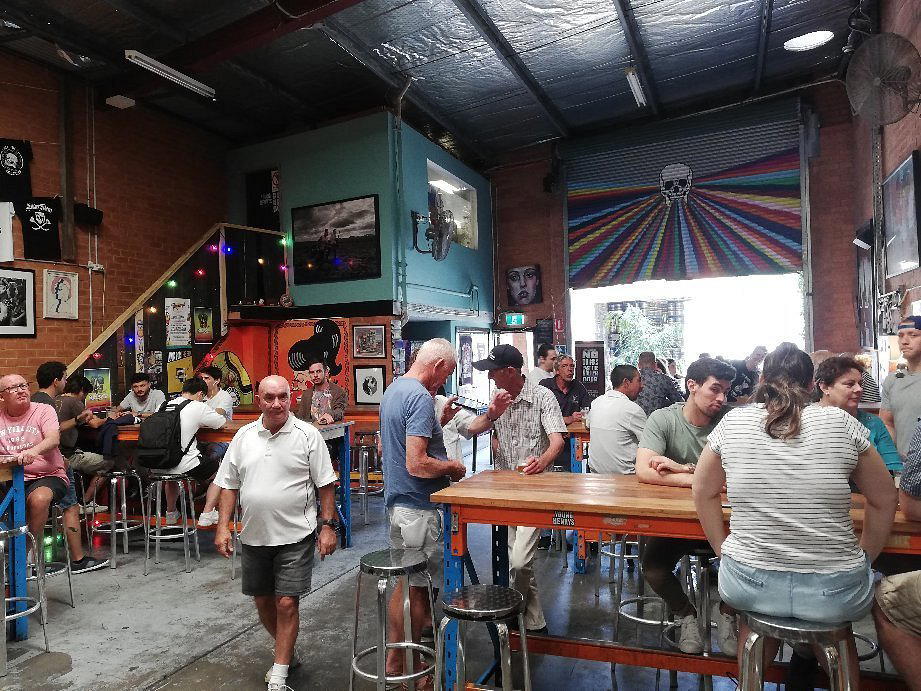
Visually striking two-level space with red tones evoking fire and energy, balanced by cool blue and polished walnut for warmth and tradition.