Spicy Joint Chinatown occupies Level 4 of 25-29 Dixon Street in Haymarket, sitting inside Sydney's most concentrated stretch of Chinese dining. Where many Chinatown restaurants compete on price and volume, Spicy Joint positions itself within a tier that rewards repeat visitors willing to climb the stairs and commit to the heat. The room draws a crowd that knows what it came for.
Pearl is the En Primeur Club membership app — saves, bookings, and concierge access live there. Same editors, same standards.
- Address
- Level 4/25-29 Dixon St, Haymarket NSW 2000, Australia
- Phone
- +61410637977
- Website
- spicyjoint.com.au
- Directions
- Get directions
 Saves & bookings on Pearl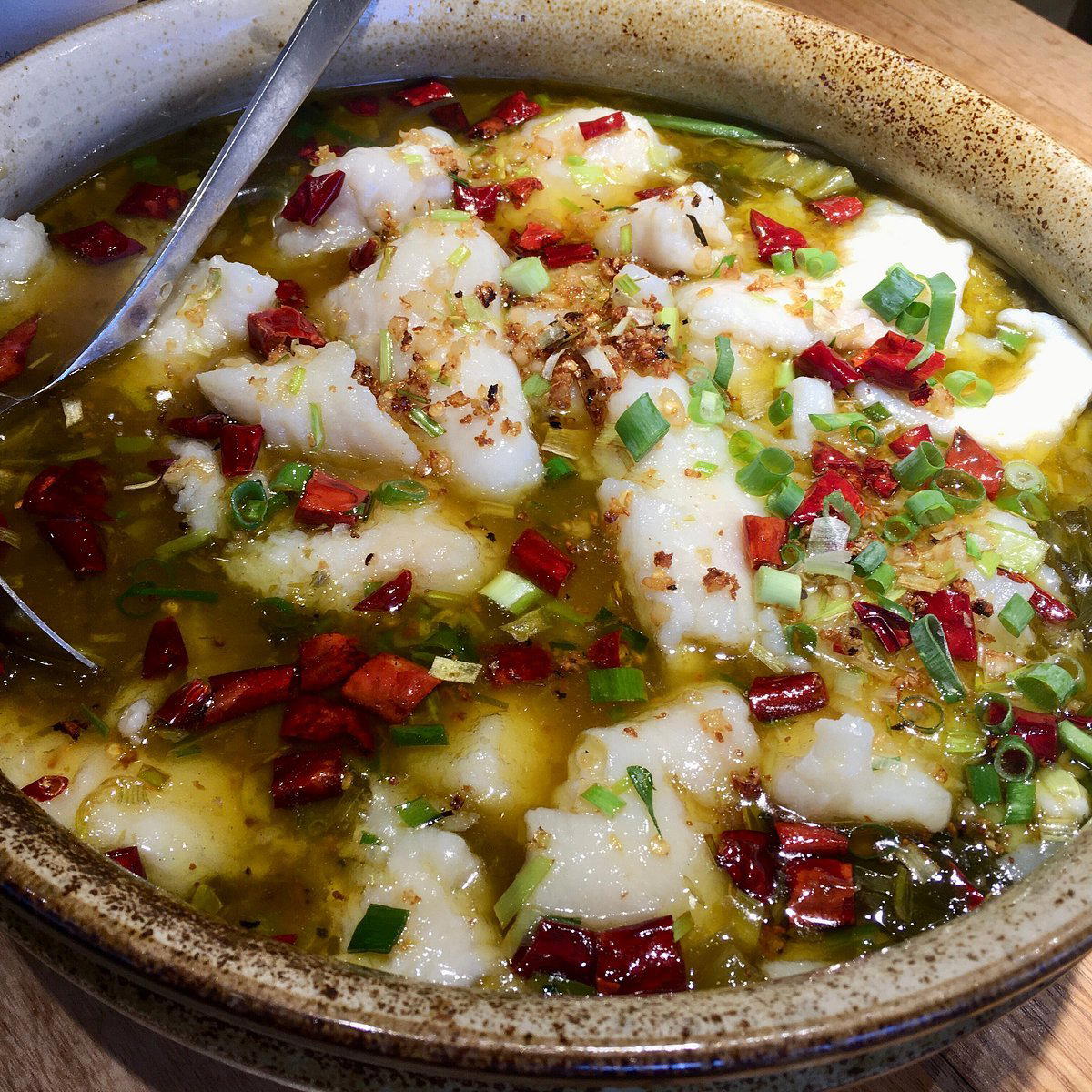
Dixon Street, Four Floors Up
Sydney's Chinatown has always operated on a logic of vertical density. Dixon Street's shopfronts stack restaurants on every level, and the higher you climb, the more the crowd tends to self-select. By the time you reach Level 4 at 25-29 Dixon Street, the tourist-adjacent foot traffic of the ground floor has thinned. The room at Spicy Joint Chinatown draws the kind of diner who already knows the format: communal appetite, high-temperature cooking, and dishes that arrive with the assumption that you can handle the spice level you ordered. That clarity of purpose is not common in a precinct where many venues hedge toward broad accessibility.
Haymarket is one of the few Sydney neighbourhoods where Chinese regional cooking gets treated as a serious subject rather than a generic category. The concentration of Sichuan, Hunanese, and Cantonese operators along and around Dixon Street means diners can move between quite different culinary traditions within a short walk. In that context, the spice-forward positioning of a venue like Spicy Joint aligns it with a particular strand of the precinct's identity: the operators who are not softening the heat profile for an undecided audience.
The Sichuan Tradition and What It Demands of a Kitchen
Sichuan cooking is, by design, resource-intensive and difficult to compromise. The discipline of managing dried chillies, doubanjiang, and Sichuan peppercorn in combination requires a kitchen that understands the difference between heat as a blunt instrument and heat as a layered architectural element. The numbing-spicy (mala) principle that defines the tradition is not simply about capsaicin quantity; it is about the ratio of numbing sensation from peppercorns to the sharp heat of chillies, and the fat medium that carries both. Venues that get this ratio right produce a dish that reads as complex rather than punishing.
Sydney's Sichuan operators sit in a competitive tier that has grown considerably in the past decade. The arrival of more regionally specific Chinese restaurants across Haymarket and inner Sydney has raised the baseline expectation among the city's Chinese-Australian dining community, which represents one informed segment of the audience for this cuisine. That community tends to calibrate quickly against what is available in Melbourne's Chinatown, in international reference cities, and against memory of cooking experienced in China itself. The standard is not set by guidebook consensus but by that community's own comparative framework.
This is a different competitive logic from the one operating at venues like Rockpool or Saint Peter, where the audience is largely drawn from the city's Anglo-Australian fine dining circuit and the trust signals are awards, press recognition, and chef biography. Chinese regional restaurants in Haymarket are assessed by a different audience using different instruments. The question is whether the mapo tofu has the correct texture ratios and whether the broth in the boiled fish dish has enough depth to carry the chilli oil sitting on top.
Sustainability in a Neighbourhood Built on Volume
The environmental conversation in Sydney's Chinese restaurant precinct tends to be quieter than in the fine dining circuit, where sourcing narratives and waste reduction programs have become part of the editorial currency. Venues like Attica in Melbourne and Brae in Birregurra have made sustainability the structural premise of their menus; the sourcing story and the dish are inseparable. In a high-volume precinct like Haymarket, the sustainability conversation takes a different form. The implicit efficiencies of whole-animal and whole-vegetable cooking traditions in Chinese cuisine, the reliance on preserved and fermented ingredients that extend shelf life, and the generally low food-waste profile of nose-to-tail Sichuan cooking represent a form of embedded sustainability that predates the language used to describe it in contemporary fine dining.
Dried and preserved ingredients that form the backbone of many regional Chinese dishes have low transportation emissions relative to the imported luxury proteins that appear on fine dining menus. Bean pastes, dried chillies, and fermented black beans have long supply chains measured in shelf stability rather than cold-chain logistics. What can be observed is that the culinary tradition itself is structurally aligned with resource efficiency in ways the broader food press has been slow to credit.
The comparison with venues elsewhere in Sydney's dining circuit is instructive. bills in Bondi Beach and Bayly's Bistro in Kirribilli occupy a different cultural register, one where Australian produce provenance is front of menu. The Haymarket operators work within a different supply logic that deserves its own framework rather than being assessed against the terms of a different tradition entirely.
Where Spicy Joint Sits in the comparable set
Within the Dixon Street corridor and the immediate Haymarket zone, Spicy Joint Chinatown positions itself through its name and physical address in a tier that is neither the quick-service window nor the formal banquet hall. The Level 4 address places it slightly above the foot-traffic-dependent ground floor operators and slightly below the large-format banquet restaurants that dominate the upper floors of the major Chinatown centres. That is a workable middle tier where the dining experience is sit-down and considered without requiring the booking lead times or price points of Sydney's formal restaurants.
For comparison points further afield in the Sydney circuit, 10 William St and 1021 Mediterranean operate in entirely different neighbourhood and culinary contexts, but they share one relevant characteristic: they serve a repeat-visit audience rather than a tourist-first audience. Spicy Joint, positioned on an upper floor in a precinct where the ground-level signage wars are won by whoever has the visible frontage, makes the same implicit argument. The audience that climbs to Level 4 is not browsing; it is returning or arriving on a recommendation.
Venues at the regional and national level that have made a more explicit case for the intersection of Chinese culinary tradition and serious dining credentials include Atomix in New York City, which demonstrates the broader appetite among premium diners for Asian cuisines operating at a level of technical rigour that challenges the assumptions of Western fine dining hierarchies. Sydney's Haymarket operators work in a different register, but the cultural argument is related: there is a seriousness of tradition in regional Chinese cooking that does not require the formal apparatus of tasting menus and Michelin recognition to be worth taking seriously.
Planning Your Visit
Spicy Joint Chinatown is located on Level 4 at 25-29 Dixon Street, Haymarket NSW 2000. The address places it within easy walking distance of Town Hall and Central Station, making it one of the more accessible upper-floor restaurants in the precinct. Dixon Street is pedestrianised along its main stretch, which concentrates foot traffic and makes the approach direct.
The Short List
Comparable venues nearby, for context on price, style, and recognition.
| Venue | Cuisine | Price |
|---|---|---|
| Spicy Joint ChinatownThis venue — the venue you are viewing | Sydney, Authentic Sichuan | $$ |
| Lucky88 | Ryde, Modern Chinese | $$ |
| Mr Wong | Sydney, Modern Cantonese | $$$ |
| Bomonti Cafe & Restaurant | Sydney, Turkish & Mediterranean Cafe | $$ |
| Level 41 | Sydney, Dining | Not listed |
| Don Pedros | Paddington, Modern Mexican Cantina | $$ |
Continue exploring
More in Sydney
Restaurants in Sydney
Browse all →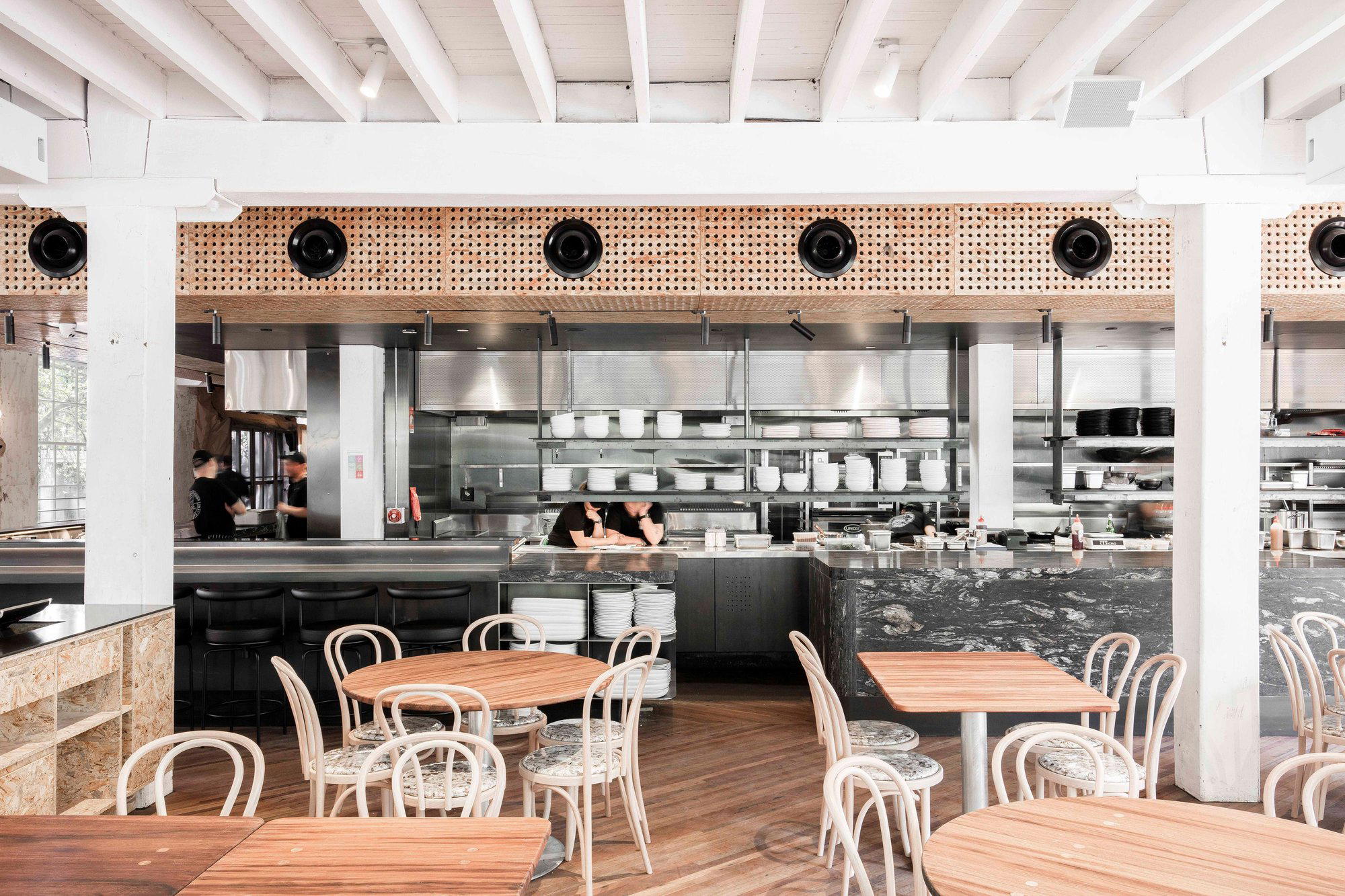
Bars in Sydney
Browse all →
Hotels in Sydney
Browse all →


At a Glance
- Lively
- Trendy
- Group Dining
- Casual Hangout
Current opening hours
- Monday
- 11:30 AM–2:30 PM, 4:30 PM–12 AM
- Tuesday
- 11:30 AM–2:30 PM, 4:30 PM–12 AM
- Wednesday
- 11:30 AM–2:30 PM, 4:30 PM–12 AM
- Thursday
- 11:30 AM–2:30 PM, 4:30 PM–12 AM
- Friday
- 11:30 AM–2:30 PM, 4:30 PM–12 AM
- Saturday
- 11:30 AM–2:30 PM, 4:30 PM–12 AM
- Sunday
- 11:30 AM–2:30 PM, 4:30 PM–12 AM
Hours can change for holidays and private events. Last verified .
Pretty, bright, and classic atmosphere with a lively vibe.