
A Michelin Plate Yunnanese restaurant in Beijing's Haidian District, La Roba takes its name from a subgroup of the Nuosu people of Yunnan, and that identity runs through the room, from the decor and staff dress to the background music. The menu works through Yunnan's regional canon, with.
Pearl is the En Primeur Club membership app — saves, bookings, and concierge access live there. Same editors, same standards.
- Address
- China, Beijing, Haidian District, 财经东路华清嘉园12-3 邮政编码: 100190
- Phone
- +86 10 8286 6755
- Directions
- Get directions
 Saves & bookings on Pearl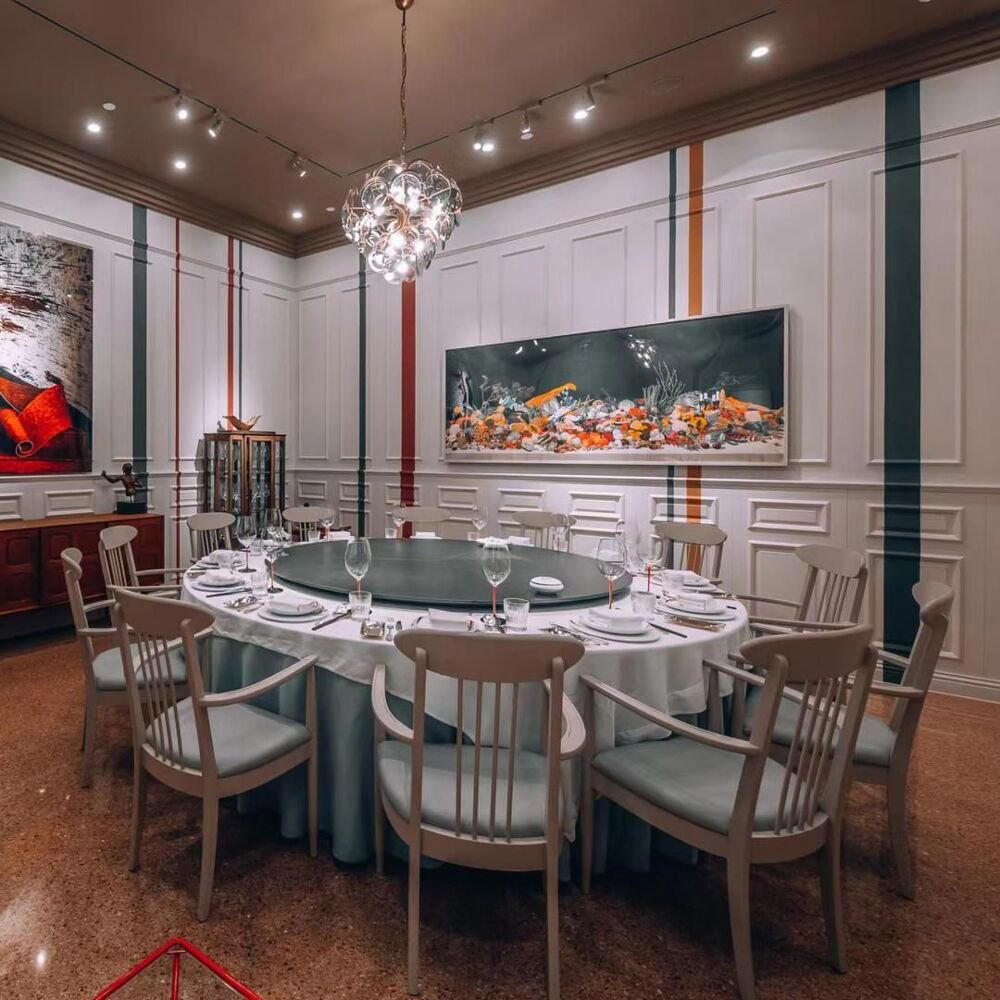
Haidian's Route to Yunnan
Beijing's relationship with regional Chinese cooking is, in some ways, more interesting than that of the regions themselves. The capital draws migrants, students, and professionals from every province, and restaurant communities tend to form around those populations. Haidian District, home to Peking University, Tsinghua, and a dense ring of tech campuses along Zhongguancun, has historically attracted southwestern Chinese in numbers large enough to sustain a real Yunnanese dining culture, not the diluted, tourist-facing version you find in some city-centre spots, but the kind of cooking that reflects what people from Yunnan actually want to eat on a Tuesday night.
La Roba sits on Caijing East Road inside the Huaqing Jiayuan residential and commercial complex at address 财经东路华清嘉园12-3, a part of Haidian that functions less as a dining destination than as a neighbourhood where people live and eat. That context matters. A restaurant in this location earns its reputation through repeat custom and word of mouth rather than tourist footfall, which tends to produce more honest cooking and more demanding regulars. Its.
What the Room Tells You
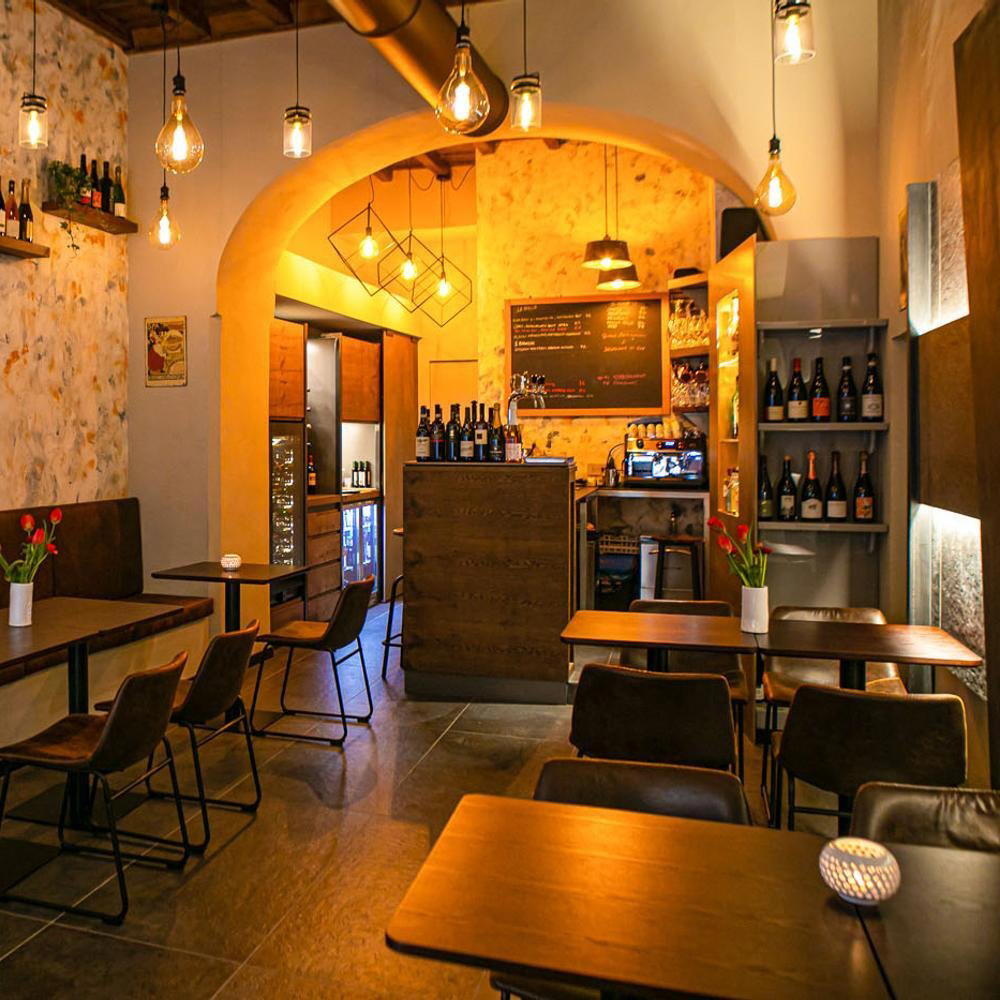
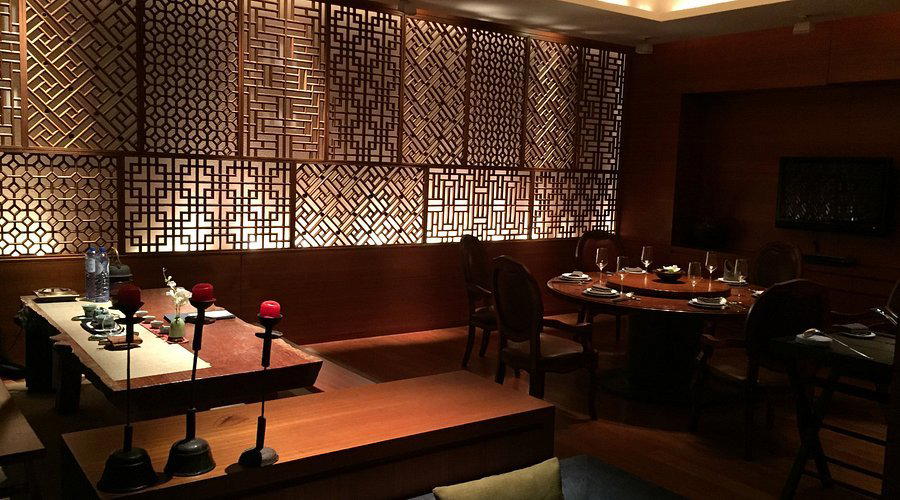
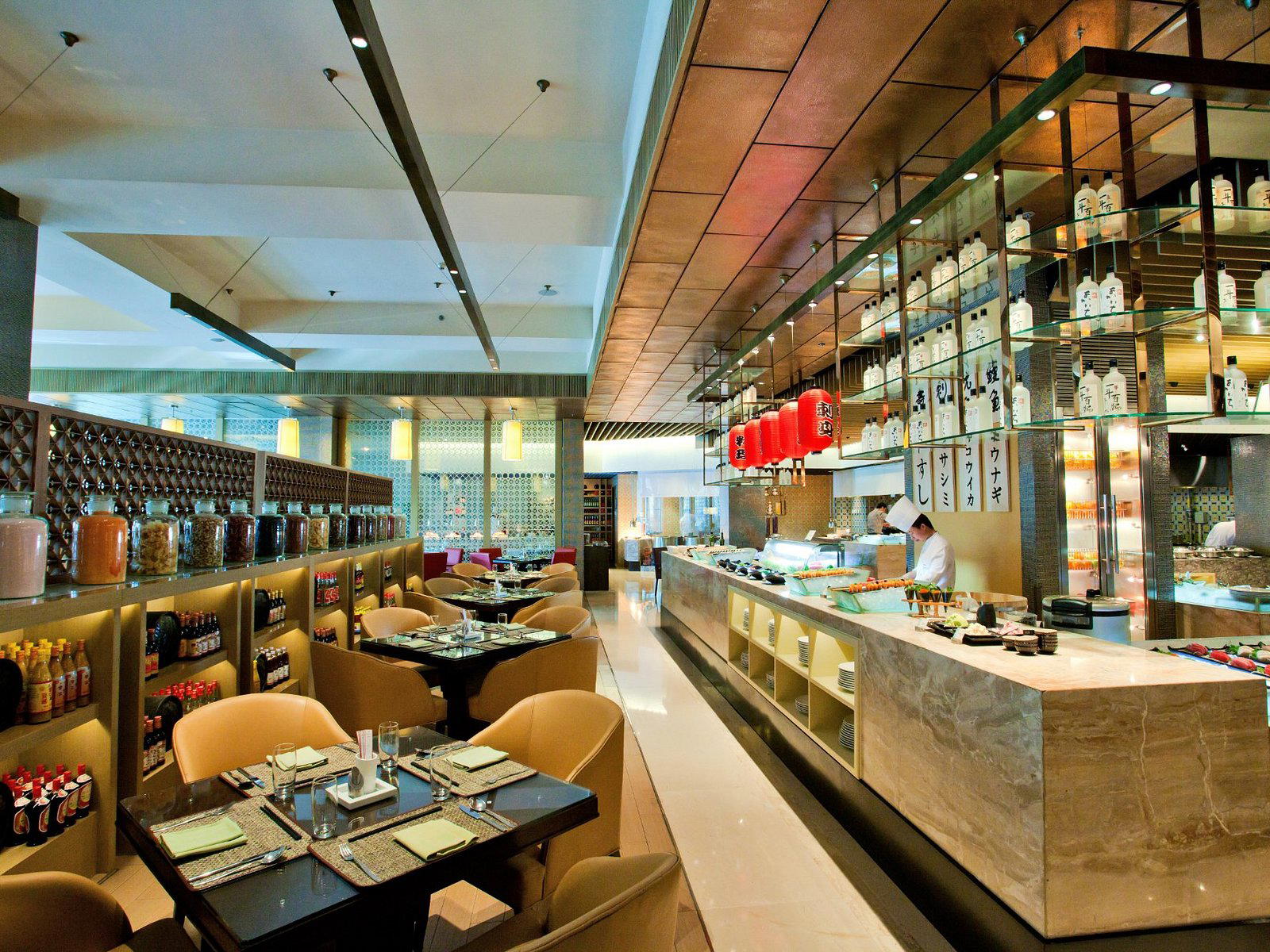
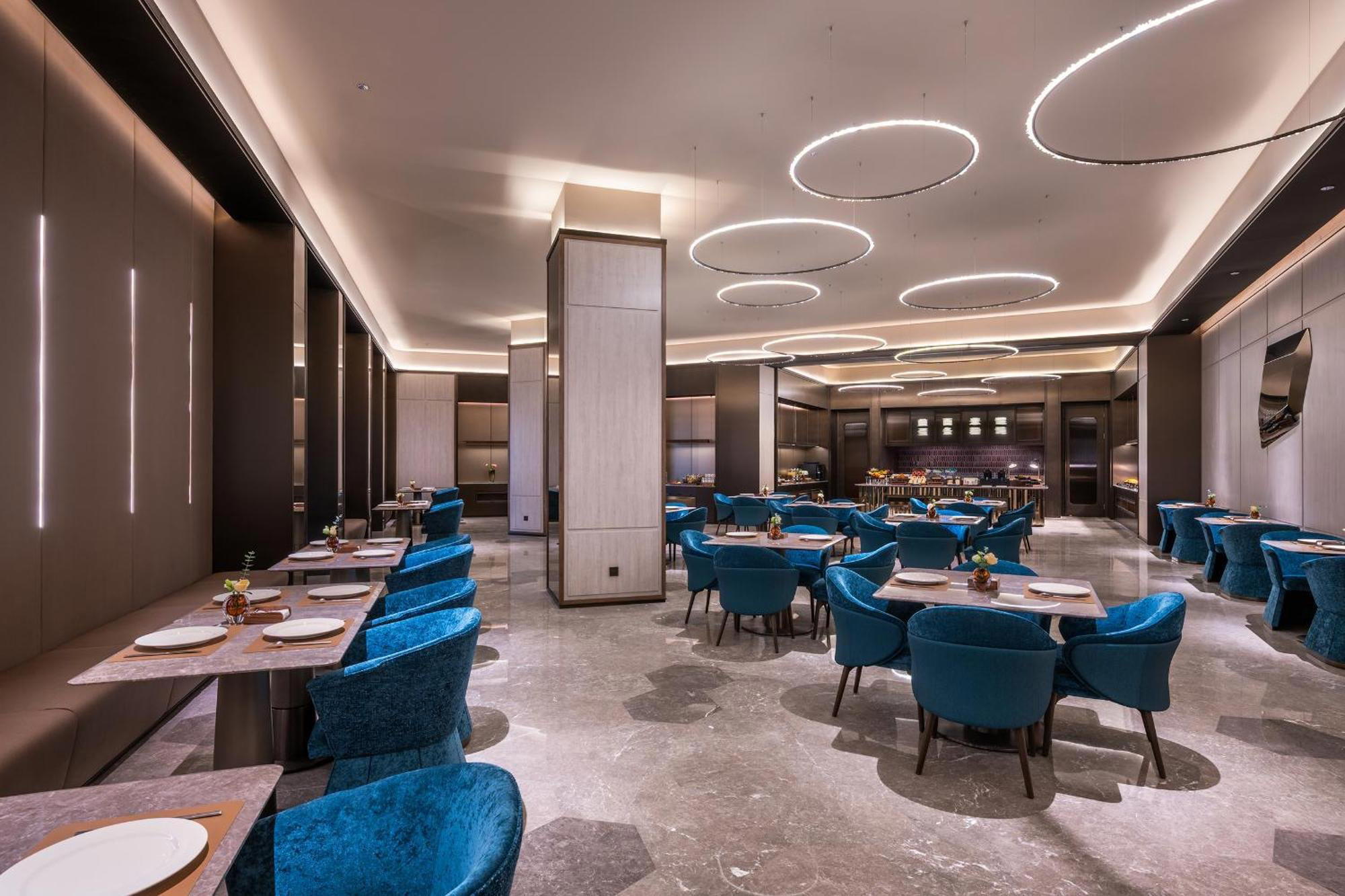
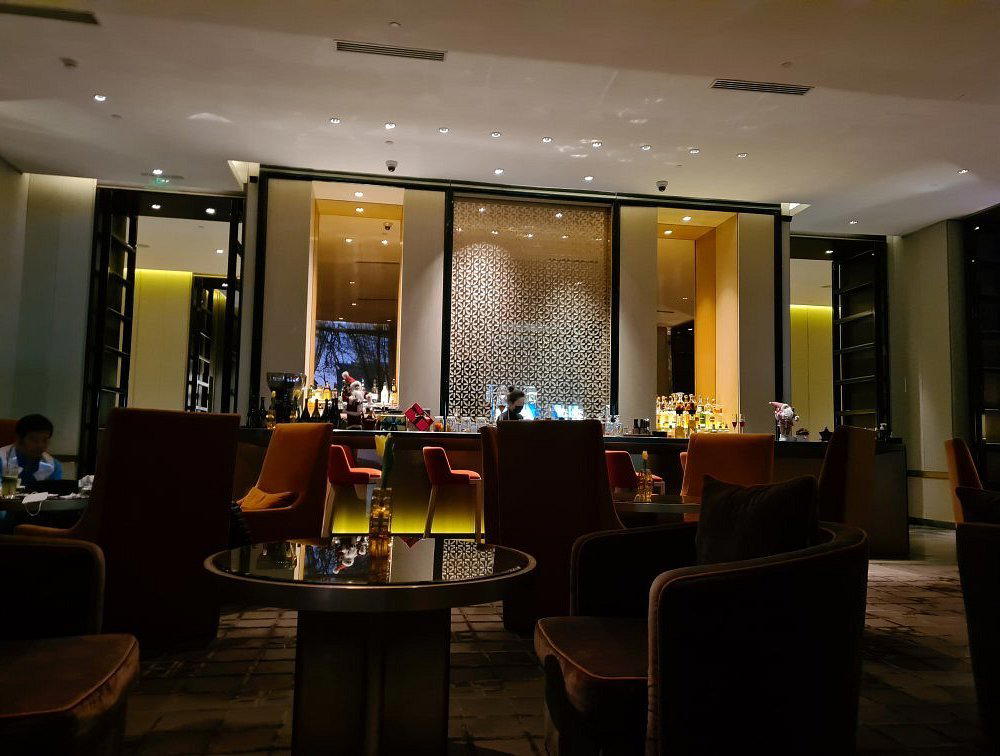
Arriving at La Roba, the first signal is the commitment to visual coherence. Yunnanese ethnic culture is represented on multiple registers simultaneously: the decor references Nuosu aesthetic traditions, the staff wear clothing drawn from that heritage, and the background music maintains the atmosphere without overwhelming conversation. This is not the kind of pan-"ethnic minority" shorthand that some regional Chinese restaurants default to. The owner named the restaurant after the La Roba subgroup of the Nuosu people specifically, and that choice is reflected in how the room is put together.
In a dining culture where Beijing's most-talked-about regional restaurants, the three-Michelin-starred Chao Shang Chao for Chaozhou cuisine, or Xin Rong Ji for Taizhou, tend to operate at the ¥¥¥¥ tier with formal service to match, the restaurant operates at ¥¥¥ and in a register that is direct, engaged, and rooted in the domestic rather than the ceremonial. The category difference is meaningful: where those rooms ask you to treat dinner as an occasion, the restaurant is the kind of place that earns loyalty through consistency.
The Yunnanese Kitchen in Context
Yunnan is one of China's most biodiverse provinces, sharing borders with Myanmar, Laos, and Vietnam, and its cooking reflects that complexity. The cuisine draws on a dozen-plus ethnic groups, each with distinct fermentation traditions, spice profiles, and agricultural products, and the result is a regional canon that sits apart from both the chilli-heat of Sichuan and the soy-and-sweetness of the Yangtze Delta. Pickled vegetables, wild mushrooms, rice noodles, and a particular relationship with sour and floral notes define the broader flavour grammar.
In Beijing, Yunnanese cooking has found a small but consistent audience. Lamdre, which holds a Michelin Star and operates at the ¥¥¥¥ tier, represents one end of that spectrum: a vegetarian interpretation with refined presentation. The restaurant occupies a different position: mid-price, ethnically specific, and focused on the kind of dishes that define the cuisine's popular repertoire. For Yunnanese cooking at this price point in other cities, the category pattern holds: Dai Tai in Xiamen and Hong 0871 in Shanghai operate in broadly similar territory, while Hong 0871 in Beijing itself represents another well-regarded option in the city for those exploring the regional canon.
What Comes to the Table
The menu at the restaurant works through Yunnan's established dishes without obvious concessions to outside tastes. Two items mentioned in the Michelin documentation give a clear indication of the kitchen's register. The millefeuille pea flour pancake, layered, chewy, and texturally distinct from wheat-based flatbreads, is a preparation that requires patience and technique; rushed versions collapse into something gummy and uniform. The Dali-style fish braised in pickled papaya is described as tart, fruity, and appetising: a flavour profile that is characteristic of the Bai ethnic tradition from Dali prefecture, where pickling is used not for preservation alone but as a primary flavour contribution. These are dishes that reward familiarity with the cuisine rather than demanding explanation.
The queue that forms at peak periods is itself an indicator. At a ¥¥¥ price point in a residential-commercial complex in Haidian, the table turning and volume needed to sustain that demand points to a kitchen operating at consistency rather than novelty.
La Roba Among Beijing's Mid-Price Regional Chinese
Beijing's Michelin-recognised Chinese restaurants cluster heavily at the leading price tiers. Jingji holds two Michelin Stars for Beijing cuisine at ¥¥¥¥. The regional-specialist restaurants with formal recognition, Chao Shang Chao, Xin Rong Ji, both sit at ¥¥¥¥ with three stars apiece. The restaurant's Michelin Plate at ¥¥ places it in a smaller tier: regional Chinese cooking that has cleared the Michelin threshold without moving into the formal dining bracket. That is, in practical terms, where most good regional Chinese eating in Beijing actually happens, and recognition at that level carries different weight than a starred room, it says the cooking holds up against consistent critical attention without the price and formality acting as buffers.
Know Before You Go
- Location: Huaqing Jiayuan 12-3, Caijing East Road, Haidian District, Beijing (100190)
- Cuisine: Yunnanese (Nuosu-rooted, Dali and broader regional canon)
- Price range: ¥¥ (mid-range)
- Recognition: Michelin Plate 2024; 4.6 Google rating
- Queues: Expect to wait at peak meal times,
- Getting there: Haidian District; nearest major landmarks are the Zhongguancun tech corridor and the Huaqing Jiayuan complex.
What Should I Order at La Roba?
The two dishes highlighted in the Michelin record are particularly reliable entry points. The millefeuille pea flour pancake, layered and chewy in a way that reflects careful preparation, is the kind of dish that distinguishes kitchens that understand Yunnanese technique from those that approximate it. The Dali-style fish braised in pickled papaya brings the sour-fruity profile that is characteristic of Bai cuisine from Dali prefecture: tart without being sharp, with the papaya contributing both acidity and body. Beyond those two, the kitchen works across Yunnan's classic repertoire, so ordering widely gives a more accurate read of the range. At ¥¥, the risk of over-ordering is low.
Comparable Spots, Quickly
Comparable venues nearby, for context on price, style, and recognition.
| Venue | Cuisine | Price | Awards | Notes |
|---|---|---|---|---|
| La RobaThis venue — the venue you are viewing | Yunnanese | $$$ | Michelin Plate | Not listed |
| Ji Chuan | Modern Sichuan (Chongqing-inspired) | $$$ | Michelin Plate | Chaowai |
| Yue Jie (Qi Yang Road) | Cantonese Classics | $$$ | Michelin Plate | Dashanzi |
| Fu Man Yuan (Xinyuanli) | Beijing Home-Style Cuisine | $$$ | Michelin Plate | Dongcheng |
| Yu De Fu (Dongzhimennei Street) | Traditional Beijing Instant-Boiled Mutton Hotpot | $$$ | Michelin Plate | Chaowai |
| Xiang Shang Xiang (Jinhe East Road) | Modern Hunanese Tasting | $$$ | Michelin Plate | Chaoyang |
Recognition history
Dated appearances from independent guides and award organizations, with the underlying list record or original source where available.
Michelin Plate
Michelin
Michelin Plate
Michelin

At a Glance
- Rustic
- Cozy
- Family
- Casual Hangout
Current opening hours
- Monday
- 10 AM–1 AM
- Tuesday
- 10 AM–1 AM
- Wednesday
- 10 AM–1 AM
- Thursday
- 10 AM–1 AM
- Friday
- 10 AM–1 AM
- Saturday
- 10 AM–1 AM
- Sunday
- 10 AM–1 AM
Hours can change for holidays and private events. Last verified .
Exotic ethnic flair in decor, artwork, waiters’ outfits, and background music creating an authentic Yunnan atmosphere.