Xaya
Our verdict
Xaya occupies a address on Rue Saint-Jean in the heart of Saint-Jean-de-Luz, one of the Basque Coast's most characterful small towns. The restaurant sits within a dining scene shaped by strong local culinary tradition — piperade, ttoro, and aged Ossau-Iraty are the regional currencies — and draws from that foundation while engaging a more contemporary register. For visitors approaching the town's tighter, more serious end of the table, Xaya is a reference point worth understanding before you book.

Pearl is the En Primeur Club membership app — saves, bookings, and concierge access live there. Same editors, same standards.
- Address
- 5 Rue Saint-Jean, 64500 Saint-Jean-de-Luz, France
- Phone
- +33559477548
- Hours
- Mon ClosedTue 5–9:30 PMWed–Sat 10 AM–2 PM, 5–9:30 PMSun 10 AM–2 PM
- Website
- xaya-restaurant.fr
- Directions
- Get directions
- Booking
- Book on Zenchef
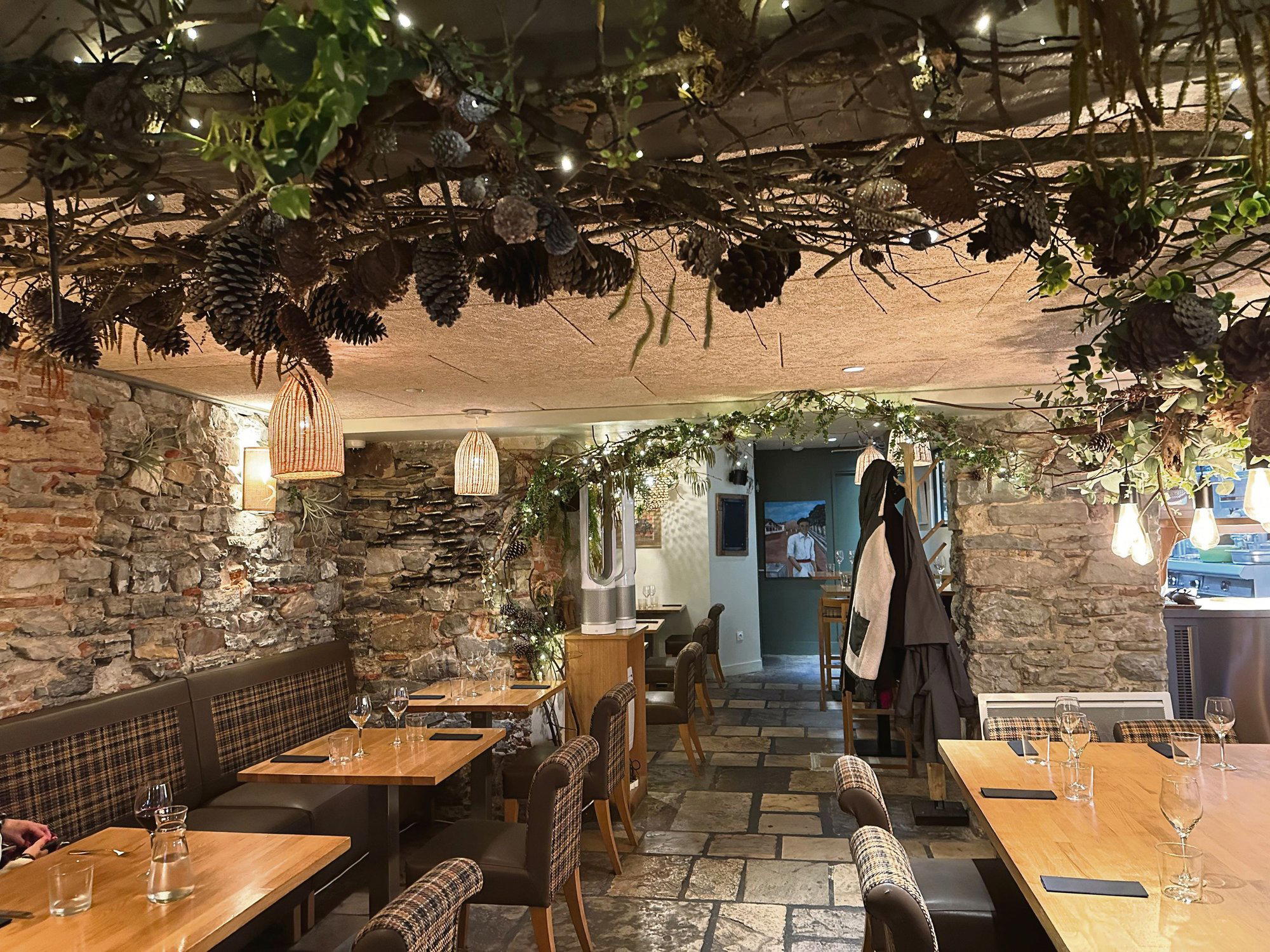
Eating on Rue Saint-Jean: What the Street Tells You Before You Walk In
Saint-Jean-de-Luz has a way of concentrating its leading food within a compact grid. The old town — bounded by the port, the covered market on the Halles, and the pedestrian arteries running toward the church of Saint-Jean-Baptiste — contains a density of serious tables that punches well above what you'd expect from a coastal town of under fourteen thousand residents. Rue Saint-Jean sits near the centre of that grid, and an address there locates a venue squarely in the pedestrian flow that connects the market's morning produce to the evening's dining circuit. Xaya operates at that address, at number five, and in a town where location carries strong signal, that placement matters.
The Basque Country has always treated its food with a particular seriousness. This is a region where the txoko, the private gastronomic society, historically all-male, where members cook elaborately for each other, invented a culture of ritual around the meal decades before it became fashionable elsewhere in Europe. The meal here is not incidental. It has a pace, a sequence, a grammar. Restaurants that understand this tend to build their format around that grammar rather than against it. The dining ritual in the French Basque Country moves through distinct phases: a small glass of txakoli or a local Irouléguy white to open, then a sequence of starters that allow the kitchen to show range before the central plate arrives. It is unhurried by design, not by accident.
The Context Xaya Operates In
Saint-Jean-de-Luz's restaurant scene has split, over the past decade, along a recognisable axis. On one side: the long-established houses serving classic Basque bistro cooking, piperade with Bayonne ham, fresh-caught ttoro ladled from wide terracotta, grilled axoa de veau with Espelette pepper. On the other: a smaller cohort of addresses that work within the Basque ingredient canon but apply a more contemporary sensibility to format and technique. Xaya operates in a town where both currents run, and an address on Rue Saint-Jean places it in proximity to La Taverne Basque, which represents the more traditional end of the local spectrum, and Chez Pablo, another reference point in the town's mid-range. The question worth asking, when looking at any newer address in this town, is where it positions itself along that axis, and what it draws from the tradition versus what it sets aside.
Across France more broadly, the regional restaurant moment is real and well-documented. Addresses like Bras in Laguiole have made the case, over decades, that deeply rooted regional cooking can operate at the highest level without deferring to Parisian convention. Mirazur in Menton did something similar from its Ligurian coastal position. The French regional fine dining tradition is not a consolation bracket below Paris, it is its own register, with its own vocabulary. In the Basque Country, that vocabulary is particularly strong: the produce, the fishing heritage, the pepper culture, the cheese-making tradition around Ossau-Iraty. A restaurant here that handles those ingredients with care and intelligence has real material to work with. Venues further afield, Flocons de Sel in Megève, Auberge de l'Ill in Illhaeusern, show what that regional seriousness can look like when carried through consistently over time.
The Dining Ritual at This Level of the Table
In towns like Saint-Jean-de-Luz, where the summer season compresses a large proportion of the year's covers into July and August, the pacing of the meal becomes particularly important. The leading addresses manage that compression without shortening the experience, they protect the sequence. A table at lunch in high summer here can feel entirely different from a table in May or October, when the town returns to something closer to its working rhythm and the kitchen has more room to breathe. Timing a visit outside the peak weeks, if the itinerary allows, usually produces a different quality of attention. The Halles market, which supplies many of the serious kitchens in the area with morning fish and local vegetables, operates year-round, which means the seasonal ingredient story doesn't close in winter even if some dining rooms do.
For a broader view of what's available across the town's different registers, Café Belardi, Kako Etxea, and Les Lierres each offer a distinct entry point into the local scene. Our full Saint Jean De Luz restaurants guide maps the range more completely.
Planning a Visit
Xaya sits at 5 Rue Saint-Jean, 64500 Saint-Jean-de-Luz, walkable from the train station (Saint-Jean-de-Luz – Ciboure is on the TGV Atlantique line, with direct services from Paris Montparnasse) and from the central car parks near the port. Given the volume of summer visitors to this stretch of the Basque Coast, booking ahead is advisable for any weekend table between late June and early September. Phone and online booking details are best confirmed directly, as seasonal operations in a town this size can shift year to year. Arriving without a reservation during peak weeks is a risk that rarely pays off at the addresses that matter.
The French restaurant scene at the level that draws international attention, Alléno Paris au Pavillon Ledoyen, Assiette Champenoise in Reims, AM par Alexandre Mazzia in Marseille, operates on booking windows of months, sometimes longer. The Saint-Jean-de-Luz tier is more accessible, but the principle holds: the leading tables fill early, and the Basque Coast's profile has risen enough that some addresses here now field demand they would not have seen five years ago. Internationally, comparably serious small-city dining rooms like Le Bernardin in New York City or Atomix in New York City demonstrate what sustained quality signals do to booking pressure over time. The local lesson is the same.
For context on what the French regional dining tradition has produced at its most sustained, and what it suggests about the direction a serious Basque address might aspire toward, Troisgros - Le Bois sans Feuilles in Ouches, Paul Bocuse - L'Auberge du Pont de Collonges in Collonges-au-Mont-d'Or, and Au Crocodile in Strasbourg each represent a different chapter in the same long story.
Frequently asked questions
Where is Xaya located?
Xaya is located at 5 Rue Saint-Jean, 64500 Saint-Jean-de-Luz, France, Saint Jean De Luz.
Is Xaya within walking distance of the Saint-Jean-de-Luz train station?
Yes. Xaya is at 5 Rue Saint-Jean in the old town, and Saint-Jean-de-Luz – Ciboure station is on the TGV Atlantique line, making the restaurant accessible from Bordeaux and Biarritz without a car. The station sits at the edge of the town centre, and the old town grid — including Rue Saint-Jean — is a short walk from the platforms.
What dish is Xaya famous for?
Specific menu details for Xaya have not been publicly documented at this time. The restaurant sits on Rue Saint-Jean in the heart of Saint-Jean-de-Luz's old town, a neighbourhood shaped by Basque fishing tradition and the daily produce of the covered Halles market — both of which tend to define what appears on plates in this part of France. Checking directly with the restaurant before visiting is the surest way to know what is being served.
How hard is it to get a table at Xaya?
Saint-Jean-de-Luz compresses a large share of its annual covers into July and August, when the Basque coast draws visitors from across France and Spain. Restaurants of Xaya's address profile on Rue Saint-Jean tend to fill quickly during that window. Booking several weeks ahead for summer visits is advisable; shoulder season — May, June, September — typically offers more flexibility.
What has Xaya built its reputation on?
Xaya operates at 5 Rue Saint-Jean, a street that sits within the compact grid of Saint-Jean-de-Luz's old town between the port and the Halles market. In a town where the restaurant scene has split between long-established Basque houses and a newer wave of more focused cooking, Xaya's position on that street places it in a part of the city associated with considered, local-produce-driven dining. Formal awards documentation is not currently on record.
Is Xaya good for vegetarians?
No menu details are publicly available for Xaya at this stage, so vegetarian provision can change. Saint-Jean-de-Luz's Basque culinary tradition is heavily anchored in fish, seafood, and meat — txangurro, axoa, and grilled fish from the port are the regional staples. Contacting Xaya directly before visiting is the only reliable way to confirm current vegetarian options. Check the venue's official channels for the latest details.
Where It Fits
Comparable venues nearby, for context on price, style, and recognition.
| Venue | Cuisine | Price | Awards | Notes |
|---|---|---|---|---|
| XayaThis venue — the venue you are viewing | Modern French Basque Bistro | $30–50 | Not listed | Not listed |
| Txalupa | Basque Seafood & Regional French | $30–50 | Not listed | Place des Corsaires / Place Louis XIV |
| Ostalamer | Basque Seafood Grill | $30–50 | Not listed | Lafitenia |
| Maison Amaé | French Basque Tapas & Cocktails | $50–100 | Michelin Plate | Saint-Jean-de-Luz |
| Café Belardi | Modern French Neo-Bistro | $20–30 | Not listed | downtown |
| L'Essentiel | Modern French Bistro | $50–100 | Michelin Plate | centre-ville |
Continue exploring
More in Saint-Jean-de-Luz
Restaurants in Saint-Jean-de-Luz
Browse all →
Bars in Saint-Jean-de-Luz
Browse all →

Xaya
The wine
- Wine program
- Curated wine list
- Extensive wine list
Details
- Cozy
- Elegant
- Intimate
- Date Night
- Special Occasion
- Open Kitchen
- Extensive Wine List
- Local Sourcing
- A La Carte
- Set Menu
- Vegetarian Friendly
Current opening hours
- Monday
- Closed
- Tuesday
- 5–9:30 PM
- Wednesday
- 10 AM–2 PM, 5–9:30 PM
- Thursday
- 10 AM–2 PM, 5–9:30 PM
- Friday
- 10 AM–2 PM, 5–9:30 PM
- Saturday
- 10 AM–2 PM, 5–9:30 PM
- Sunday
- 10 AM–2 PM
Hours can change for holidays and private events. Last verified .
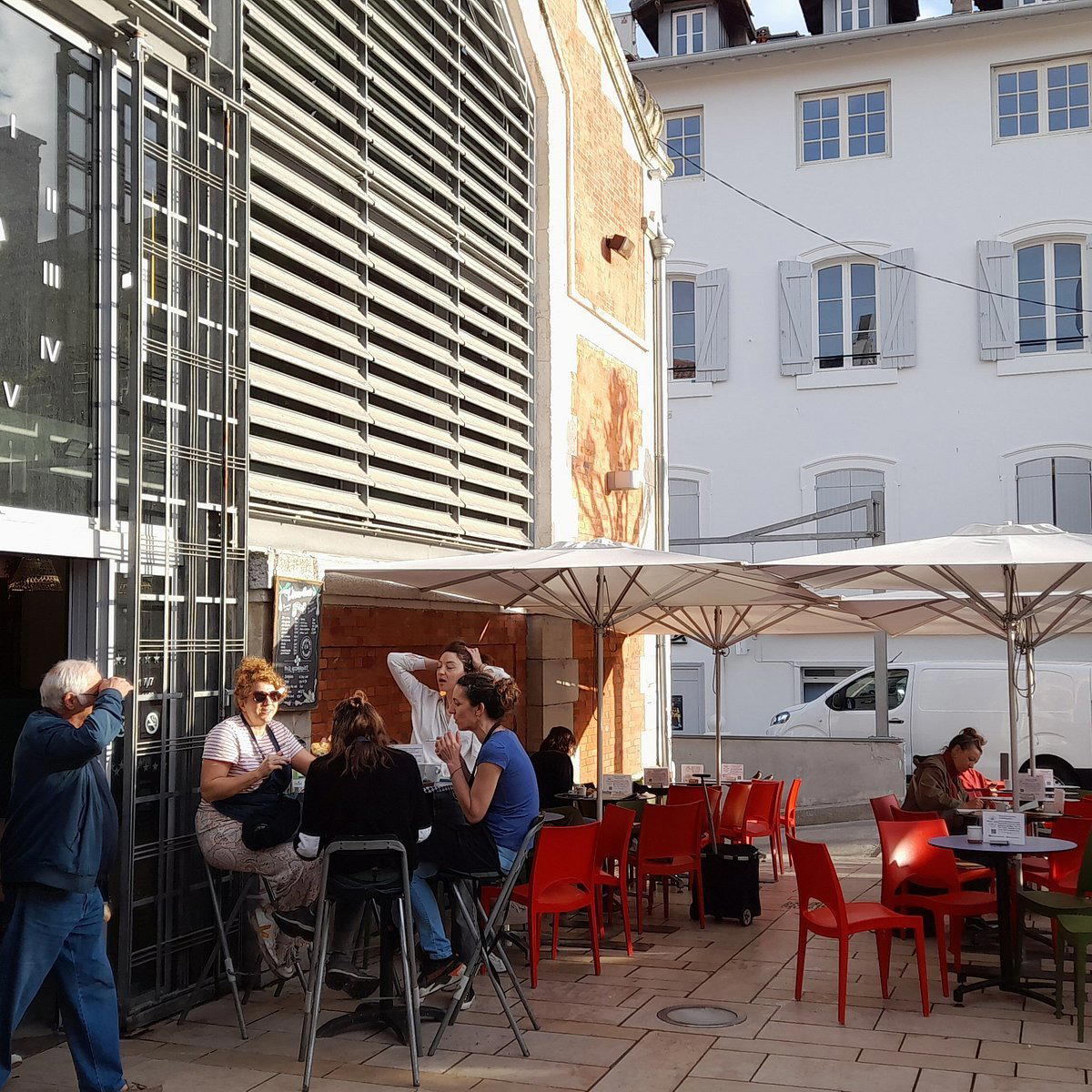
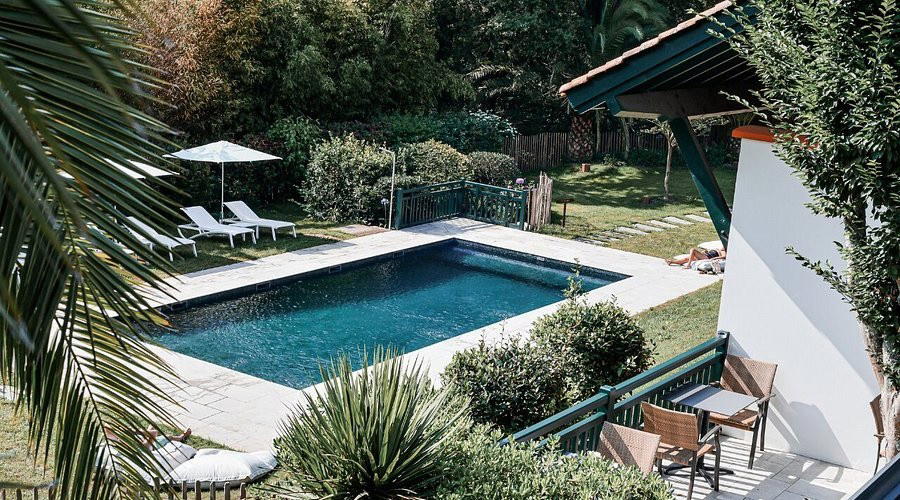
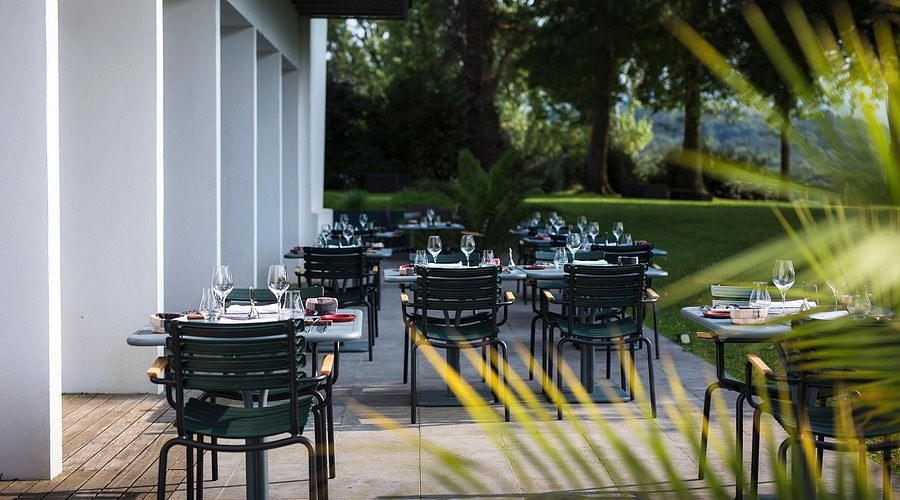
Cozy and warm atmosphere with a contemporary and inviting feel, well-suited for intimate dinners.