Café Belardi
A neighbourhood café on Avenue Joachim Labrouche, Café Belardi sits in one of the Basque Coast's most ingredient-rich corners, where the Atlantic and the Pyrenean foothills supply the table in roughly equal measure. The address places it within easy reach of Saint-Jean-de-Luz's covered market and fishing quay, making it a practical base for understanding how this corner of France eats at street level.
Pearl is the En Primeur Club membership app — saves, bookings, and concierge access live there. Same editors, same standards.
- Address
- 5 Av. Joachim Labrouche, 64500 Saint-Jean-de-Luz, France
- Phone
- +33686042446
- Website
- instagram.com
- Directions
- Get directions
 Saves & bookings on Pearl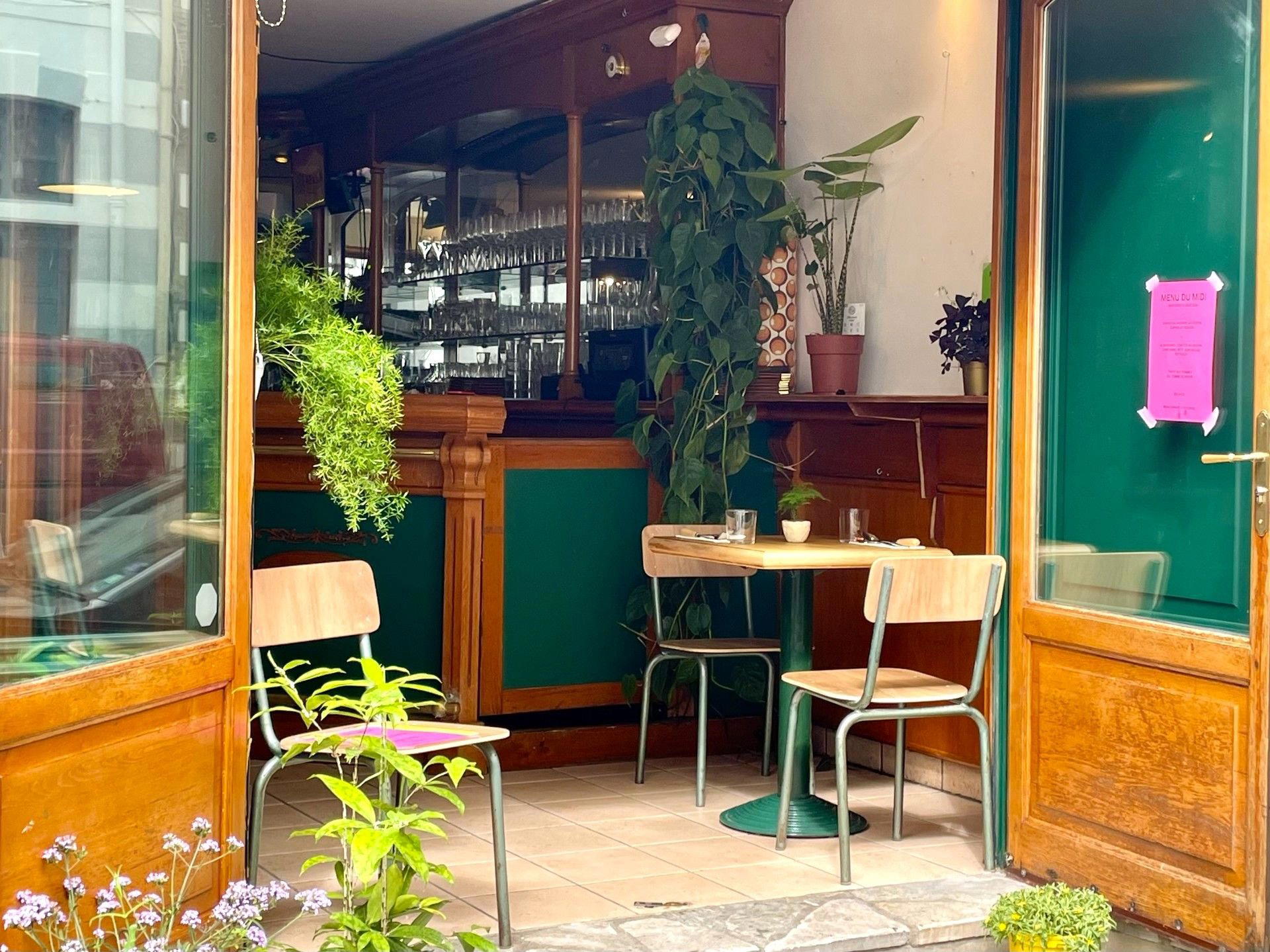
Where the Basque Kitchen Starts: At the Source
Saint-Jean-de-Luz occupies a particular position in French food geography. The town sits at the point where Atlantic fishing tradition meets the agriculture of the Basque interior, and that convergence shapes every café, bistro, and restaurant table in the place. Piperade made with Espelette pepper grown a short drive inland, fresh anchovies pulled from boats that dock a few hundred metres from the town centre, axoa of veal from herds raised in the foothills behind Hendaye: the ingredients here have short chains, and that brevity shows on the plate. Café Belardi is a Modern French Neo-Bistro at 5 Av. It sits inside this supply geography in direct sense. The address is close enough to the covered market and the fishing quay that sourcing is less a philosophy than a simple logistical reality.
This matters because it positions a place like Café Belardi differently from cafés in French cities where ingredient provenance requires deliberate effort and usually a marketing argument. Here, cooking with what is local and seasonal is the default mode, not a point of distinction. The question for any table in Saint-Jean-de-Luz is less whether ingredients are sourced well and more how the kitchen handles them once they arrive.
The Basque Café Tradition and What It Demands
The café format in the Basque Country carries different expectations than its Parisian equivalent. A Basque café is frequently a full-service eating room as much as a drinking space, and the food that comes out of even modest kitchens tends to reflect the depth of a regional canon that includes chipirons à l'encre, ttoro (the local fish stew that borrows some structural logic from bouillabaisse but stays firmly Basque in its flavour register), and gâteau Basque in its two principal forms: cherry preserve or pastry cream. These are not restaurant dishes dressed down; they are the actual everyday cooking of the region, and the cafés that execute them well do so because the kitchen has been making them for years without variation.
For context on how this regional tradition scales up, the Basque Country's influence reaches into some of France's most decorated dining rooms. Mirazur in Menton and Les Prés d'Eugénie - Michel Guérard in Eugénie-les-Bains both draw on south-west French ingredients and tradition, as does Bras in Laguiole, though from a different regional axis. The distance between those formal dining rooms and a neighbourhood café in Saint-Jean-de-Luz is not always as wide as price points suggest when the underlying ingredients share the same terroir.
Approaching the Address
Avenue Joachim Labrouche runs through a residential and commercial quarter of Saint-Jean-de-Luz that sits slightly away from the main tourist circuit around the port and the Place Louis XIV. That separation is not dramatic, but it is legible: fewer souvenir displays, more functional commerce, a clientele that skews local. Approaching Café Belardi, the physical environment reflects this character. The street does not perform for visitors in the way the seafront does, which in practice means a room that reads as a working neighbourhood café rather than a curated experience.
This placement connects the restaurant to a category of French provincial eating that is increasingly hard to find in towns that have become popular with summer tourism. Saint-Jean-de-Luz receives significant seasonal traffic, particularly from July through August when the Basque Coast draws visitors from across France and from Spain via the border at Hendaye. In high season, the tables closest to the water and the old town fill with tourists. Cafés on streets like Avenue Joachim Labrouche tend to maintain a different rhythm.
How Café Belardi Fits the Saint-Jean-de-Luz Table
Saint-Jean-de-Luz's restaurant range covers several registers. Maison Amaé and Les Lierres represent the more considered, seated-dinner tier of the town's eating. La Taverne Basque, Kako Etxea, and Chez Pablo each handle the regional canon at different angles. The restaurant occupies the café-register end of this local spectrum, which in the Basque Country means a format built around accessibility, regularity, and the kind of food that is eaten daily rather than on occasion.
That register connects to a broader French café tradition that the country's most decorated restaurants reference as a counterpoint. Georges Blanc in Vonnas, Paul Bocuse - L'Auberge du Pont de Collonges in Collonges-au-Mont-d'Or, and Auberge de l'Ill in Illhaeusern all built their reputations on regional French cooking executed at the highest level. The neighbourhood café is where that same cooking lives without ceremony. Further afield, Flocons de Sel in Megève, Troisgros - Le Bois sans Feuilles in Ouches, Alléno Paris au Pavillon Ledoyen in Paris, and La Table du Castellet in Le Castellet demonstrate the formal ceiling of French regional ambition, while outside France, Le Bernardin in New York City and Lazy Bear in San Francisco show how French-influenced technique travels. The café is the other end of that spectrum: no tasting menu, no ceremony, just the food that makes the tradition worth studying in the first place.
Planning Your Visit
The restaurant is located at 5 Avenue Joachim Labrouche in Saint-Jean-de-Luz, a short walk from the town centre. Visitors arriving by train will find the SNCF station close by; Saint-Jean-de-Luz-Ciboure is served by TGV connections from Paris Montparnasse, with the journey running roughly five hours. The town is also accessible by road from Biarritz airport, approximately 25 kilometres north. Current hours, booking policy, and pricing should be checked before visiting, particularly during the summer months when the Basque Coast operates at its highest capacity.
Comparable Venues
Comparable venues nearby, for context on price, style, and recognition.
| Venue | Cuisine | Price | Notes |
|---|---|---|---|
| Café BelardiThis venue — the venue you are viewing | Modern French Neo-Bistro | $$ | Not listed |
| Maison Amaé | French Basque Tapas & Cocktails | $$$ | Saint-Jean-de-Luz |
| Chez Pablo | Traditional Basque Bistro | $$ | Saint-Jean-de-Luz |
| Kako Etxea | Traditional Basque Bistro | $$ | Halles |
| Ostalamer | Basque Seafood Grill | $$ | Lafitenia |
| Xaya | Modern French Basque Bistro | $$ | historic center |
Continue exploring
More in Saint-Jean-de-Luz
Restaurants in Saint-Jean-de-Luz
Browse all →
Bars in Saint-Jean-de-Luz
Browse all →
At a Glance
- Trendy
- Cozy
- Casual Hangout
- Open Kitchen
- Local Sourcing
Current opening hours
- Monday
- Closed
- Tuesday
- Closed
- Wednesday
- 12–2 PM, 7:30–10 PM
- Thursday
- 12–2 PM, 7:30–10 PM
- Friday
- 12–2 PM, 7:30–10 PM
- Saturday
- 12–2 PM, 7:30–10 PM
- Sunday
- Closed
Hours can change for holidays and private events. Last verified .
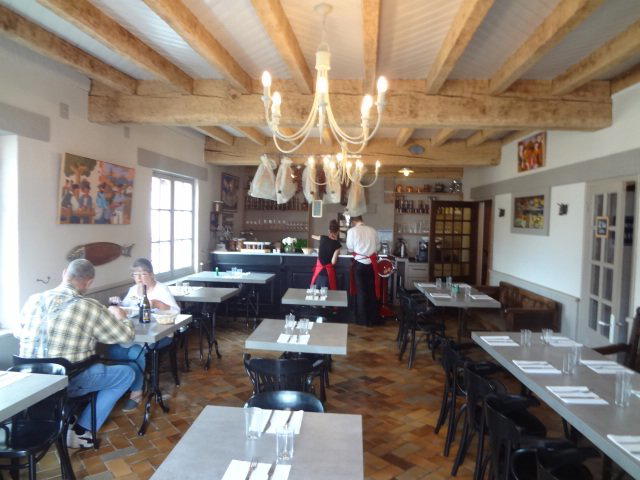
Seventies light fixtures, zinc bar, brown tile floors, and cookbooks create a cheerful, casual atmosphere.