Kako Etxea
On Rue du Maréchal Harispe in the heart of Saint-Jean-de-Luz, Kako Etxea sits within a dining scene shaped by Basque culinary tradition and Atlantic proximity. The address places it steps from the town's historic centre, where the line between French and Basque cooking has always been blurred by geography and appetite. It is a reference point for understanding how this corner of the Pyrenean coast eats.
Pearl is the En Primeur Club membership app — saves, bookings, and concierge access live there. Same editors, same standards.
- Address
- 18 Rue du Maréchal Harispe, 64500 Saint-Jean-de-Luz, France
- Phone
- +33559851070
- Directions
- Get directions
 Saves & bookings on Pearl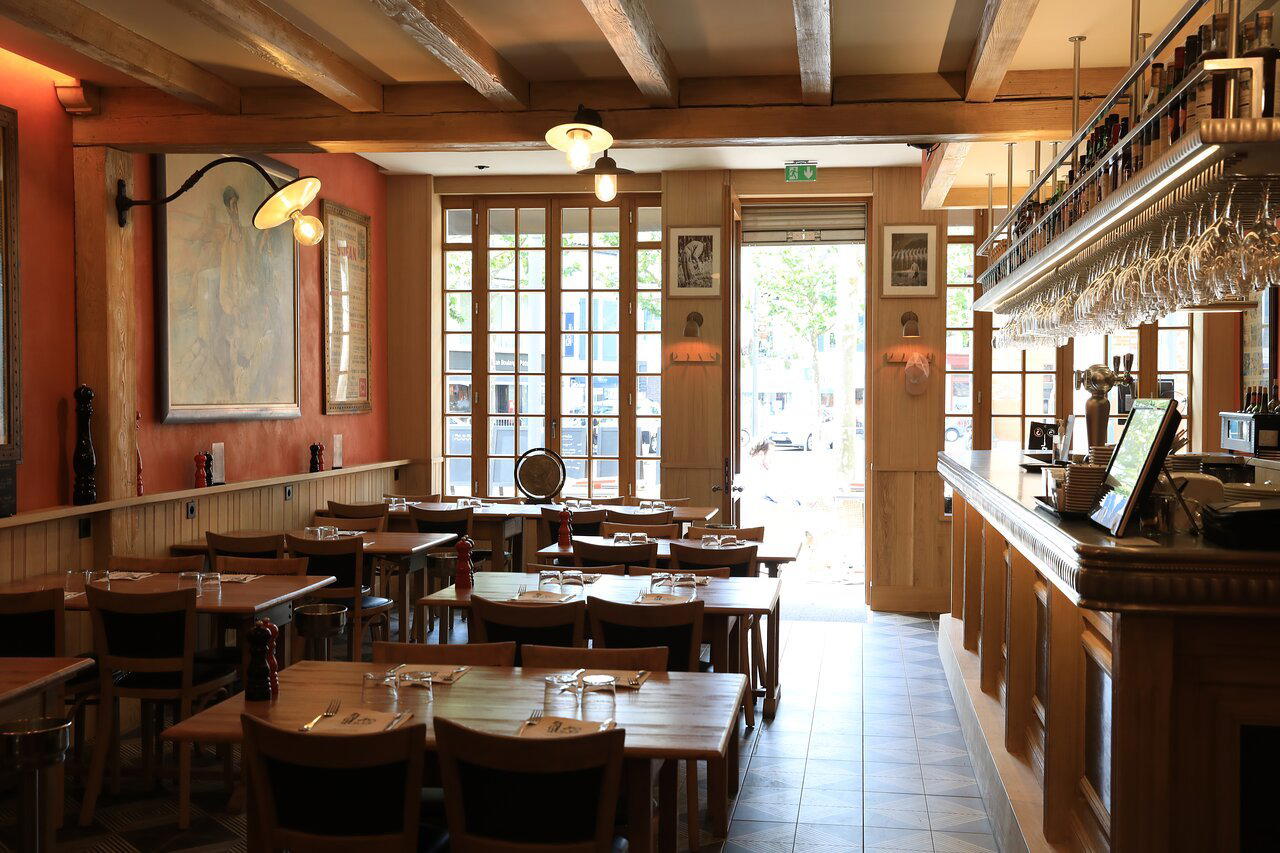
Saint-Jean-de-Luz and the Architecture of Basque Eating
Rue du Maréchal Harispe runs close to the waterfront in Saint-Jean-de-Luz, a town whose eating habits have been shaped by two overlapping forces: the Atlantic fishing tradition that made it wealthy in the seventeenth century, and the Basque culinary identity that has never fully dissolved into broader French gastronomy. Restaurants on this street, and the narrow lanes branching off it, sit inside that dual inheritance. The cooking here tends to prioritise ingredient directness over architectural complexity, and the social format of a meal leans toward the long and unhurried rather than the tightly sequenced.
Kako Etxea, at number 18 on that street, is a traditional Basque bistro at 18 Rue du Maréchal Harispe in Saint-Jean-de-Luz. The address alone signals something: the town's restaurant geography clusters its more serious tables close to the old port and the central square, away from the seasonal tourist corridor that stretches toward the beach. To find yourself on Rue du Maréchal Harispe is to be moving through the part of Saint-Jean-de-Luz that the locals use year-round, not just in August.
How a Menu Reads in Basque Country
In French Basque Country, a restaurant's menu is often a document of geography before it is a document of technique. The Atlantic coastline delivers merlu (hake), txipirón (squid), and anchovy; the Pyrenean foothills bring lamb, Ossau-Iraty cheese, and piment d'Espelette, the dried pepper that functions as both seasoning and cultural marker across virtually every kitchen in the region. A well-constructed menu in this tradition does not need to announce its local credentials, because the ingredients do that work themselves.
What distinguishes individual restaurants is not departure from this framework but depth of engagement with it. The kitchens that command one attention in this part of France are those that handle the region's primary materials, particularly its fish, with precision rather than embellishment. A plate of hake in Saint-Jean-de-Luz is a more meaningful test of a kitchen than almost anything that requires imported produce or elaborate reduction. The simplicity is the difficulty.
This structural logic, common across the Basque coast from San Sebastián to Bayonne, places a particular kind of pressure on menus. There is limited hiding room. The seasonal vegetables from the valley, the fish landed at the port a few streets away, the local cheese served at the end with black cherry jam from Itxassou: these are known quantities to anyone who eats here regularly, and the kitchen's relationship with them is what diners are actually reading when they look at the card.
The Town's Restaurant comparable set
Saint-Jean-de-Luz has a compact but layered dining scene. The town's size means that restaurants operate within a relatively tight social economy: regulars return often, kitchens know their suppliers personally, and word-of-mouth carries more weight than review platforms. In this environment, consistency over a long season matters more than a single polished service.
Within the local comparable set, different addresses occupy different tiers. Maison Amaé and Les Lierres represent different approaches to the same local-produce framework, while La Taverne Basque anchors the more traditional end of the spectrum. Café Belardi and Chez Pablo fill out the middle range, where the focus shifts more explicitly toward the convivial than the considered. Kako Etxea sits within this comparable set, positioned by its address and the nature of Basque restaurant culture in a town that rewards return visits over first impressions.
The broader French restaurant conversation, represented at its formal apex by institutions like Alléno Paris au Pavillon Ledoyen, Troisgros in Ouches, Auberge de l'Ill in Illhaeusern, Assiette Champenoise in Reims, Au Crocodile in Strasbourg, Flocons de Sel in Megève, and Paul Bocuse in Collonges-au-Mont-d'Or, exists in a parallel category. Those tables operate at a level of institutional recognition and formal structure that the Basque coast neither aspires to nor requires. The value proposition here is different: proximity to source, informality of delivery, and the specific pleasures of a coastal Basque meal taken at pace.
Getting There and Planning Around the Season
Saint-Jean-de-Luz sits on the French Atlantic coast roughly 20 kilometres south of Biarritz, and the town's restaurant calendar follows a seasonal rhythm that any visitor should factor into planning. August is the compressed peak: tables fill weeks in advance, the streets are at their most animated, and kitchens operate at full capacity. The shoulder months of May, June, and September offer the same produce quality with considerably less pressure on bookings.
Where the Accolades Land
Comparable venues nearby, for context on price, style, and recognition.
| Venue | Cuisine | Price | Awards | Notes |
|---|---|---|---|---|
| Kako EtxeaThis venue — the venue you are viewing | Traditional Basque Bistro | $$ | Not listed | Not listed |
| Chez Pablo | Traditional Basque Bistro | $$ | Not listed | Saint-Jean-de-Luz |
| La Taverne Basque | Traditional Basque Bistro | $$ | Not listed | Rue de la République |
| Les Lierres | French Basque Fine Dining | $$$ | Not listed | Parc Victoria |
| L'Essentiel | Modern French Bistro | $$$ | Michelin Plate | centre-ville |
| Petit Grill Basque | Traditional Basque Bistro | $$$ | Michelin Plate | Saint-Jean-de-Luz |
Continue exploring
More in Saint-Jean-de-Luz
Restaurants in Saint-Jean-de-Luz
Browse all →
Bars in Saint-Jean-de-Luz
Browse all →
At a Glance
- Cozy
- Rustic
- Classic
- Casual Hangout
- Group Dining
- Open Kitchen
- Extensive Wine List
- Local Sourcing
Current opening hours
- Monday
- 9:30 AM–2 PM, 7:20–9:30 PM
- Tuesday
- 7 AM–2 PM, 7:20–9:30 PM
- Wednesday
- 9:30 AM–2 PM, 7:20–9:30 PM
- Thursday
- 9:30 AM–2 PM, 7:20–9:30 PM
- Friday
- 7 AM–2 PM, 7:20–10 PM
- Saturday
- 9:30 AM–2 PM, 7:20–10 PM
- Sunday
- 9:30 AM–2 PM, 7:20–9:30 PM
Hours can change for holidays and private events. Last verified .
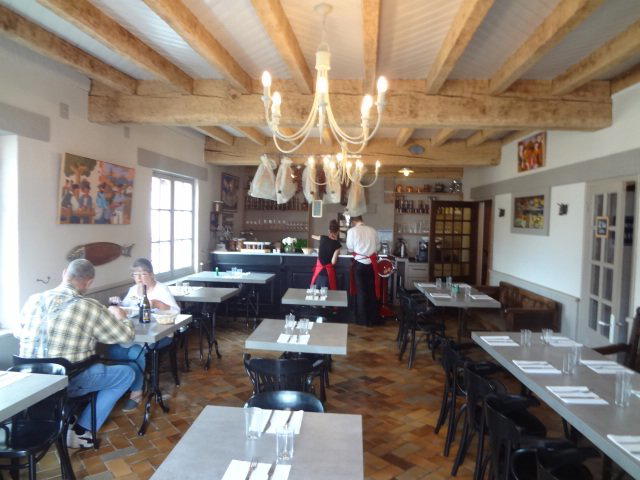
Chaleureuse and unpretentious atmosphere with old-fashioned stone decor and a committed team.