Maison Amaé

Michelin Plate
Our verdict
Maison Amaé sits on Boulevard Adolphe Thiers in Saint-Jean-de-Luz, a Basque coast town where the Atlantic's proximity shapes what lands on every plate. The restaurant works within a regional ingredient tradition that runs deep in this corner of the Pyrénées-Atlantiques, where fishing fleets, mountain farms, and cross-border Basque producers define the supply chain long before any kitchen decision is made.

Pearl is the En Primeur Club membership app — saves, bookings, and concierge access live there. Same editors, same standards.
- Address
- 34 Bd Adolphe Thiers, 64500 Saint-Jean-de-Luz, France
- Phone
- +33602146261
- Hours
- Mon 12–3 PM, 7–10 PMTue–Wed ClosedThu 12–3 PM, 7–10 PMFri–Sat 12–3 PM, 7–11 PMSun 12–3 PM
- Website
- maisonama.eatbu.com
- Directions
- Get directions
The menu
What to order
- Smoked duck vitello with tonnato sauce
- Royal sea bream with wild garlic butter
- Hake croquette with green tarragon mayonnaise
- Red tuna crudo with wasabi cream
- Local beef tartare
Where the Basque Coast Dictates the Plate
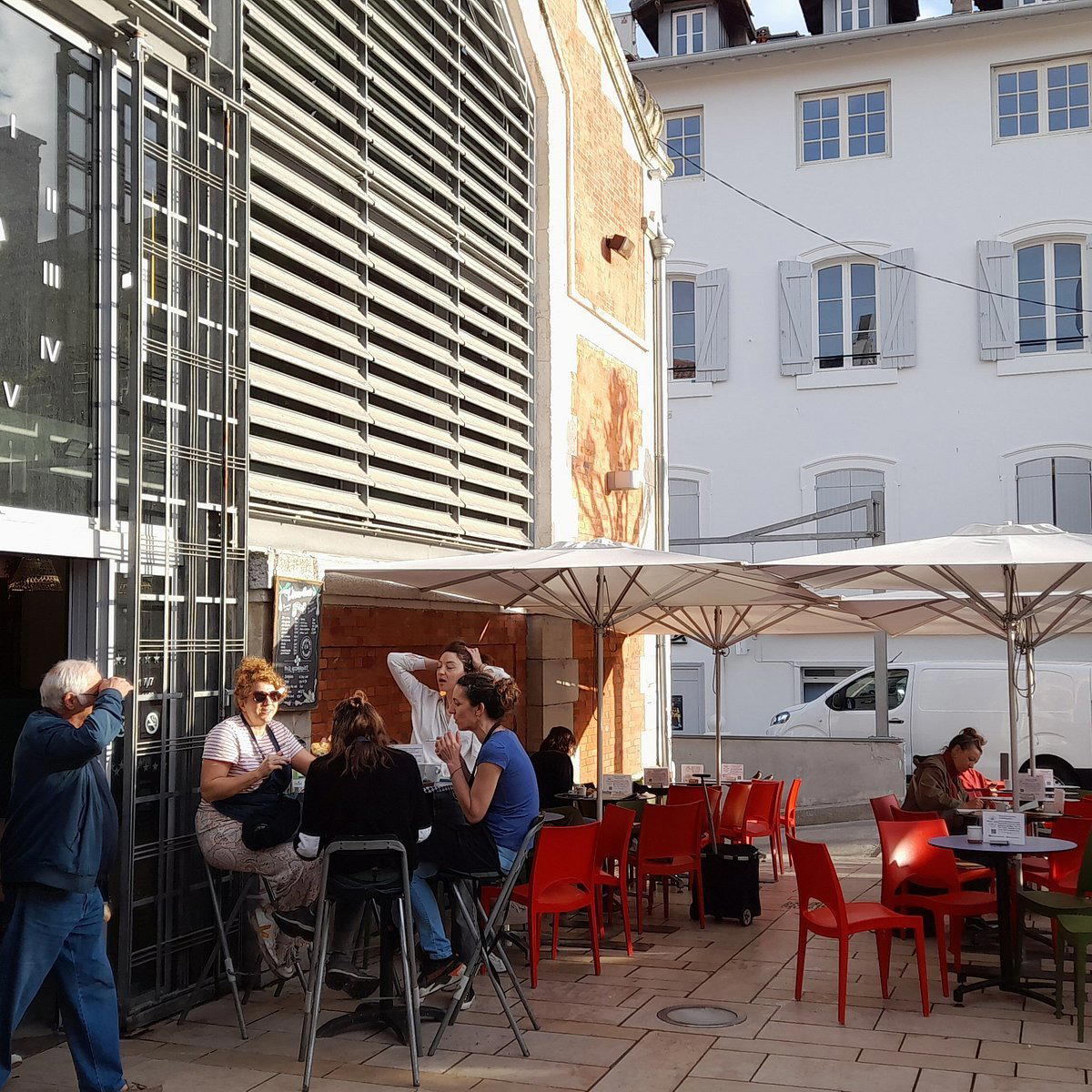
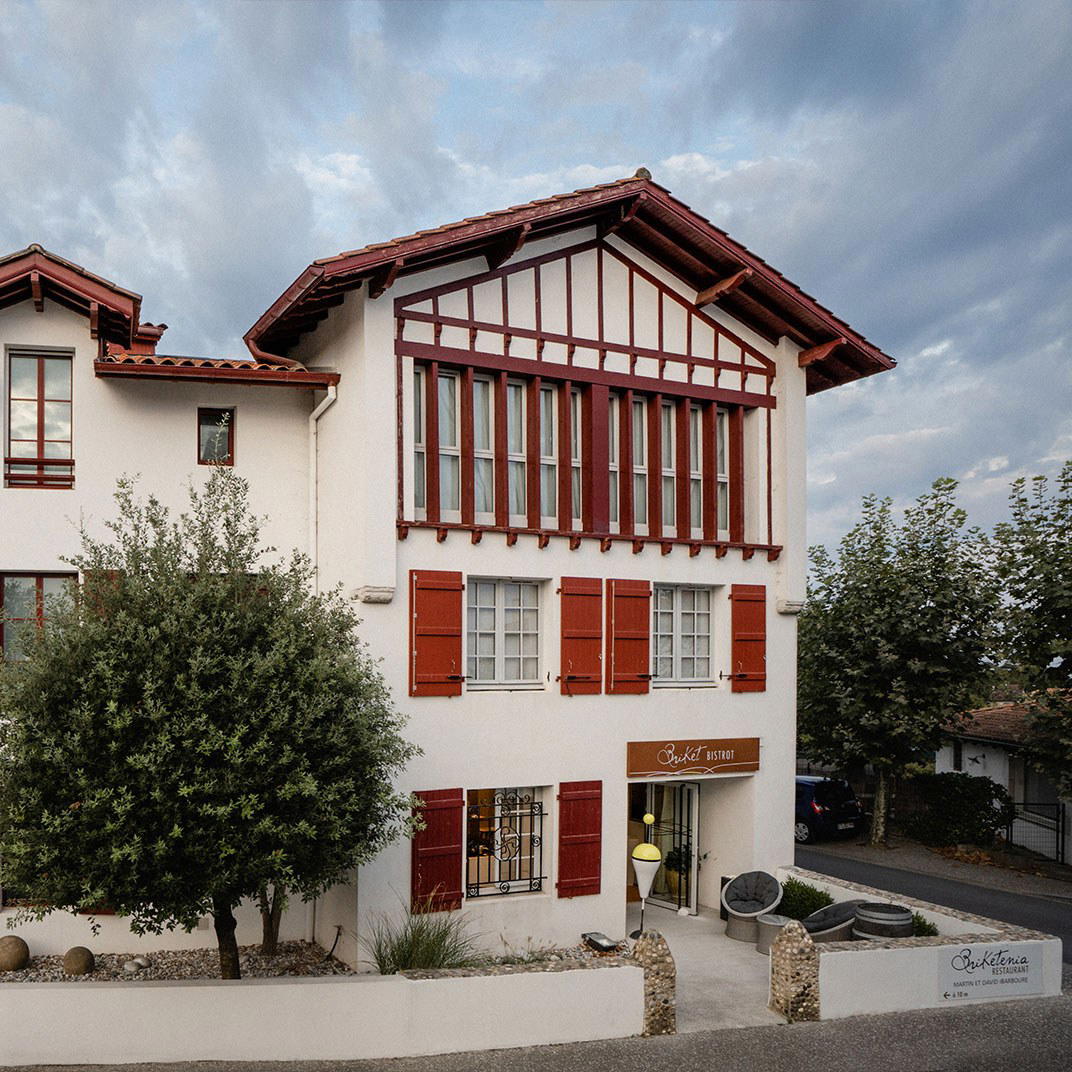
Boulevard Adolphe Thiers runs along the quieter residential edge of Saint-Jean-de-Luz, away from the port crowds and the summer-season foot traffic that floods the town's central lanes. Approaching this stretch on a weekday morning, the atmosphere is noticeably calmer than the quayside: fewer tourists, more delivery vans, the particular rhythm of a working neighbourhood rather than a display one. It is the kind of address that signals a restaurant whose audience already knows where it is going, rather than one relying on passing trade to fill seats. Maison Amaé occupies this position at 34 Boulevard Adolphe Thiers, and the address itself is an editorial statement about what kind of place this is likely to be.
A Region That Feeds Before the Chef Decides Anything
Saint-Jean-de-Luz is one of the few towns in France where the sourcing argument is largely settled before a kitchen even opens. The Bay of Biscay fleet, operating out of the adjacent port at Saint-Jean-de-Luz and nearby Ciboure, supplies some of the most consistently handled fresh fish on the Atlantic coast — anchovy, tuna, merlu (hake), and dorade among them. This is not a romantic claim; it is a logistical fact. The distance between the water and the kitchen counter in this town is shorter than almost anywhere else along France's Atlantic shoreline, which changes the calculus for any cook working here. What arrives in the morning is not transported, chilled, or held overnight from a distant market. It moves fast and locally.
Beyond the sea, the Basque interior supplies a parallel larder. The valley farms of the Pyrénées-Atlantiques produce the Ossau-Iraty cheese tradition, the piment d'Espelette pepper that is AOC-protected and grown within roughly 10 communes to the east and south, and the porc basque (Kintoa) that carries its own appellation. These are ingredients with formal protected status, not simply regional talking points. For a restaurant operating in this geography, proximity to that supply network is structural rather than aspirational. The sourcing edge is baked into the postcode.
This matters for understanding restaurants like Maison Amaé within Saint-Jean-de-Luz's dining frame. The town sits in a region where ingredient quality tends to be genuinely high across the board, which raises the competitive floor but also raises the standard against which any kitchen is quietly measured. Restaurants along the Basque coast are compared not just by what they cook but by how faithfully they read and deploy what the territory produces. Proximity to great ingredients is table stakes; the question is what a kitchen does with that access. Across the wider Basque dining tradition, from the pintxos bars of San Sebastián to the table-service restaurants of Biarritz, ingredient fidelity and restraint in handling are the metrics that matter most to the people who eat here regularly.
Saint-Jean-de-Luz's Restaurant Character
Saint-Jean-de-Luz is a small town by French resort standards, but it punches above its scale on food. The port history, the cross-border Basque identity, and the summer concentration of well-travelled visitors from Biarritz and beyond have collectively shaped a dining culture that expects more than the coastal-town average. Comparable towns on the Normandy or Brittany coasts carry strong seafood traditions, but the Basque coastal strip adds a second register: the influence of Spanish Basque cuisine just over the Bidasoa river, where haute cuisine innovation has been a serious cultural project for decades. That proximity creates a kind of competitive awareness among the French Basque kitchen community that is not present elsewhere in provincial France.
Within this frame, the restaurants of Saint-Jean-de-Luz split broadly into two modes. The first centres on direct, produce-driven local cooking: grilled fish, piperade, ttoro (the local fish stew), and dishes that prioritise the ingredient over technique elaboration. The second pushes toward a more structured, table-service format with tasting menus or à la carte formulas that reflect a degree of culinary ambition beyond the traditional bistro. Venues like La Taverne Basque, Kako Etxea, and Chez Pablo represent different positions along that spectrum, and Les Lierres and Café Belardi each carve distinct identities within the town's offer. Our full Saint-Jean-de-Luz restaurants guide maps the full range of options across the town.
France's broader fine dining landscape provides a useful comparator for placing regional ambition in context. Operations like Mirazur in Menton, Bras in Laguiole, and Flocons de Sel in Megève have built their identities around territorial ingredient stories — the same logic that underpins serious cooking in the French Basque country. The difference is that Saint-Jean-de-Luz operates at a more intimate scale, without the infrastructure of a major city or a well-worn gastronomic pilgrimage circuit. Restaurants here build their reputations through local regulars and returning visitors rather than through the critical machine that services Alléno Paris au Pavillon Ledoyen or Assiette Champenoise in Reims.
Planning Your Visit
Saint-Jean-de-Luz is accessible by TGV from Paris Montparnasse to Bayonne (roughly 4 hours 30 minutes), with a regional connection south to the town itself, or by car from Biarritz in under 30 minutes. The summer season runs from late June through August and brings the heaviest pressure on restaurant availability across town; advance planning matters more during this window than at any other point in the year. The shoulder seasons, April through early June and September through October, offer a version of the town that regulars often prefer: full kitchens, lighter crowds, and the same quality of Atlantic produce without the logistical strain of peak summer. Boulevard Adolphe Thiers is within walking distance of the central train station and the port, making Maison Amaé reachable on foot from most accommodation in the town centre.
Frequently asked questions
Is Maison Amaé child-friendly?
Saint-Jean-de-Luz is a family-oriented resort town, and restaurants along Boulevard Adolphe Thiers generally reflect that.
What's the overall feel of Maison Amaé?
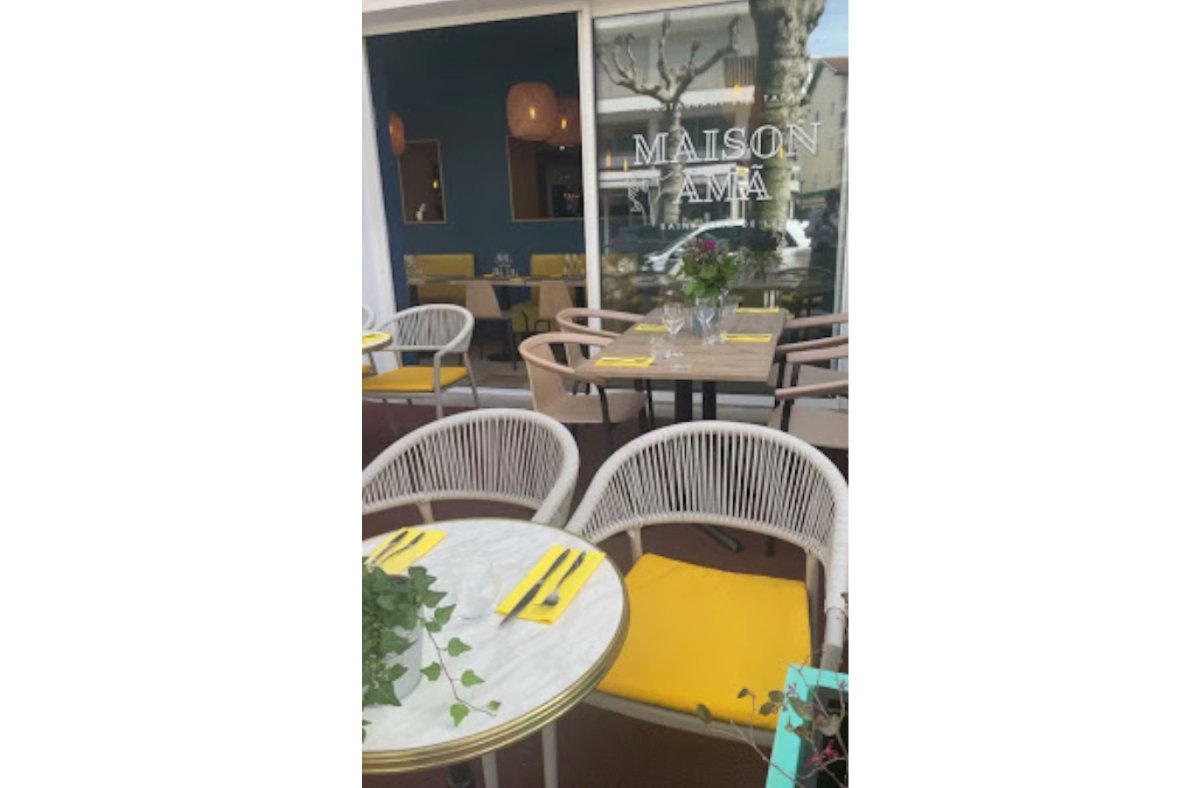
Maison Amaé sits on Boulevard Adolphe Thiers, the residential stretch of Saint-Jean-de-Luz that runs clear of the port-side summer crowds. That address signals a quieter, more considered setting than the harbour-front options in town. The name itself — amaé translating loosely from Basque as 'mother' — suggests something grounded in domestic warmth rather than formal dining theatre.
How does Maison Amaé reflect the cross-border Basque food identity of Saint-Jean-de-Luz?
Saint-Jean-de-Luz occupies a precise point on the French Basque coast where Spanish Basque culinary influence crosses the border through shared producers, fishing traditions, and ingredient vocabulary. Maison Amaé, on Boulevard Adolphe Thiers in that same town, operates within a regional food culture that treats sourcing from the Bay of Biscay and the surrounding Pyrenean hinterland as a baseline, not a selling point. That context distinguishes the town's better tables from coastal resort restaurants that simply trade on location.
What do regulars order at Maison Amaé?
Saint-Jean-de-Luz has one of the most productive fishing ports on the French Atlantic coast, and kitchens in this town are shaped by what the Bay of Biscay fleet brings in. Without a confirmed menu on record, the regional pattern points toward anchovy, tuna, and line-caught fish as the backbone of what a returning diner would seek out here.
Where is Maison Amaé located?
Maison Amaé is located at 34 Bd Adolphe Thiers, 64500 Saint-Jean-de-Luz, France, Saint Jean De Luz.
Is Maison Amaé reservation-only?
Given that Saint-Jean-de-Luz draws significant visitor numbers across the summer season, booking ahead is a practical step for any sit-down restaurant in town, particularly along the calmer residential streets where covers are typically limited.
Comparison Snapshot
Comparable venues nearby, for context on price, style, and recognition.
| Venue | Cuisine | Price | Awards | Notes |
|---|---|---|---|---|
| Maison AmaéThis venue — the venue you are viewing | French Basque Tapas & Cocktails | $50–100 | Michelin Plate | Not listed |
| Alcalde | French-Basque Tapas and Grill | Not listed | Michelin Plate | rue de la République |
| Xaya | Modern French Basque Bistro | $30–50 | Not listed | historic center |
| Café Belardi | Modern French Neo-Bistro | $20–30 | Not listed | downtown |
| L'Essentiel | Modern French Bistro | $50–100 | Michelin Plate | centre-ville |
| La Taverne Basque | Traditional Basque Bistro | $20–30 | Not listed | Rue de la République |
Recognition history
Dated appearances from independent guides and award organizations, with the underlying list record or original source where available.
Michelin Plate
Michelin · 2026 Michelin Plate
Continue exploring
More in Saint-Jean-de-Luz
Restaurants in Saint-Jean-de-Luz
Browse all →
Bars in Saint-Jean-de-Luz
Browse all →
Maison Amaé
The wine
- Wine program
- Curated wine list
- Craft cocktails
Details
- Modern
- Lively
- Elegant
- Trendy
- Casual Hangout
- Group Dining
- Date Night
- Open Kitchen
- Standalone
- Craft Cocktails
- Local Sourcing
- Farm To Table
- A La Carte
- Small Plates
- Craft Cocktails
- Wine
- Vegetarian Friendly
- Allergy Accommodating
Current opening hours
- Monday
- 12–3 PM, 7–10 PM
- Tuesday
- Closed
- Wednesday
- Closed
- Thursday
- 12–3 PM, 7–10 PM
- Friday
- 12–3 PM, 7–11 PM
- Saturday
- 12–3 PM, 7–11 PM
- Sunday
- 12–3 PM
Hours can change for holidays and private events. Last verified .
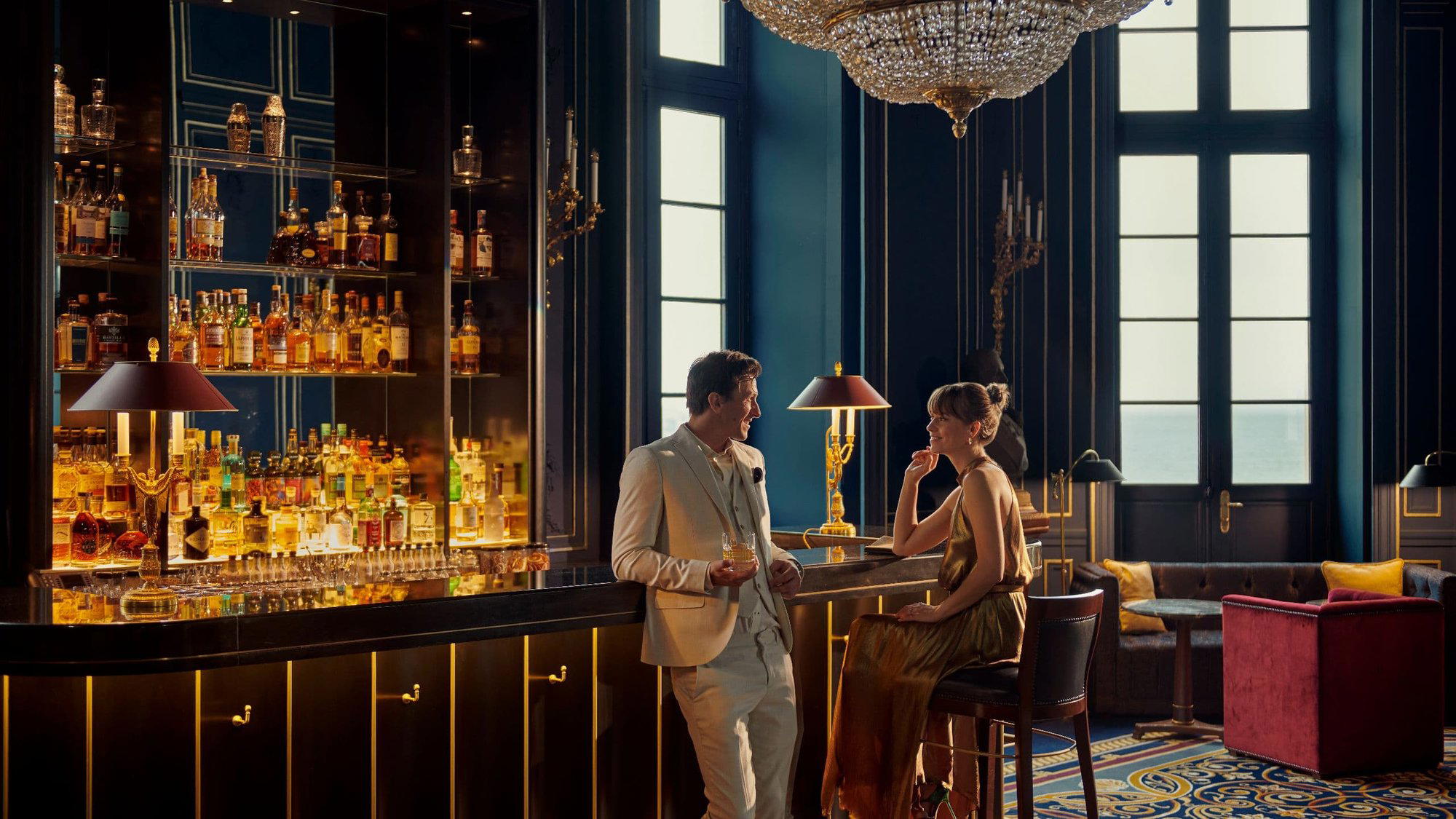
Modern and relaxed with an elegant yet convivial setting; contemporary décor creates an upscale casual environment that feels both refined and approachable.