Chez Pablo
Chez Pablo occupies a central address in Saint-Jean-de-Luz at 5 Rue Mademoiselle Etcheto, sitting within a town whose Basque culinary identity runs deeper than most visitors expect. The restaurant operates in a dining scene shaped by Atlantic seafood traditions, cross-border Basque cooking, and the kind of neighbourhood loyalty that keeps local tables full year-round. Travellers exploring the Côte Basque should place it alongside peers such as Café Belardi and La Taverne Basque when mapping the town's mid-range dining character.
Pearl is the En Primeur Club membership app — saves, bookings, and concierge access live there. Same editors, same standards.
- Address
- 5 Rue Mademoiselle Etcheto, 64500 Saint-Jean-de-Luz, France
- Phone
- +33559263781
- Website
- restaurant-chez-pablo.com
- Directions
- Get directions
 Saves & bookings on Pearl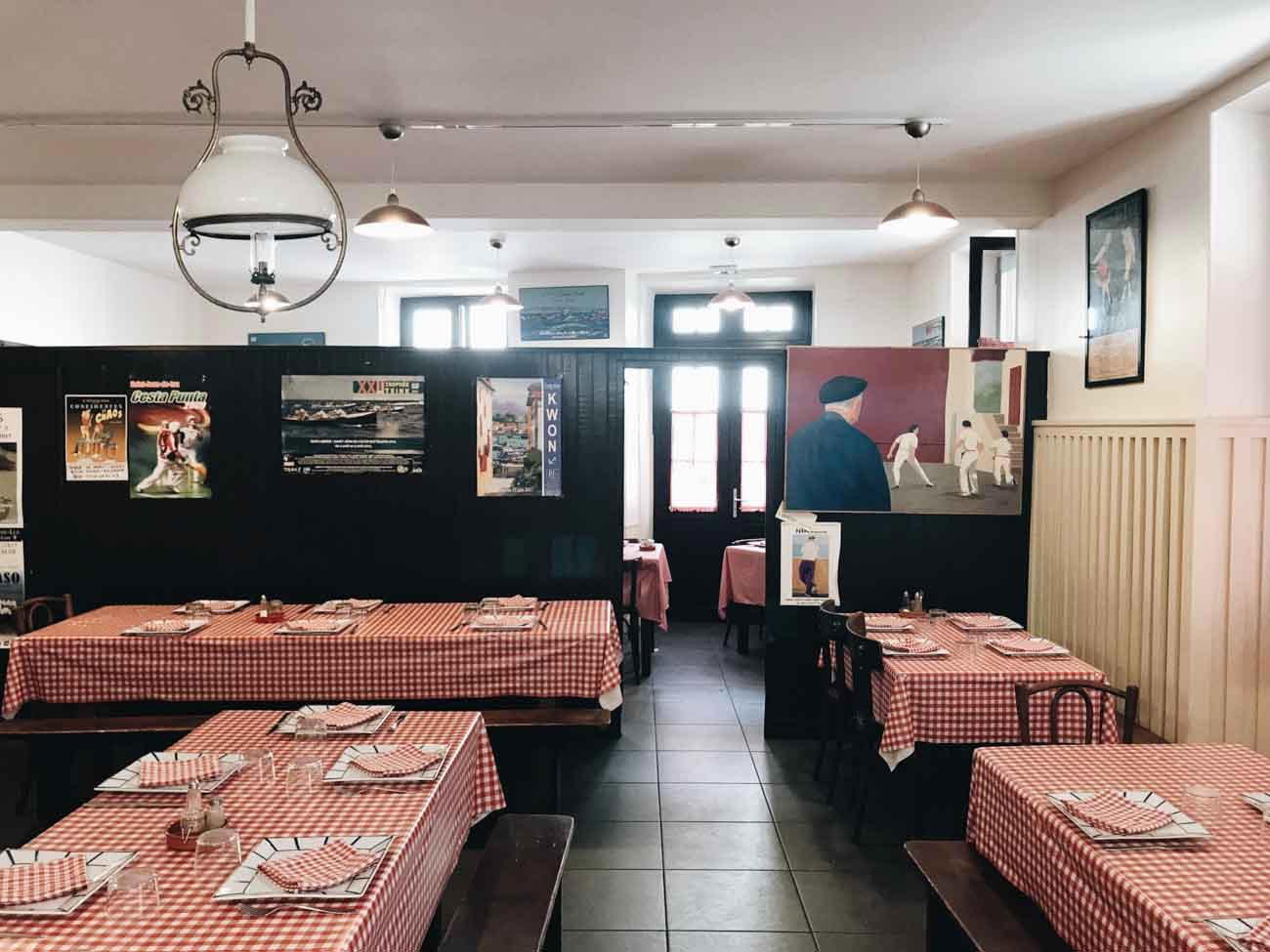
A Street in the Basque Country Where Food Is Still a Local Affair
Rue Mademoiselle Etcheto runs through the heart of Saint-Jean-de-Luz, a town whose relationship with the Atlantic has shaped every plate it puts down for centuries. The tuna fleets that once anchored in the bay, the salt-cod trade that connected the Basque ports to the Grand Banks, the pintxos culture that bleeds across the Spanish border from San Sebastián, all of it accumulates into a culinary identity. Chez Pablo, at number 5 on that street, sits inside this tradition: a neighbourhood address in a town that treats eating as civic practice rather than occasion.
Saint-Jean-de-Luz occupies a particular position in French Basque dining. It is not Biarritz, where resort money and international visitors push prices and formats toward the contemporary; nor is it a village bistro town content to replay the same cassoulet. The Luz table leans on the sea, on the Basque pepper, the piment d'Espelette that carries AOC status from the village just inland, and on techniques that sit somewhere between French classical tradition and the raw-ingredient confidence of Basque cooking on both sides of the border. Any restaurant on Rue Mademoiselle Etcheto is, by geography alone, part of that argument.
The Basque Culinary Context Chez Pablo Operates Within
To understand what Chez Pablo is doing, it helps to understand what the Basque Country does to food. The region has produced a density of serious cooking that is disproportionate to its size, San Sebastián is renowned for its concentration of serious cooking, and the French side of the Pyrenees has generated its own traditions, from the elaborate fish preparations of the coast to the slow-braised meats of the interior. Restaurants like Mirazur in Menton and Les Prés d'Eugénie - Michel Guérard in Eugénie-les-Bains represent the French south-west's ability to convert regional terroir into destination dining at the highest level. But the everyday Basque table, the place that serves grilled sea bass with a piperade, or axoa of veal with Espelette, carries its own authority.
Saint-Jean-de-Luz dining operates in layers. At the upper end, modern Basque cooking draws on the same seasonal precision and producer networks that feed kitchens in Bayonne and across the border. Maison Amaé and Les Lierres represent the more composed end of that spectrum locally. At the other end, places like Kako Etxea anchor the pintxos and informal tradition. The restaurant occupies a position in this ecosystem: a street-level address in the old town, close enough to the covered market and the port to operate with the kind of ingredient access that the town's geography provides as a matter of course.
What the Town's Dining Character Tells You About This Address
The covered market at Saint-Jean-de-Luz supplies Espelette peppers, local fromage de brebis, anchovies from Ciboure across the bay, and whatever the Atlantic has yielded that week. Restaurants in the immediate old town draw from this supply in a way that more tourist-facing coastal towns often do not. The proximity of the restaurant to this daily rhythm, Rue Mademoiselle Etcheto sits within the old town's pedestrian core, places it in a category of address where seasonal and local sourcing is structural rather than aspirational.
The comparison with peers elsewhere in French fine dining is instructive. Operations like Flocons de Sel in Megève, Bras in Laguiole, or Auberge de l'Ill in Illhaeusern have built identity around specific terroir in ways that required decades of consistency. In the Basque Country, that terroir argument is made by the geography itself, the Atlantic, the Pyrenees, and the AOC-protected ingredients of the Pays Basque do much of the positioning work before a kitchen fires its first burner. A restaurant on Rue Mademoiselle Etcheto inherits that argument by address.
Reading the Luz Scene Against Broader French Restaurant Tradition
French provincial restaurant culture at its most coherent is not about ambition projected outward but about a community eating well and consistently over time. The grandes tables, Paul Bocuse - L'Auberge du Pont de Collonges in Collonges-au-Mont-d'Or, Troisgros - Le Bois sans Feuilles in Ouches, Georges Blanc in Vonnas, Alléno Paris au Pavillon Ledoyen in Paris, are exceptions to a national rule that still values the neighbourhood table run with care over the destination spectacle. Saint-Jean-de-Luz, as a town of under fourteen thousand permanent residents with a strong seasonal summer peak, operates primarily on that neighbourhood logic. Its restaurant scene rewards visitors who read it on those terms rather than arriving with expectations calibrated to San Sebastián's dining density.
For visiting travellers, this means the restaurant should be read alongside Café Belardi and La Taverne Basque as part of a town-wide map rather than as a single-destination decision. The town's dining character rewards multiple meals across its old-town addresses. Globally, the tradition of town-embedded Basque cooking has also travelled: Le Bernardin in New York City and La Table du Castellet in Le Castellet show how Atlantic and southern French cooking traditions translate at scale, but the source material, the argument about ingredients and place, begins in towns like this one.
Pricing, Compared
Comparable venues nearby, for context on price, style, and recognition.
| Venue | Cuisine | Price | Awards | Notes |
|---|---|---|---|---|
| Chez PabloThis venue — the venue you are viewing | Not listed | $$ | Not listed | Not listed |
| Café Belardi | downtown, Modern French Neo-Bistro | $$ | Not listed | Not listed |
| Kako Etxea | Halles, Traditional Basque Bistro | $$ | Not listed | Not listed |
| Maison Amaé | Not listed | $$$ | Not listed | Saint-Jean-de-Luz, French Basque Tapas & Cocktails |
| Zoko Moko | Not listed | $$$ | Michelin Plate | historic fishermen’s district, Refined Basque Bistro |
| Ilura | Not listed | $$$$ | Michelin Plate | Pointe Sainte-Barbe, Modern French Basque Fine Dining |
Continue exploring
More in Saint-Jean-de-Luz
Restaurants in Saint-Jean-de-Luz
Browse all →
Bars in Saint-Jean-de-Luz
Browse all →
At a Glance
- Cozy
- Classic
- Rustic
- Casual Hangout
- Group Dining
- Terrace
- Local Sourcing
Current opening hours
- Monday
- 12–2 PM, 7:30–9:30 PM
- Tuesday
- 12–2 PM, 7:30–9:30 PM
- Wednesday
- Closed
- Thursday
- Closed
- Friday
- 12–2 PM, 7:30–9:30 PM
- Saturday
- 12–2 PM, 7:30–9:30 PM
- Sunday
- 12–2 PM, 7:30–9:30 PM
Hours can change for holidays and private events. Last verified .
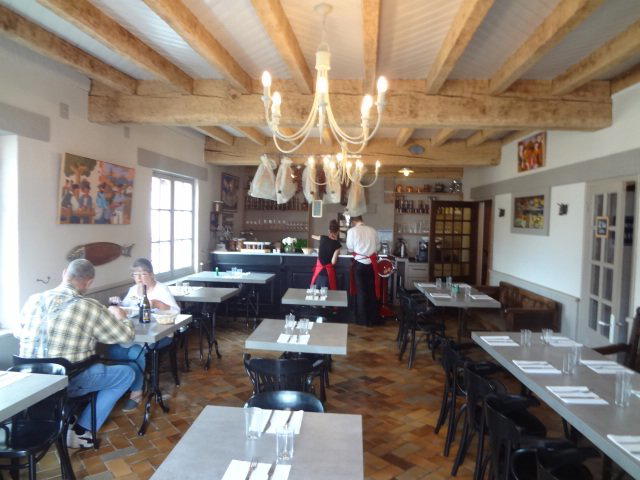
Traditional decor with checkered tablecloths, relaxed and friendly atmosphere full of laughter and warmth.