La Taverne Basque
A Saint-Jean-de-Luz fixture on the Rue de la République, La Taverne Basque anchors the town's tradition of unpretentious, ingredient-led Basque cooking. The kitchen draws on the region's cross-border pantry, salt cod, piment d'Espelette, txakoli pairings, in a format that places local culinary identity ahead of fine-dining theatrics. For visitors orienting themselves in the Basque Country dining scene, it provides a reliable reference point.
Pearl is the En Primeur Club membership app — saves, bookings, and concierge access live there. Same editors, same standards.
- Address
- 5 Rue de la République, 64500 Saint-Jean-de-Luz, France
- Phone
- +33559231240
- Website
- latavernebasque.com
- Directions
- Get directions
 Saves & bookings on Pearl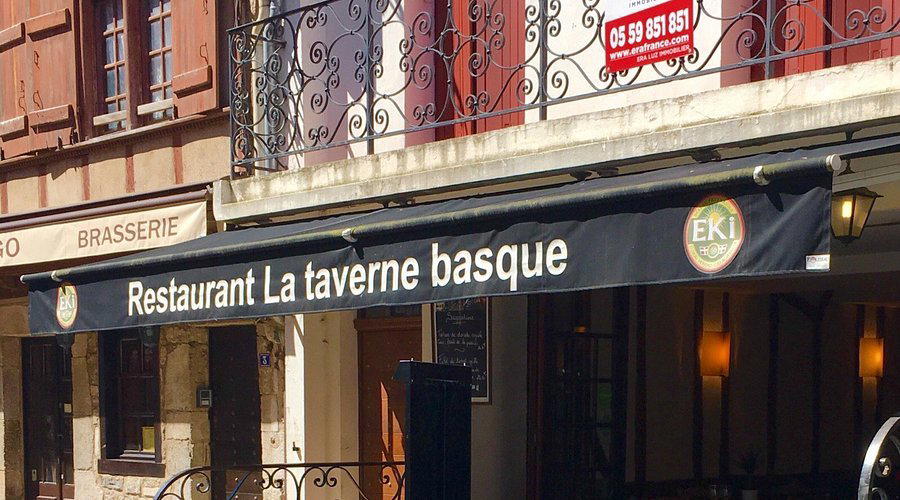
Where the Basque Table Meets the Atlantic Shore
Saint-Jean-de-Luz sits at a particular intersection of French and Spanish Basque culture that shapes everything from its fish markets to its restaurant menus. The town's position on the Bay of Biscay, with the Pyrenees closing off the hinterland, has produced a cooking tradition that is geographically insular in the leading sense: highly localised ingredients, techniques handed down through fishing and farming communities on both sides of the border, and a general indifference to Parisian fine-dining trends. La Taverne Basque, at 5 Rue de la République, Saint-Jean-de-Luz, is a traditional Basque bistro that operates within that tradition rather than against it.
The Rue de la République is one of the town's central arteries, running through the pedestrianised core where locals shop and visitors orient themselves after the beach. A taverne in this context is not a romantic category, it carries a specific weight in the Basque Country, implying a house that takes its regional identity seriously, puts local product on the table without apology, and prices for the community as much as the tourist. That distinction matters when reading the Saint-Jean-de-Luz dining map, where establishments range from surf-facing brasseries chasing seasonal visitors to places that have been feeding the same neighbourhood for decades.
The Basque Culinary Framework
Understanding what a restaurant like La Taverne Basque represents requires some context on Basque cuisine itself. The French Basque Country, the Pays Basque, specifically the Labourd province where Saint-Jean-de-Luz sits, shares a culinary vocabulary with its Spanish counterpart but inflects it differently. The French side leans on the Atlantic for anchovy, hake, and sardine; the interior contributes piment d'Espelette, the mild, aromatic red pepper that has held an AOC designation since 2000 and appears in everything from salt rubs to chocolate. Axoa, piperade, ttoro (the local fisherman's stew), these are the dishes that define the tradition, and they appear across the town's taverne-category restaurants as markers of authenticity rather than novelty.
Salt cod, morue in French, bacalao across the border, holds a special place in this kitchen culture. The Basque fishing fleets were among the first Europeans to reach the Grand Banks of Newfoundland in the 16th century, and the preservation techniques they developed made salt cod a pantry staple that transcended its origins as a practical solution to long sea voyages. Today it appears on Basque menus as a point of cultural pride as much as a culinary choice. Any serious taverne in the region treats its salt cod preparations with care.
Txakoli, the slightly sparkling, high-acid white wine produced along the Basque coast, is the default pairing for seafood in this tradition. On the French side of the border, Irouléguy, the small AOC producing reds and whites in the foothills of the Pyrenees, provides an alternative anchor for the local wine list. These are not globally circulated wines; they are deeply territorial, and their presence on a menu is itself a signal about a restaurant's orientation. The taverne model is deliberately narrower in scope.
Reading the Saint-Jean-de-Luz Dining Scene
The town's restaurant offer has become more varied in recent years, with a clearer split between places that aim at the regional tradition and those that use Basque ingredients as a backdrop for more contemporary cooking. Maison Amaé and Kako Etxea represent the more modern current, while Chez Pablo and Les Lierres occupy different registers of the casual-to-mid-range bracket. Café Belardi anchors the café end of the spectrum. La Taverne Basque sits in the taverne tier, a category that prizes consistency and regional fidelity over evolution.
That positioning is neither a criticism nor a limitation. Particularly durable restaurants in any regional French town tend to be the ones that identify their lane and stay in it. At the refined end of French dining, institutions like Auberge de l'Ill in Illhaeusern and Troisgros - Le Bois sans Feuilles in Ouches have maintained identity across generations by knowing precisely what they are. The taverne equivalent of that discipline is a kitchen that doesn't drift toward whatever is fashionable in Biarritz or San Sebastián, but instead keeps its focus on the fish off the local boats and the pepper from the valley twenty kilometres inland.
The cooking here is not less serious; it operates on a different axis of seriousness entirely.
Planning Your Visit
Saint-Jean-de-Luz is most visited between June and September, when the bay fills with swimmers and the town's population multiplies. Outside that window, particularly in spring and late autumn, the rhythm slows and the restaurant experience shifts accordingly, fewer covers, more regulars, a kitchen less pressed by volume. The Rue de la République location places the restaurant within easy walking distance of the central market and the waterfront, making it a natural stop in a half-day spent in the town centre. For a broader picture of where it fits alongside the town's other options, the EP Club Saint-Jean-de-Luz restaurants guide maps the full range.
Dress is casual.
Booking and Cost Snapshot
Comparable venues nearby, for context on price, style, and recognition.
| Venue | Cuisine | Price | Notes |
|---|---|---|---|
| La Taverne BasqueThis venue — the venue you are viewing | Not listed | $$ | Not listed |
| Chez Pablo | Not listed | $$ | Saint-Jean-de-Luz, Traditional Basque Bistro |
| Kako Etxea | Halles, Traditional Basque Bistro | $$ | Not listed |
| Xaya | Not listed | $$ | historic center, Modern French Basque Bistro |
| Txalupa | Not listed | $$ | Place des Corsaires / Place Louis XIV, Basque Seafood & Regional French |
| Ostalamer | Lafitenia, Basque Seafood Grill | $$ | Not listed |
Continue exploring
More in Saint-Jean-de-Luz
Restaurants in Saint-Jean-de-Luz
Browse all →
Bars in Saint-Jean-de-Luz
Browse all →
At a Glance
- Cozy
- Rustic
- Classic
- Casual Hangout
- Group Dining
- Family
- Terrace
- Historic Building
- Local Sourcing
Current opening hours
- Monday
- 12–2:30 PM, 7–10:30 PM
- Tuesday
- Closed
- Wednesday
- 12–2:30 PM, 7–10:30 PM
- Thursday
- 12–2:30 PM, 7–10:30 PM
- Friday
- 12–2:30 PM, 7–10:30 PM
- Saturday
- 12–2:30 PM, 7–10:30 PM
- Sunday
- 12–2:30 PM, 7–10:30 PM
Hours can change for holidays and private events. Last verified .
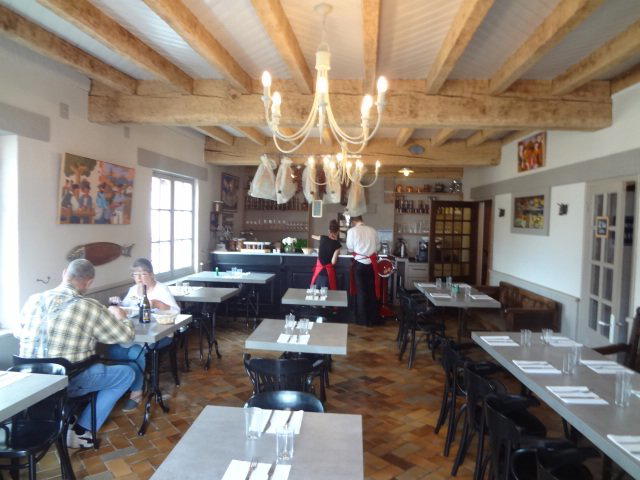
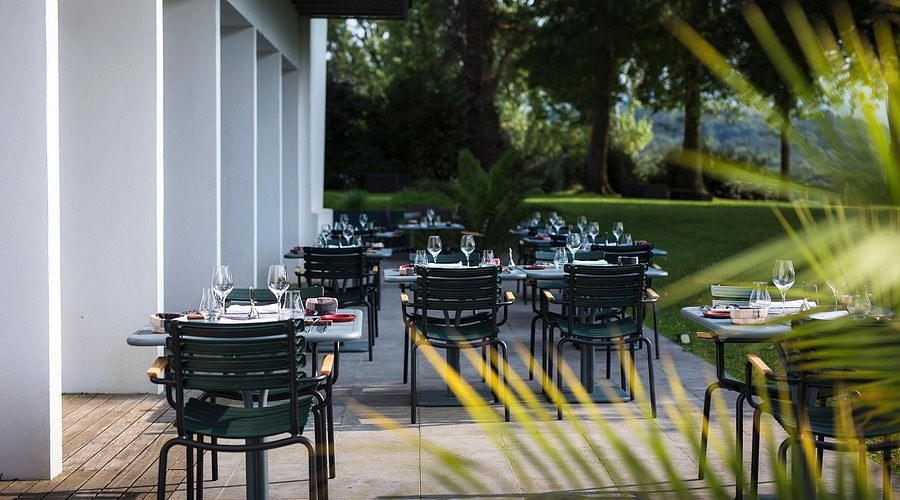
Warm and friendly atmosphere with old-fashioned stone decor, cozy and welcoming vibe enhanced by attentive service.