Les Lierres
On a quiet street in Saint-Jean-de-Luz's Basque core, Les Lierres occupies the kind of address that rewards visitors who look beyond the harbour-front bustle. The restaurant sits within one of the French Basque Country's most food-serious towns, where pintxos culture and refined regional cooking exist side by side. For travellers willing to seek it out at 5 Rue Cepe, the setting alone justifies the detour.
Pearl is the En Primeur Club membership app — saves, bookings, and concierge access live there. Same editors, same standards.
- Address
- 5 Rue Cepe, 64500 Saint-Jean-de-Luz, France
- Phone
- +33559267878
- Website
- tinyurl.com
- Directions
- Get directions
 Saves & bookings on Pearl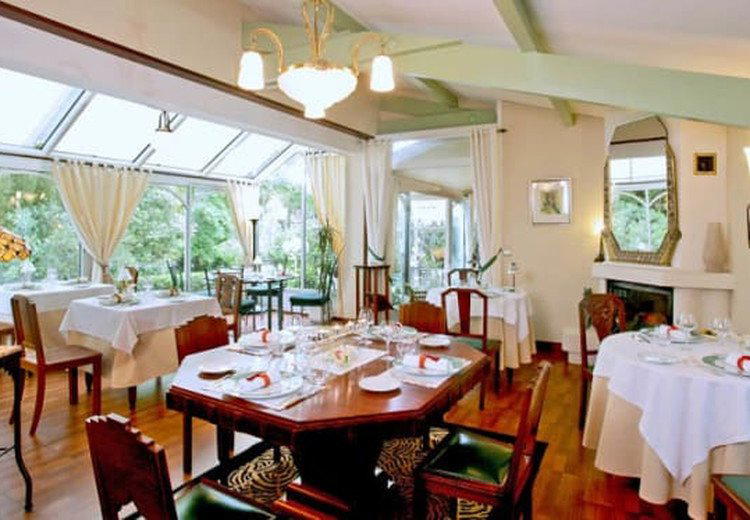
Saint-Jean-de-Luz and the Street That Gets Overlooked
Most visitors to Saint-Jean-de-Luz follow the same path: along the seafront, around the central market, and into the cluster of restaurants that line the Place Louis XIV. The town's back streets, however, carry a different character. Rue Cepe is that kind of address, quiet enough to feel residential, close enough to the centre to be genuinely convenient. It is on this street, at number 5, that Les Lierres sits, positioned inside a dining culture that is among the more locally specific on France's Atlantic coast.
Saint-Jean-de-Luz occupies a particular place in French Basque Country's food geography. The town is small, a working port with a serious fishing heritage, yet it sustains a restaurant scene that ranges from casual pintxos bars through to more considered regional tables. That range reflects the broader Basque culinary character, where eating well is assumed rather than aspirational, and where the produce arriving from the Bay of Biscay and the surrounding hills sets a high baseline. Les Lierres operates within that context, on a street where the setting itself signals a certain kind of intentionality: you are not here by accident.
The Basque Setting and What It Signals
French Basque Country dining has consolidated around two poles over the past decade. On one side, the destination restaurants draw from across Europe, often holding serious critical recognition; venues like Mirazur in Menton or Bras in Laguiole represent the category of French regional cooking that has earned an international audience. On the other side, the town-level restaurants serve residents and returning visitors through a more intimate, neighbourhood-rooted format. Les Lierres belongs to this second group, not as a fallback but as a deliberate positioning within the fabric of the town itself.
That neighbourhood framing matters. Saint-Jean-de-Luz is not a large city with anonymous dining blocks; it is a place where restaurants develop relationships with a local clientele over seasons and years, where the rhythm of the kitchen responds to what is available from nearby producers rather than to external trend cycles. The contrast with destination-tier French cooking, say the formal architecture of Alléno Paris au Pavillon Ledoyen or the precision of Assiette Champenoise in Reims, is instructive. Those venues ask the diner to travel toward an experience defined by the kitchen. A restaurant like Les Lierres, embedded in a working Basque town on a quiet back street, asks the diner to arrive at a place.
Atmosphere and What to Expect
The physical approach to the restaurant sets a specific register. Rue Cepe is the kind of street that reads as local rather than touristic: the scale is intimate, the noise level drops from the main thoroughfares, and the character is residential in a way that the harbour-facing addresses are not. Diners arriving here step out of the performative bustle of a summer Basque town and into something quieter and more considered.
Within Saint-Jean-de-Luz's restaurant community, this type of setting tends to correlate with a particular atmosphere: lower ambient noise than the larger, higher-volume rooms near the port; a dining pace that is unhurried by the need to turn tables for tourist traffic; and a clientele that skews toward people staying in the area rather than passing through. Whether that translates to a formally elegant room or something more rustic and unfussy is a question answered by direct enquiry or current reviews. What the address itself implies is that the experience will be shaped more by the town than by any effort to perform beyond it.
For context within the Saint-Jean-de-Luz dining spectrum, the town supports a range of formats that sit alongside the restaurant. La Taverne Basque and Kako Etxea both represent the kind of Basque-rooted table that draws on the same regional tradition; Café Belardi and Chez Pablo operate within different registers of the same food culture. Maison Amaé represents a more contemporary positioning within the town. The restaurant, from its Rue Cepe location, reads as neither especially formal nor especially casual option in this set, but as a restaurant that has chosen a specific kind of positioning within a specific kind of neighbourhood.
Planning Your Visit
Saint-Jean-de-Luz sits on the French side of the Basque Country, approximately twenty-five kilometres from the Spanish border at Hendaye and a similar distance south of Biarritz. The town is accessible by TGV from Paris in under five hours, and the local train network connects it efficiently to Biarritz and Bayonne. During the summer months, the town fills significantly; restaurants on the main tourist circuit operate under capacity pressure from June through August, which makes the quieter back-street addresses like Rue Cepe a more reliable option during peak season. Autumn and early spring are the periods when the town returns to its working character and the food is, if anything, more representative of what the region actually produces year-round.
Reservations are recommended. For comparison, the full architecture of reservation-required dining, from the months-ahead booking windows at tables like Flocons de Sel in Megève or Troisgros in Ouches to the tightly managed counters at Atomix in New York City, represents a different end of the spectrum from what a town-level Basque restaurant typically requires.
At a Glance
Comparable venues nearby, for context on price, style, and recognition.
| Venue | Cuisine | Price | Notes |
|---|---|---|---|
| Les LierresThis venue — the venue you are viewing | Parc Victoria, French Basque Fine Dining | $$$ | Not listed |
| La Taverne Basque | Not listed | $$ | Rue de la République, Traditional Basque Bistro |
| Maison Amaé | Not listed | $$$ | Saint-Jean-de-Luz, French Basque Tapas & Cocktails |
| Xaya | Not listed | $$ | historic center, Modern French Basque Bistro |
| Ostalamer | Lafitenia, Basque Seafood Grill | $$ | Not listed |
| Pluviôse | Not listed | $$$$ | Saint-Jean-de-Luz, Modern French Fine Dining |
Continue exploring
More in Saint-Jean-de-Luz
Restaurants in Saint-Jean-de-Luz
Browse all →
Bars in Saint-Jean-de-Luz
Browse all →
At a Glance
- Romantic
- Elegant
- Classic
- Sophisticated
- Date Night
- Special Occasion
- Business Dinner
- Terrace
- Garden
- Hotel Restaurant
- Historic Building
- Extensive Wine List
- Sommelier Led
- Local Sourcing
- Garden
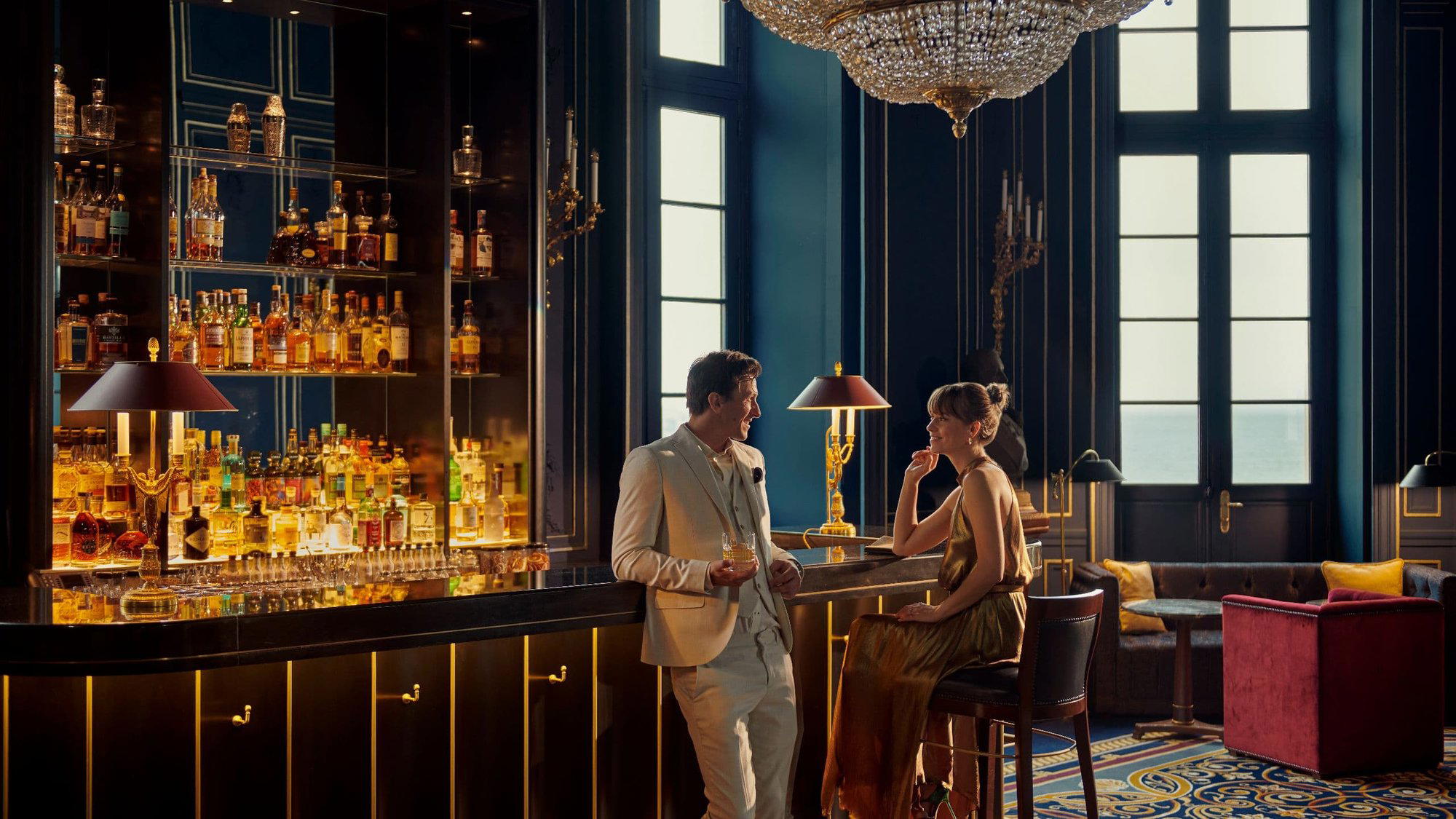
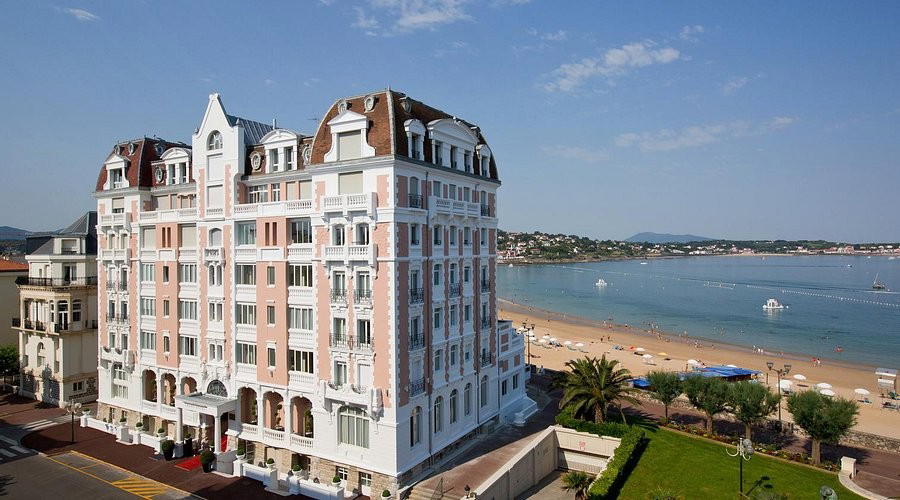
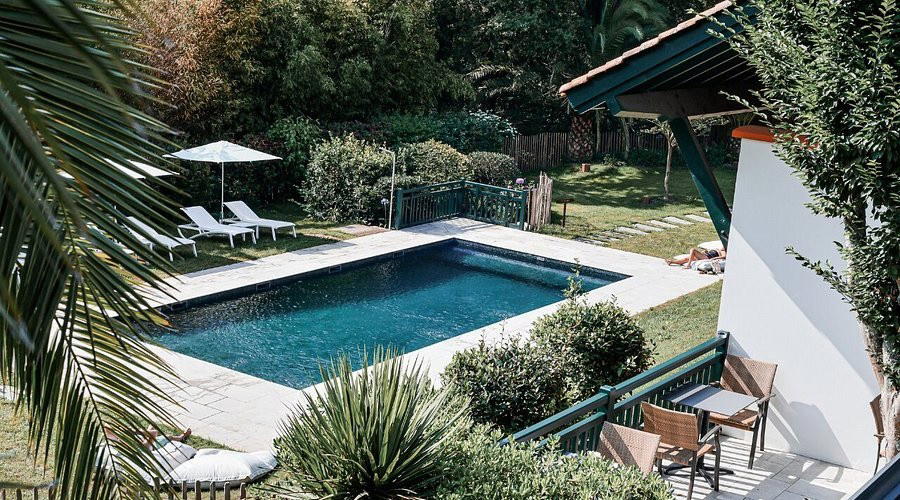
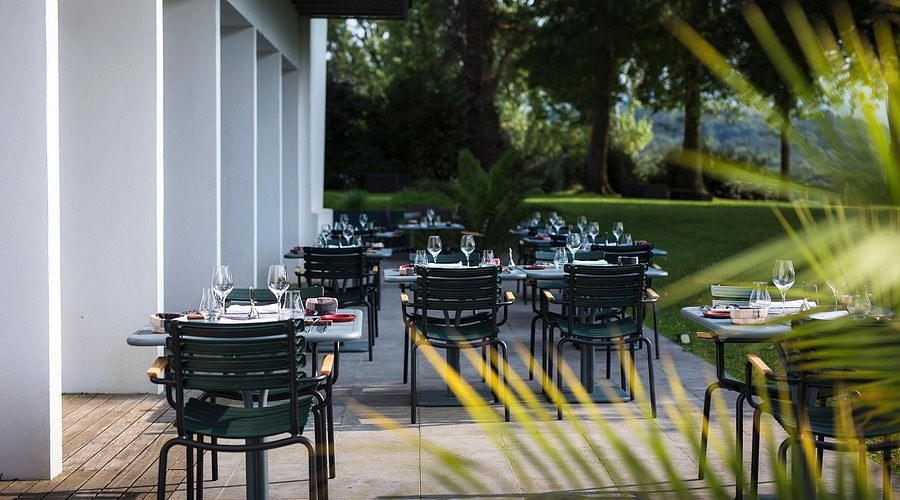
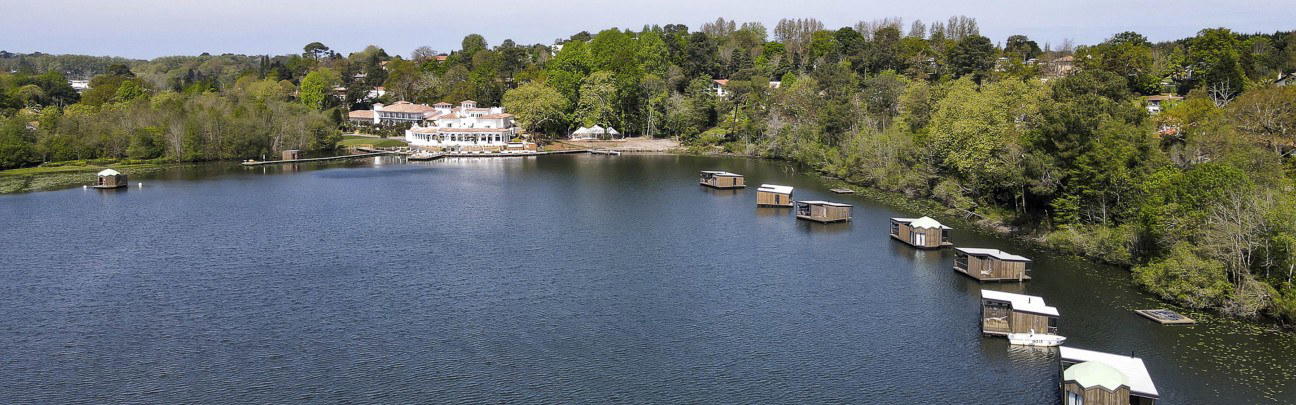
Warm and refined atmosphere with charming decor, set in an Art Deco hotel with views of the park's natural landscape.