Zheng
Zheng on Sydney Street sits within Chelsea's compact cluster of neighbourhood restaurants, positioned at a different price point and register from the ££££ modern European flagships that define London's formal fine-dining tier. Where venues like The Ledbury or CORE by Clare Smyth operate within tasting-menu orthodoxy, Zheng occupies a more casual, accessible corner of the Chelsea dining scene, making it a practical choice for the area's residential lunch and dinner trade.
Pearl is the En Primeur Club membership app — saves, bookings, and concierge access live there. Same editors, same standards.
- Address
- 4 Sydney St, London SW3 6PP, United Kingdom
- Phone
- +44 20 7352 0957
- Website
- zhengchelsea.co.uk
- Directions
- Get directions
 Saves & bookings on Pearl
Chelsea's Neighbourhood Register and Where Zheng Fits
Sydney Street, SW3 occupies a particular kind of London real estate: residential enough to generate loyal regulars, close enough to the King's Road to attract visitors who have already exhausted the area's more obvious options. The street sits in the middle of a Chelsea corridor that runs from the grand dining rooms near Sloane Square down to the quieter village feel of Fulham Road, and restaurants here tend to operate in a neighbourhood register rather than a destination one. That register defines the context in which Zheng should be read.
London's Chinese restaurant scene has split across several distinct tiers over the past decade. At the formal end, a handful of Cantonese rooms in Mayfair and the City now price and operate against the same comparable set as venues like Sketch, The Lecture Room and Library or Restaurant Gordon Ramsay. Further down the spectrum, Chinatown and the suburbs maintain high-volume, low-margin operations where value drives the decision. Between those poles sits a tier of mid-market neighbourhood Chinese restaurants, often in affluent postcodes, where the offer is comfort over ceremony and the pricing reflects the location rather than a tasting-menu ambition. Zheng occupies that middle tier in one of London's more expensive postcodes.
Sourcing and the Sustainability Question in Neighbourhood Chinese Cooking
The sustainability conversation in London restaurants has largely been driven by the modern British and modern European end of the market. Kitchens at venues like CORE by Clare Smyth, The Ledbury, and Dinner by Heston Blumenthal have formalised their sourcing credentials, published supplier lists, and in some cases structured their menus explicitly around seasonality and waste reduction. That movement has been slower to permeate the Chinese restaurant sector, where supply chains are often more opaque and the cuisine's structural reliance on imported ingredients, fermented pastes, dried goods, specific regional sauces, creates genuine sourcing complexity that a seasonal-British framework does not face.
This is not a failure of intent but a structural condition of the cuisine. A kitchen producing Sichuan-inflected dishes, for instance, cannot meaningfully source its doubanjiang or Sichuan peppercorns from British farms. What it can control is the freshness and provenance of its protein, the quality of its vegetables, and the degree to which it minimises waste in preparation. Neighbourhood Chinese restaurants in affluent London postcodes have begun, slowly, to move in this direction, partly through proximity to better ingredient suppliers and partly through the expectations of a customer base that increasingly asks those questions elsewhere in their dining lives.
The Chelsea location does suggest access to the Borough Market and New Covent Garden supply networks that serve the area's premium food operations, along with a customer base that responds well to visible quality signals in ingredients. How a kitchen at this address chooses to communicate or act on those pressures is worth asking directly when you visit.
The Broader Context: Chinese Cooking and Conscious Dining
Across London, the more thoughtful Chinese kitchens have found ways to incorporate sustainability signals without compromising the integrity of the cuisine. Whole-animal approaches, already embedded in Cantonese tradition, align naturally with zero-waste thinking. Seasonal vegetable-forward dishes, common in Chinese home cooking but often underrepresented on London restaurant menus, are appearing with greater frequency as operators respond to both cost pressures and customer preferences. The structural question for any neighbourhood Chinese restaurant is whether these shifts register as genuine commitments or as surface-level adjustments driven by marketing rather than kitchen practice.
For a diner at Zheng, the relevant question is not whether the restaurant has published a sustainability manifesto, but whether the cooking reflects care in ingredient selection and preparation. That assessment happens on the plate, not in a press release. It is also worth noting that Chelsea's residential dining scene has become more demanding on this front over the past five years, as the same households that frequent farms-to-table British restaurants in the neighbourhood have extended those expectations to their Chinese and Asian dining choices.
Planning Your Visit to Zheng
Zheng sits at 4 Sydney Street, SW3 6PP, within walking distance of Sloane Square Underground station on the District and Circle lines, and a short walk from South Kensington if you are approaching from the museum quarter. The address places it in a walkable Chelsea cluster that includes several other neighbourhood restaurants, making it a practical option for those spending time in the area rather than making a specific destination trip.
The Quick Read
Comparable venues nearby, for context on price, style, and recognition.
| Venue | Cuisine | Price | Notes |
|---|---|---|---|
| ZhengThis venue — the venue you are viewing | Chelsea, Modern Malaysian-Chinese Fusion | $$$ | Not listed |
| Gèa Chelsea | Not listed | $$$ | West Brompton, Modern Greek Mediterranean |
| Magazine | Not listed | $$$ | Hyde Park, Modern Small Plates in Zaha Hadid Space |
| Mercante | Not listed | $$$ | Mayfair, Contemporary Italian Market Cuisine |
| Browns Grill Room | Mayfair, Classic British Grill | $$$ | Not listed |
| Madhus of Mayfair | Not listed | $$$ | Piccadilly Circus, Authentic Punjabi Indian |
Continue exploring
More in London
Restaurants in London
Browse all →
Bars in London
Browse all →
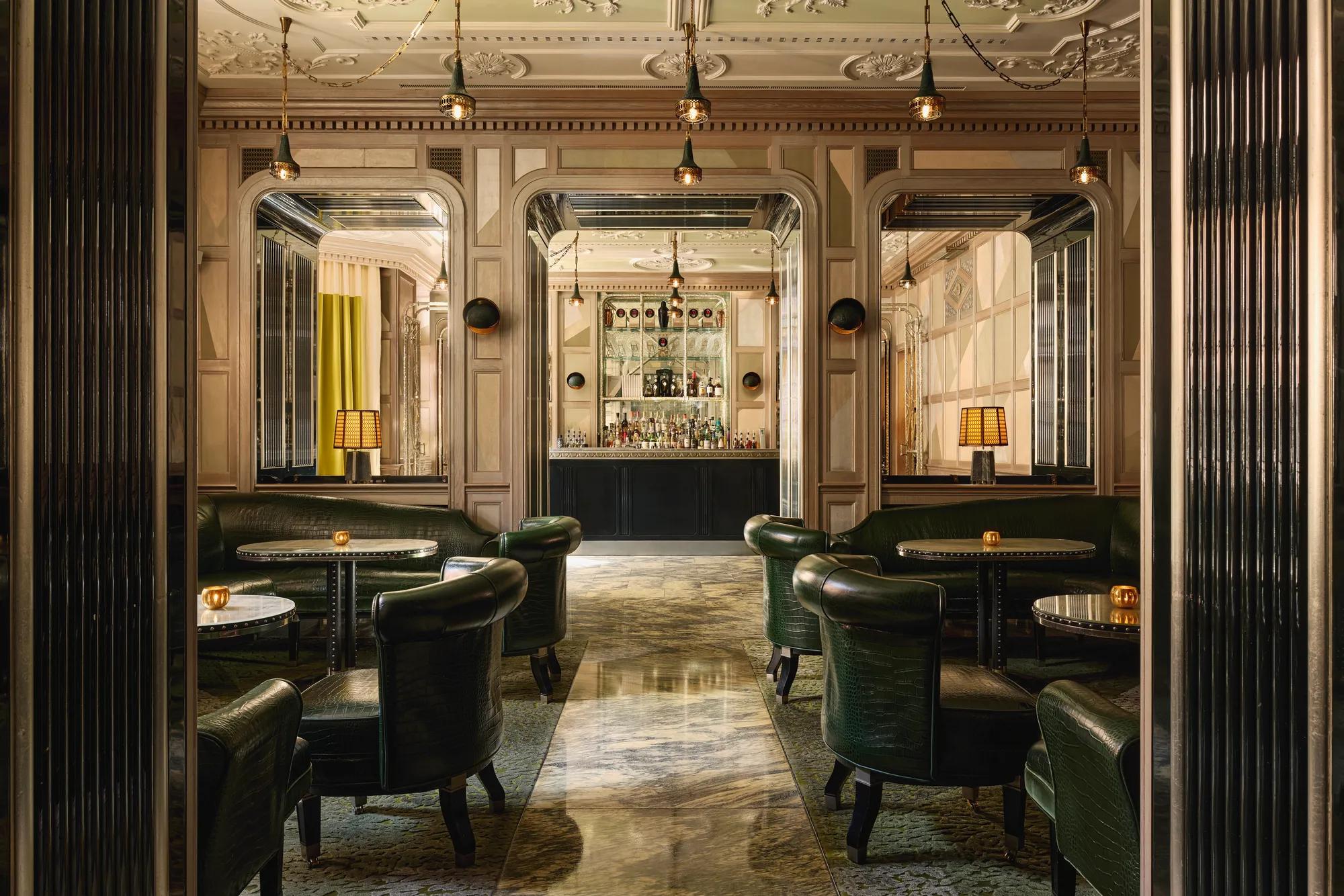
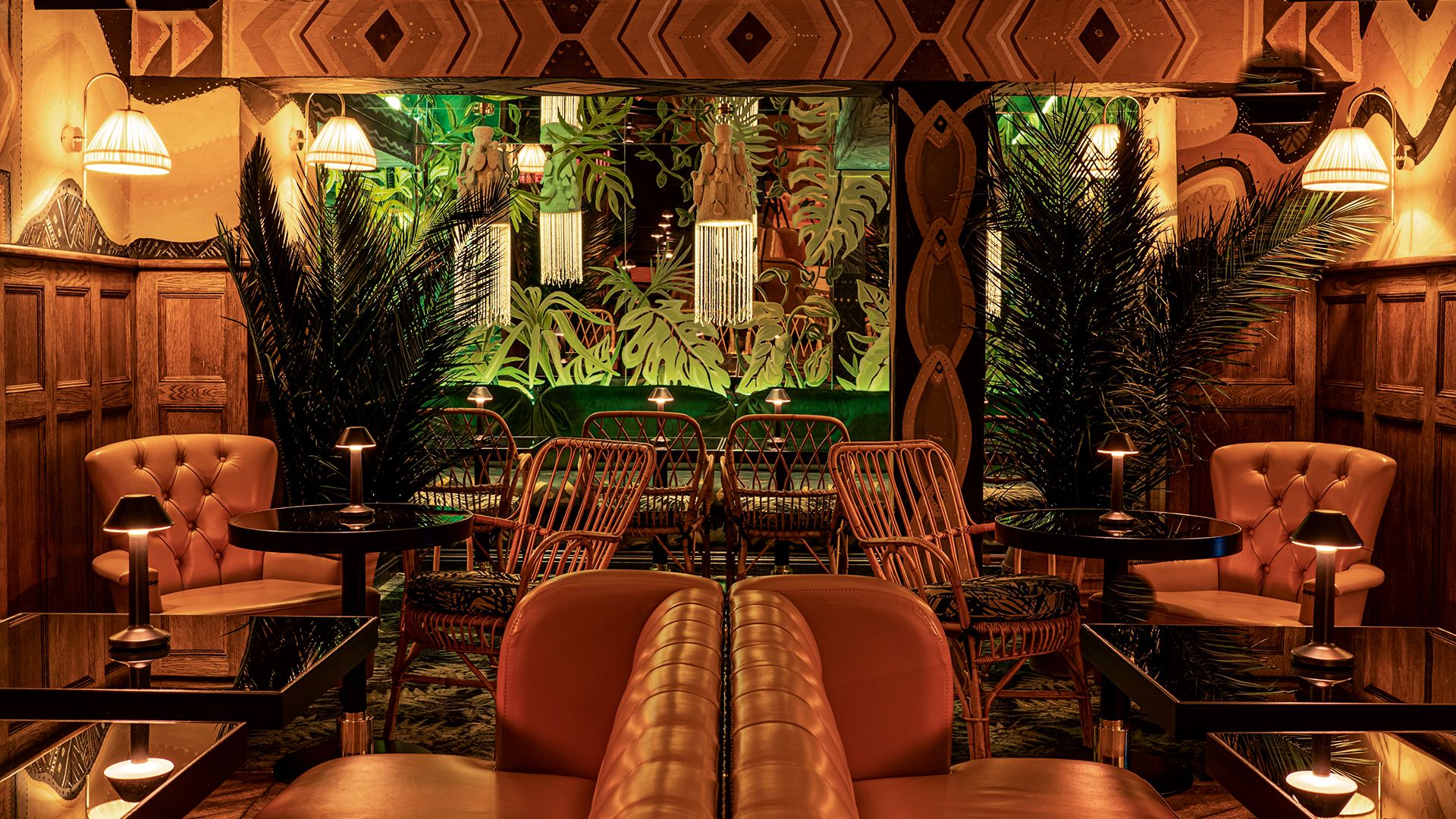
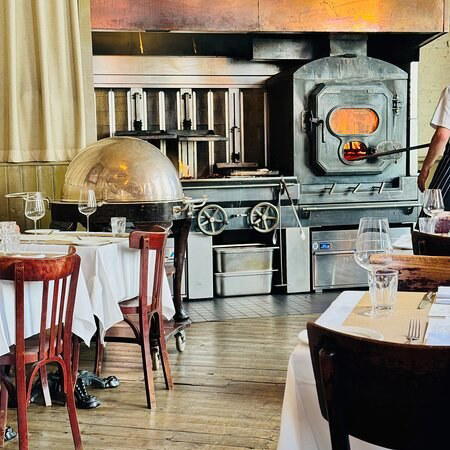
Hotels in London
Browse all →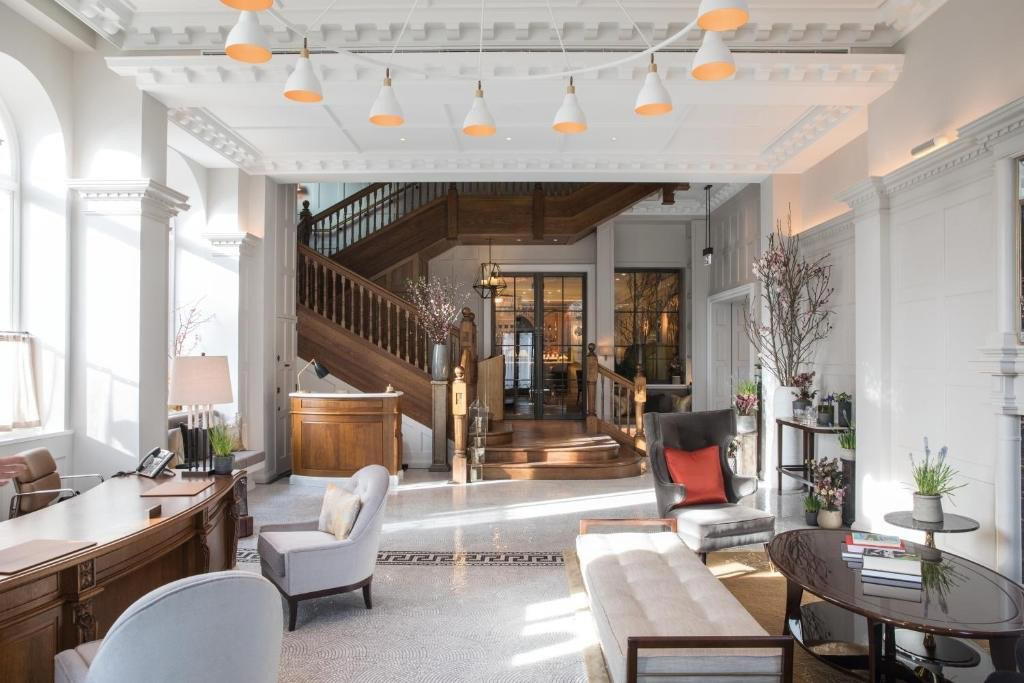



At a Glance
- Cozy
- Elegant
- Modern
- Sophisticated
- Date Night
- Family
- Group Dining
- Celebration
- Standalone
- Extensive Wine List
- Craft Cocktails
Current opening hours
- Monday
- 5–11 PM
- Tuesday
- Closed
- Wednesday
- 5–11 PM
- Thursday
- 5–11 PM
- Friday
- 5–11 PM
- Saturday
- 12–11 PM
- Sunday
- 12–11 PM
Hours can change for holidays and private events. Last verified .
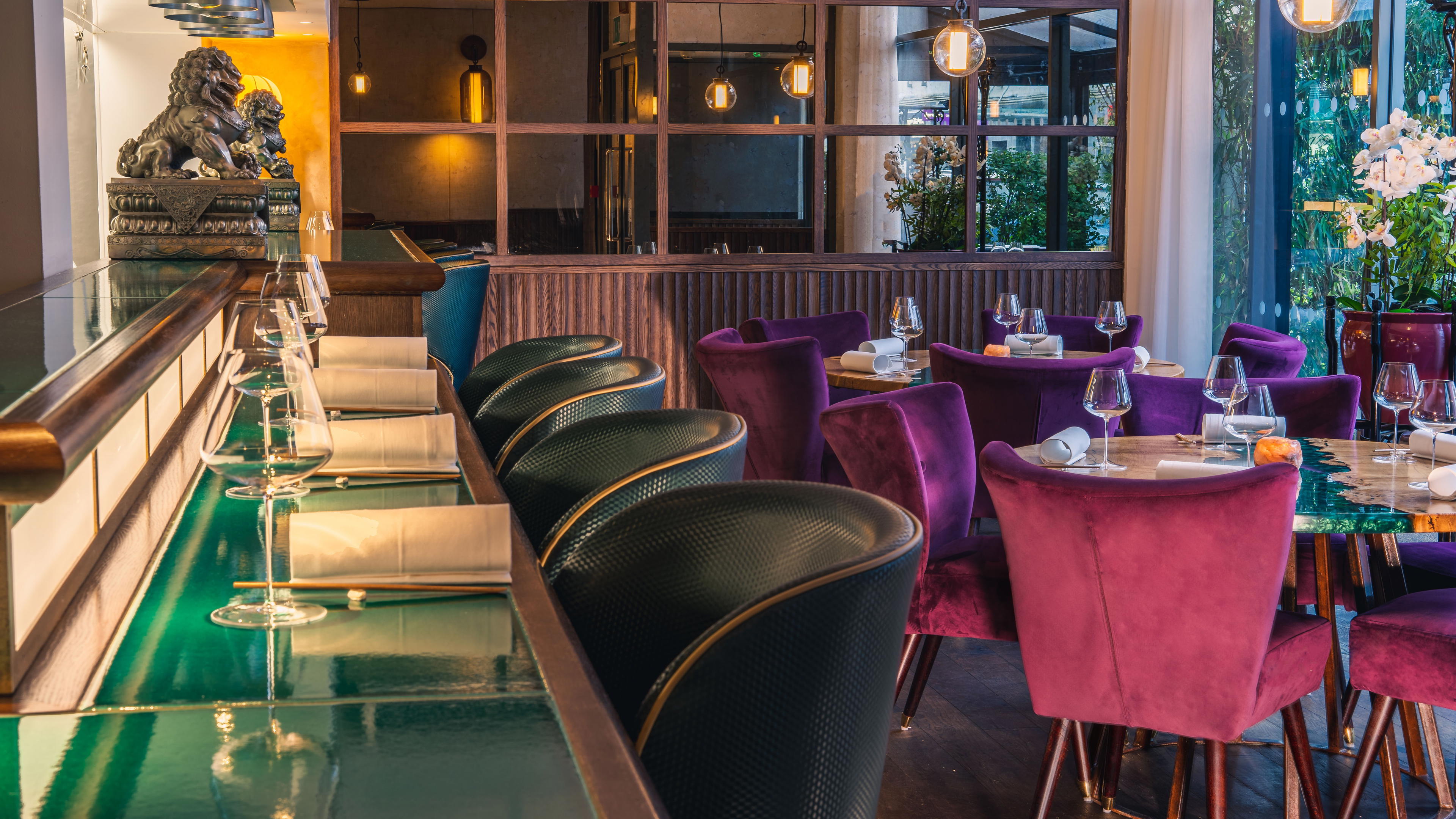
Cozy and elegant with stylish decor in a converted townhouse, pleasant lighting creating a comfortable and serene atmosphere.