Lilibet's


Michelin Plate · National Restaurant Awards Top 100 #57
Our verdict
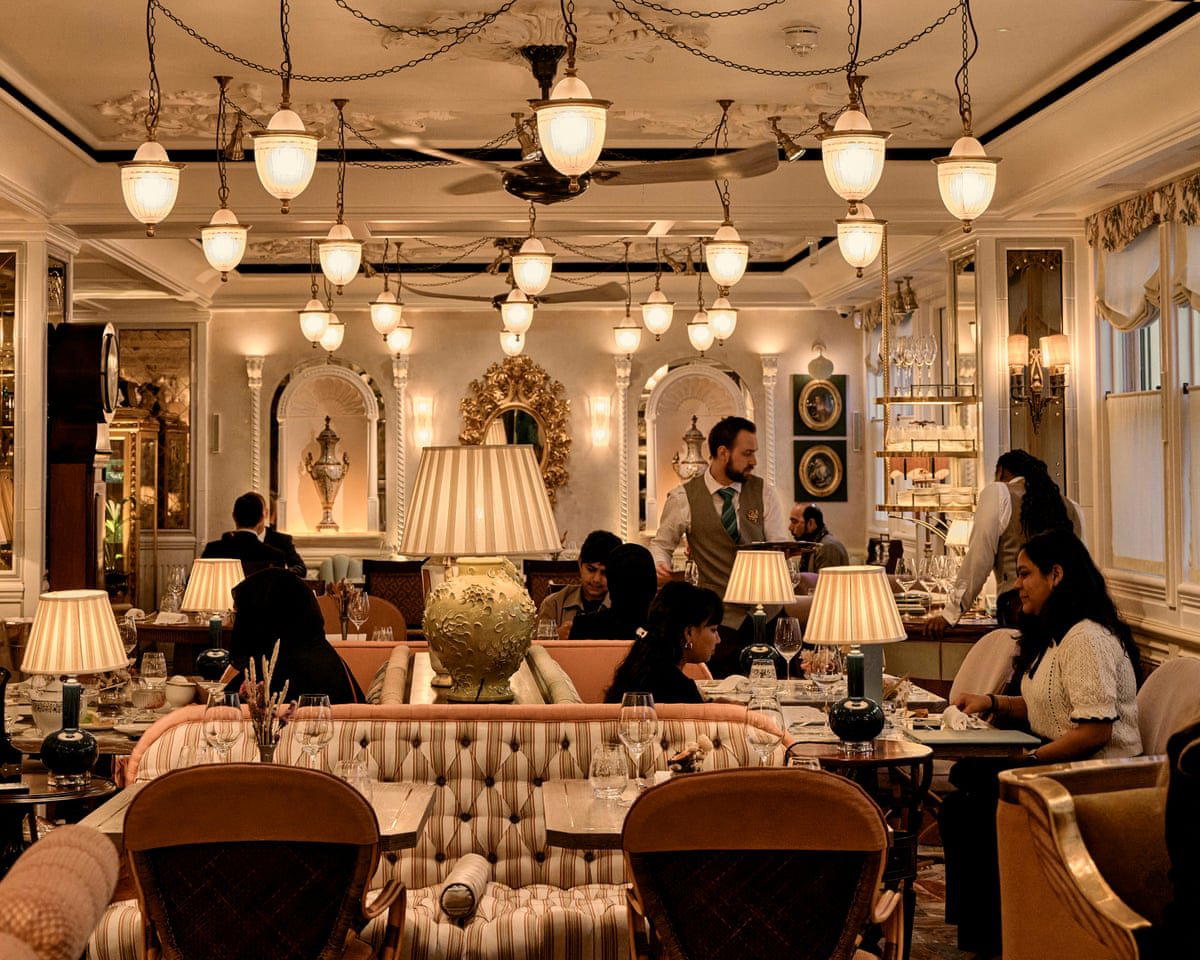
Named after the childhood nickname of Queen Elizabeth II, who was born on this Mayfair site, Lilibet's occupies a Russell Sage-designed Edwardian dining room on Bruton Street where the focus falls squarely on seafood. The menu moves from oysters and caviar through whole fish cooked over flames to lesser-spotted species like garfish and hake head, with the rotating Fish Triptych offering a single fish prepared raw, grilled, and as soup.

Pearl is the En Primeur Club membership app, where members save venues, book tables and use the concierge.
The menu
What to order
- Fish Triptych
- Lilibet's Mash
- Anchovy éclairs
- Crab tart
- Lemon ricotta agnolotti
Where Mayfair's History Meets Serious Seafood
Bruton Street has always carried a certain weight in the Mayfair pecking order, sitting between the gallery circuit of Cork Street and the quieter residential streets that back onto Berkeley Square. The address at number 17 adds another layer: a townhouse once stood here in which the future Queen Elizabeth II was born in 1926, and the restaurant that now occupies the site takes its name from the nickname her family gave her as a child. The interior, designed by Russell Sage Studio, leans into that heritage without tipping into theme-park territory. Edwardian references run through the room in the form of detailed millwork, warm lighting, and a sense of scaled formality that puts it closer in register to Alain Ducasse at The Dorchester than to the stripped-back modernism that defines much of contemporary London dining.
The broader Mayfair fine-dining tier has consolidated around a handful of cooking philosophies. Ingredient-led British tasting menus, as practiced at CORE by Clare Smyth, sit at one end. High-concept creative cooking, represented by Ikoyi, occupies another corner. Lilibet's positions itself differently: a seafood-centric kitchen with an emphasis on premium produce and live-fire technique, housed in a room that signals occasion dining from the moment you arrive. That combination is less common in London than it might appear, which gives the restaurant a clearer identity within a competitive neighbourhood.
The Arc of a Meal
London's seafood-focused fine dining has historically borrowed from the French classical model, where structured courses build from delicate to strong in fat and texture. Lilibet's works within that logic while allowing the produce to set the pace. A meal here reads as a progression rather than a parade of set pieces.
The opening register belongs to the raw and cured work. Oysters appear as a natural entry point, requiring nothing more than provenance and handling to justify their place on a menu at this level. Caviar follows the same principle. In the better seafood kitchens globally, from Le Bernardin in New York City to the river-adjacent rooms of the English countryside typified by Waterside Inn in Bray, the early courses exist to establish a baseline of product quality before heat and technique enter the picture. That same principle operates here.
The kitchen's treatment of whole fish over flames represents the meal's structural centre. Open-fire cookery on whole fish demands attention to timing and temperature in a way that fillets do not; the bones conduct heat unevenly, the skin can shield or betray, and the result either confirms or undermines the quality of what arrived at the kitchen door. When it works, it is among the least mediated ways to serve a fish. The approach also signals where the kitchen's confidence lies: not in elaborate sauce work or multi-component plating, but in sourcing and technique applied directly to the ingredient.
What distinguishes the menu from a direct premium seafood offer is the presence of lesser-seen species. Hake head and garfish are not items that appear on menus driven by customer demand or safety-first procurement. Their inclusion suggests a kitchen that engages actively with the supply chain and is willing to take on the educational and practical burden of making unfamiliar cuts and species work within a tasting progression. At a time when London's more progressive rooms, including The Clove Club and The Ledbury, have made a point of working with the full animal or undervalued produce, this approach at a seafood-specialist level carries a similar conviction.
The Fish Triptych
The rotating Fish Triptych is the menu's clearest editorial statement. A single species presented in three forms, raw, grilled, and as soup, is structurally similar to the comparative vertical tasting exercises that sommeliers use to demonstrate how preparation alters perception of the same base ingredient. Applied to fish, it asks the diner to track how temperature, fat rendering, and the Maillard reaction change what they taste from the same catch. This kind of sequencing is more common in Japan, where omakase counters sometimes move a single fish through multiple preparations, and its presence on a Mayfair menu is a signal that the kitchen has thought carefully about what a meal here is supposed to teach as well as please.
The dish also rotates, meaning it functions differently from a signature in the conventional sense. The Triptych changes with availability, which ties the restaurant's most conceptually ambitious course directly to seasonality and supply rather than to a fixed menu identity. For repeat visitors, this makes it the primary reason to return. For seafood destinations operating at a comparable level across the UK, from Moor Hall in Aughton to hide and fox in Saltwood, the question of how to keep a produce-led format compelling across seasons is a persistent structural challenge. The Triptych is Lilibet's answer to that question.
The Room and Who It's For
Russell Sage design occupies a specific niche in the London restaurant interior market. Sage's rooms tend toward decorative confidence: pattern, material contrast, and deliberate period reference used with enough technical skill to avoid pastiche. The Edwardian framework here suits the address and the concept. This is not a room that is trying to disappear, and it would be incongruous if it did. Occasion dining at this address carries an expectation of atmosphere, and the dining room delivers that without requiring the food to carry the theatrical weight alone.
Guest profile this attracts overlaps with other address-conscious Mayfair rooms but with a distinct lean toward those who treat serious seafood as its own category of special occasion, rather than a subset of contemporary tasting-menu dining. The comparison set is not L'Enclume in Cartmel or Gidleigh Park in Chagford, though those rooms represent the broader fine-dining context in which Lilibet's operates. The closer peer group is made up of destination seafood restaurants with a luxury register, a category that remains less crowded in London than the city's overall fine-dining depth might suggest.
Planning Your Visit
Lilibet's sits at 17 Bruton Street in Mayfair, within walking distance of Bond Street and Green Park stations. The address places it in the heart of Mayfair's gallery district, convenient for combining lunch with an afternoon on Cork Street or Berkeley Square. Reservations are advised for dinner given the room's scale and the neighbourhood's demand; the rotating nature of the Fish Triptych means the specific menu at any sitting is tied to what the kitchen has sourced that week, so flexibility and curiosity about less familiar species will serve a diner better than arriving with a fixed expectation. For those building a longer London itinerary, EP Club's full London restaurants guide, hotels guide, bars guide, wineries guide, and experiences guide cover the wider picture. For a point of contrast in seafood-focused cooking at a different end of the Atlantic, Emeril's in New Orleans represents a useful reference for how a city's ingredient identity can shape an entire restaurant's DNA.
Frequently asked questions
What dish is Lilibet's famous for?
Do they take walk-ins at Lilibet's?
Peers You’d Cross-Shop
Comparable venues nearby, for context on price, style, and recognition.
| Venue | Cuisine | Price | Awards | Notes |
|---|---|---|---|---|
| Lilibet'sThis venue (the venue you are viewing) | Luxury Seafood Fine Dining | $100–150 | Michelin Plate · National Restaurant Awards Top 100 #57 | Not listed |
| Sweetings | Classic British Seafood & Oysters | $50–100 | Not listed | Cheapside |
| The Seas The Sea Chef’s Table Hackney | Modern British Seafood Omakase | Not listed | Not listed | Knightsbridge |
| Goodman | New York-Style Steakhouse | $50–100 | Star Wine List | Mayfair |
| 74 Charlotte Street by Ben Murphy | Modern British | $50–100 | Michelin Plate · AA Rosettes 3 Rosettes | Fitzrovia |
| Chapel Market Kitchen Oyster Bar & Grill | Mediterranean Seafood Oyster Bar & Grill | Not listed | Michelin Plate · Star Wine List | Angel |
Recognition history
Dated appearances from independent guides and award organizations, with the underlying list record or original source where available.
Michelin Plate
Michelin
National Restaurant Awards Top 100 #57 · No. 57
National Restaurant Awards · 2026 National Restaurant Awards Top 100
Full recognition history (3 entries)
Michelin Plate
Michelin · 2026 Michelin Plate
Continue exploring
More in London
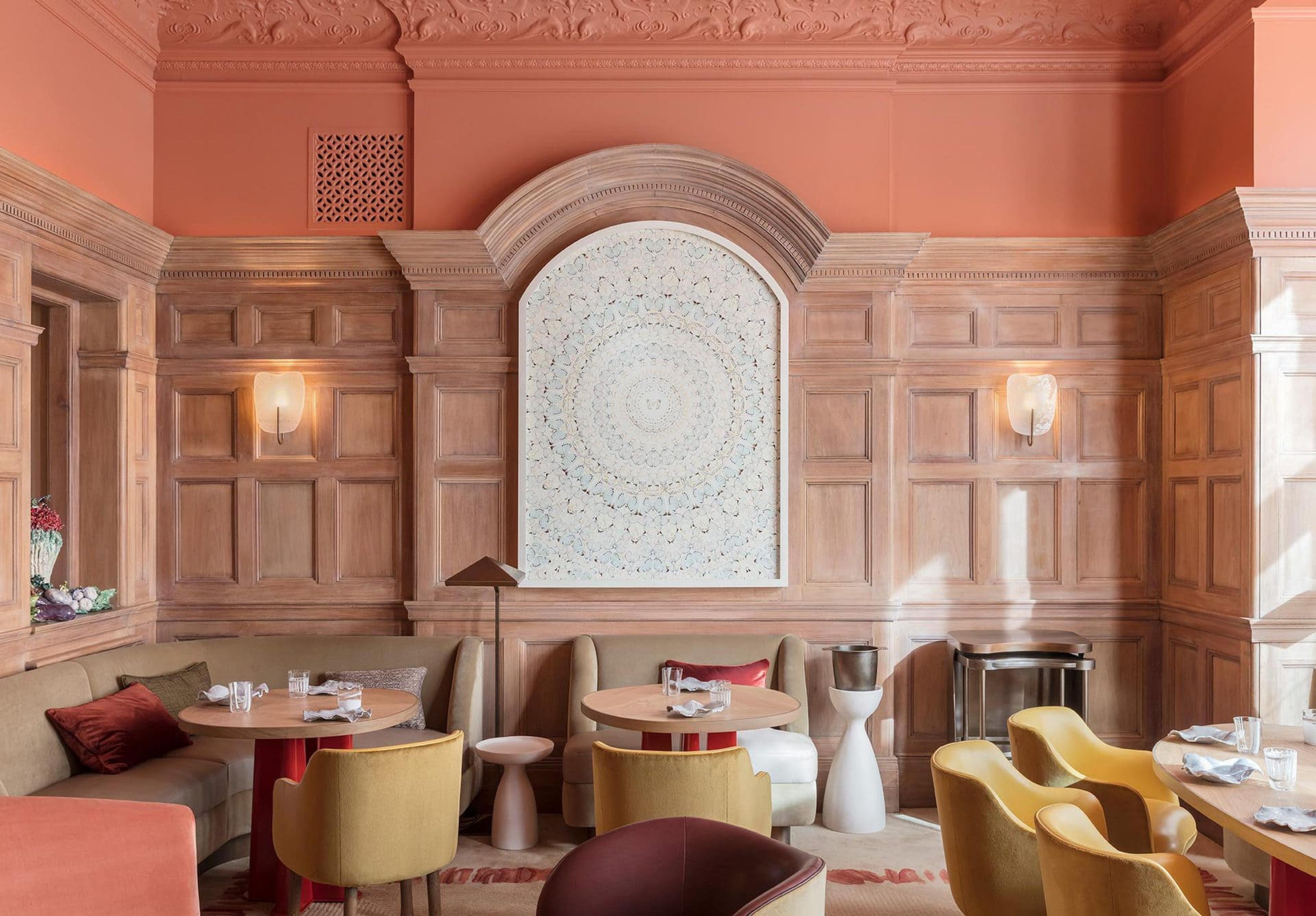
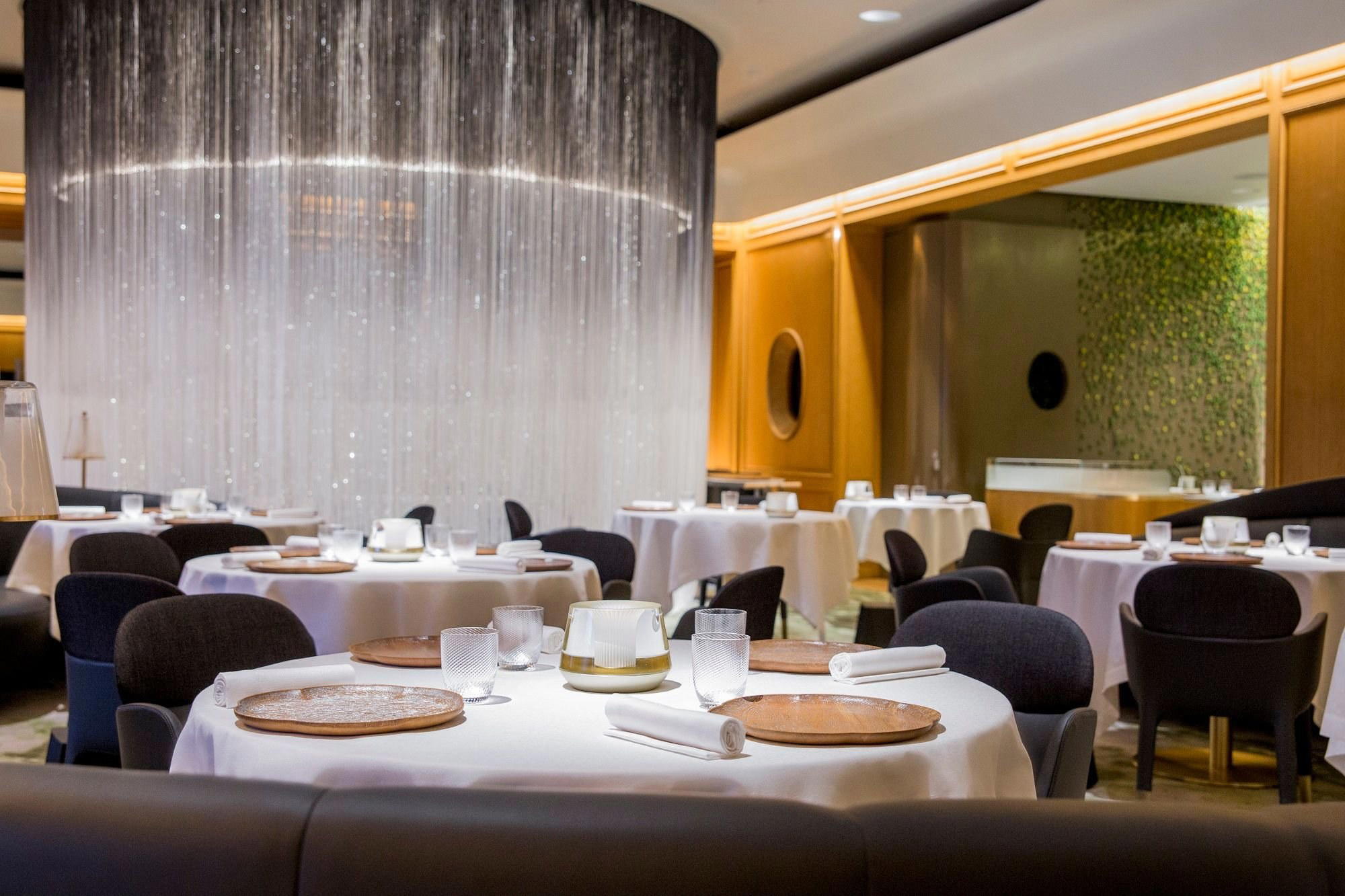
Restaurants in London
All restaurants in London →
Bars in London
All bars in London →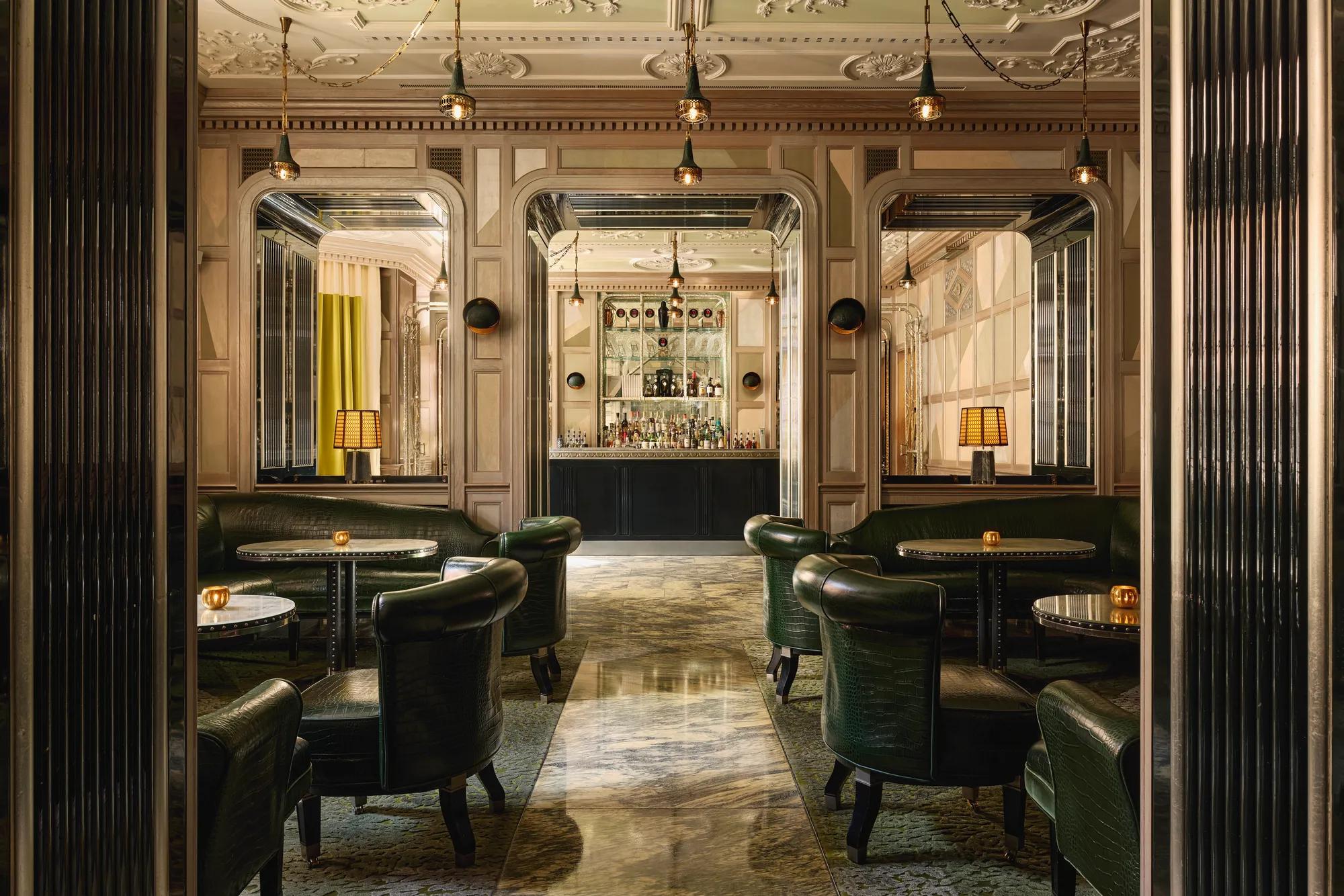
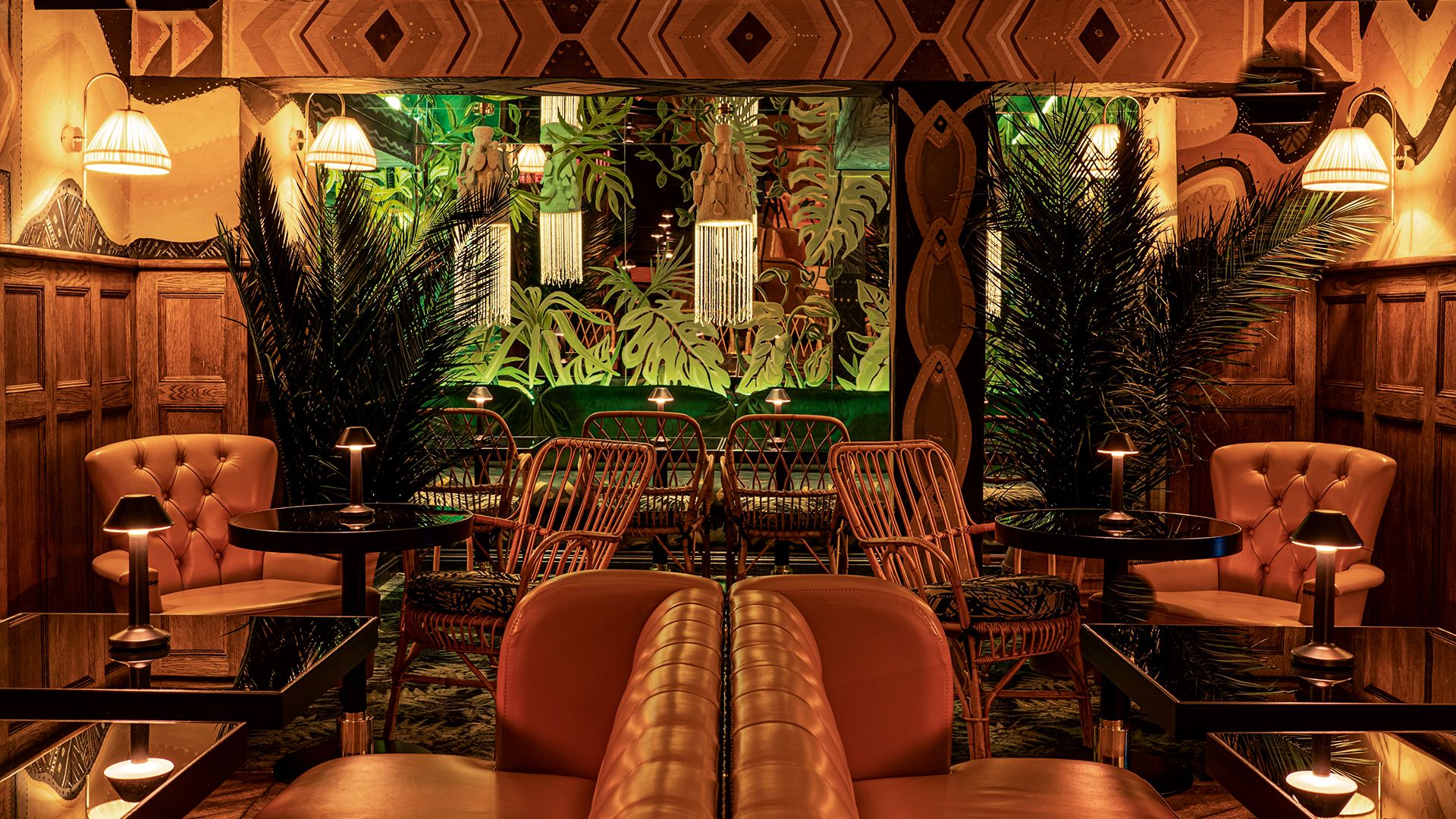
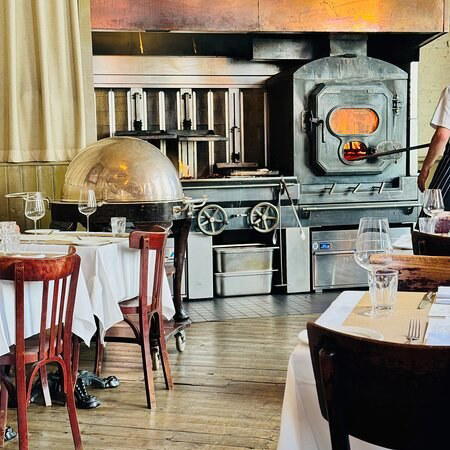
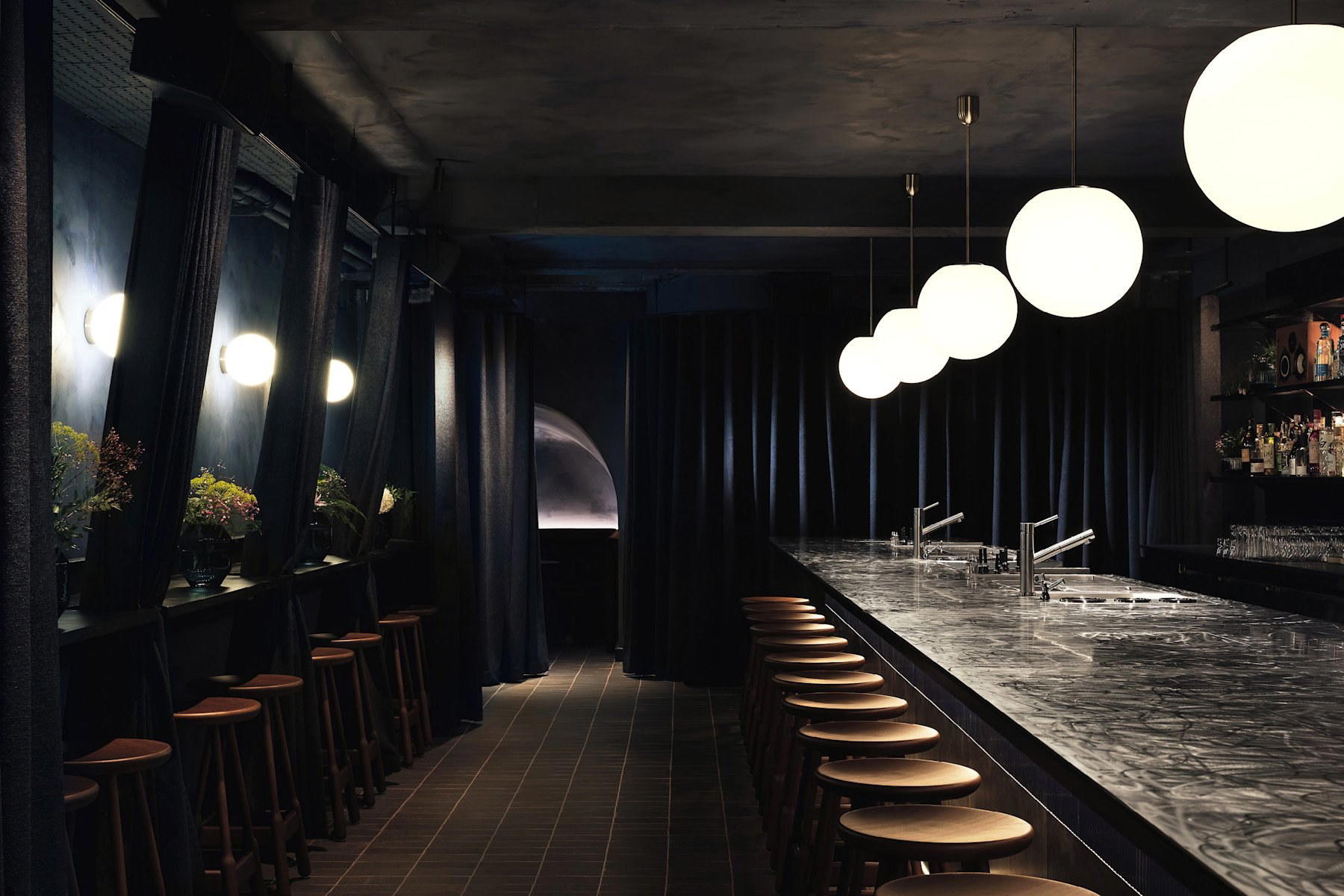
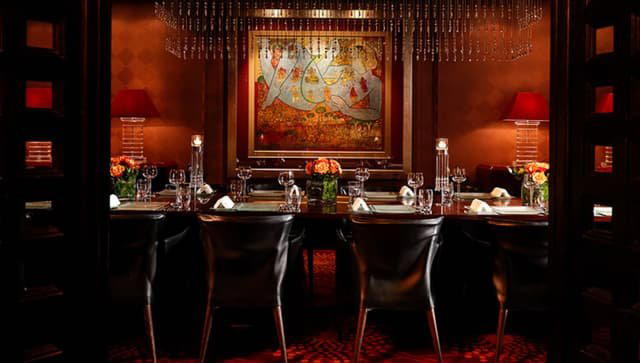
Hotels in London
All hotels in London →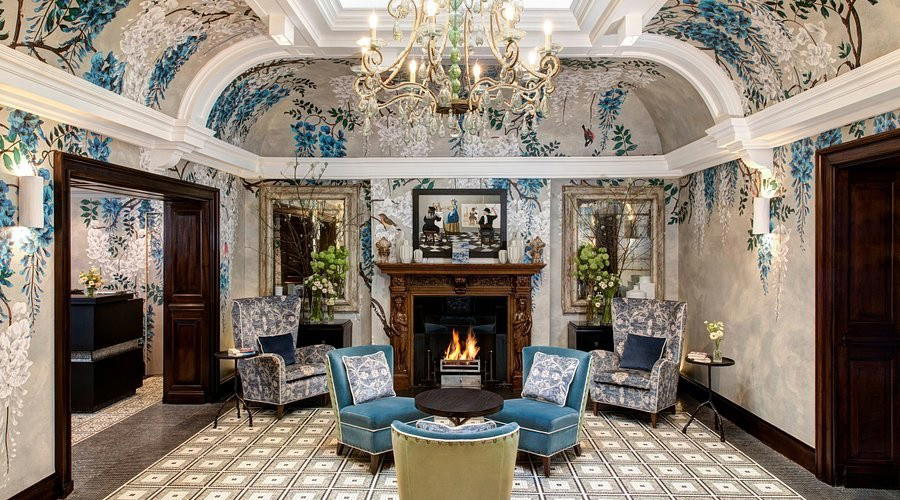



Details
- Elegant
- Cozy
- Sophisticated
- Ornate
- Whimsical
- Date Night
- Special Occasion
- Business Dinner
- Open Kitchen
- Extensive Wine List
- A La Carte
- Tasting Menu
- Small Plates
Current opening hours
- Monday
- 12–2:30 PM, 5:30–9:30 PM
- Tuesday
- 12–2:30 PM, 5:30–9:30 PM
- Wednesday
- 12–2:30 PM, 5:30–11 PM
- Thursday
- 12–2:30 PM, 5:30–11 PM
- Friday
- 12–2:30 PM, 5:30–11 PM
- Saturday
- 12–2:30 PM, 5:30–11 PM
- Sunday
- 12–6 PM
Hours can change for holidays and private events. Hours as of .
Campy yet cosy maximalist interiors with chintz, florals, ruffles, dog pictures, open fireplace, powder pink art deco bar, and candlelit tables evoking regal comfort.