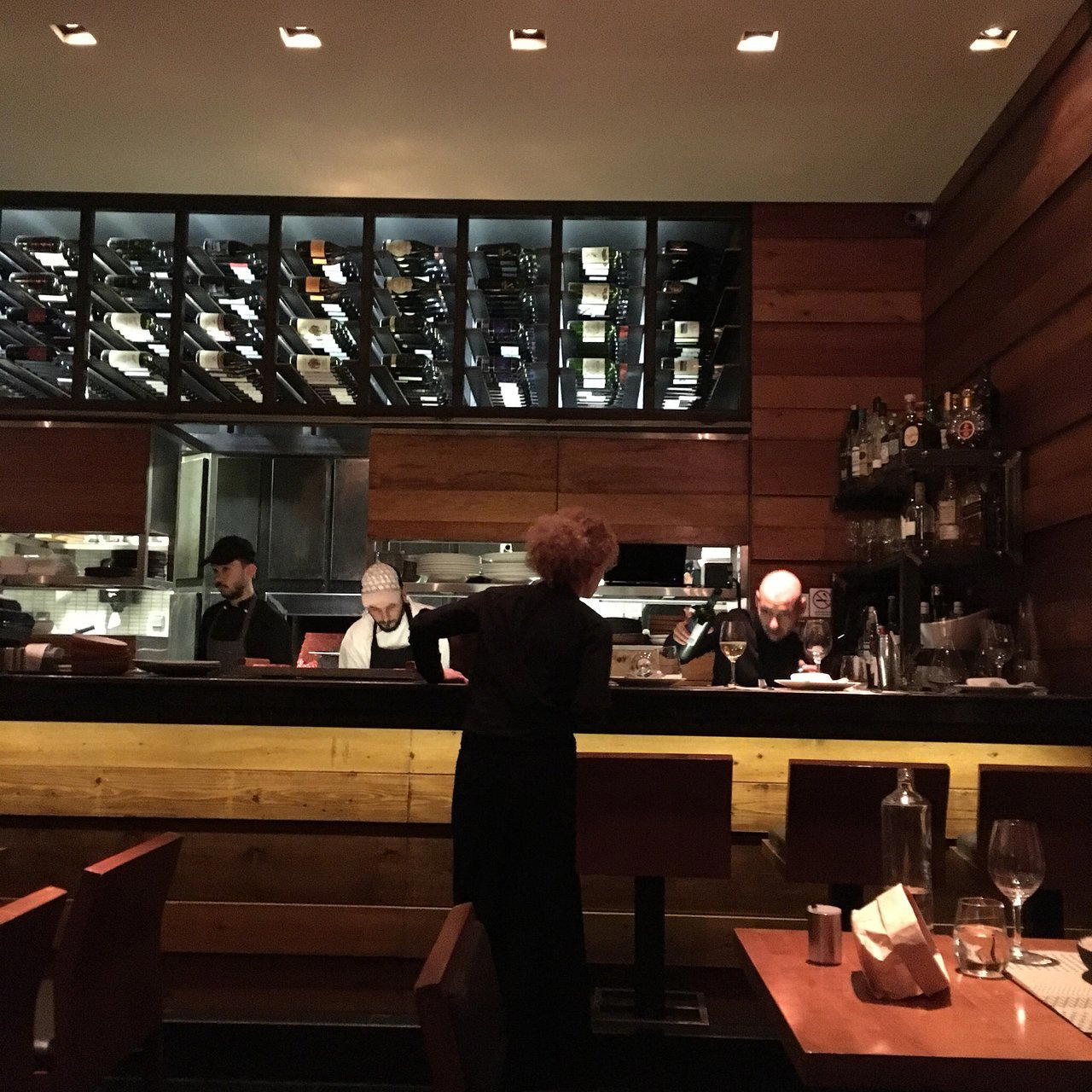
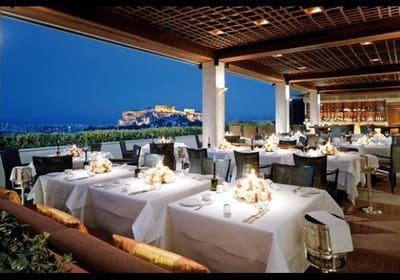
Wood Restaurant serves Modern Greek Barbecue in Kifisia with a garden view and an open kitchen, fitting lunch, dinner, or late-night plans.
Pearl is the En Primeur Club membership app — saves, bookings, and concierge access live there. Same editors, same standards.
- Address
- Emmanouil Mpenaki 22, Kifisia 145 61, Greece
- Phone
- +302108074416
- Website
- woodrestaurant.gr
- Directions
- Get directions
 Saves & bookings on Pearl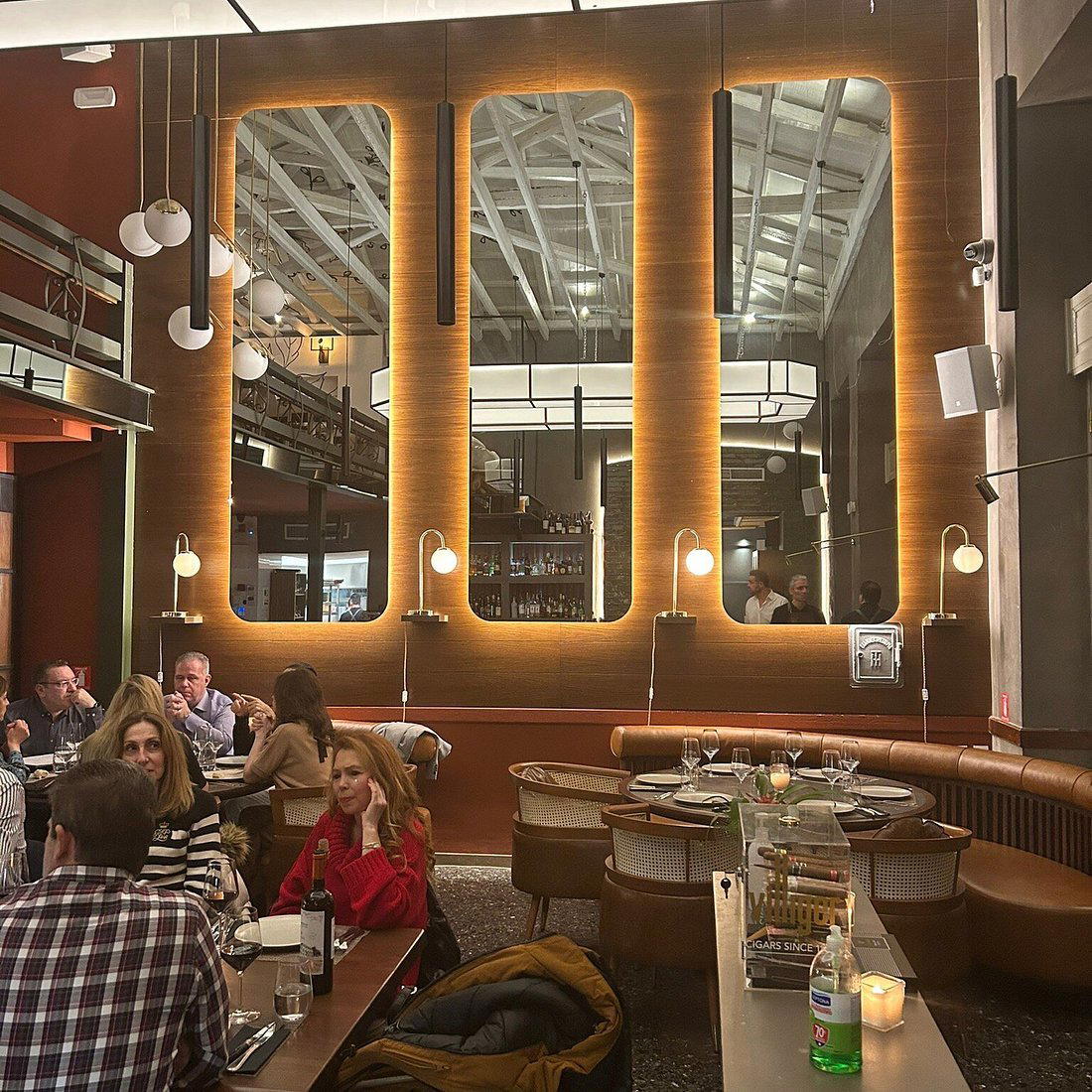
Wood and Fire in Kifisia's Northern Quarter
Emmanouil Mpenaki is a quieter residential thread in Kifisia's commercial fabric, the kind of street where the signage is modest and the assumption is that you already know where you're going. Wood Restaurant sits at number 22, and the name itself is a declaration of culinary intent: cooking organised around the elemental logic of live fire, wood fuel, and the Maillard chemistry that has defined Greek tavern cooking long before anyone thought to call it anything.
Kifisia occupies an unusual position in the Athens metropolitan food conversation. refined from the city centre by both altitude and income bracket, it has historically attracted the kind of resident who expects a consistent neighbourhood dining scene rather than destination theatre. The suburb's restaurant culture reflects that: less spectacle, more regularity. Venues like Artisanal, Cash, and Monzu each serve a local clientele that dines out frequently and compares notes.
The Cultural Grammar of Wood-Fired Cooking in Greece
Greek cuisine's relationship with live fire is not a trend imported from Argentinian asado culture or Nordic wood-smoke revivalism. It is a foundational grammar. The souvla tradition, the village psistaria, the communal bread ovens that defined rural life across the Aegean islands and mainland provinces — these are not romantic footnotes but the actual structural vocabulary of how Greek food has been produced for centuries. When a contemporary urban restaurant names itself for the fuel source, it is making a claim about lineage, whether explicitly or not.
That lineage matters in a city-region like Athens, where fine dining has split between two trajectories in the past decade: the modernist track, visible at places like Delta in Athens, which applies laboratory technique to Hellenic ingredients, and the returning-to-roots track, which strips back complexity and lets the quality of the primary ingredient speak through controlled heat. Wood-fired formats belong firmly to the second camp. The comparison is instructive not because one approach is superior, but because they serve different reader decisions. A diner coming to Kifisia for wood-fired cooking is not the same diner who books weeks ahead for a tasting menu counter.
Across Greece, that tradition of fire-forward cooking shows up in different registers depending on geography. Coastal formats — like Jimy's Fish in Piraeus and Lure Restaurant in Oia, tend to apply live-fire technique to seafood with minimal intervention. Island restaurants like Aktaion in Firostefani and Bony Fish Santorini in Imerovigli operate within the visual spectacle of caldera settings that carry their own editorial weight. A Kifisia wood-fired room operates without that geographic drama and depends instead on the cooking itself.
What a Wood-Fired Format Demands of a Kitchen
The structural challenge of any wood-fired restaurant is consistency. A gas burner maintains a fixed temperature; a wood fire requires constant management of fuel load, airflow, and coal bed depth. In practical terms, this means the kitchen's skill is visible in a different way than it is in a conventional restaurant: the product is either correct or it isn't, and there is no last-minute sauce reduction or resting technique that compensates for a fire that was not managed well from the beginning. For the diner, it means the leading items tend to be the ones that match the heat at its peak, and experienced regulars learn that rhythm.
This dynamic connects Wood Restaurant to a broader category of fire-led restaurants across the Mediterranean that have built their reputations on technical discipline rather than conceptual novelty. Beauvoir in Katakolo and Lake Vouliagmeni in Vouliagmeni both operate within settings that lean heavily on the surrounding environment; Wood, by contrast, is an address defined by its cooking method rather than its view.
Kifisia's Dining Tier and Where Wood Sits Within It
Kifisia's restaurant market sits above the city-centre taverna tier in average spend and presentation, but below the Athenian fine dining tier that draws international press. It is, in European terms, a confident neighbourhood restaurant district: the food is taken seriously, the rooms are finished properly, and the assumption is that the customer returns regularly rather than arriving once for a special occasion. Other Greek destinations like Alykes in Palaio Faliro or Knossos Greek Taverna Gouves in Gouves operate in their own local registers; Kifisia's register is defined by residents with access to central Athens dining who choose to eat locally because the quality justifies it.
Within that tier, a wood-fired format occupies a specific niche: it is not the neighbourhood's most experimental option, and it is not its cheapest. It is the option that aligns with a cultural preference for produce-led cooking and the kind of professional simplicity that is harder to execute than it appears. For comparison, the technique-driven precision visible at international references like Le Bernardin in New York City or the fermentation-forward menus at Atomix in New York City occupy a completely different register: their complexity is the point. Wood-fired cooking in a Kifisia neighbourhood room makes the opposite argument.
Visitors already building a broader Greek eating itinerary might cross-reference Feredini in Santorini, Avli tou Thodori in Mykonos, or Cacio e Pepe in Thira Municipality to understand how different Greek settings handle the same produce-first philosophy at different price points and different levels of destination expectation. The full picture of what Kifisia's dining scene offers across formats, settings, and price tiers is covered in our full Kifisia restaurants guide.
Planning a Visit
Wood Restaurant is located at Emmanouil Mpenaki 22 in Kifisia, accessible from central Athens by the ISAP metro line to Kifisia station, from which the address is a short walk or taxi ride north. Given the absence of a published booking platform in current data, arriving by phone or walking in on quieter weekday evenings is the practical approach until direct booking channels are confirmed. As with most neighbourhood rooms operating in a competitive local market, weekend evenings fill fastest; a midweek visit generally offers more space and, in a wood-fired kitchen, often more consistent pacing from the grill.

At a Glance
- Cozy
- Modern
- Elegant
- Date Night
- Group Dining
- Garden
- Open Kitchen
- Garden
Current opening hours
- Monday
- 7 PM–1 AM
- Tuesday
- 1 PM–12 AM
- Wednesday
- 12–7 AM, 7 PM–1 AM
- Thursday
- 7 PM–1 AM
- Friday
- 7 PM–1 AM
- Saturday
- 1–5:30 PM, 7 PM–1 AM
- Sunday
- 1–7 PM
Hours can change for holidays and private events. Last verified .
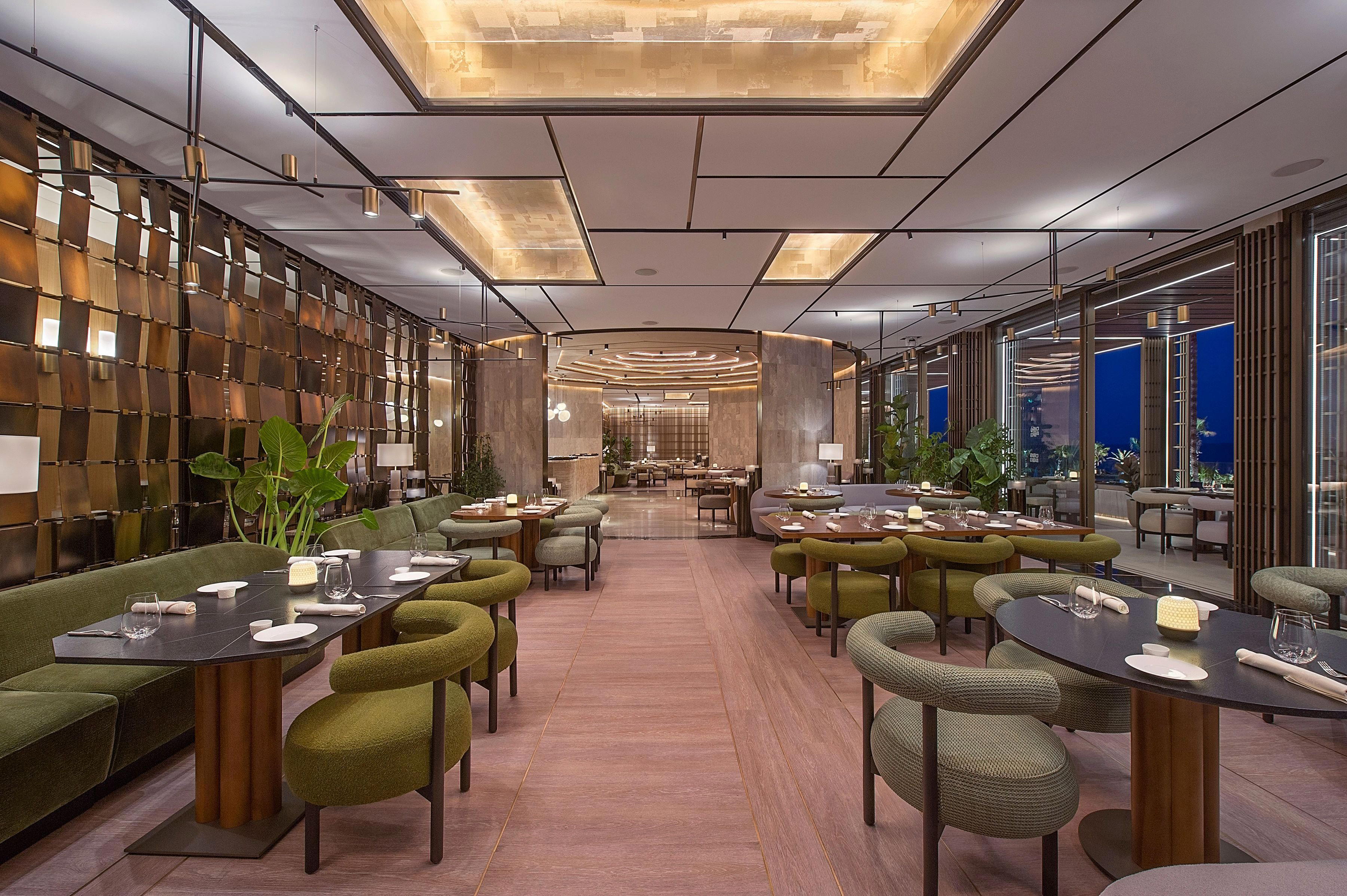
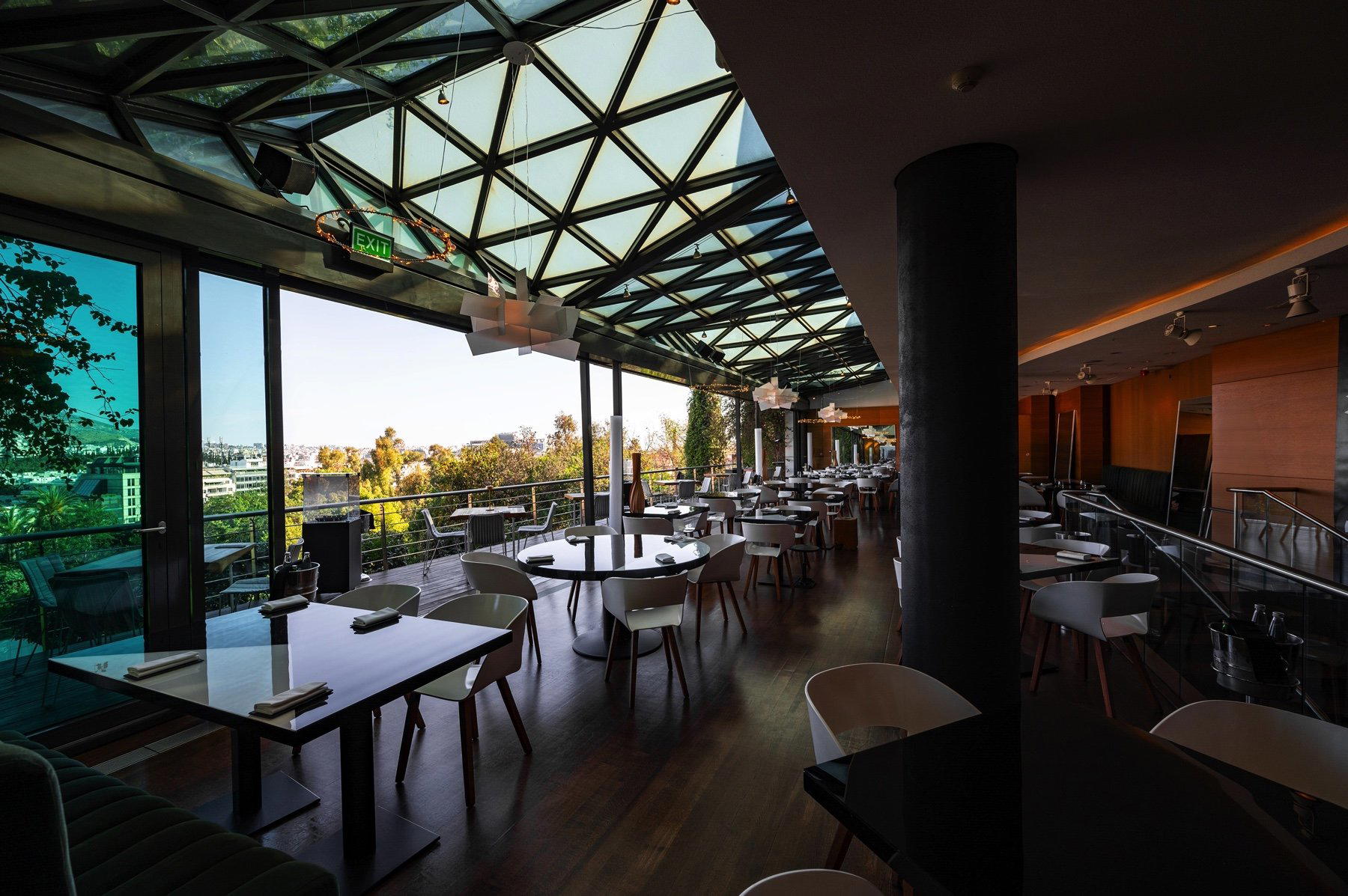
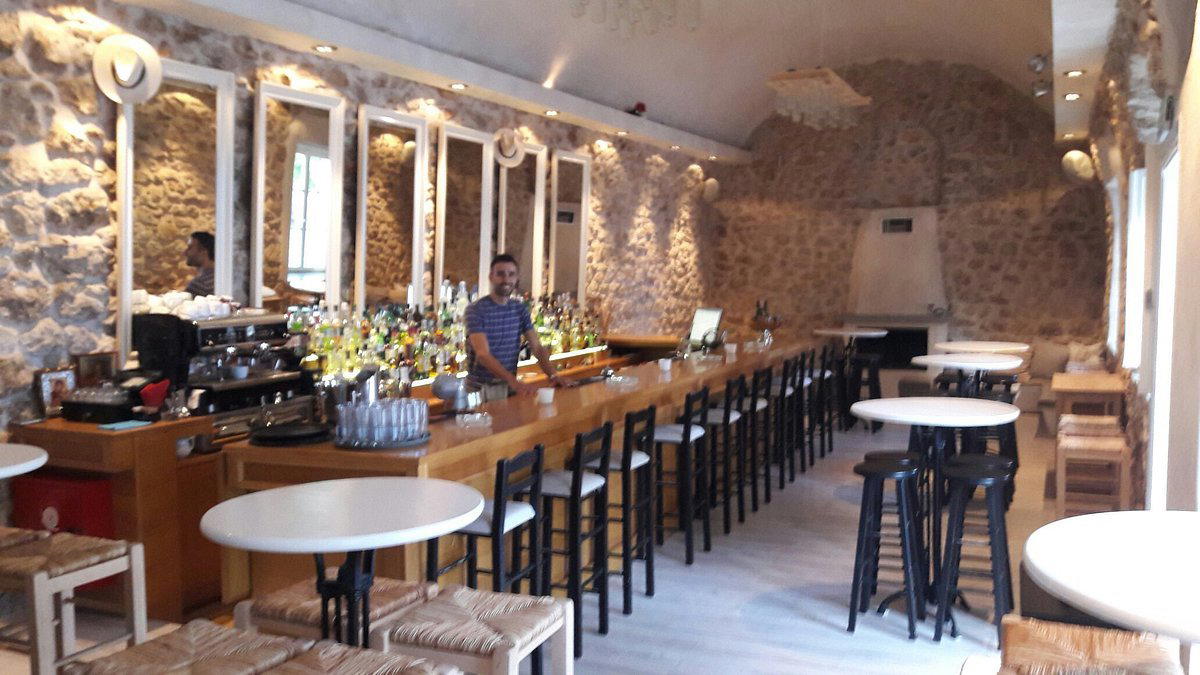
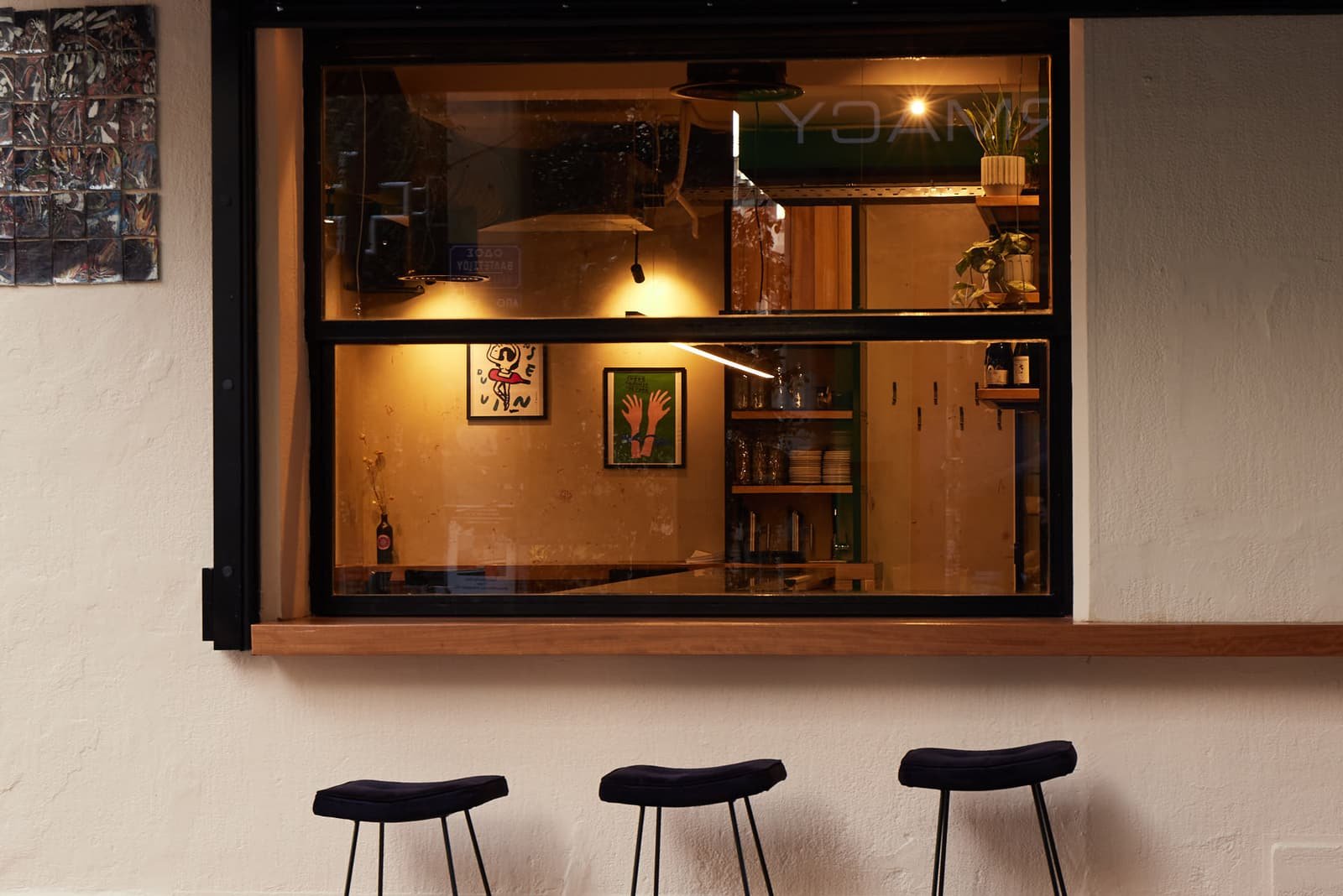
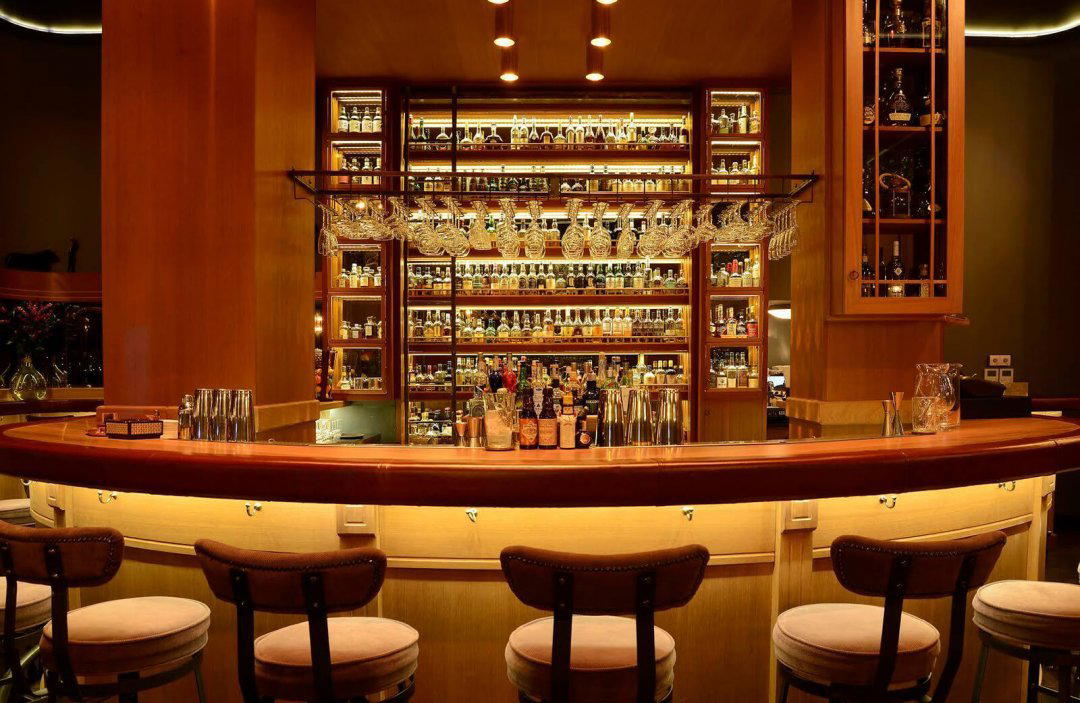
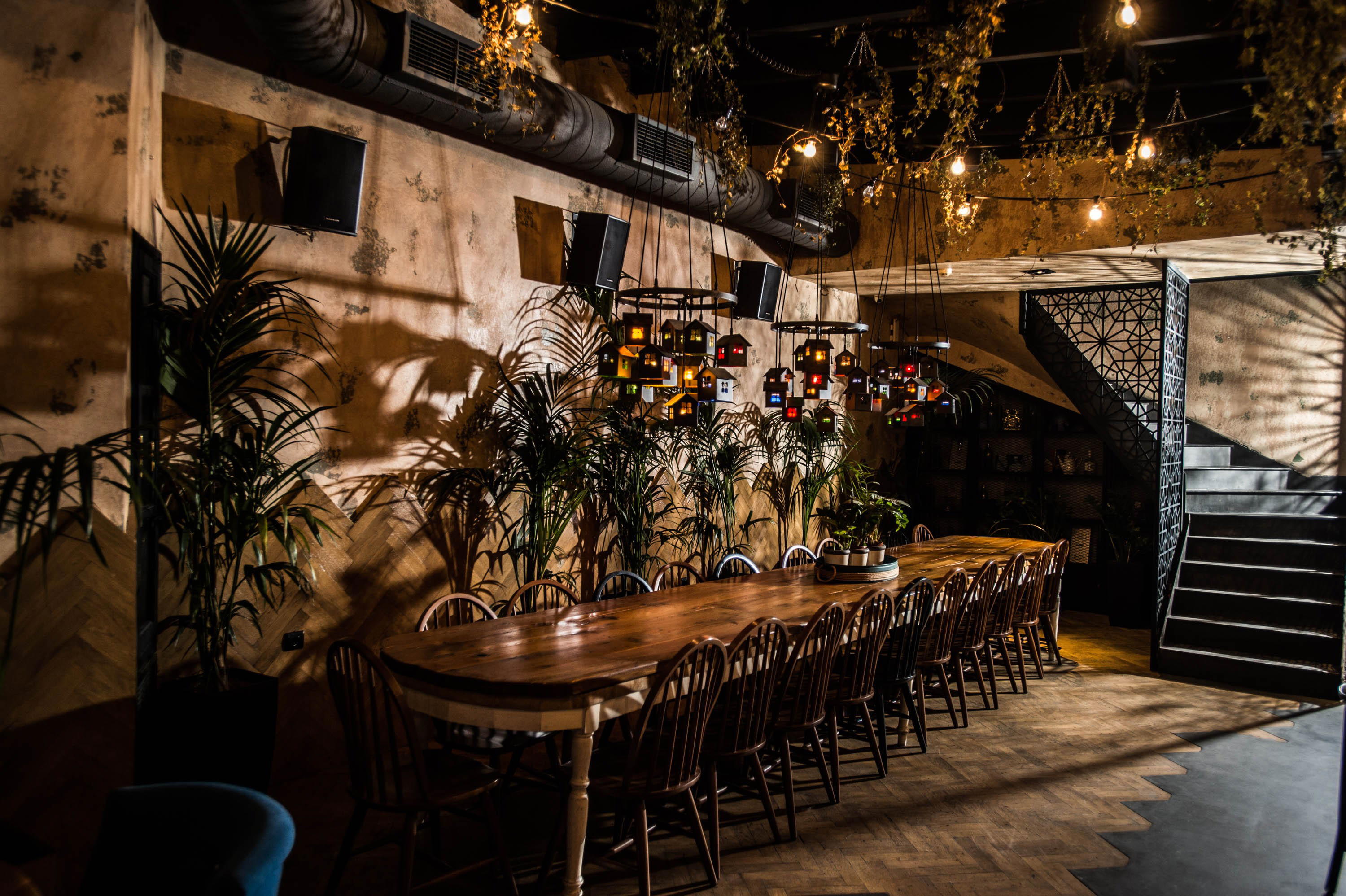
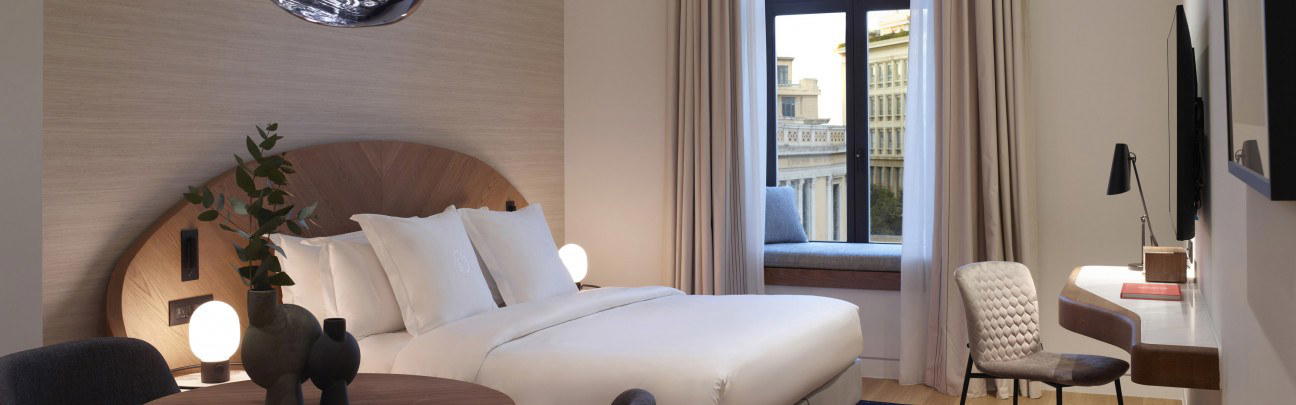
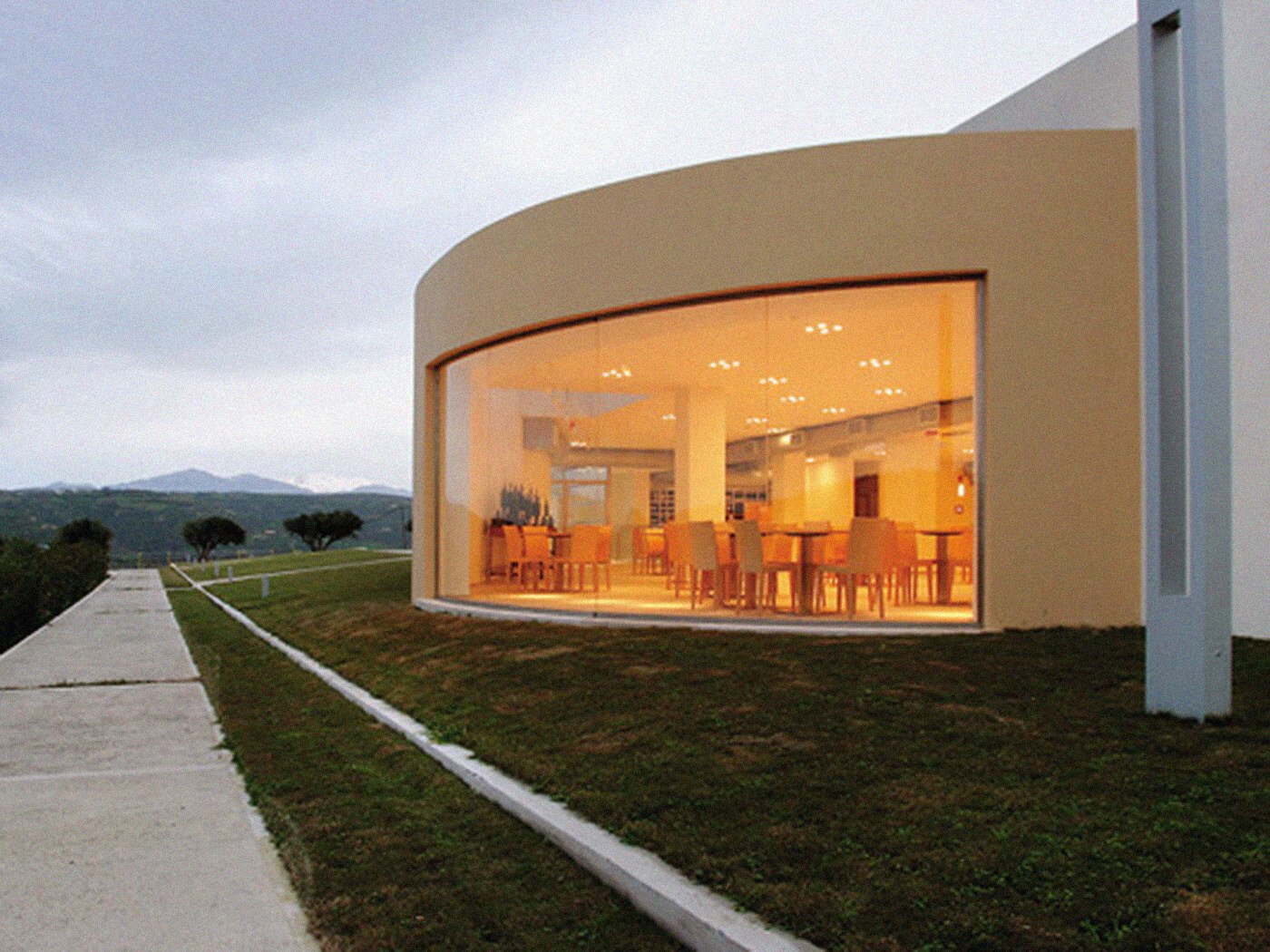
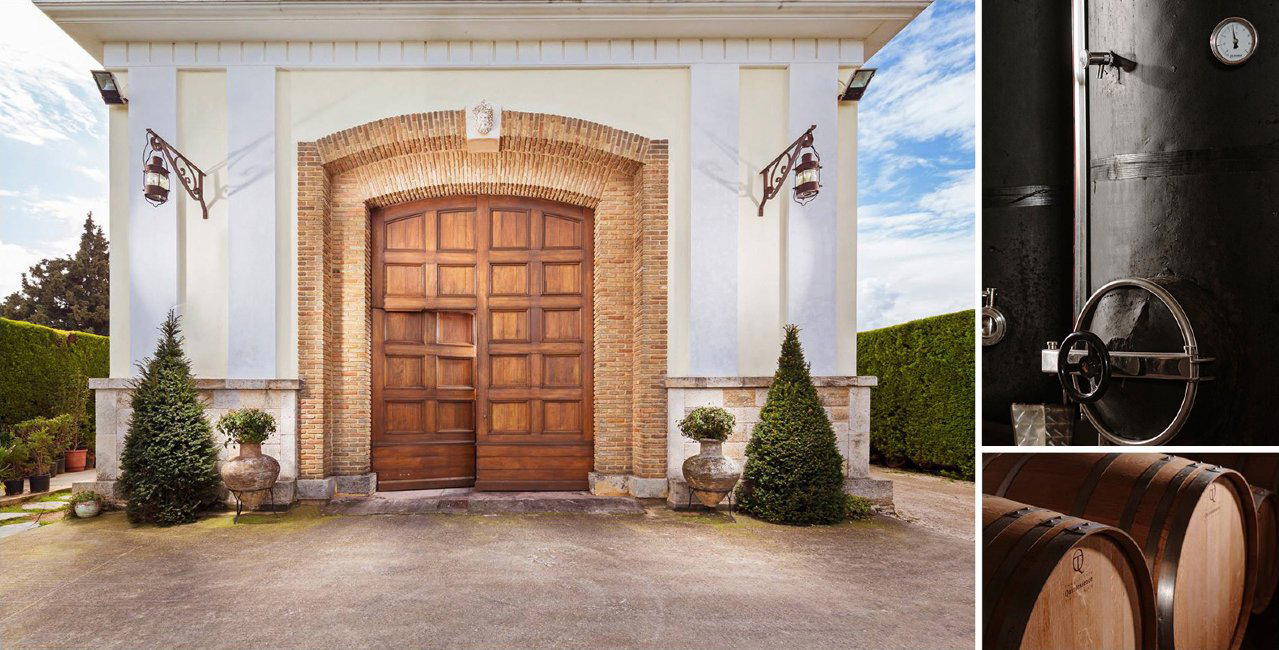
Warm, modern atmosphere with stone and wood elements, featuring a nice courtyard and garden setting.