Skip to Main Content
← Collection
Imerovigli, Greece

Bony Fish Santorini

LocationImerovigli, Greece

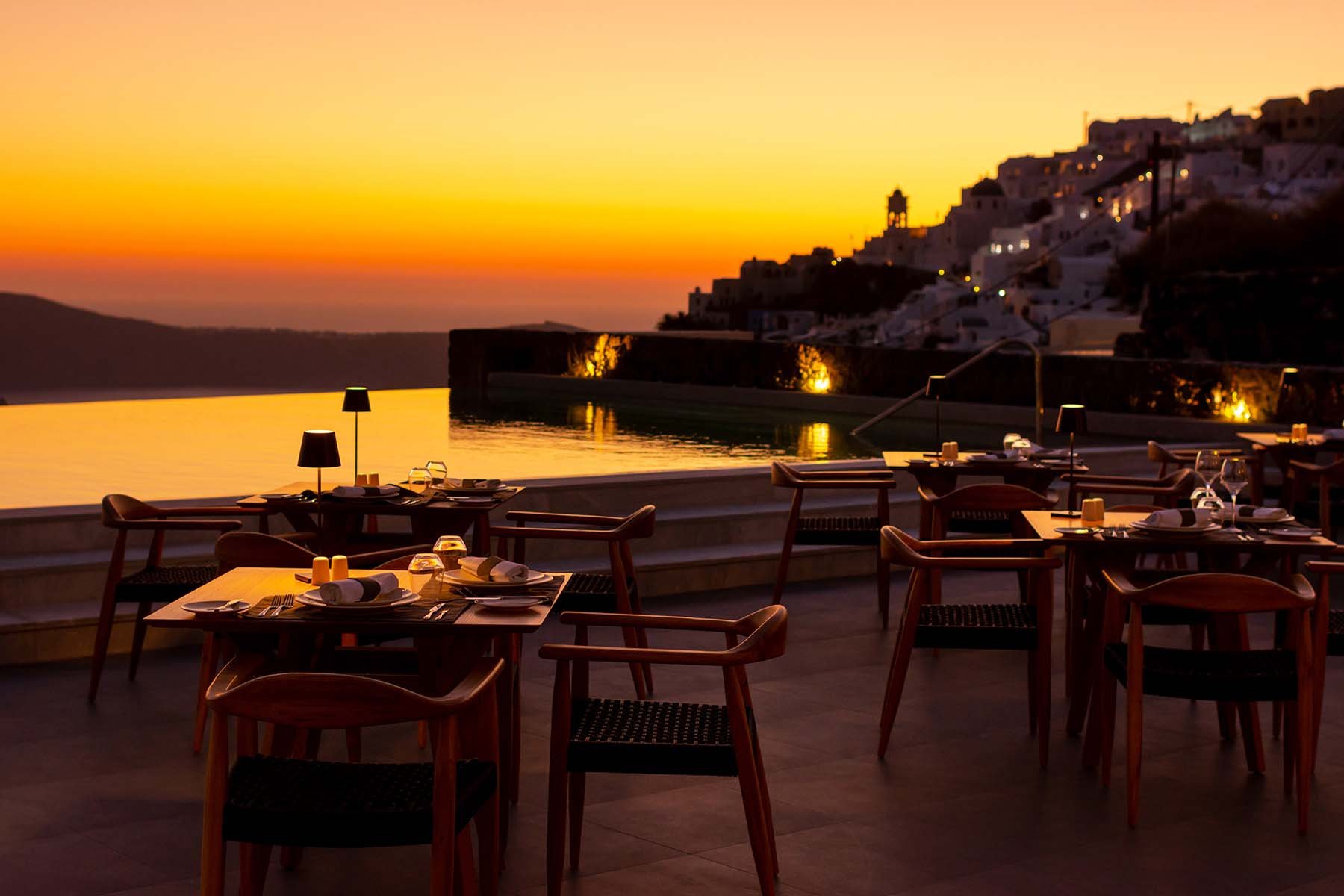
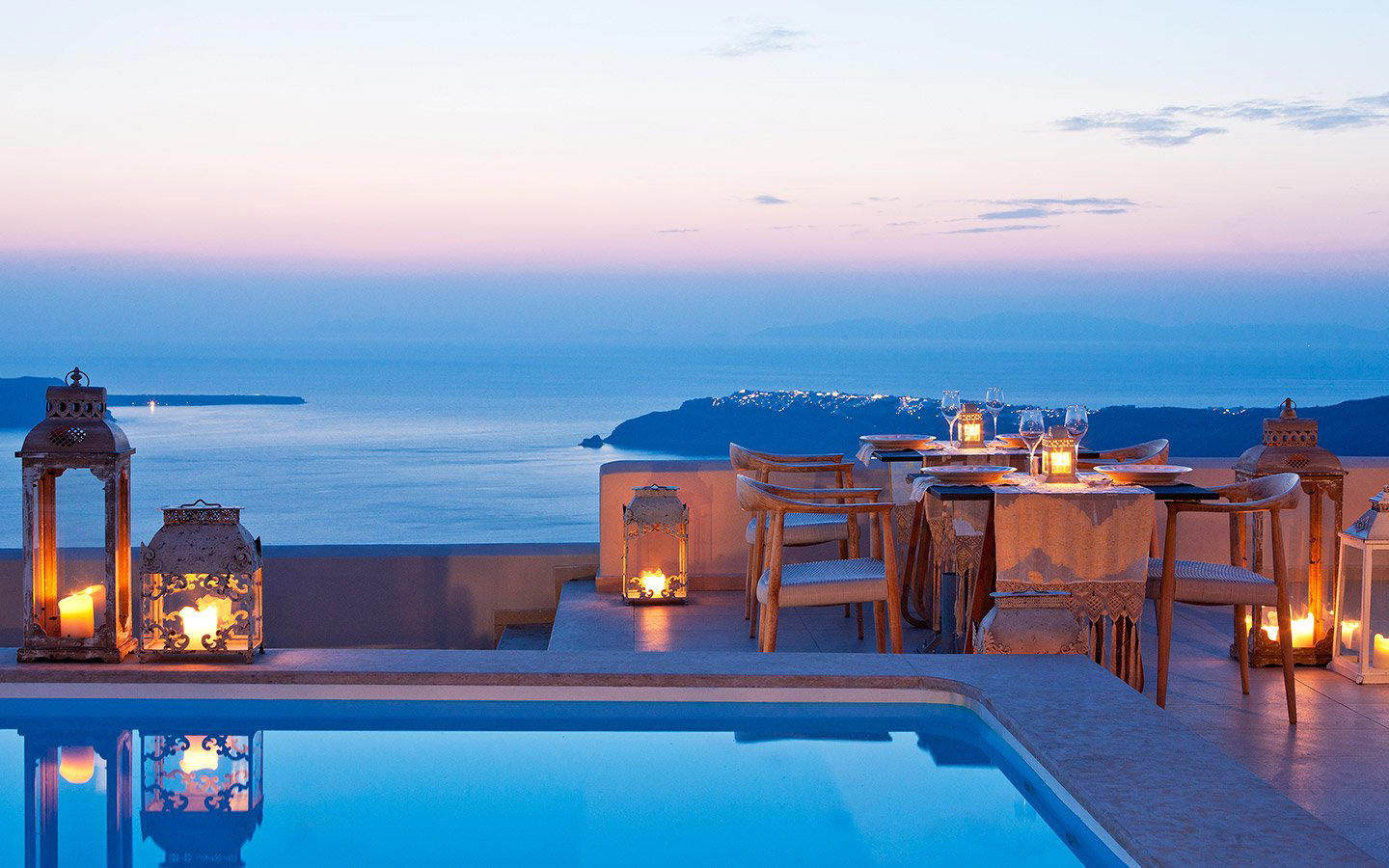
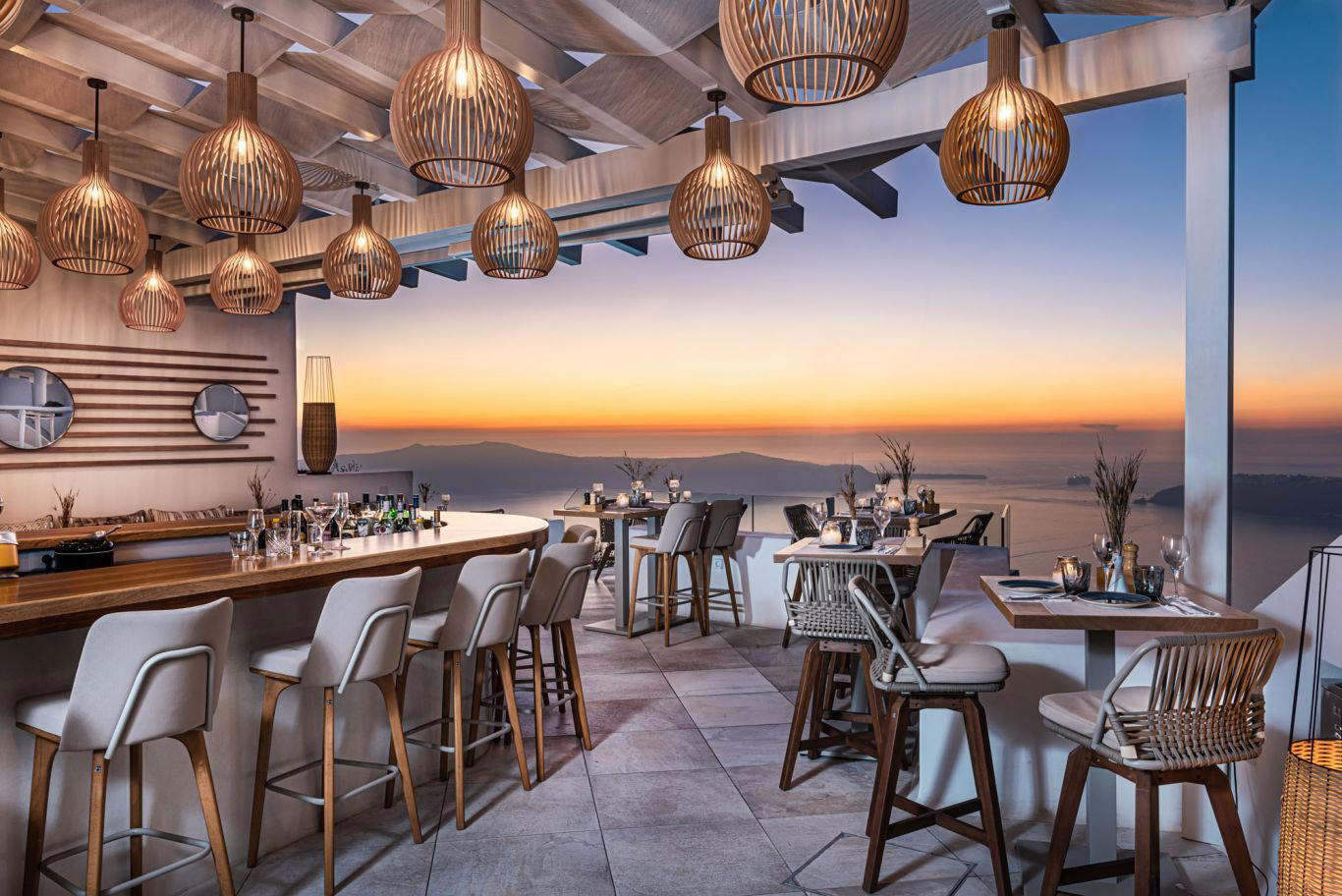
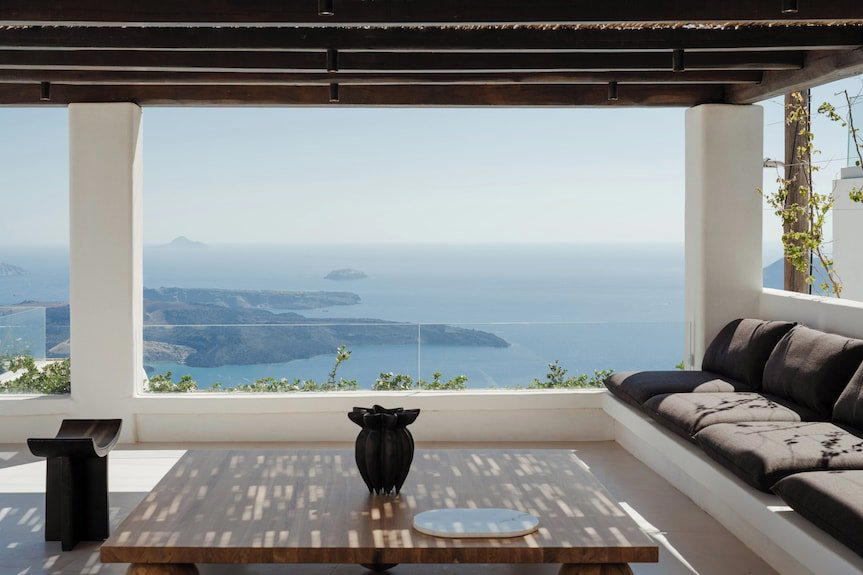
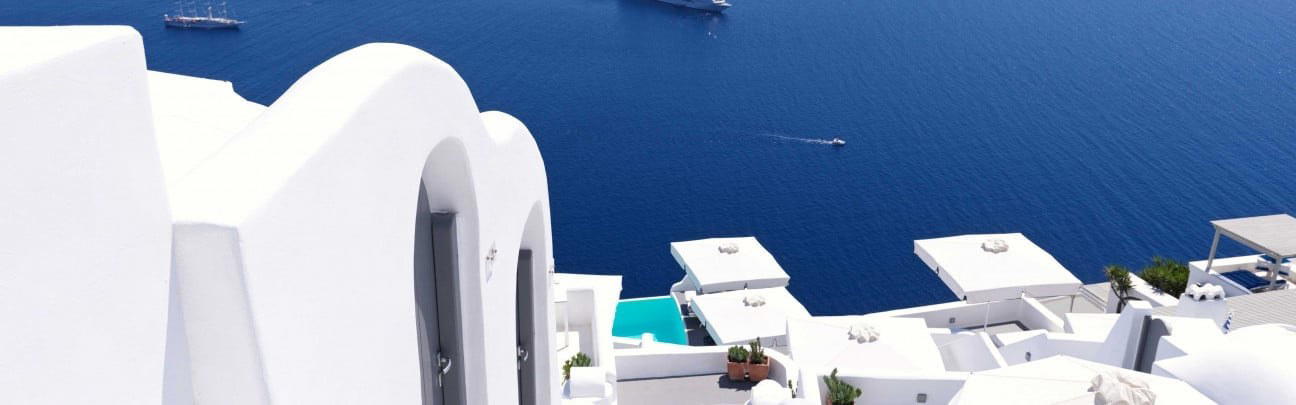
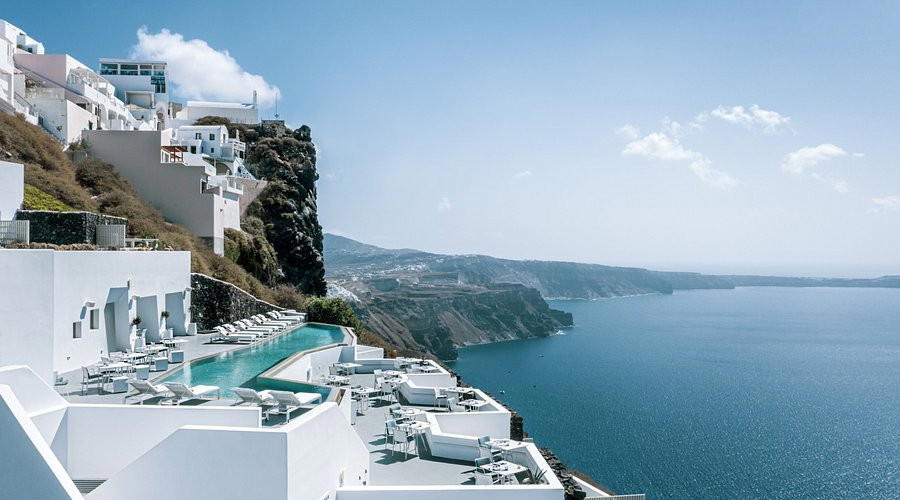
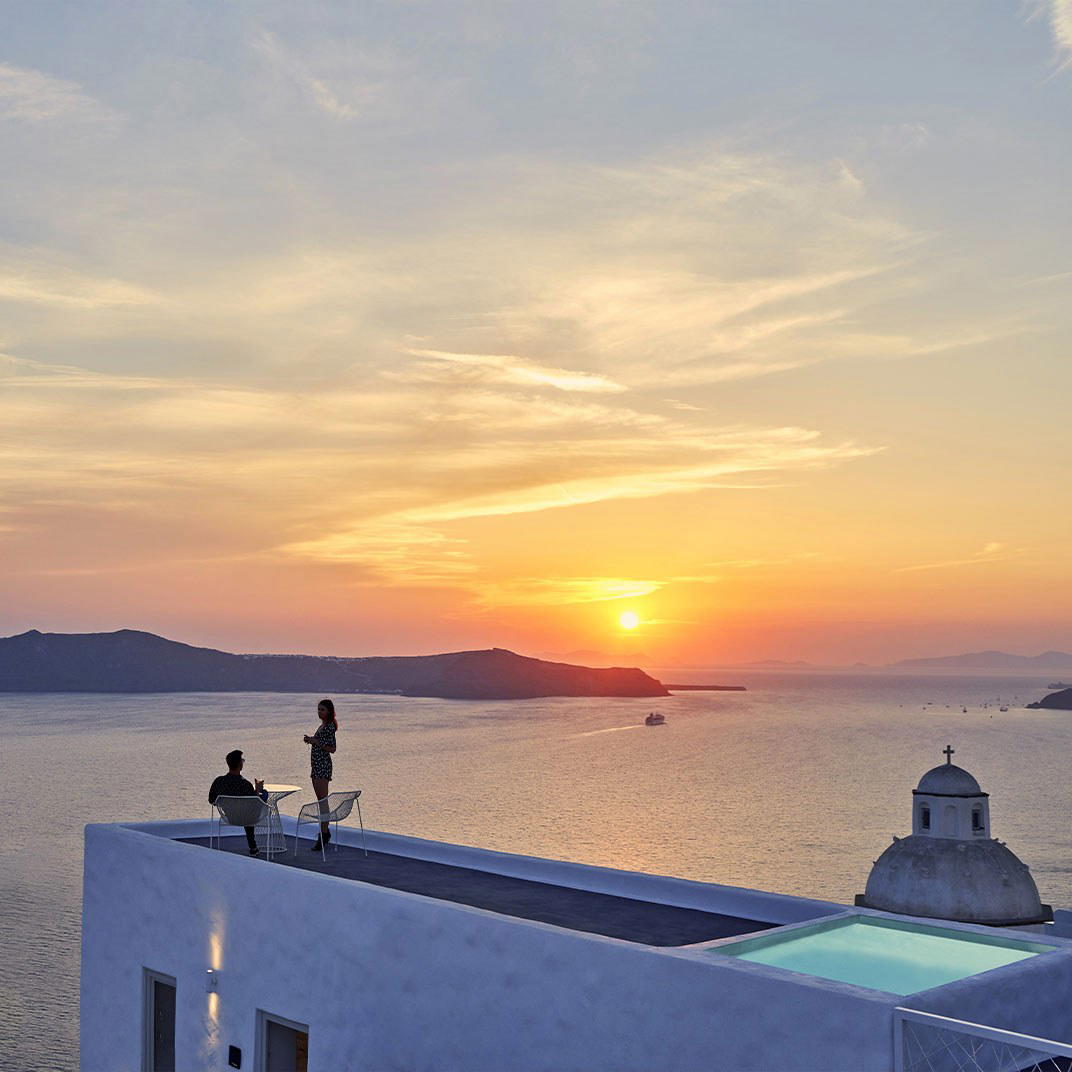
Positioned on the caldera edge in Imerovigli, Bony Fish Santorini brings a seafood-forward approach to one of the island's most architecturally dramatic villages. The setting places it in a cohort of caldera-facing restaurants where the sourcing story matters as much as the view. For visitors exploring the quieter northern stretch of Santorini's clifftop path, it warrants a place in the itinerary alongside neighbours like Varoulko and The Athenian House.

Bony Fish Santorini restaurant in Imerovigli, Greece
About

Imerovigli and the Case for Eating Well Above the Caldera

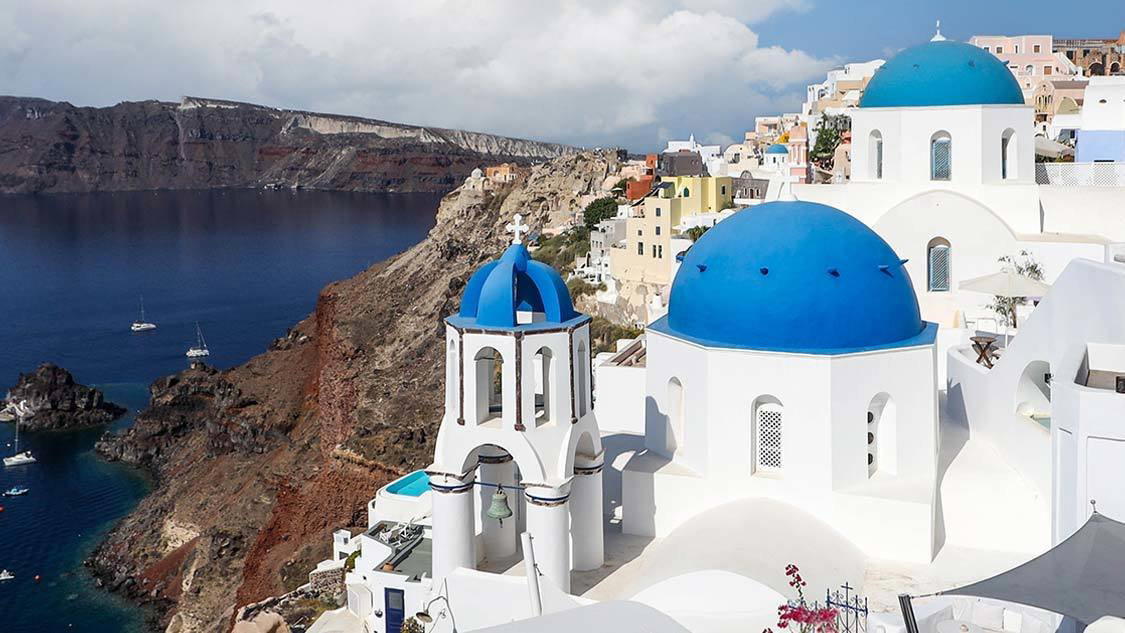
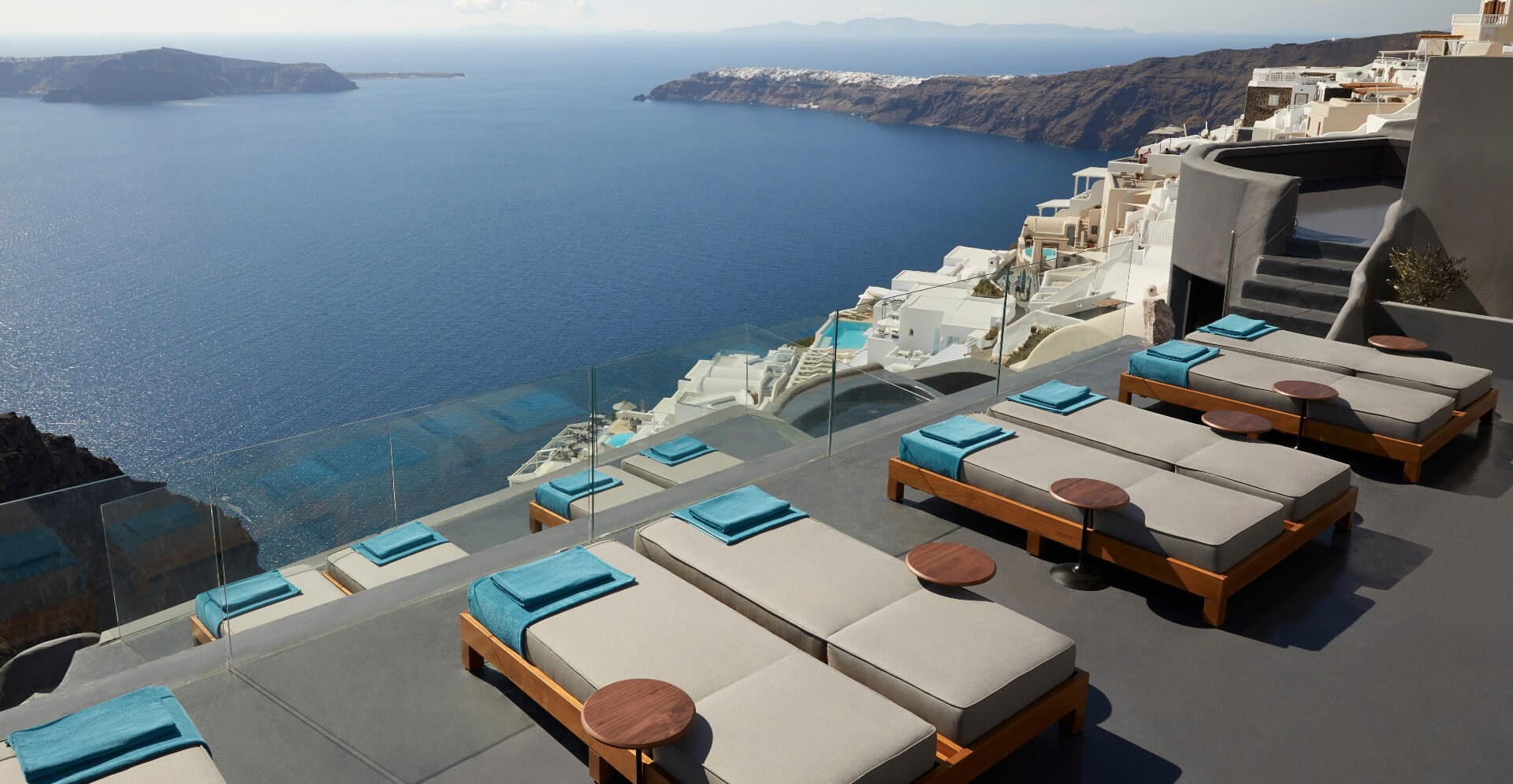
Santorini's dining scene has long been anchored at its extremes: the cruise-ship volumes of Fira and the curated luxury of Oia. Imerovigli, the smallest and highest of the three caldera villages, occupies a different register. Perched above the cliffs at roughly 280 metres, it draws visitors who want the caldera view without the foot traffic, and its restaurant cohort reflects that temperament. Bony Fish Santorini operates in this context, where the combination of altitude, proximity to the Aegean, and a predominantly local-catch seafood identity places it within a cluster of caldera-edge restaurants worth considering seriously.

The approach through Imerovigli's whitewashed lanes sets the conditions before you arrive at any table. The village sits along the same clifftop footpath that connects Fira to Oia, and the northern stretch narrows in ways that make the walk itself a transition. Restaurants here can rely on a captive, self-selected audience of travellers who have already opted out of the louder alternatives further south, and that tends to raise the baseline expectation on both sides of the table. Bony Fish Santorini addresses those expectations through a seafood focus that places ingredient provenance at the centre of its identity.

Members Only

The shortlist, unlocked.

Hard-to-book tables, cellar releases, and concierge-planned trips.

Get Exclusive Access →

Sourcing in the Aegean: Why It Still Matters Here

Greek island seafood restaurants exist on a wide spectrum of quality that often comes down to one question: how short is the supply chain? In the Cyclades, the answer varies considerably. High-volume tourist spots frequently source from mainland distributors, while smaller operations with direct relationships to local fishermen can offer catches landed the same morning. Santorini's position in the central Aegean gives it access to a productive fishing tradition, with the waters around the island yielding sea bream, sea bass, red mullet, and octopus that appear across restaurant menus throughout the island's season.

The name itself signals a deliberate commitment to fish-forward cooking rather than the more diffuse Mediterranean menus that blend seafood with meat and pasta to appeal broadly. That specificity narrows the kitchen's scope and raises the stakes on execution. In the Greek island dining context, restaurants with a defined seafood identity tend to perform more consistently than those that hedge across categories, because the ingredient quality has fewer places to hide. Comparable operations at the premium end of Greek island seafood, including To Psaraki in Vilcahda and Almiriki in Mykonos, have built reputations on exactly that principle.

Santorini's broader culinary identity also matters here. The island produces its own distinct ingredients beyond seafood: the fava from Akrotiri, cherry tomatoes grown in volcanic soil, white eggplant, and capers that carry a mineral sharpness from the terrain. These are ingredients with a documented provenance story that the leading island restaurants have learned to use as a competitive signal rather than an afterthought. A restaurant named specifically for fish, operating in a village already associated with a slower, more considered pace of tourism, sits in the right position to work with those local elements seriously.

The Imerovigli Peer Set

Understanding where Bony Fish Santorini sits requires a clear picture of its immediate neighbours. Varoulko Santorini brings the weight of its Athens Michelin-starred lineage to the caldera, placing it at the premium end of the village's dining range. The Athenian House operates in the same neighbourhood with its own distinct identity. Together, these form a small cluster of restaurants in Imerovigli where the view is consistent but the culinary approach varies enough to warrant a deliberate choice rather than a default booking.

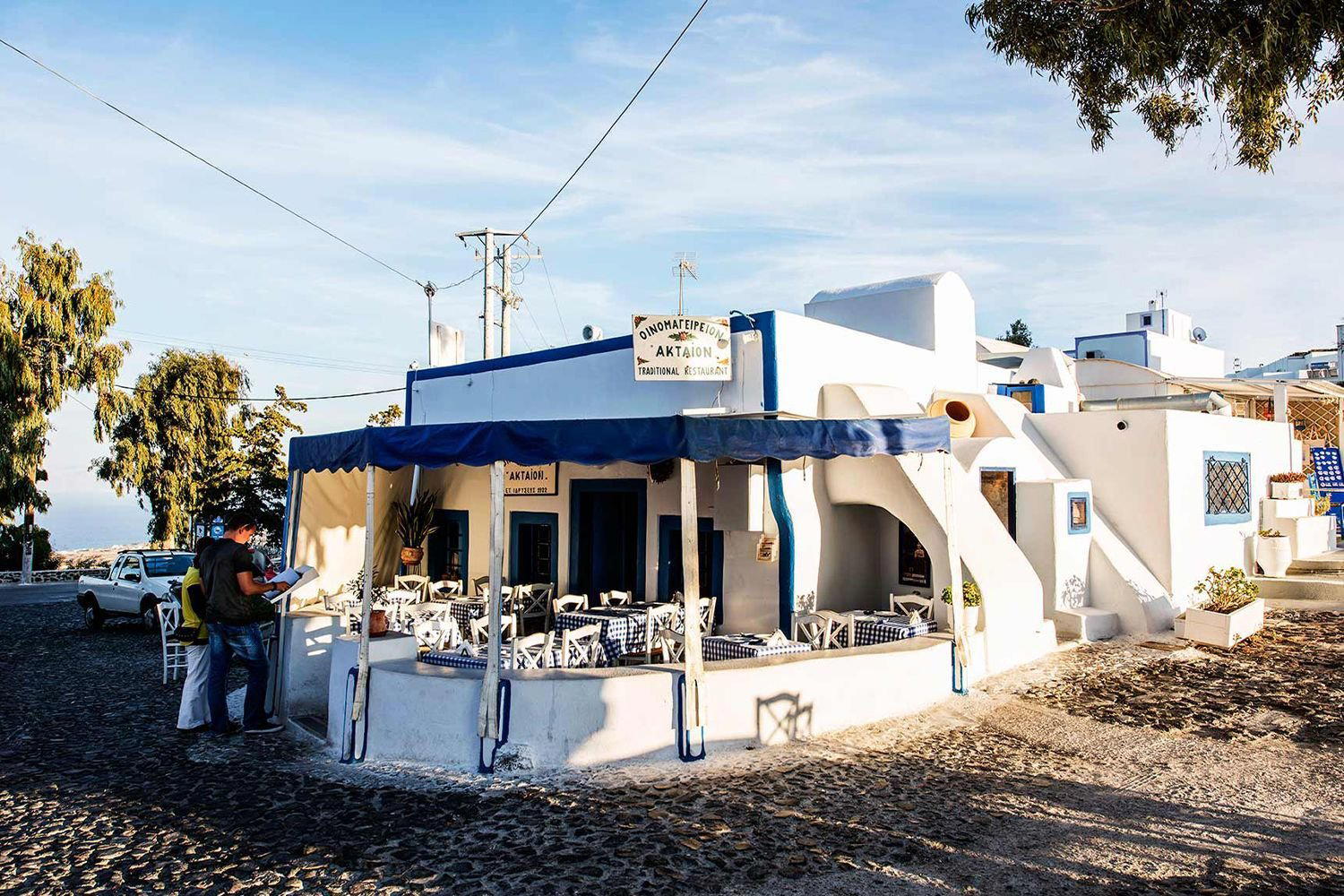
Across a wider Greek island frame, the pattern is recognisable. Olais in Kefalonia, Cantina in Sifnos, and Etrusco in Kato Korakiana each represent the principle that island restaurants with a specific ingredient and culinary focus tend to develop more durable reputations than those chasing broad appeal. On Santorini itself, Aktaion in Firostefani and Selene represent different points on the same continuum between casual island eating and structured contemporary Greek cuisine. The Athens end of that comparison, where restaurants like Delta have formalised the ingredient-first approach into a fully articulated fine dining format, shows how far the sourcing conversation has moved in Greek cuisine at large.

At the international level, the standards set by seafood-focused operations such as Le Bernardin in New York City make clear how much technical rigour a purely fish-centred menu demands. The Greek island context does not require that level of formal precision, but it does raise the question of what a seafood-named restaurant owes its audience in terms of consistency, sourcing transparency, and kitchen command.

Planning a Visit

Imerovigli is accessible by car or bus from Fira, roughly ten to fifteen minutes north along the main road, and the village is also reachable on foot via the caldera path for those prepared for the clifftop walk. The high season on Santorini runs from May through October, with August representing the peak of both visitor numbers and heat; tables at caldera-facing restaurants in the village book ahead during that window, and the shoulder months of May, June, and September offer a more measured pace. Visitors planning a broader dining itinerary across Santorini and beyond should consult our full Imerovigli restaurants guide alongside resources covering the wider Greek islands, including resort dining at properties like Myconian Ambassador Thalasso Spa in Platis Gialos, Myconian Utopia Resort in Elia, and Avaton Luxury Beach Resort in Halkidiki. For those travelling outside the Greek islands, Old Mill in Elounda and Athenolia in Kyparissia extend the map. Equally, visitors comparing approaches to ingredient-driven cooking at a different scale can look at Lazy Bear in San Francisco for how the sourcing-first philosophy translates into a structured tasting format.

Frequently Asked Questions

Can I bring kids to Bony Fish Santorini?
Imerovigli's caldera-edge restaurants generally suit older children and adults more than very young diners, given the clifftop setting and the expectation of a slower, table-focused meal. If the priority is a relaxed seafood dinner in a village that skews quieter than Fira or Oia, the setting is manageable for older children who are comfortable at the table. Confirm current seating arrangements and service timing directly with the venue before booking.
Is Bony Fish Santorini formal or casual?
Imerovigli restaurants in general occupy a middle register: not the barefoot taverna informality of a beach-adjacent spot, but not the structured formality of Athens fine dining venues at the level of Spondi or Tudor Hall either. The village's character, and a name that signals a direct, produce-led approach, suggests a dressed-casual tone is appropriate. Santorini's caldera restaurants tend to reward smart-casual choices given the setting, regardless of whether there is a stated dress code.
What's the must-try dish at Bony Fish Santorini?
Specific menu details are not available in our current data, and publishing invented dish descriptions would not serve you well. What the seafood-named identity and Aegean location do suggest is that whole fish preparations, caught locally, are likely to be the kitchen's core offering. For verified dish and menu information, contact the venue directly or cross-reference recent diner reports. Comparable Aegean seafood operations, including To Psaraki in Vilcahda, demonstrate what is possible when a kitchen commits fully to the local catch.
How does dining at Bony Fish Santorini compare to other caldera-view seafood restaurants on the island?
Imerovigli's position at the highest point of the caldera villages means the views from this stretch are among the widest on the island, but the more relevant distinction is culinary identity. A restaurant with a specific seafood name in a village that draws self-selecting travellers is making a different kind of offer than a broadly Mediterranean caldera terrace in Oia. For travellers who want the view and a kitchen with a declared ingredient focus, the Imerovigli positioning, alongside neighbours like Varoulko Santorini, makes the village worth a deliberate trip rather than a default stop.

Peer Set Snapshot

These are the closest comparables we have in our database for quick context.

Collector Access

Need a table?

Our members enjoy priority alerts and concierge-led booking support for the world's most difficult tables.

Get Exclusive Access
Members Only

The shortlist, unlocked.

Hard-to-book tables, cellar releases, and concierge-planned trips.

Get Exclusive Access →