Artisanal sits on Zirini street in Kifisia, the affluent northern suburb where Athens' dining scene has quietly grown more serious over the past decade. The name signals an explicit commitment to sourcing — the kind of positioning that, in Greece's current food moment, carries real weight. For visitors already exploring Kifisia's restaurant strip, it belongs on the same shortlist as Cash, Monzu, and Wood Restaurant.
Pearl is the En Primeur Club membership app — saves, bookings, and concierge access live there. Same editors, same standards.
- Address
- Zirini 2, Kifisia 145 62, Greece
- Phone
- +302108086111
- Website
- artisanal.gr
- Directions
- Get directions
 Saves & bookings on Pearl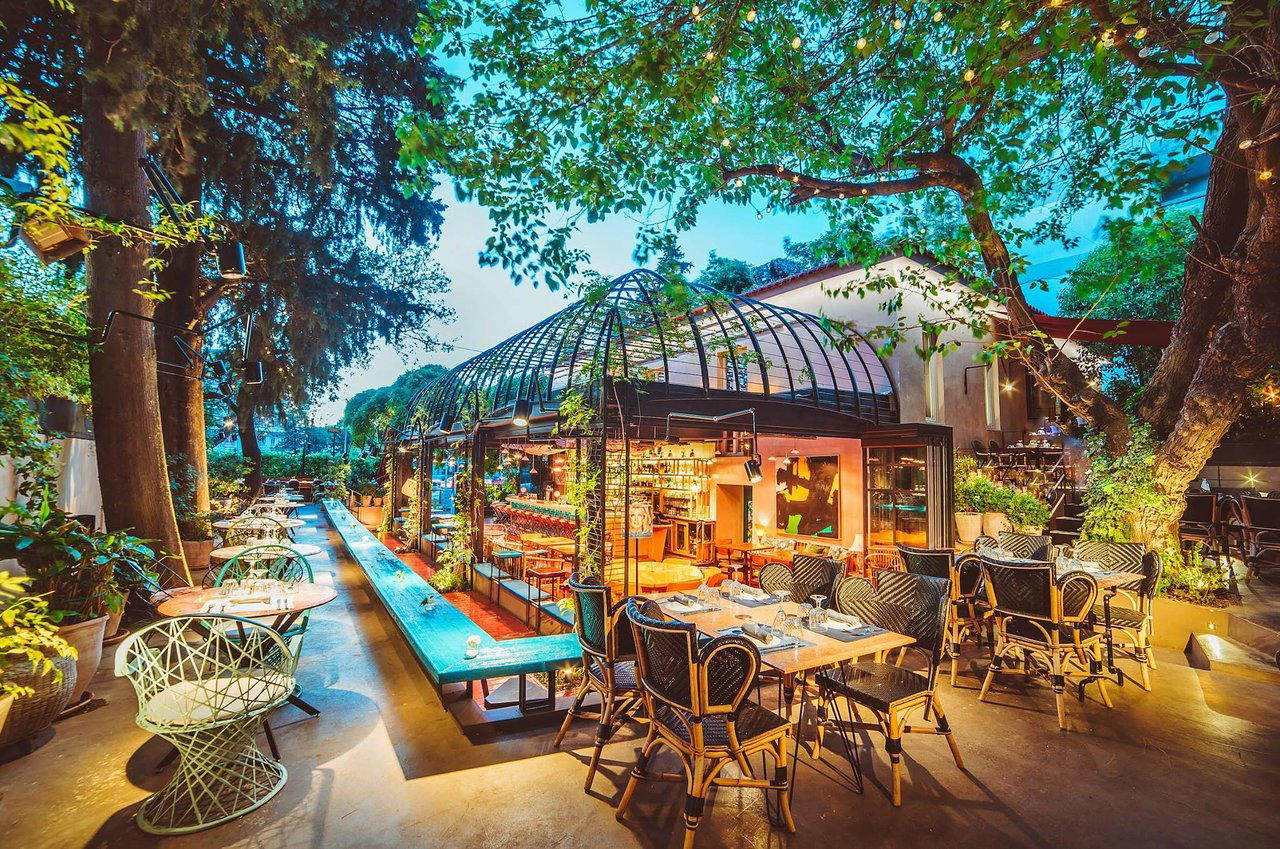
Kifisia and the Sourcing Argument
Kifisia has spent the better part of the last decade redefining what Athenian suburban dining can look like. The neighbourhood sits roughly 14 kilometres north of central Athens, connected by metro and surrounded by a residential density that sustains year-round restaurant trade rather than the tourist-season peaks that drive Mykonos or Santorini's food economies. That consistency has created space for a particular kind of restaurant: one that can afford to build a kitchen identity around provenance rather than spectacle, because the clientele returns weekly rather than once per trip.
Artisanal, at Zirini 2, occupies this context directly. The name is a positioning statement, not a decoration. In Greece's current dining moment — where the sourcing conversation has moved from niche to near-mainstream, pushed along by the visibility of producers-first venues like Delta in Athens and seasonality-driven kitchens across the islands — choosing to open under a name that foregrounds craft and origin is a deliberate competitive signal. The question the name poses is the same one serious Greek restaurants have been answering for the past several years: where does the food come from, and does that origin change how it tastes?
The Sourcing Framework in Greek Dining
Greece's ingredient map is unusually strong for a country its size. The Peloponnese supplies some of the Mediterranean's most documented olive oils, PDO-protected cheeses like Graviera and Kefalograviera arrive from Crete and the Ionian islands, and the seafood supply chain from island fisheries to mainland kitchens has become better organised as demand from quality-focused restaurants has grown. What differentiates venues within this landscape is not access, most Greek restaurants can source reasonable ingredients, but selectivity and the willingness to let sourcing decisions shape the menu rather than the reverse.
The venues that have built one durable reputations around this approach tend to share a few characteristics: smaller menus that change with producer availability, an absence of the catch-all internationalism that still marks many Athenian suburbs, and a commitment to Greek regional specificity over Mediterranean generalism. In Kifisia specifically, Cash and Monzu represent different points on this spectrum, while Wood Restaurant brings its own character to the neighbourhood's growing offer. Artisanal's name suggests it belongs somewhere on the more ingredient-conscious end of that range.
Across Greece more broadly, the sourcing conversation has produced some of the country's most compelling restaurant experiences. Selene in Santorini built a reputation over decades on Cycladic ingredient fidelity. Etrusco in Kato Korakiana on Corfu demonstrates how regional identity and Italian influence can coexist without diluting either. Island operations like Almiriki in Mykonos, Olais in Kefalonia, and To Psaraki in Vilcahda each approach local sourcing from within the specific supply logic of their geography. Athenolia in Kyparissia takes the argument further still, rooting its identity in the olive-growing culture of the western Peloponnese. What these venues collectively demonstrate is that ingredient sourcing in Greece is not a uniform story, it is highly place-specific, and the leading kitchens work from their particular regional supply rather than a generic Hellenic pantry.
The Zirini Setting
Zirini street sits within Kifisia's commercial core, where tree-lined avenues and a mix of boutiques and restaurants give the neighbourhood a cadence closer to a prosperous European town centre than an Athenian suburb. Approaching a venue on Zirini, the environment itself signals something about clientele expectation: this is not a neighbourhood where restaurants survive on foot traffic alone. Reputation and return visits sustain the better addresses here.
For visitors arriving from central Athens, the HSAP metro line (Kifisia is the northern terminus) makes the journey direct without requiring a taxi. The ride runs around 35 to 40 minutes from central stations, and the area around Plateia Kifisias, the neighbourhood's main square, is a short walk from Zirini. Timing a visit for a weekday evening typically means a calmer room than the weekend, when Kifisia draws Athenian families in larger numbers. For dining comparisons that span the Greek context, our full Kifisia restaurants guide maps the neighbourhood's range more completely.
Where Artisanal Sits in a Broader Frame
The sourcing-led restaurant format has proven durable in markets well beyond Greece. At the technique-intensive end, venues like Le Bernardin in New York City have built decades-long reputations on ingredient primacy, the argument there being that extraordinary seafood sourcing justifies extraordinary technical discipline. At the community-dinner format end, Lazy Bear in San Francisco demonstrates how provenance storytelling can become part of the service architecture itself. Neither comparison is direct, but both illustrate that the sourcing argument is not a Greek-specific phenomenon, it is a structural choice that defines a restaurant's competitive set and the kind of trust it asks from its guests.
In Kifisia, Artisanal makes that choice via its name and its address in a neighbourhood where the returning local clientele provides accountability. A restaurant cannot sustain a sourcing identity in a repeat-visit market by sourcing badly; the regulars know the difference. That dynamic is part of what makes Kifisia's better venues more honest than their island counterparts, where a tourist rotation can mask inconsistency for years. Other resort-adjacent operations across Greece, from Avaton Luxury Beach Resort in Halkidiki to Myconian Ambassador Thalasso Spa in Platis Gialos and Myconian Utopia Resort in Elia, operate under a different accountability structure, one shaped more by seasonal visitor volume than neighbourhood loyalty. Old Mill in Elounda and Aktaion in Firostefani each navigate this tension in their own ways.
What Artisanal inherits from its Kifisia context is a set of guests who know Greek ingredients well and eat out frequently enough to have calibrated expectations. That is a harder audience to please than a tourist table, and a more useful one for a restaurant that means its name seriously.
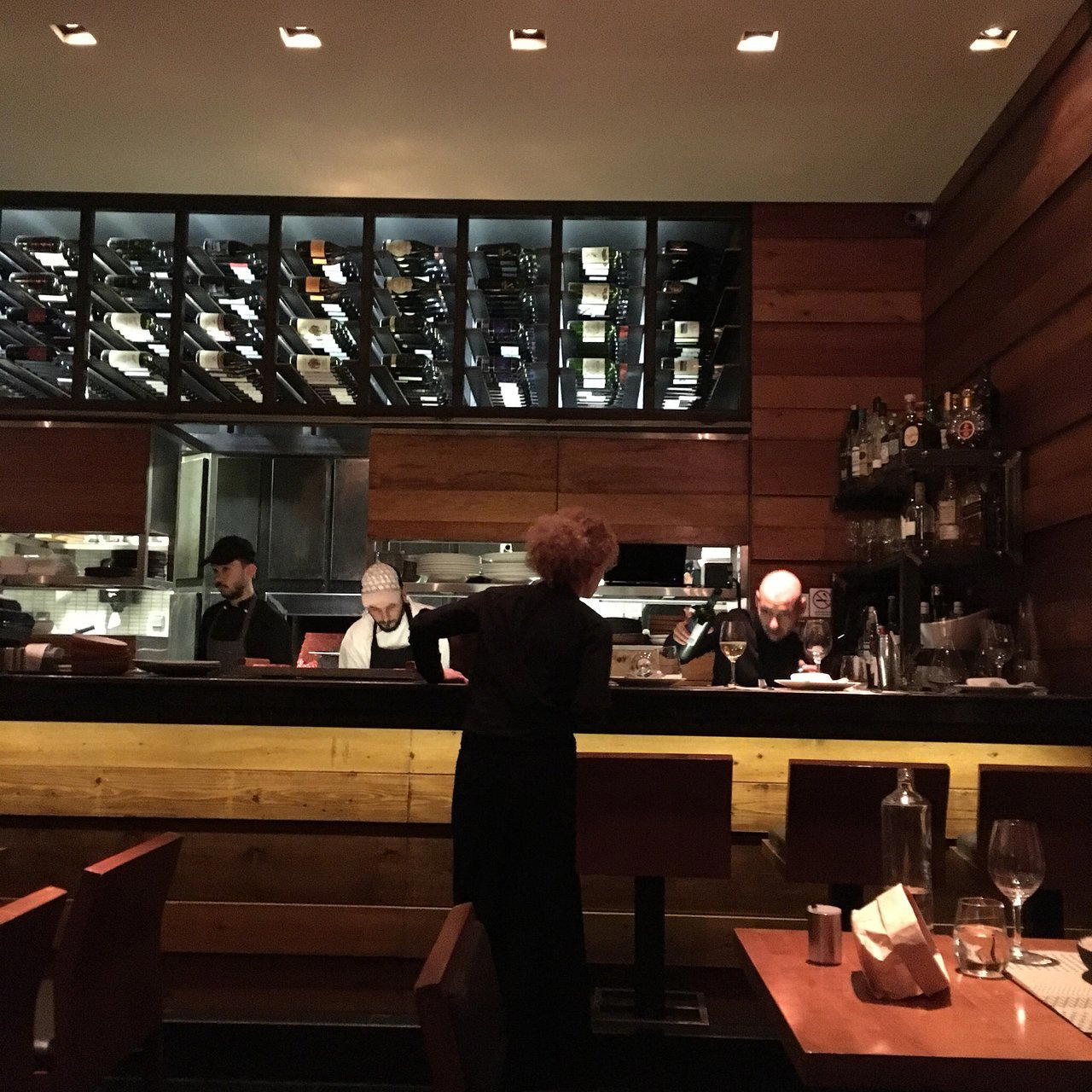
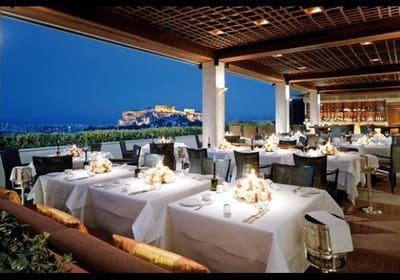
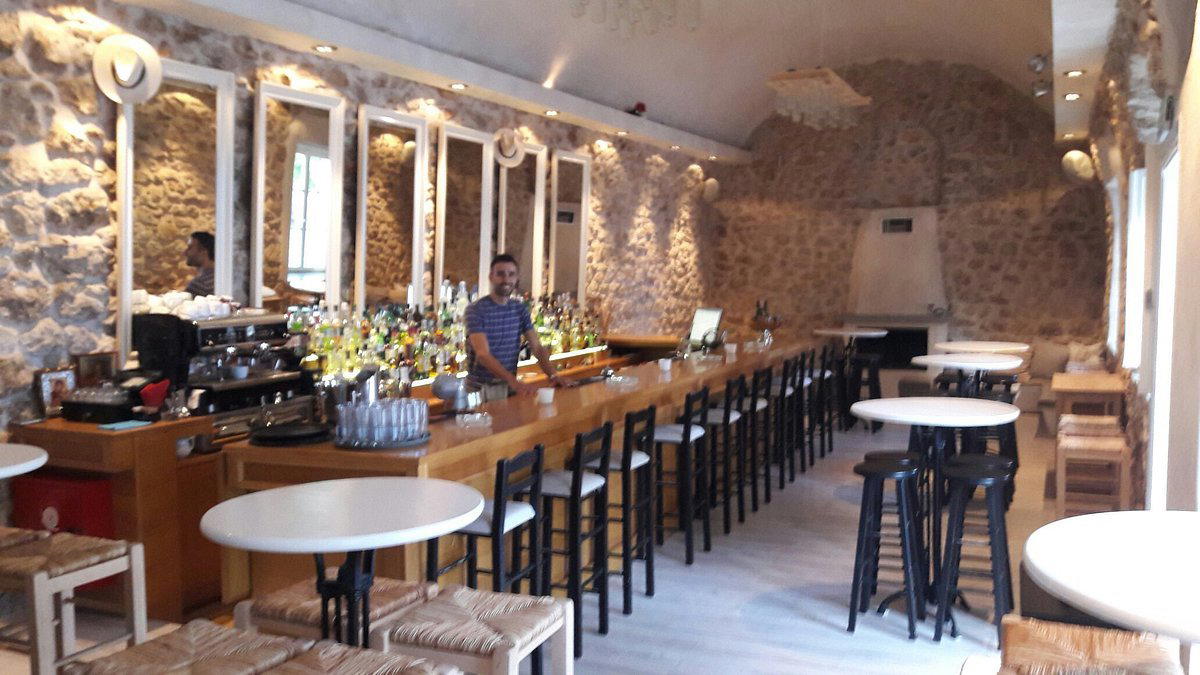
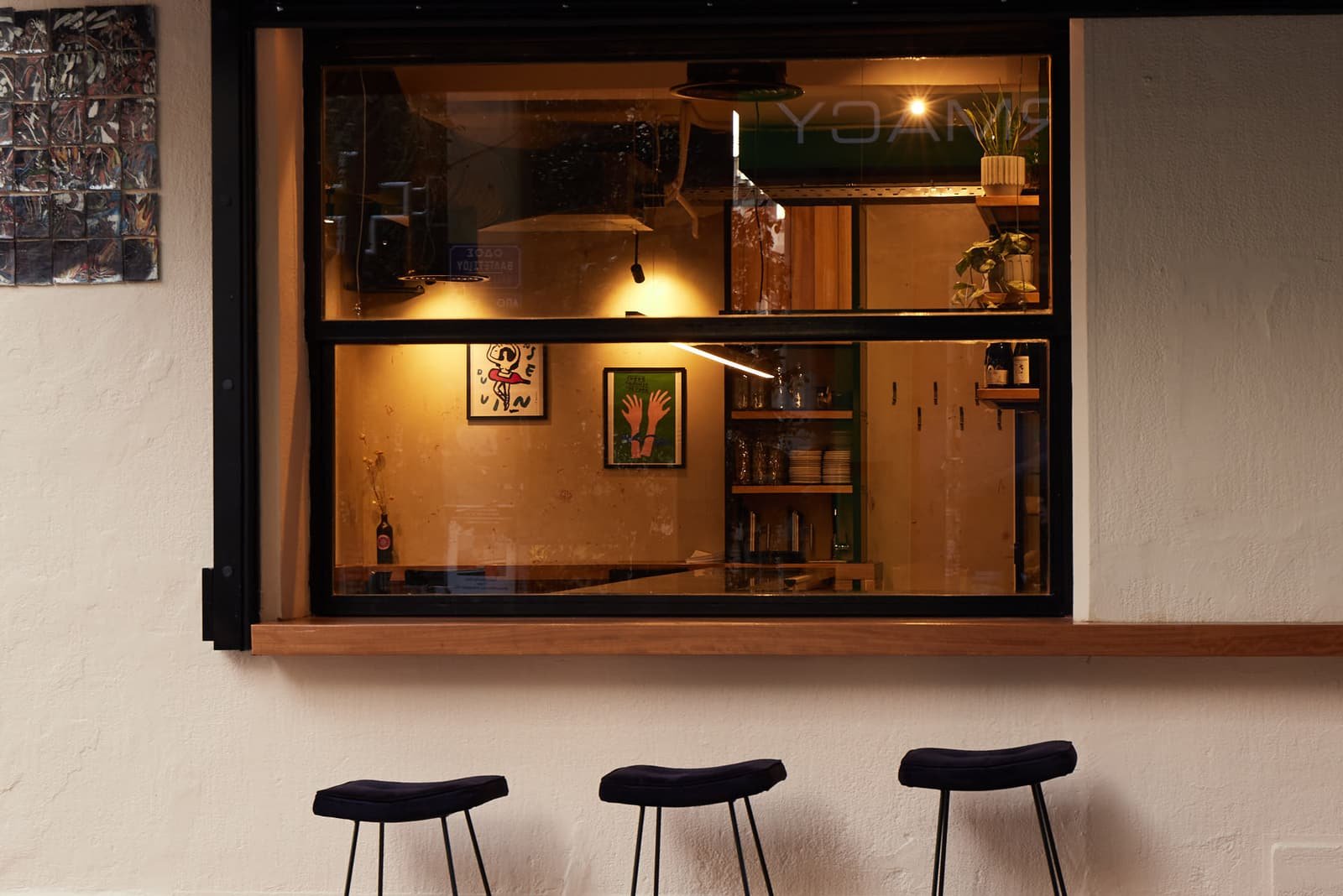

At a Glance
- Modern
- Elegant
- Cozy
- Date Night
- Brunch
- Special Occasion
- Open Kitchen
- Garden
- Terrace
- Craft Cocktails
- Local Sourcing
- Garden
Current opening hours
- Monday
- Closed
- Tuesday
- 6 PM–12 AM
- Wednesday
- 6 PM–12 AM
- Thursday
- 6 PM–12 AM
- Friday
- 6 PM–12 AM
- Saturday
- 6 PM–12 AM
- Sunday
- 1–6 PM
Hours can change for holidays and private events. Last verified .
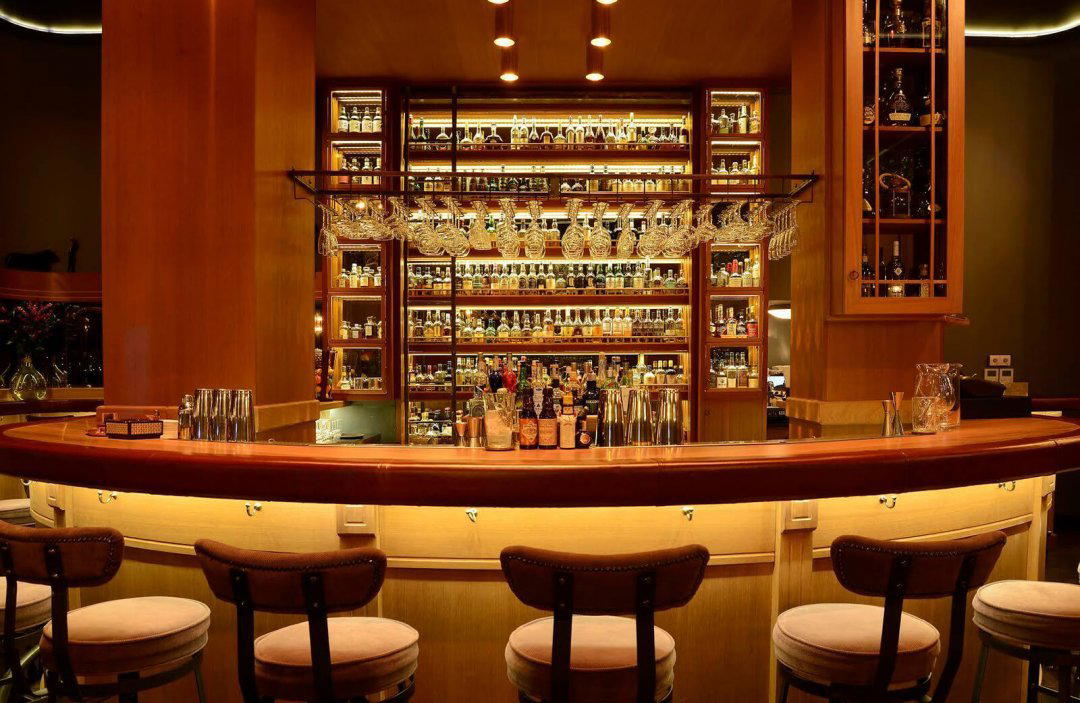
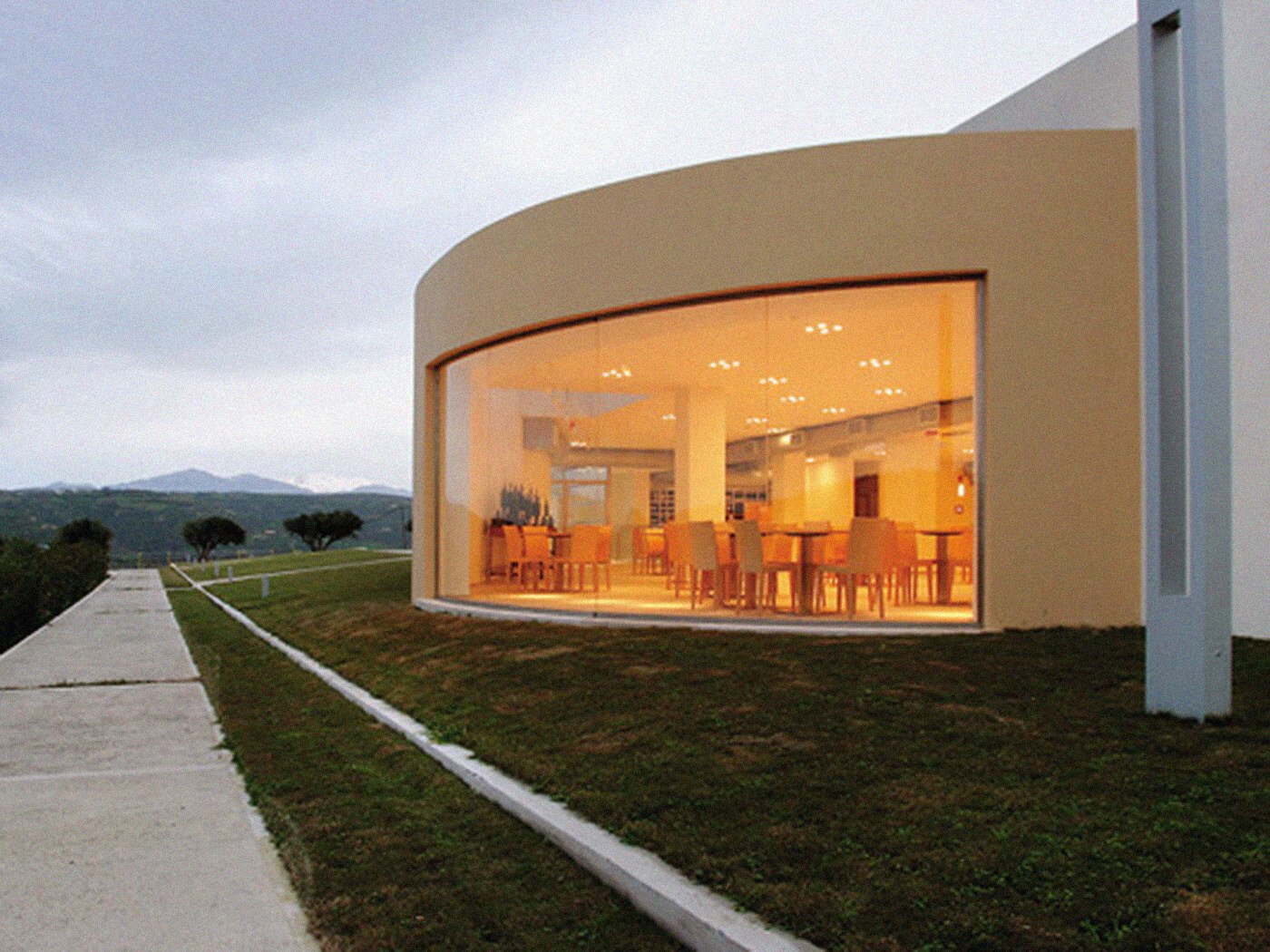
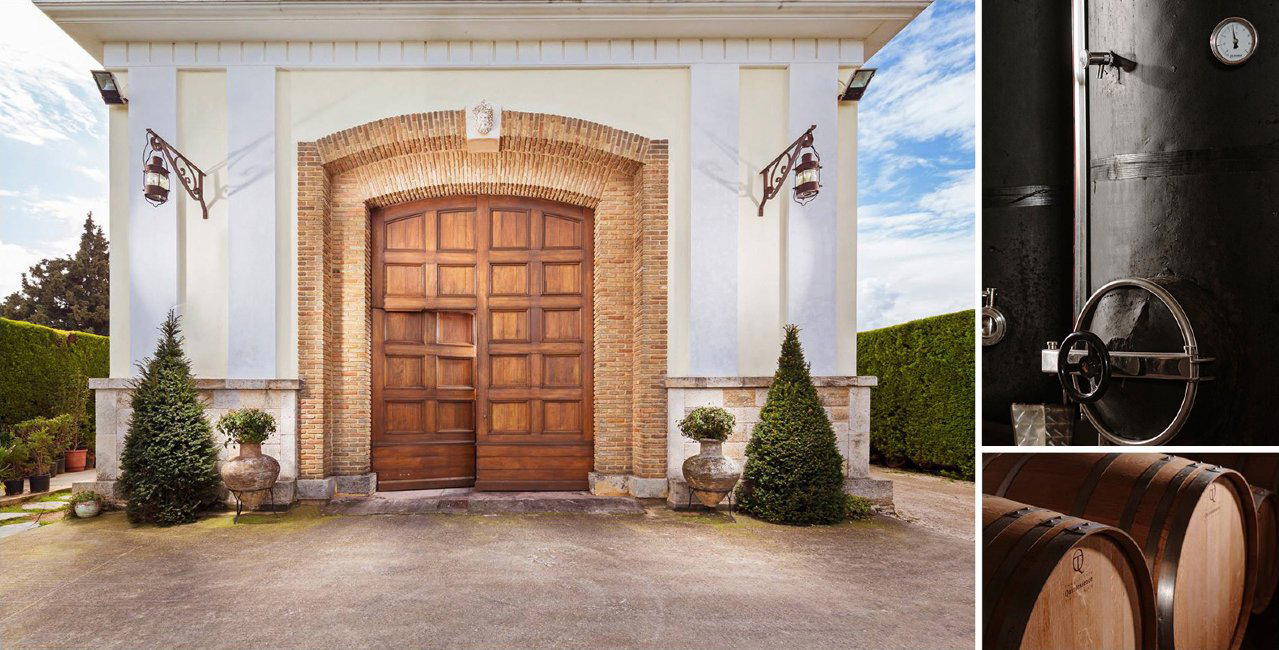
Romantic garden orangery with warm lighting and relaxing atmosphere.