Wokuni

Our verdict
Wokuni on Lexington Avenue has built a consistent presence in New York's Japanese dining scene, earning consecutive Opinionated About Dining rankings across 2023, 2024, and 2025. Under chef Kuniaki Yoshizawa, the restaurant occupies a practical midtown footprint with lunch and dinner service daily, drawing a mix of office workers and dedicated Japanese food followers.

Pearl is the En Primeur Club membership app, where members save venues, book tables and use the concierge.
A Midtown Address With a Trajectory
New York's Japanese restaurant scene has fragmented sharply over the past decade. The high end has consolidated around omakase counters charging well above $300 per person, with venues like odo and Noda drawing the kind of booking pressure that demands months of planning. Below that tier, the middle ground has grown more competitive, with accessible Japanese dining spreading across neighbourhoods and formats from ramen shops to izakayas. Wokuni, at 327 Lexington Avenue, sits in this contested middle zone, a full-service Japanese restaurant in Midtown Manhattan that has built a measurable upward trajectory rather than standing still.
The evidence for that trajectory is in the Opinionated About Dining record. In 2023, Wokuni received a Recommended listing on the OAD North America ranking. By 2024 it had climbed to a ranked position at number 485. In 2025 it moved to number 453. That kind of sequential improvement across three consecutive annual assessments is not common, most restaurants that appear on OAD rankings hold position or drop out entirely. Rising through the list signals that the dining experience has become more consistent or more refined over time, not simply that the restaurant opened to initial enthusiasm.
What the Evolution Looks Like in Practice
The pattern at Wokuni reflects a broader shift in how ambitious Japanese restaurants outside Japan have had to position themselves. In the early years of Japanese dining in New York, the benchmark was authenticity of raw materials. Then it became technique, with trained Japanese chefs gaining recognition for precision in cutting and temperature control. More recently, the conversation has moved toward consistency at scale, the ability to deliver a high-quality experience across multiple services per day, six or seven days a week, rather than only during a limited omakase sitting.
Wokuni operates lunch and dinner seven days a week, with extended Friday and Saturday dinner service running to 9:45 pm compared to 8:45 pm on weekdays. That operational model puts it in a different category from the appointment-only counter format adopted by venues like Tsukimi. It is an accessible daily-service restaurant that nonetheless holds a place on a critics' ranking list, a combination that requires a level of operational discipline that not every kitchen sustains over time.
At that volume of feedback, a rating above 4.0 reflects a reliable median experience rather than a cluster of enthusiastic early adopters. Compared to the broader field of midtown Japanese restaurants, that score places Wokuni toward the upper end of the general public's assessment.
New York's Japanese dining scene is among the most competitive in the world outside Tokyo itself. At the leading, the omakase model commands the most critical attention and the highest prices, with venues like Masa defining one end of the spectrum. The all-day accessible tier, where Wokuni operates alongside places like Blue Ribbon Sushi Izakaya and Chikarashi, is measured differently: the questions are about sourcing quality, execution across volume, and whether the kitchen holds its standard on a Tuesday lunch as well as a Friday dinner.
Chef Kuniaki Yoshizawa leads the kitchen at Wokuni. In a market where Japanese restaurants frequently import credentials from training lineages at named Tokyo establishments, a signal the American dining press has come to read almost as shorthand for quality, Yoshizawa's presence anchors the kitchen against a high standard of Japanese culinary literacy. For those tracking the Tokyo connection more directly, Myojaku and Azabu Kadowaki offer a reference point for what the source culture produces at its most refined.
Within the OAD North America list, Wokuni's 2025 position at number 453 places it in recognizable company. The list tends to reward restaurants where a serious dining public has found something worth repeating, not novelty, but dependability at a level that separates a restaurant from the mass of competent options. Moving up that list three years running suggests that Wokuni is not a restaurant that peaked on opening and coasted; it is one that has invested in improvement.
Midtown's Logic as a Dining Address
Lexington Avenue in the 30s is not the neighbourhood New York's food press writes about most often. The dining conversation in the city has tilted toward downtown Manhattan, Williamsburg, and increasingly the outer boroughs. Midtown's restaurants serve a different purpose: they absorb lunch traffic from offices, dinner traffic from hotels and theatre-adjacent visitors, and a steady flow of people who need a reliable table without a months-long wait. For a Japanese restaurant to build a critics' reputation from that address requires that it perform well enough to draw intentional visitors, not just foot traffic.
The full context of New York City's dining, hotel, and cultural scene is available through our full New York City restaurants guide, and for those planning around a longer stay, our full New York City hotels guide, our full New York City bars guide, our full New York City wineries guide, and our full New York City experiences guide cover the broader picture. For those comparing across American cities, reference points like Emeril's in New Orleans, Lazy Bear in San Francisco, Alinea in Chicago, The French Laundry in Napa, Single Thread Farm in Healdsburg, and Providence in Los Angeles illustrate the range of what serious American dining looks like across formats and price points.
Planning Your Visit
Wokuni operates a split-service model across all seven days, with lunch running from 11:30 am to 2:45 pm and dinner from 5:00 pm. Weekday dinner service closes at 8:45 pm; Friday and Saturday dinner runs to 9:45 pm. The Lexington Avenue address places it in walking distance of Grand Central Terminal, making it accessible from a wide range of midtown and downtown locations.
Quick reference: 327 Lexington Ave, New York, NY 10016. Lunch and dinner daily; late service Friday and Saturday.
Frequently asked questions
What's the signature dish at Wokuni?
Wokuni holds OAD recognition as one of the leading Japanese restaurants in North America, a ranking driven by the kitchen's approach to Japanese cuisine under chef Kuniaki Yoshizawa. Given the restaurant's awards trajectory and its position within New York's competitive Japanese dining tier, the focus is understood to be on fish and seafood, consistent with the broader Japanese restaurant tradition in the city. For current menu specifics, contact the restaurant or check their most recent listings directly.
Comparable Options
| Venue | Cuisine | Price | Awards | Notes |
|---|---|---|---|---|
| WokuniThis venue (the venue you are viewing) | Modern Japanese Sushi | Not listed | Not listed | Not listed |
| Le Bernardin | French Seafood Fine Dining | $300–500 | 3 Michelin Stars · World's 50 Best #13 | French, Seafood |
| Atomix | Modern Korean Tasting Menu | $300–500 | 2 Michelin Stars · World's 50 Best #7 | Modern Korean, Korean |
| Masa | Seasonal Hokkaido Tempura Omakase | $150–200 | Tabelog 100 #34 | Sushi, Japanese |
| Per Se | French Fine Dining Tasting Menu | $300–500 | 3 Michelin Stars · World's 50 Best #40 | French, Contemporary |
| Eleven Madison Park | Contemporary Plant-Based Fine Dining | $300–500 | 3 Michelin Stars · World's 50 Best #4 | French, Vegan |
Recognition history
Dated appearances from independent guides and award organizations, with the underlying list record or original source where available.
Opinionated About Dining Top Restaurants in North America Recommended
Opinionated About Dining
Full recognition history (4 entries)
Opinionated About Dining Top Restaurants in North America Ranked #453
Opinionated About Dining
Opinionated About Dining Top Restaurants in North America Ranked #485
Opinionated About Dining
Opinionated About Dining Top Restaurants in North America Recommended
Opinionated About Dining
Continue exploring
More in New York City
Restaurants in New York City
All restaurants in New York City →
Bars in New York City
All bars in New York City →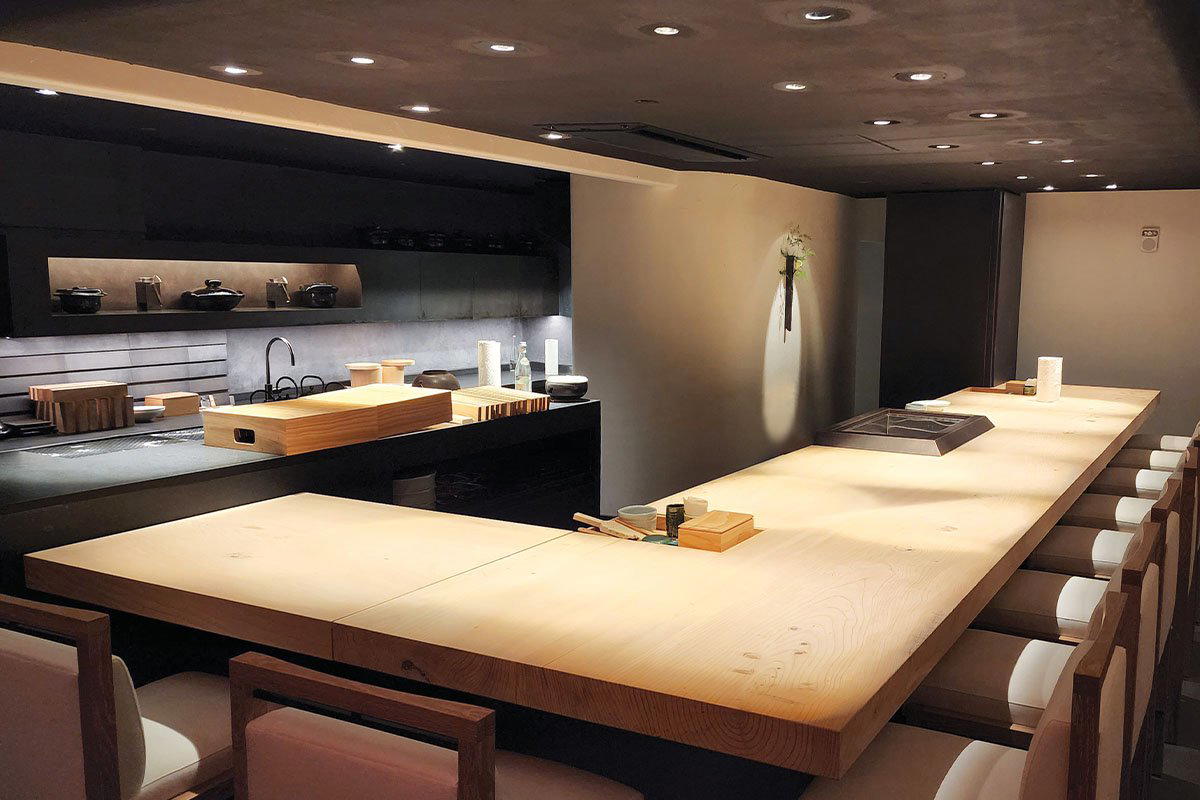







Details
- Trendy
- Modern
- Elegant
- Sophisticated
- Business Dinner
- Date Night
- Casual Hangout
- Open Kitchen
- Sake Program
- A La Carte
- Sake
Current opening hours
- Monday
- 11:30 AM–2:45 PM, 5–9:30 PM
- Tuesday
- 11:30 AM–2:45 PM, 5–9:30 PM
- Wednesday
- 11:30 AM–2:45 PM, 5–9:30 PM
- Thursday
- 11:30 AM–2:45 PM, 5–9:30 PM
- Friday
- 11:30 AM–2:45 PM, 5–10:30 PM
- Saturday
- 11:30 AM–2:45 PM, 5–10:30 PM
- Sunday
- 11:30 AM–2:45 PM, 5–9:30 PM
Hours can change for holidays and private events. Hours as of .
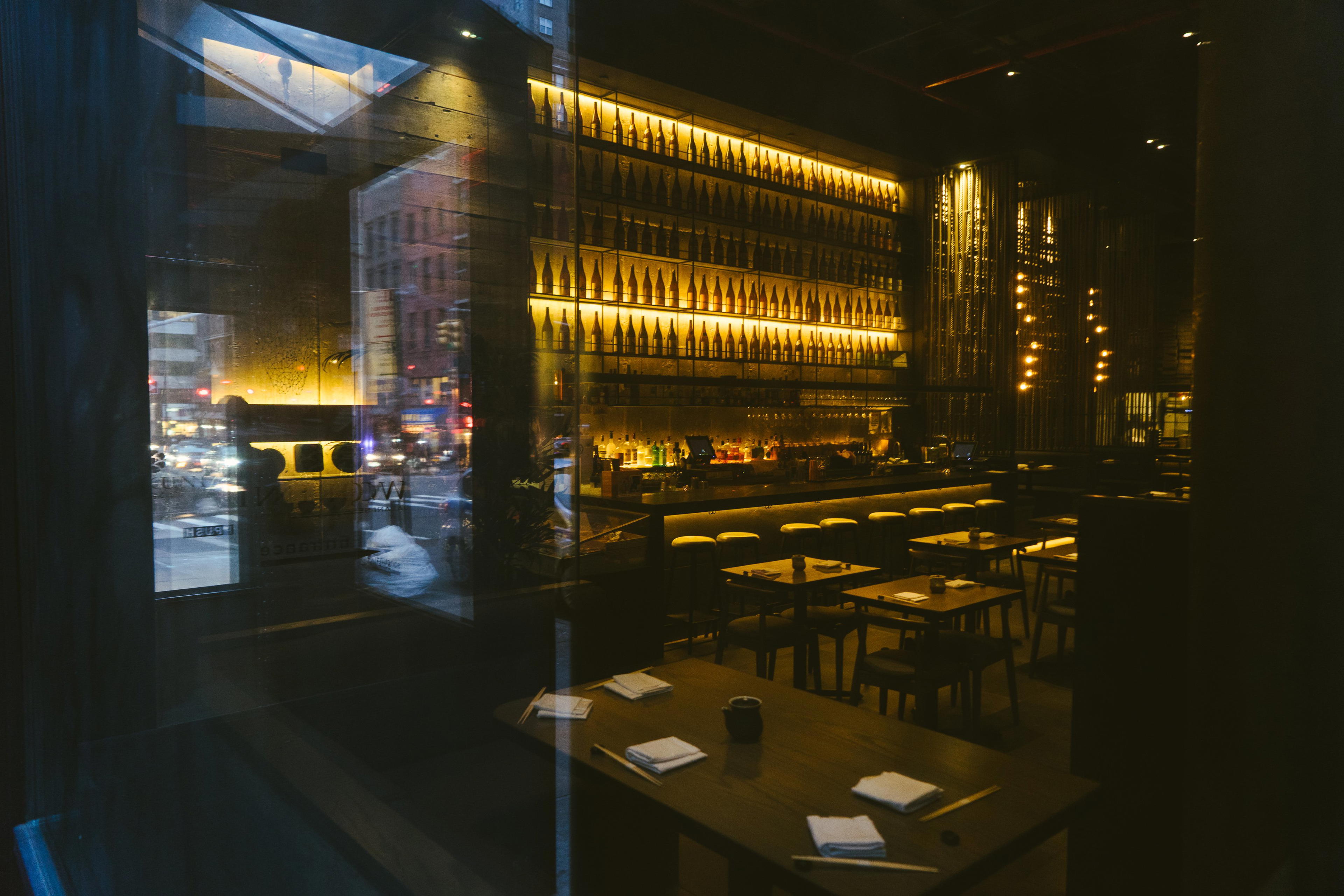
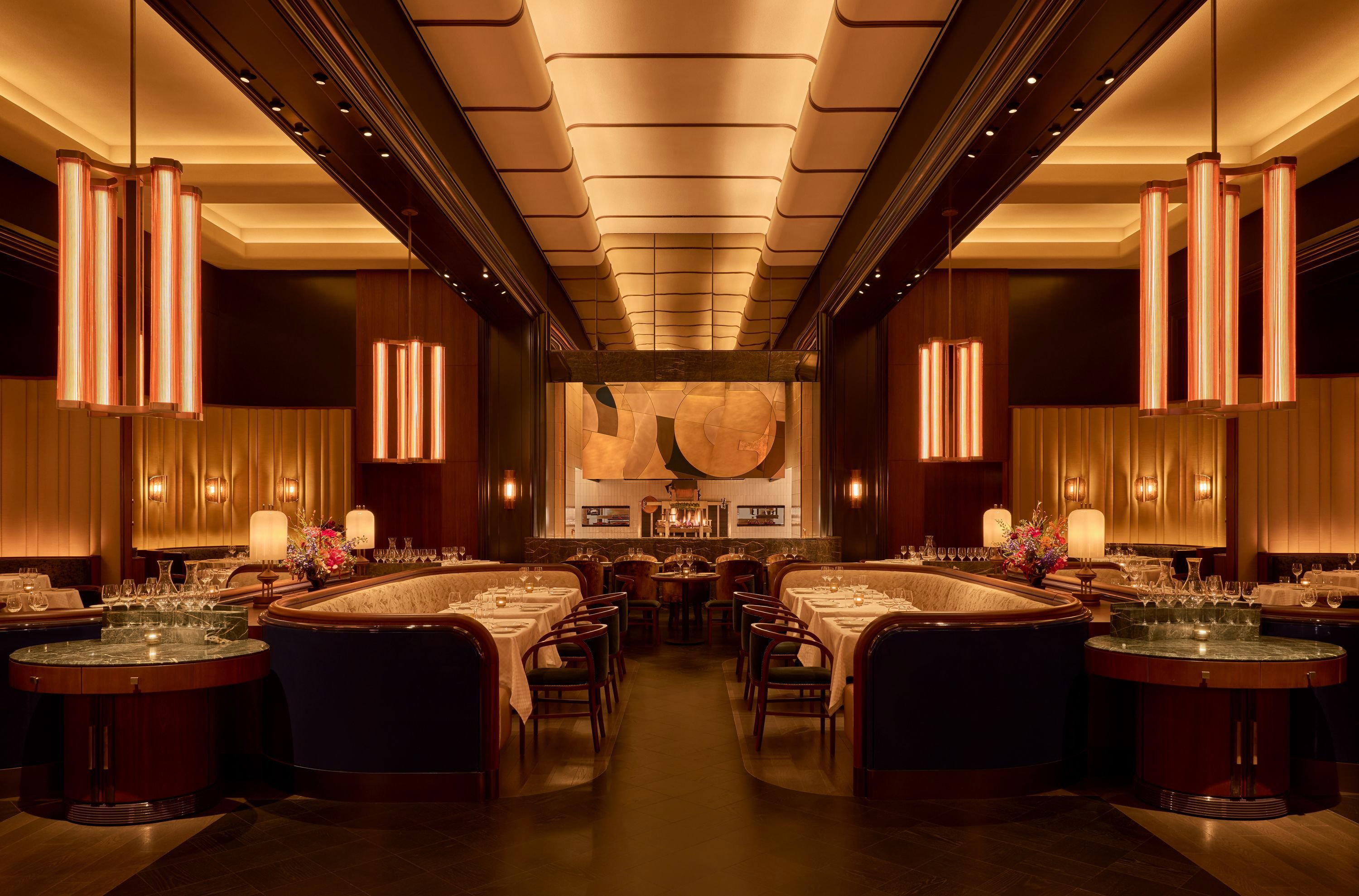
Trendy upscale atmosphere with modern high-end design, beautiful and clean space featuring black wooden theme and high ceilings.